
Nutrition comparison
Black Beans vs Kidney Beans: Nutrition, Safety, and Health Comparison
Black beans beat kidney beans on fiber and antioxidants, but kidney beans deliver more iron and protein. Learn which bean fits your health goals and why kidney bean preparation requires extra care.
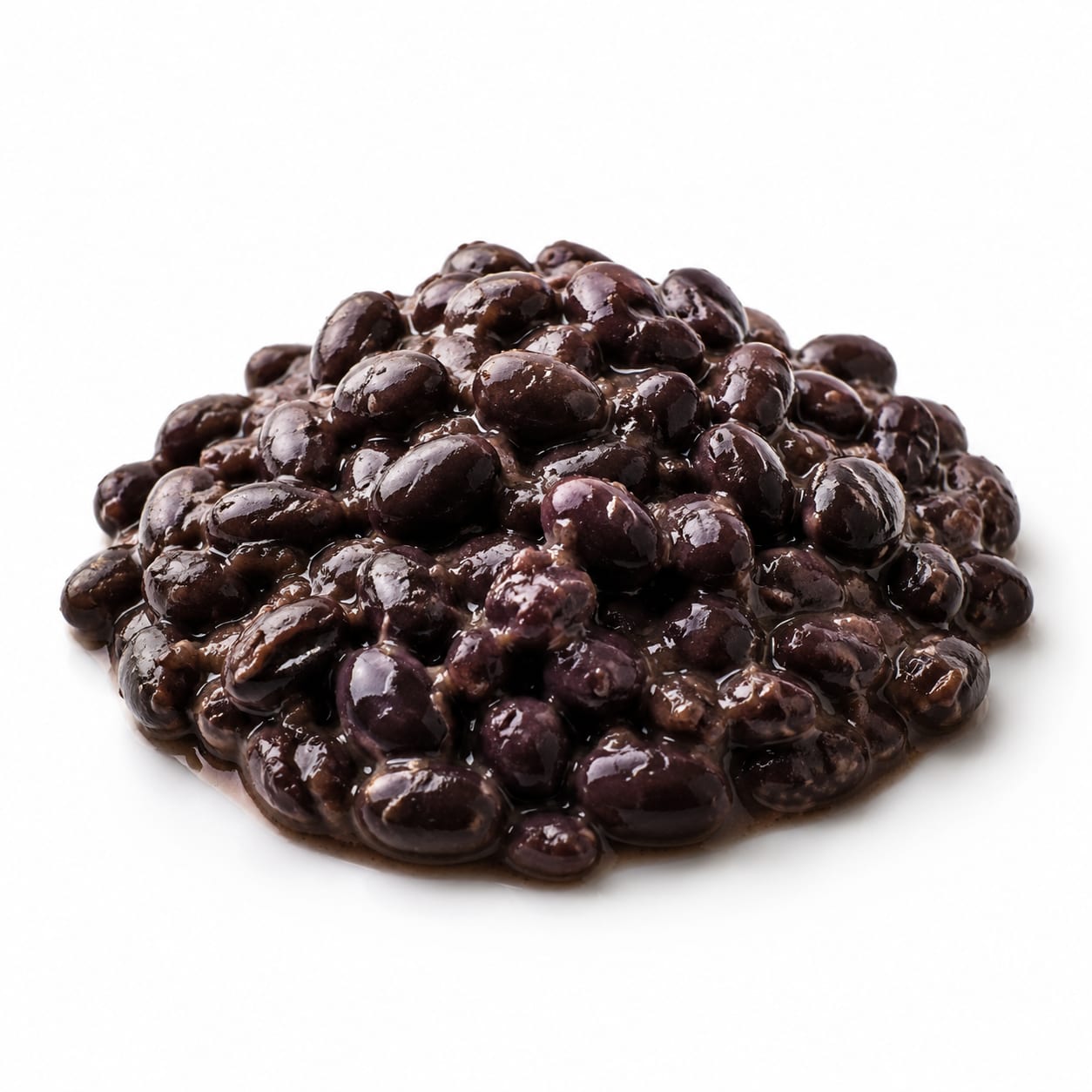
Black Bean
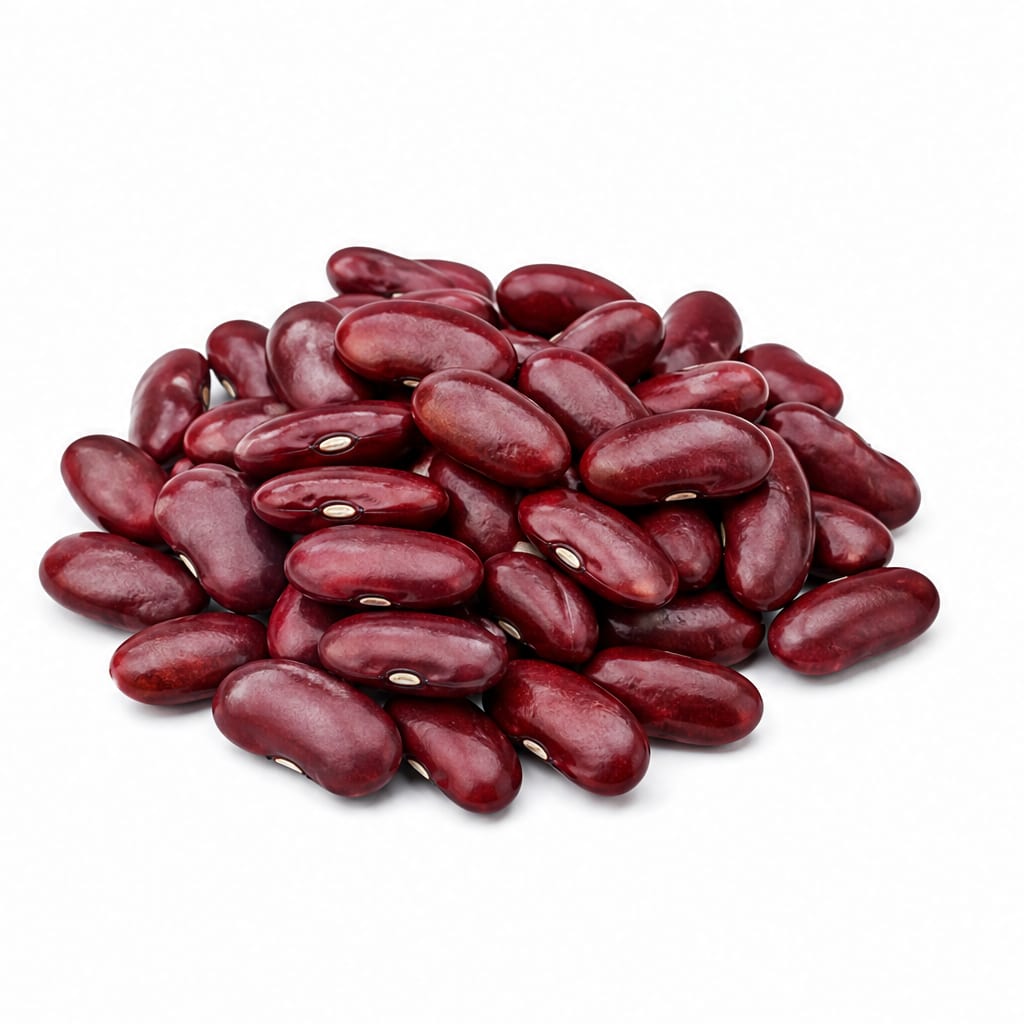
Kidney Beans
Black beans win on antioxidants and fiber; kidney beans deliver more iron and slightly more protein. Both are excellent, so the best pick depends on what your diet needs most.
Black beans score slightly higher due to superior antioxidant content, marginally better fiber, and easier safety profile. Kidney beans remain nutritionally excellent but their lectin risk and slightly lower fiber narrow the gap.
You trade stronger anti-inflammatory and gut benefits in black beans for better mineral replenishment and a heartier texture in kidney beans.
At a glance
Executive summary
Overall
It depends
Healthier
Black Bean
More practical
Black Bean
Daily use
Black Bean
Key comparison lenses
digestive health and fiber comparison
Both are fiber powerhouses but black beans edge ahead, making this a key differentiator for gut-conscious users
antioxidant and anti-inflammatory benefits
Black beans' dark pigment signals significantly higher anthocyanin content, a major health advantage worth highlighting
safety and preparation requirements
Kidney beans carry a unique lectin toxicity risk if undercooked, a real safety concern absent in black beans
plant-based protein quality
Both are protein staples for vegetarians and vegans, so subtle differences in amino acid profile matter
blood sugar management
Both are low-glycemic, but fiber and starch type differences affect glucose response
mineral density and anemia prevention
Kidney beans offer more iron and copper, relevant for those at risk of deficiency
Best choice for
Black Bean
- People prioritizing gut health and regularity
- Those seeking anti-inflammatory and antioxidant benefits
- Anyone wanting slightly safer and easier preparation
- Meal preppers who want faster cooking times
Kidney Beans
- People needing more iron, especially menstruating women
- Those seeking higher protein per serving
- Chili and stew recipes where firm texture matters
- Anyone focused on mineral replenishment after illness
Least suitable for
Black Bean
- People who need maximum iron intake from plant sources
- Those who dislike softer textures in hearty dishes
Kidney Beans
- Impatient cooks who might undercook beans
- People with sensitive digestion who are new to legumes
- Anyone prone to skipping thorough cooking steps
Deep comparison
Dimension by dimension
Each lens scores both foods and breaks down who each option suits.
- Dimension 1 · Priority 92Black Bean
fiber and digestive health
Black Bean · 88Kidney Beans · 80Black beans provide roughly 15g of fiber per cooked cup versus 11g in kidney beans, making them noticeably more effective for regularity and gut health.
Tradeoff
You get more digestive benefit from black beans but kidney beans still outperform most other foods on fiber.
Why it matters
Higher fiber means steadier digestion, less bloating over time, and better feeding of beneficial gut bacteria.
Real-world impact
A bowl of black bean soup will keep you fuller longer and support smoother digestion compared to the same portion of kidney beans.
Black Bean
- Chronic constipation sufferers
- Gut microbiome optimization
- Sustained fullness between meals
Better for
- Sudden large increases can cause bloating if unaccustomed
Worse for
Kidney Beans
- Those who find very high fiber causes initial gas
- Gradual fiber increase in diet transitions
Better for
- Less effective at keeping you regular if that is your primary goal
Worse for
- Dimension 2 · Priority 88Black Bean
antioxidant and anti-inflammatory power
Black Bean · 90Kidney Beans · 65The dark skin of black beans is packed with anthocyanins, the same compounds in blueberries. Kidney beans have some antioxidants but far fewer.
Tradeoff
Black beans function as both a protein source and an antioxidant-rich food. Kidney beans are primarily a protein and mineral source.
Why it matters
Chronic inflammation drives heart disease, aging, and joint pain. Anthocyanin-rich foods actively combat this.
Real-world impact
Eating black beans regularly is like getting a side of berry-level antioxidants with your protein. Kidney beans nourish you but lack this bonus.
Black Bean
- Long-term disease prevention
- Joint and cardiovascular health
- Aging and cellular protection
Better for
- Antioxidant benefits require consistent intake, not occasional consumption
Worse for
Kidney Beans
- Situations where mineral delivery matters more than antioxidants
Better for
- Missing a significant anti-inflammatory advantage
Worse for
- Dimension 3 · Priority 80Kidney Beans
mineral density especially iron
Black Bean · 70Kidney Beans · 85Kidney beans deliver about 5mg of iron per cooked cup compared to roughly 3.6mg in black beans, a meaningful difference for iron-deficient individuals.
Tradeoff
You gain stronger iron and copper replenishment with kidney beans but sacrifice some fiber and antioxidants.
Why it matters
Iron deficiency is the most common nutrient deficiency worldwide, especially affecting women. Plant-based eaters need every advantage.
Real-world impact
For a menstruating vegetarian, swapping black beans for kidney beans a few times a week could meaningfully improve iron intake.
Black Bean
- Those whose iron levels are already adequate
Better for
- Not the best bean choice if iron is your priority
Worse for
Kidney Beans
- Menstruating women on plant-based diets
- Recovering from blood loss or anemia
- Endurance athletes with higher iron needs
Better for
- Excess iron intake concerns for those with hemochromatosis risk
Worse for
- Dimension 4 · Priority 78Kidney Beans
protein content and quality
Black Bean · 75Kidney Beans · 80Kidney beans offer about 15g of protein per cooked cup versus 15g in black beans, but kidney beans have a slightly more favorable amino acid profile for muscle support.
Tradeoff
The protein difference is small. Both are solid plant protein sources, but kidney beans have a slight edge in leucine content important for muscle maintenance.
Why it matters
For plant-based eaters, every gram and every amino acid profile improvement counts toward meeting protein needs.
Real-world impact
After a workout, a kidney bean bowl gives you marginally better muscle-recovery amino acids than black beans, though both work well.
Black Bean
- Those who pair beans with grains for complete protein anyway
Better for
- Slightly less efficient for muscle building goals
Worse for
Kidney Beans
- Athletes seeking optimal plant protein
- Older adults preserving muscle mass
- Anyone counting protein grams carefully
Better for
- The advantage is real but modest, not a game-changer alone
Worse for
- Dimension 5 · Priority 85Black Bean
safety and preparation ease
Black Bean · 88Kidney Beans · 65Kidney beans contain high levels of phytohaemagglutinin, a lectin that causes severe gastrointestinal illness if beans are undercooked. Black beans have negligible lectin risk.
Tradeoff
Kidney beans require more careful cooking to be safe. Black beans are forgiving even if slightly underdone.
Why it matters
Undercooked kidney beans have sent people to the hospital with nausea, vomiting, and diarrhea. This is not theoretical; it happens regularly.
Real-world impact
If you slow-cook kidney beans at low heat, you must boil them vigorously for at least 10 minutes first. Black beans can simmer without this precaution.
Black Bean
- Casual home cooks
- Slow cooker enthusiasts who skip boiling steps
- Anyone who sometimes undercooks beans slightly
Better for
- Minimal safety downside
Worse for
Kidney Beans
- Experienced cooks who always follow proper preparation
Better for
- Real risk of food poisoning if rushed or undercooked
- Slow cookers on low may not destroy lectins
Worse for
- Dimension 6 · Priority 78Black Bean
blood sugar stability
Black Bean · 85Kidney Beans · 80Both beans are low-glycemic, but black beans' higher fiber and resistant starch content slows glucose absorption slightly more effectively.
Tradeoff
The difference is modest. Both are excellent for blood sugar compared to nearly any other carb source.
Why it matters
For diabetics and prediabetics, even small improvements in glucose response compound over thousands of meals.
Real-world impact
A black bean burrito will produce a slightly gentler blood sugar curve than the same meal with kidney beans, though both beat rice or bread by a wide margin.
Black Bean
- Type 2 diabetes management
- Prediabetes reversal efforts
- PCOS-related insulin resistance
Better for
- Benefit is marginal over kidney beans
Worse for
Kidney Beans
- Still a strong choice, just not the absolute best bean option
Better for
- Slightly less optimal glucose control
Worse for
- Dimension 7 · Priority 72It depends
culinary versatility and texture
Black Bean · 78Kidney Beans · 78Black beans excel in Latin American dishes, dips, and soups with their creamier texture. Kidney beans shine in chili, curries, and salads where firmness matters.
Tradeoff
Black beans break down beautifully for spreads and fillings. Kidney beans hold their shape for chunky, hearty dishes.
Why it matters
The wrong bean can ruin a dish's texture. A mushy kidney bean chili or a crumbly black bean salad both disappoint.
Real-world impact
Making black bean burgers? Black beans mash perfectly. Building a three-bean salad? Kidney beans stay intact while black beans may turn pasty.
Black Bean
- Dips and spreads like black bean hummus
- Burger patties and veggie meatballs
- Soups where creaminess is desired
- Burritos and taco fillings
Better for
- Dishes where you want distinct bean shape
Worse for
Kidney Beans
- Hearty chilis and stews
- Bean salads requiring firm texture
- Curries where beans should stay whole
- Casseroles with long cooking times
Better for
- Recipes needing a creamy or mashable consistency
Worse for
Timeline
Health impact over time
Short-term
Hours to days
Black Bean
- High satiety from fiber keeps hunger at bay for hours
- Initial gas and bloating possible if increasing fiber quickly
- Steady energy without blood sugar spikes or crashes
- Gentle on the digestive tract when properly cooked
Kidney Beans
- Similar fullness and satiety from protein and fiber
- Slightly more gas potential due to oligosaccharide content
- Severe nausea and vomiting if undercooked due to lectins
- More filling in heavy dishes due to denser texture
Long-term
Months to years
Black Bean
- Consistent antioxidant intake reduces chronic disease risk
- Improved gut microbiome diversity from high fiber
- Better cholesterol management from soluble fiber
- Lower inflammation markers with regular consumption
Kidney Beans
- Better iron stores reducing fatigue and anemia risk
- Strong mineral intake supports bone and blood health
- Similar cardiovascular benefits from fiber and plant protein
- Sustained protein intake supports muscle maintenance with age
Risk profile
Safety & processing
Both black beans and kidney beans are whole foods in their dried form. Canned versions may contain added sodium, but rinsing removes most of it. Neither carries meaningful processing concerns when bought dried or low-sodium canned.
Black Bean
mild digestive discomfort from oligosaccharides
lowCauses gas in some people, especially those new to high-fiber diets. Soaking and rinsing reduces this significantly.
Kidney Beans
phytohaemagglutinin lectin toxicity from undercooking
highRaw or undercooked kidney beans contain toxic lectin levels that cause severe vomiting, diarrhea, and abdominal pain within hours. Always boil vigorously for at least 10 minutes before slow cooking. Slow cookers alone may not reach safe temperatures.
canned kidney bean sodium content
mediumCanned versions often contain 400-600mg sodium per serving. Rinsing reduces this by roughly 40%, but not entirely.
Who wins for whom
Audience fit
Same foods, different winners depending on your goal.
children
Black BeanEasier to mash into kid-friendly textures and no lectin toxicity risk if accidentally undercooked.
daily consumption
Black BeanSuperior antioxidant and fiber profile with easier safety profile makes black beans the better everyday staple.
diabetes
Black BeanHigher fiber and resistant starch create a gentler blood sugar response, which matters for daily glucose management.
elderly
Black BeanBetter fiber for common constipation issues and easier digestion. Safety margin with preparation is also important for older cooks.
muscle gain
Kidney BeansMarginally higher protein and better leucine content supports muscle protein synthesis more effectively.
weight loss
Black BeanSlightly fewer calories per cup and more fiber means better satiety per calorie, helping you eat less overall.
Your move
Decision guide
Choose Black Bean
- You want maximum gut health and digestion benefits
- Anti-inflammatory eating is a priority for you
- You sometimes rush cooking and want a safer bean
- You make a lot of Latin American dishes, dips, or spreads
- Blood sugar management is a daily concern
Choose Kidney Beans
- You need more iron in your diet, especially on a plant-based eating plan
- You make chili, stews, or bean salads where firm texture matters
- Muscle maintenance and protein intake are top priorities
- You are an experienced cook who always prepares beans properly
- You prefer a heartier, meatier bean texture in meals
Either works if
- You just need a solid plant protein source and both are available
- You rotate beans for nutritional diversity, which is ideal
- Budget is the main concern, as both are similarly affordable
- You are meal prepping for the week and want variety
Avoid both if
- You have a diagnosed legume allergy
- You are in an acute gout flare and limiting purines temporarily
- You cannot tolerate fiber increases even gradually
Final recommendation
Eat both. Black beans offer better daily nutrition and safety, while kidney beans provide iron and texture variety. Rotating between them gives you the antioxidant benefits of black beans and the mineral density of kidney beans. If forced to pick one for daily use, black beans win by a small margin for their fiber, antioxidants, and forgiving preparation.
Practical
Consumer tips
- 1
Always soak dried kidney beans for at least 5 hours and boil vigorously for 10 minutes before any other cooking method
- 2
Rinse canned beans of either type to remove about 40% of the sodium
- 3
If switching from low-fiber to high-fiber diets, increase bean portions gradually over two weeks to minimize gas
- 4
Pair either bean with vitamin C-rich foods like bell peppers or tomatoes to boost iron absorption by up to 6 times
- 5
Black beans cook slightly faster than kidney beans, about 60-90 minutes versus 90-120 minutes after soaking
- 6
Freeze cooked beans in portioned bags for instant meal prep that beats canned convenience with better nutrition
- 7
Add a strip of kombu seaweed while cooking either bean to reduce gas-producing compounds naturally
- 8
Never use a slow cooker for dried kidney beans without boiling them first, as low heat does not destroy lectins