
Nutrition comparison
Black Beans vs Chickpeas: Nutrition, Fiber, Protein, and Which Is Better for You
Compare black beans and chickpeas side by side. Learn which legume has more fiber, better blood sugar control, and stronger antioxidants. Practical advice for weight loss, diabetes, and meal prep.
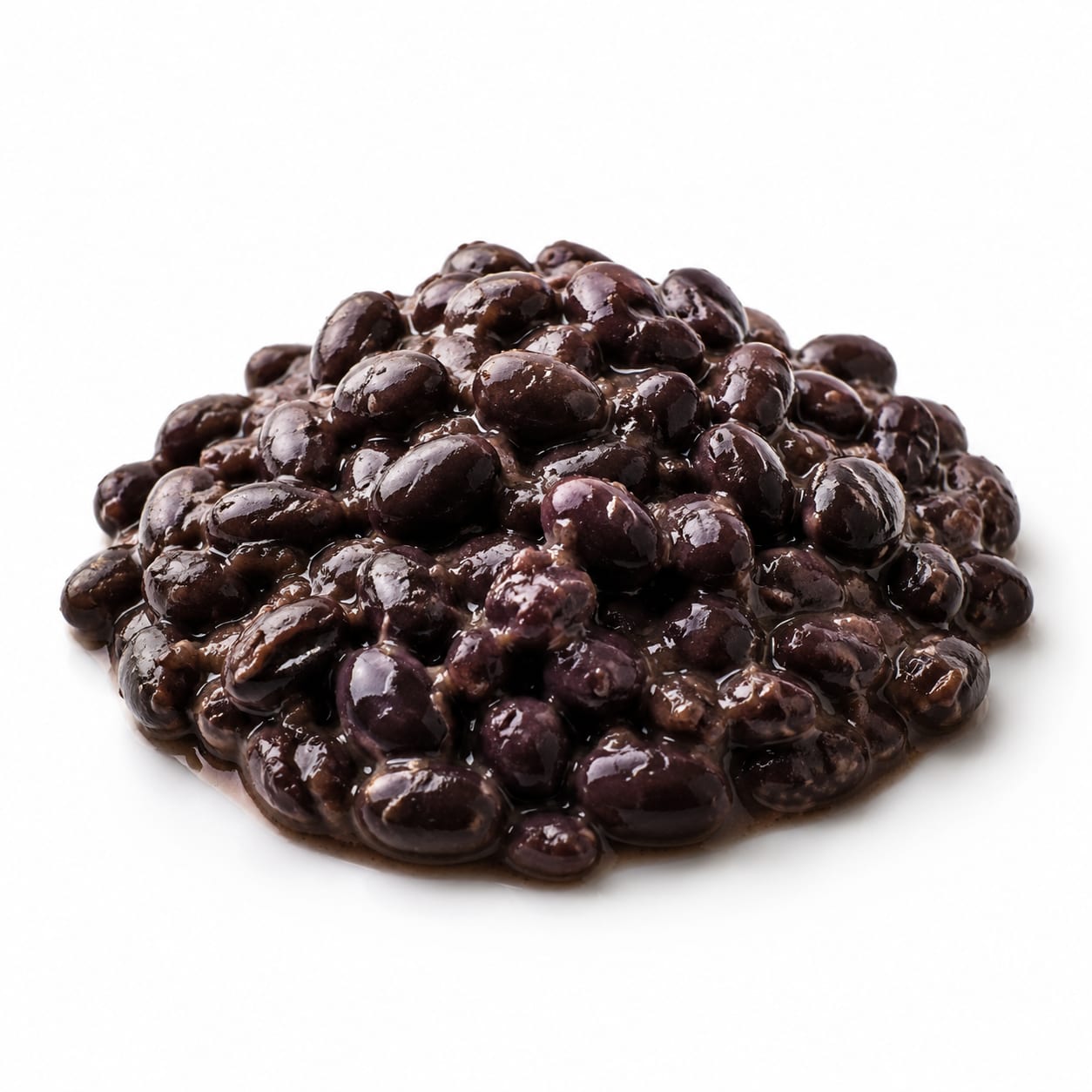
Black Bean
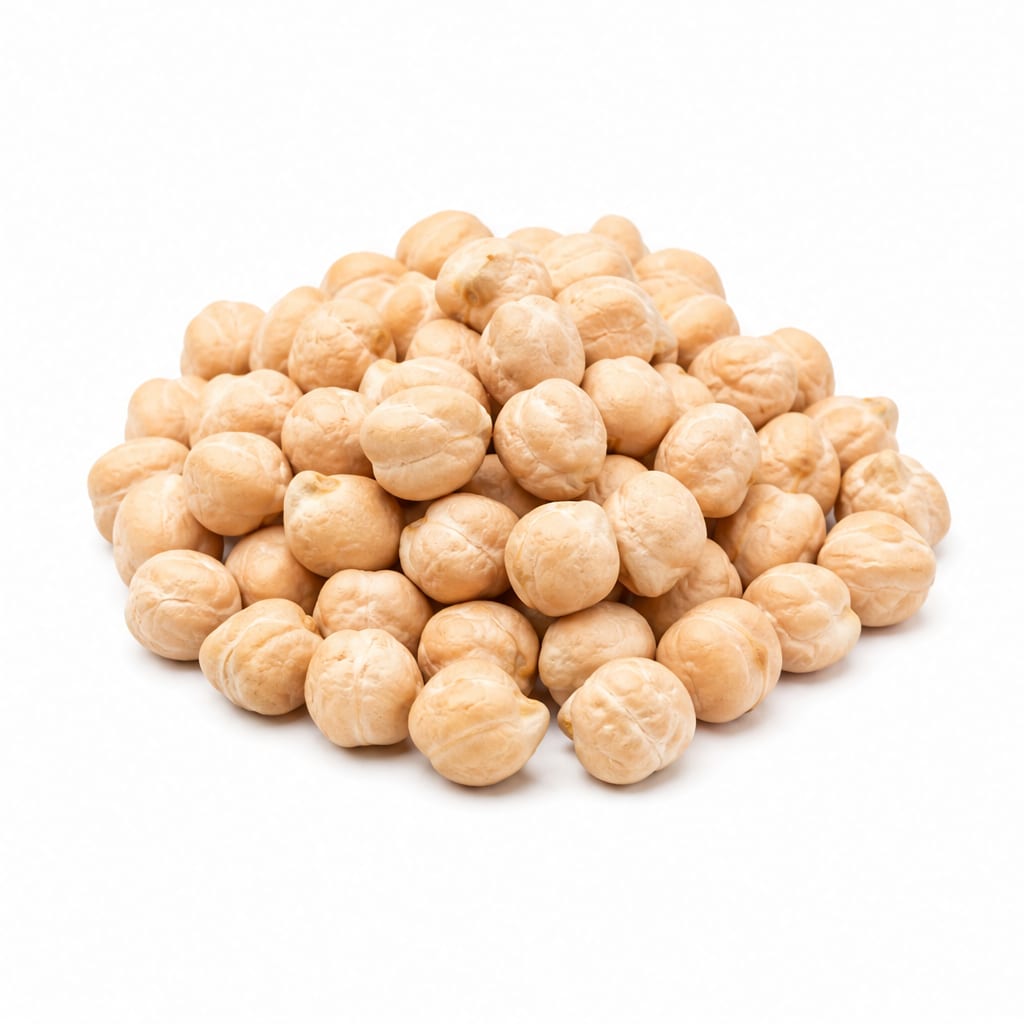
Chickpeas
Black beans win on fiber, antioxidants, and calorie efficiency. Chickpeas win on versatility, healthy fats, and mineral diversity. Pick based on your priority.
Black beans score slightly higher due to superior fiber density, lower calorie count, and stronger antioxidant profile. Chickpeas remain competitive through versatility and mineral content. The gap is small because both are excellent legume choices.
Black beans give you more fiber and antioxidants per calorie, while chickpeas offer more cooking flexibility and a broader mineral profile with slightly more fat for hormone health.
At a glance
Executive summary
Overall
It depends
Healthier
Black Bean
More practical
Chickpeas
Daily use
It depends
Key comparison lenses
protein and fiber density for satiety
Both are plant protein staples, so users want to know which keeps them fuller and supports muscle better
blood sugar management
Legume choice matters heavily for diabetics and anyone avoiding energy crashes
antioxidant and micronutrient advantage
Black beans have unique anthocyanins; chickpeas have different mineral strengths
cooking versatility and meal prep practicality
Chickpeas dominate in hummus and salads; black beans shine in bowls and Latin dishes
digestive tolerance and gas production
Both can cause bloating but differ in oligosaccharide profiles that affect tolerance
Best choice for
Black Bean
- Weight loss and calorie counting
- Blood sugar control and diabetes management
- Maximum fiber intake and gut health
- Antioxidant and anti-inflammatory diets
Chickpeas
- Meal prep variety and recipe flexibility
- Plant-based eaters needing more healthy fats
- Manganese and copper deficiency concerns
- Snacking and on-the-go options like roasted chickpeas
Least suitable for
Black Bean
- People sensitive to dark pigmented foods or histamine
- Those wanting a neutral-tasting base for diverse cuisines
Chickpeas
- Strict low-calorie or low-carb dieters
- People watching carbohydrate intake closely
Deep comparison
Dimension by dimension
Each lens scores both foods and breaks down who each option suits.
- Dimension 1 · Priority 93Black Bean
Fiber and Digestive Health
Black Bean · 90Chickpeas · 78Black beans deliver roughly 15% more fiber per serving, making them better for gut regularity and microbiome feeding.
Tradeoff
Chickpeas are slightly easier to digest for some people because their fiber is less fermentable, meaning less gas and bloating.
Why it matters
Higher fiber means steadier blood sugar, better fullness, and stronger gut bacteria. But if fiber causes you discomfort, chickpeas may be the more sustainable choice.
Real-world impact
A black bean bowl keeps you full longer after lunch. A chickpea salad is less likely to leave you bloated before an afternoon meeting.
Black Bean
- Gut microbiome diversity
- Constipation relief
- Sustained fullness between meals
Better for
- People prone to gas and bloating from high fermentable fiber
Worse for
Chickpeas
- Sensitive digestion and IBS-friendly eating
- Gradual fiber increase without discomfort
Better for
- Those needing maximum fiber per calorie for weight management
Worse for
- Dimension 2 · Priority 90Black Bean
Blood Sugar Stability
Black Bean · 88Chickpeas · 76Black beans have a lower glycemic index and more fiber per carb gram, creating a slower glucose release.
Tradeoff
Chickpeas still have a low glycemic index compared to most carbs, but their higher carbohydrate load means a slightly larger blood sugar response.
Why it matters
For diabetics or anyone avoiding afternoon energy crashes, every point of glycemic difference matters over years of daily eating.
Real-world impact
Black beans with rice produce a flatter blood sugar curve. Chickpeas in a salad still perform well but may require more protein or fat pairing for the same effect.
Black Bean
- Type 2 diabetes management
- Preventing post-meal energy crashes
- Metabolic syndrome diets
Better for
- Endurance athletes who need faster carb access
Worse for
Chickpeas
- Athletes needing moderate carb availability before exercise
Better for
- Insulin-resistant individuals tracking glycemic load closely
Worse for
- Dimension 3 · Priority 82Black Bean
Antioxidant and Anti-Inflammatory Power
Black Bean · 92Chickpeas · 62Black beans are one of the most antioxidant-rich legumes due to their dark anthocyanin-rich seed coat. Chickpeas have far less antioxidant capacity.
Tradeoff
Chickpeas compensate with higher manganese content, which supports antioxidant enzymes internally rather than providing direct antioxidants.
Why it matters
Dietary antioxidants from black beans help neutralize free radicals directly. Manganese from chickpeas helps your body produce its own antioxidant enzymes. Both paths matter.
Real-world impact
Regular black bean consumption is linked to lower inflammatory markers. Chickpeas support the same goal through a different mechanism but with less direct evidence.
Black Bean
- Anti-inflammatory diets
- Long-term cellular protection
- Aging and oxidative stress reduction
Better for
- Those who mistakenly assume all beans are equal in antioxidant content
Worse for
Chickpeas
- Supporting internal antioxidant enzyme production via manganese
Better for
- People specifically seeking high-antioxidant plant foods
Worse for
- Dimension 4 · Priority 85Black Bean
Protein Quality and Quantity
Black Bean · 80Chickpeas · 76Both provide similar protein per serving, but black beans offer slightly more protein per calorie, making them more protein-efficient.
Tradeoff
Chickpeas have marginally more of certain essential amino acids like methionine, though both beans are incomplete proteins requiring grain pairing.
Why it matters
For plant-based eaters, protein density per calorie matters because legume portions can be large and filling before hitting protein targets.
Real-world impact
Hitting 20g protein from black beans requires fewer calories than from chickpeas. Over a full day of eating, this difference adds up for calorie-conscious plant-based dieters.
Black Bean
- Calorie-conscious muscle building
- Plant-based meal planning with protein targets
Better for
- Anyone expecting complete protein from a single legume source
Worse for
Chickpeas
- Those already eating adequate protein who prioritize variety over density
Better for
- Lean bulk dieters needing protein efficiency per calorie
Worse for
- Dimension 5 · Priority 78Chickpeas
Mineral Diversity
Black Bean · 72Chickpeas · 84Chickpeas provide more manganese, copper, and phosphorus. Black beans lead in iron and magnesium. Chickpeas have broader mineral coverage overall.
Tradeoff
If iron deficiency is your concern, black beans are the better pick. If you want overall mineral diversity from a single food, chickpeas edge ahead.
Why it matters
Manganese supports bone health and wound healing. Copper aids iron absorption and energy production. These minerals are often underconsumed.
Real-world impact
A chickpea-rich diet quietly supports bone density and energy metabolism. A black bean-rich diet better supports oxygen transport and muscle function through iron and magnesium.
Black Bean
- Iron deficiency and anemia risk
- Magnesium for sleep and muscle recovery
Better for
- Those needing broad mineral coverage from fewer foods
Worse for
Chickpeas
- Bone health and mineral diversity
- Copper and manganese intake for energy and connective tissue
Better for
- Women with iron deficiency concerns
Worse for
- Dimension 6 · Priority 80Chickpeas
Cooking Versatility and Practicality
Black Bean · 68Chickpeas · 88Chickpeas adapt to more cuisines and formats: hummus, falafel, roasted snacks, curries, salads, and soups. Black beans are more cuisine-specific.
Tradeoff
Black beans excel in their lane but are harder to use outside Latin American and Caribbean dishes without feeling forced.
Why it matters
The best healthy food is the one you actually enjoy eating regularly. Versatility reduces meal prep boredom and increases long-term adherence.
Real-world impact
Chickpeas can be a crunchy afternoon snack, a creamy dip, or a curry base. Black beans shine in burritos and bowls but feel out of place in many other contexts.
Black Bean
- Latin American meal prep consistency
- Quick weeknight taco and bowl recipes
Better for
- Cooks wanting one legume that works across all meal types
Worse for
Chickpeas
- Diverse cuisine exploration
- Snack and dip preparation
- Meal prep variety to avoid burnout
Better for
- Those deeply committed to Latin American cuisine who find chickpeas out of place
Worse for
- Dimension 7 · Priority 84Black Bean
Calorie Efficiency
Black Bean · 88Chickpeas · 70Black beans provide roughly 20% fewer calories per serving than chickpeas while delivering similar or more protein and fiber.
Tradeoff
Chickpeas offer more energy per serving, which benefits active people and those struggling to eat enough. For weight loss, this is a disadvantage.
Why it matters
Calorie density determines how much food you can eat before feeling full. Lower calorie density means larger portions and more satisfaction for fewer calories.
Real-world impact
A cup of black beans saves you roughly 30-40 calories compared to chickpeas while keeping you equally full. Over a year of daily consumption, that difference compounds.
Black Bean
- Weight loss and calorie restriction
- Volume eating for satiety
Better for
- Athletes in caloric surplus phases
Worse for
Chickpeas
- Active individuals needing calorie surplus
- Underweight people struggling to eat enough
Better for
- Anyone tracking calories for weight management
Worse for
Timeline
Health impact over time
Short-term
Hours to days
Black Bean
- Strong satiety from high fiber, reducing between-meal snacking
- Possible gas and bloating if not accustomed to high fiber intake
- Steady energy without blood sugar spikes
Chickpeas
- Moderate satiety with slightly faster digestion than black beans
- Slightly more gas than black beans for some due to higher oligosaccharide content
- Good pre-workout energy from moderate carbohydrate availability
Long-term
Months to years
Black Bean
- Improved gut microbiome diversity from consistent high fiber intake
- Lower inflammatory markers from anthocyanin consumption
- Better long-term blood sugar regulation and diabetes risk reduction
- Potential for iron overload if consumed excessively alongside iron supplements
Chickpeas
- Stronger bone density support from manganese and phosphorus
- Improved energy metabolism from copper and B-vitamin content
- Sustained plant-based diet adherence due to culinary versatility
- Slightly higher long-term caloric intake if portions are not managed
Risk profile
Safety & processing
Both black beans and chickpeas are whole foods in their dried or canned form. Canned versions may contain added sodium, so rinsing is recommended. Neither typically contains artificial additives beyond salt in canned varieties.
Black Bean
BPA exposure from canned varieties
mediumMost canned black beans use BPA-lined cans. Choose BPA-free cans or cook from dried to avoid this entirely.
Phytic acid reducing mineral absorption
lowSoaking and cooking reduces phytic acid significantly. Not a concern for most people eating a varied diet.
Undercooked toxin exposure
mediumRaw or undercooked black beans contain phytohaemagglutinin, which can cause nausea and vomiting. Always cook thoroughly.
Chickpeas
BPA exposure from canned varieties
mediumSame concern as black beans. Opt for dried or BPA-free canned versions when possible.
Phytic acid reducing mineral absorption
lowChickpeas contain phytic acid but soaking and cooking reduces it. Not a major concern with proper preparation.
Allergic reactions in susceptible individuals
lowChickpea allergy exists, particularly in Mediterranean populations. Cross-reactivity with other legumes is possible but uncommon.
Who wins for whom
Audience fit
Same foods, different winners depending on your goal.
children
ChickpeasChickpeas are milder in flavor, easier to blend into familiar dips like hummus, and less likely to be rejected by picky eaters.
daily consumption
It dependsBlack beans are better for daily use if you eat similar meals regularly. Chickpeas are better if you need variety to stay consistent. Both are excellent daily staples.
diabetes
Black BeanLower glycemic index and higher fiber per carbohydrate gram create better blood sugar control for diabetic meal planning.
elderly
Black BeanHigher fiber addresses common constipation issues in older adults, and the iron content supports age-related anemia risk.
muscle gain
ChickpeasSlightly more calories and carbohydrates support training energy, and the broader amino acid profile complements muscle recovery when paired with grains.
weight loss
Black BeanLower calories per serving with equal or better satiety from higher fiber makes black beans more weight-loss friendly.
Your move
Decision guide
Choose Black Bean
- You are tracking calories or trying to lose weight
- You want maximum fiber and gut health benefits
- Blood sugar management is a top priority
- You eat mostly Latin American or Caribbean cuisine
- You want the strongest antioxidant bang per bite
Choose Chickpeas
- You get bored easily and need recipe variety
- You are cooking for kids or picky eaters
- You want a neutral base that works across many cuisines
- You need more manganese and copper in your diet
- You enjoy snacking on roasted legumes or making dips
Either works if
- You are simply trying to eat more legumes overall
- You alternate between different bean types weekly
- You pair beans with grains for complete protein
- You are building a plant-based pantry from scratch
Avoid both if
- You have a diagnosed legume allergy
- You are in the strict elimination phase of a low-FODMAP diet
- You experience severe digestive distress from all beans despite gradual introduction
Final recommendation
Keep both in your pantry. Use black beans when calorie efficiency, fiber, and blood sugar control matter most. Use chickpeas when you need versatility, broader mineral intake, or a break from routine. Rotating between them gives you the best of both worlds without the monotony of either one alone.
Practical
Consumer tips
- 1
Rinse canned beans thoroughly to remove roughly 30-40% of the added sodium
- 2
Soak dried beans for 8-12 hours and discard the water to reduce gas-causing oligosaccharides
- 3
Start with small portions if you are new to eating legumes regularly and increase gradually over two weeks
- 4
Pair either bean with a grain like rice or quinoa to create a complete protein profile
- 5
Choose BPA-free canned options or cook from dried when possible to avoid endocrine disruptors
- 6
Add a small amount of kombu seaweed when cooking dried beans to improve digestibility and reduce cooking time
- 7
Freeze cooked beans in portion-sized bags for quick meal prep throughout the week