
Nutrition comparison
Black Beans vs Black Soybeans: Nutrition, Carbs, Protein, and Which to Choose
Compare Black Beans and Black Soybeans side by side. Discover which has more protein, fewer carbs, better fiber, and which fits your diet best.
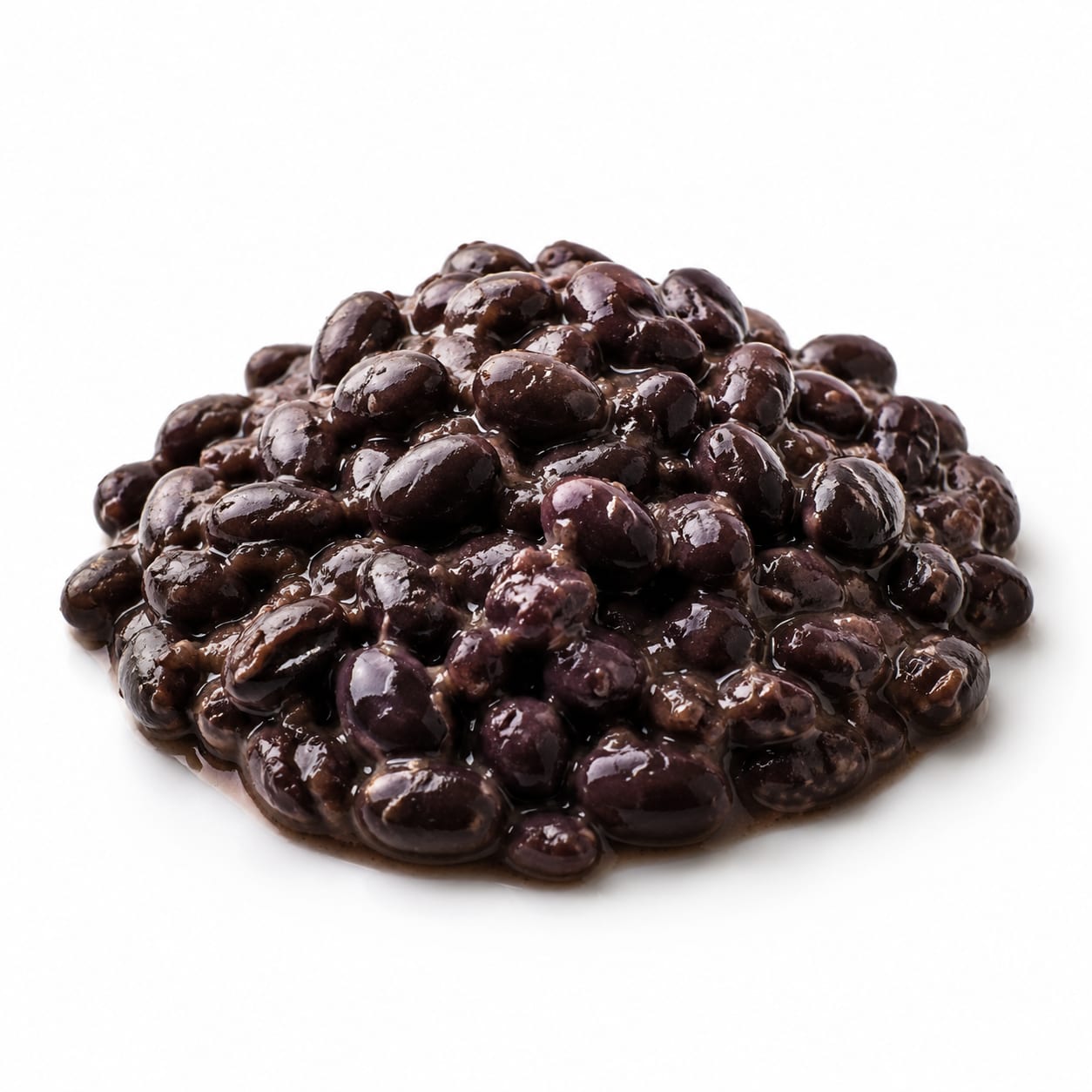
Black Bean
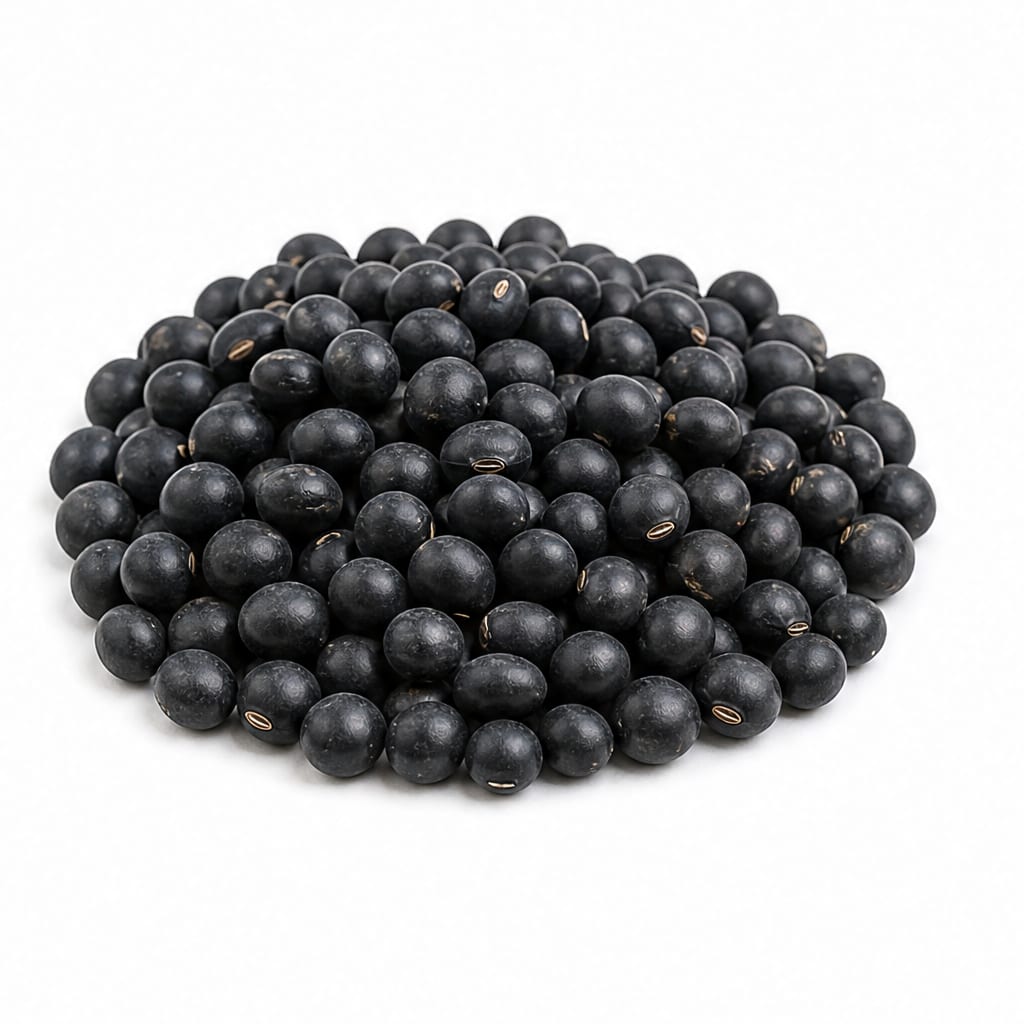
Black Soybeans
Black Soybeans win on protein and low-carb metrics, but Black Beans win on fiber, affordability, and everyday practicality.
Black Soybeans edge ahead nutritionally thanks to superior protein and minimal net carbs, but Black Beans stay competitive through fiber content, affordability, and broader suitability. The close scores reflect that most people would benefit from either, and the real deciding factor is dietary context.
You gain protein and slash carbs with Black Soybeans, but you pay more, find them less easily, and consume soy isoflavones that may not suit everyone.
At a glance
Executive summary
Overall
It depends
Healthier
It depends
More practical
Black Bean
Daily use
Black Bean
Key comparison lenses
low carb diet compatibility
Black Soybeans have dramatically fewer net carbs, making them a rare low-carb legume option
protein quality and amount
Both are plant protein staples but differ significantly in protein density and amino acid profile
glycemic impact and blood sugar
The carb difference makes this critical for diabetics and anyone managing blood sugar
hormonal effects of phytoestrogens
Black Soybeans contain isoflavones not present in Black Beans, raising legitimate questions about hormonal effects
everyday affordability and access
Black Beans are cheap and everywhere; Black Soybeans are specialty items with higher cost and limited availability
Best choice for
Black Bean
- Budget-conscious households wanting affordable plant protein
- People seeking maximum fiber for digestive health
- Anyone cooking Latin American or Caribbean cuisine regularly
- Those avoiding soy due to allergy or hormonal concerns
Black Soybeans
- Low-carb and keto dieters desperate for a bean that fits their macros
- People prioritizing higher protein intake from plant sources
- Diabetics needing tighter blood sugar control from legumes
- Those wanting omega-3 fatty acids from a plant source
Least suitable for
Black Bean
- Strict keto dieters who cannot afford the carb load
- People closely managing net carbs for blood sugar reasons
Black Soybeans
- Anyone with soy allergies or sensitivities
- People avoiding phytoestrogens due to hormone-sensitive conditions
- Shoppers on a tight budget who cannot justify the premium price
Deep comparison
Dimension by dimension
Each lens scores both foods and breaks down who each option suits.
- Dimension 1 · Priority 92Black Soybeans
Protein Content and Quality
Black Bean · 65Black Soybeans · 88Black Soybeans deliver roughly 35% more protein per serving with a more complete amino acid profile.
Tradeoff
That protein advantage comes with soy isoflavones, which some people prefer to limit.
Why it matters
If you rely on legumes as a primary protein source, the difference adds up fast over daily meals.
Real-world impact
A cup of Black Soybeans gets you noticeably closer to your protein target without needing a second source.
Black Bean
- People who spread protein across many foods and do not rely heavily on beans
Better for
- Those using beans as their main protein pillar may fall short
Worse for
Black Soybeans
- Vegans and vegetarians needing denser plant protein
- Athletes trying to hit higher protein numbers from whole foods
Better for
- Anyone avoiding soy protein for allergy or personal preference
Worse for
- Dimension 2 · Priority 95Black Soybeans
Net Carbohydrate Load
Black Bean · 35Black Soybeans · 90Black Soybeans contain roughly one-third the net carbs of Black Beans, making them uniquely low-carb for a legume.
Tradeoff
You sacrifice some of the fiber that helps Black Beans feel so filling and supports gut health.
Why it matters
This is the single biggest differentiator. Most beans are off-limits on low-carb diets, but Black Soybeans slide in under the wire.
Real-world impact
You can enjoy a hearty bean salad or chili on keto with Black Soybeans, while Black Beans would blow your carb budget.
Black Bean
- Endurance athletes who want sustained carb energy
- People who tolerate carbs well and prioritize fiber over carb restriction
Better for
- Low-carb eaters who miss beans but cannot fit the carbs
Worse for
Black Soybeans
- Keto and low-carb dieters
- Diabetics tracking glycemic load carefully
- Anyone trying to minimize insulin spikes after meals
Better for
- People who find very low-carb meals unsatisfying and need fiber bulk
Worse for
- Dimension 3 · Priority 82Black Bean
Fiber Content and Gut Health
Black Bean · 88Black Soybeans · 62Black Beans provide significantly more total fiber, especially soluble fiber that feeds beneficial gut bacteria.
Tradeoff
More fiber means more carbs overall, which is exactly the tension in this comparison.
Why it matters
Fiber is not just about digestion. It shapes your microbiome, cholesterol levels, and how full you feel after eating.
Real-world impact
A Black Bean burrito keeps you satisfied longer; a Black Soybean version may leave you hunting for a snack sooner.
Black Bean
- Anyone prioritizing digestive regularity
- People managing cholesterol through soluble fiber intake
Better for
- People with IBS who are sensitive to high fiber loads
Worse for
Black Soybeans
- Those getting plenty of fiber from other sources like vegetables and seeds
Better for
- Anyone relying on beans as their primary fiber source may come up short
Worse for
- Dimension 4 · Priority 70Black Soybeans
Fat Profile and Omega-3 Content
Black Bean · 30Black Soybeans · 82Black Soybeans contain meaningful amounts of fat including alpha-linolenic acid, a plant omega-3. Black Beans are nearly fat-free.
Tradeoff
More fat means more calories per serving, though the fat is predominantly healthy.
Why it matters
Most plant foods are poor omega-3 sources, so Black Soybeans offer a small but real advantage here.
Real-world impact
Adding Black Soybeans to a salad contributes healthy fats that help absorb fat-soluble vitamins from other ingredients.
Black Bean
- Those strictly limiting calorie density
- People already getting ample healthy fats from avocado, nuts, or olive oil
Better for
- People relying on beans as a standalone meal component may miss dietary fat
Worse for
Black Soybeans
- Vegans seeking more omega-3 sources beyond flax and walnuts
- Anyone wanting a more macronutrient-balanced single ingredient
Better for
- Those carefully tracking calorie intake who notice the higher energy density
Worse for
- Dimension 5 · Priority 76Black Bean
Phytoestrogen and Isoflavone Exposure
Black Bean · 85Black Soybeans · 45Black Beans are free of soy isoflavones, while Black Soybeans carry the same phytoestrogen profile as other soy foods.
Tradeoff
Isoflavones may offer bone and heart benefits for some people but raise concerns for others with hormone-sensitive conditions.
Why it matters
This is not a simple good-or-bad issue. It depends heavily on your health history, gender, and life stage.
Real-world impact
A woman with estrogen-receptor-positive breast cancer should discuss Black Soybeans with her oncologist. A postmenopausal woman might welcome the isoflavones.
Black Bean
- People with hormone-sensitive conditions who want to avoid phytoestrogens
- Anyone already consuming significant soy from other sources
- Those who prefer to keep their diet soy-free as a personal rule
Better for
- Those specifically seeking isoflavone benefits miss out
Worse for
Black Soybeans
- Postmenopausal women who may benefit from mild phytoestrogen intake
- People seeking the potential cardiovascular and bone benefits of isoflavones
Better for
- Individuals with a history of hormone-sensitive cancers
- Men with fertility concerns who limit soy intake
- People with thyroid conditions who are sensitive to soy goitrogens
Worse for
- Dimension 6 · Priority 75Black Bean
Affordability and Accessibility
Black Bean · 95Black Soybeans · 40Black Beans are one of the cheapest protein sources available at any grocery store. Black Soybeans are specialty items often requiring health food stores or online orders.
Tradeoff
Paying more for Black Soybeans may be worth it for low-carb dieters, but it limits how often you can realistically use them.
Why it matters
The best food for you is the one you can actually afford and find consistently.
Real-world impact
A family of four eating beans twice a week will feel the price difference sharply over a month.
Black Bean
- Budget-conscious families and students
- Anyone living in areas with limited access to specialty grocery stores
- Meal preppers buying in bulk
Better for
- No real downside here unless you specifically need a low-carb bean
Worse for
Black Soybeans
- Those with access to well-stocked Asian markets or online retailers
- People willing to pay a premium for specific dietary needs
Better for
- Rural shoppers who cannot find them locally
- Anyone who cannot justify spending 2-3 times more than conventional beans
Worse for
- Dimension 7 · Priority 68Black Bean
Culinary Versatility
Black Bean · 85Black Soybeans · 60Black Beans have a well-established culinary footprint across Latin American, Caribbean, and Southern U.S. cooking. Black Soybeans are less familiar and have fewer tested recipes.
Tradeoff
Black Soybeans work fine in most bean recipes but have a slightly different texture and milder flavor that may not satisfy every dish.
Why it matters
Food that fits seamlessly into your cooking routine gets eaten. Food that feels like a project often gets abandoned.
Real-world impact
Black Beans make a natural burrito filling, soup base, or dip. Black Soybeans can substitute but may feel less authentic in traditional recipes.
Black Bean
- Home cooks who follow Latin American recipes
- Anyone wanting a bean that holds its shape well in soups and stews
Better for
- No significant culinary downside
Worse for
Black Soybeans
- Adventurous cooks comfortable experimenting with substitutions
- People making keto-friendly versions of bean dishes
Better for
- Those expecting traditional bean flavor and texture may be disappointed
- Cooking times and methods may require adjustment compared to familiar beans
Worse for
Timeline
Health impact over time
Short-term
Hours to days
Black Bean
- High fiber provides lasting fullness and steady energy release
- May cause bloating or gas if you are not used to high-fiber foods
- Complex carbs fuel sustained physical activity without crashes
Black Soybeans
- Lower carb content reduces post-meal blood sugar spikes
- Higher fat and protein create a satisfying but different mouthfeel than typical beans
- Soy isoflavones are unlikely to cause noticeable short-term effects at normal serving sizes
Long-term
Months to years
Black Bean
- Consistent fiber intake supports cardiovascular health and healthy cholesterol levels
- Regular consumption linked to lower colorectal cancer risk in population studies
- Affordability makes long-term daily consumption realistic for most households
Black Soybeans
- Low net carb intake may support improved insulin sensitivity over time
- Isoflavone consumption associated with potential bone density preservation in older women
- Soy consumption correlates with lower heart disease risk in large population studies, though individual results vary
- Long-term soy intake may affect thyroid function in susceptible individuals, requiring monitoring
Risk profile
Safety & processing
Both foods are whole legumes with minimal processing when bought dried or canned. The main concern is canned versions, which may contain added sodium. Dried cooking eliminates this issue for both.
Black Bean
Phytic acid reducing mineral absorption
lowLike all beans, Black Beans contain phytic acid that can reduce iron and zinc absorption. Soaking and cooking significantly reduces this.
BPA exposure from canned varieties
mediumCanned Black Beans may expose you to BPA from can linings. Choosing dried beans or BPA-free cans mitigates this.
Lectin content from undercooking
mediumRaw or undercooked Black Beans contain lectins that can cause gastrointestinal distress. Thorough cooking eliminates this risk.
Black Soybeans
Soy allergen exposure
highSoy is one of the top eight allergens. Reactions can range from mild hives to anaphylaxis in sensitive individuals.
GMO crop concerns
mediumMost soy grown in the United States is genetically modified. Choosing organic Black Soybeans avoids this concern.
Goitrogenic compounds affecting thyroid
lowSoy contains goitrogens that may interfere with thyroid function in iodine-deficient individuals. Adequate iodine intake largely negates this.
Phytic acid reducing mineral absorption
lowSame as Black Beans. Soaking and cooking reduces phytic acid substantially.
Who wins for whom
Audience fit
Same foods, different winners depending on your goal.
children
Black BeanBlack Beans are allergen-safe, widely tolerated, and provide steady energy for growing bodies without soy exposure concerns.
daily consumption
Black BeanAffordability, accessibility, fiber content, and absence of soy concerns make Black Beans the more sustainable daily staple for most people.
diabetes
Black SoybeansDramatically lower net carbs and glycemic load make Black Soybeans significantly gentler on blood sugar.
elderly
It dependsBlack Beans support digestive health through fiber, while Black Soybeans may help preserve bone density through isoflavones. The better choice depends on individual health priorities.
muscle gain
Black SoybeansMore protein per serving and a better amino acid profile support muscle repair and growth more effectively.
weight loss
Black SoybeansFewer net carbs and higher protein create better satiety per calorie, making it easier to maintain a deficit without feeling deprived.
Your move
Decision guide
Choose Black Bean
- You want an affordable, fiber-rich staple you can eat daily without worry
- You are cooking traditional Latin American, Caribbean, or Southern dishes
- You avoid soy for any reason including allergy, hormonal concerns, or personal preference
- You feed children and want a safe, well-tolerated legume
- You are an endurance athlete who benefits from complex carbohydrate fuel
Choose Black Soybeans
- You are on a low-carb or keto diet and miss eating beans
- You are diabetic and need to minimize glycemic impact from legumes
- You want maximum plant protein per serving
- You are a postmenopausal woman seeking natural isoflavone intake
- You can find and afford them without inconvenience
Either works if
- You simply want a nutritious legume and have no specific dietary restrictions
- You are rotating protein sources for dietary diversity
- You are making a bean dip, chili, or salad where either works as an ingredient
Avoid both if
- You have a severe legume allergy
- You are in an acute flare of IBS and cannot tolerate high-fiber foods temporarily
- You are on a very strict elimination diet that excludes all beans
Final recommendation
Keep Black Beans as your everyday default for their fiber, price, and versatility. Add Black Soybeans when you need a low-carb bean option or want to boost protein without adding carbs. Think of Black Soybeans as a specialty tool and Black Beans as your reliable workhorse.
Practical
Consumer tips
- 1
Soak both beans overnight and discard the water to reduce phytic acid and improve digestibility
- 2
If buying canned, rinse thoroughly to remove roughly 40% of the sodium
- 3
Choose organic Black Soybeans to avoid GMO soy unless the label explicitly states non-GMO
- 4
If transitioning from Black Beans to Black Soybeans for low-carb purposes, start with half-and-half to let your digestive system adjust
- 5
Black Soybeans cook slightly faster than Black Beans, so check doneness earlier to avoid mushiness
- 6
Store both dried varieties in airtight containers in a cool, dark place for up to a year of shelf life