
Nutrition comparison
Black Beans vs Black-eyed Peas: Nutrition, Fiber, and Health Comparison
Black beans deliver nearly double the fiber and more antioxidants than black-eyed peas, but black-eyed peas offer more folate and faster cooking. Learn which legume fits your health goals.
Overall winner · Black Bean
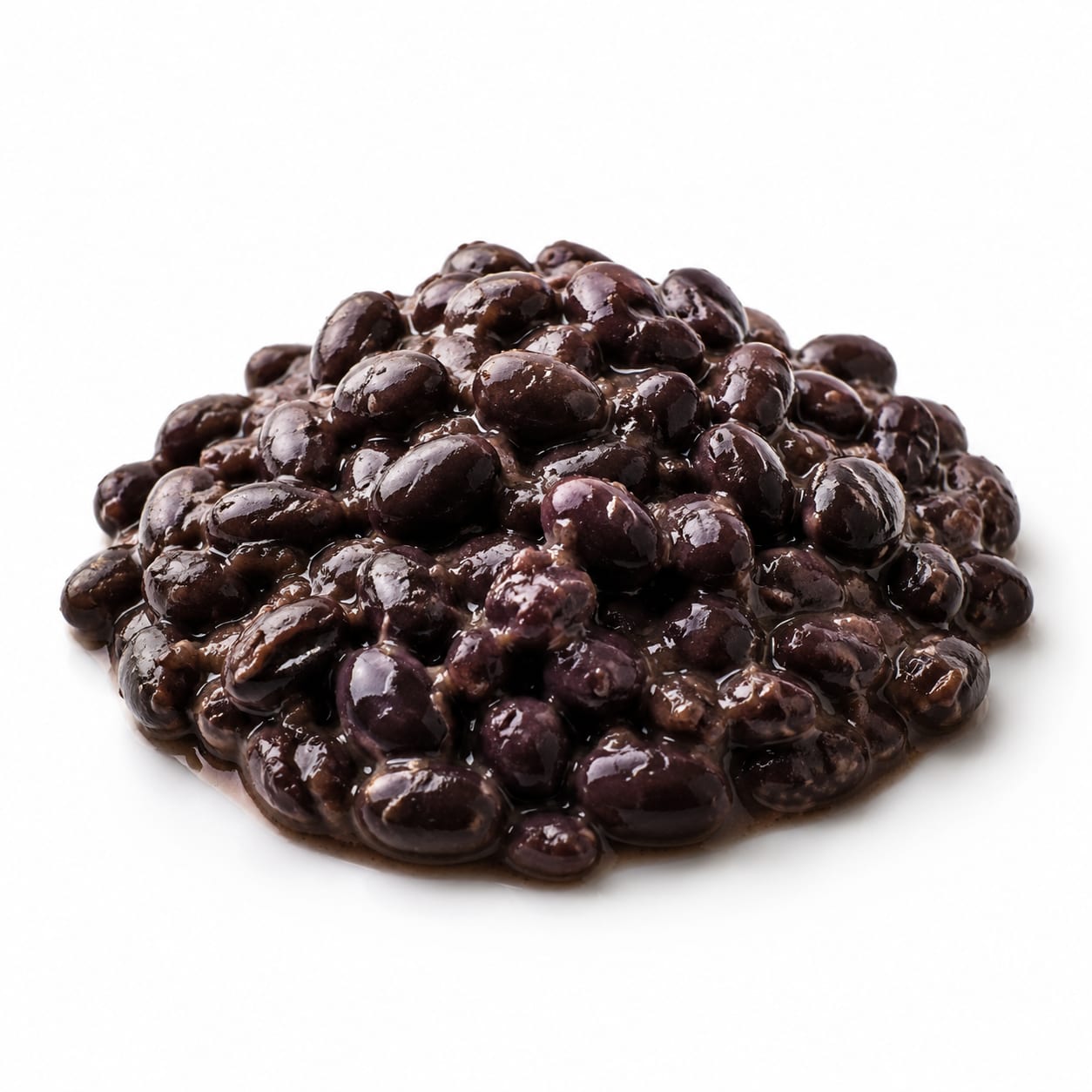
Black Bean
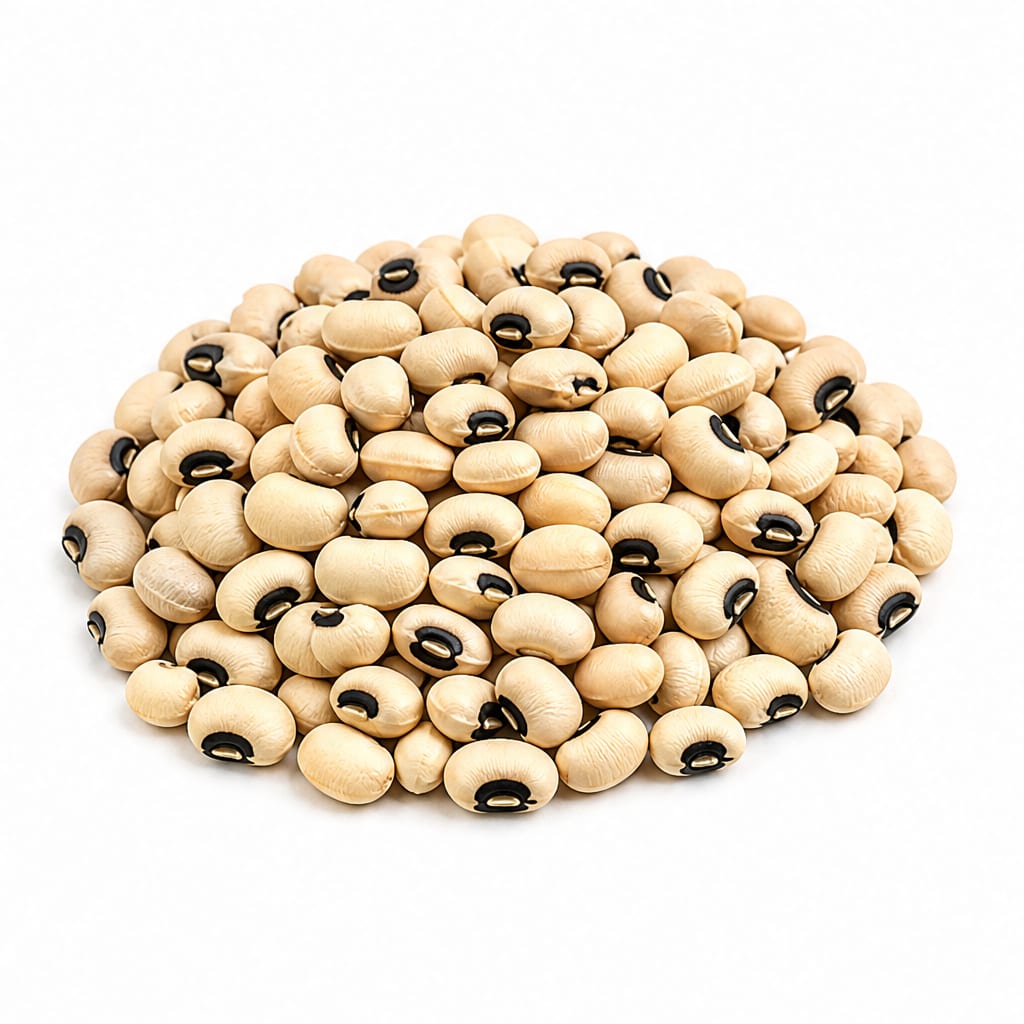
Black-eyed Peas
Black beans win on fiber, antioxidants, and blood sugar stability, while black-eyed peas offer more folate and faster cooking times.
Black beans score higher primarily due to their fiber advantage and antioxidant content, which compound into stronger metabolic and digestive benefits. Black-eyed peas remain nutritionally solid but lack the same depth in these key areas.
You trade digestive and metabolic benefits for convenience and prenatal nutrition depending on which legume you choose.
At a glance
Executive summary
Overall
Black Bean
Healthier
Black Bean
More practical
Black-eyed Peas
Daily use
Black Bean
Key comparison lenses
fiber and digestive health
Black beans deliver nearly double the fiber of black-eyed peas, making this the most nutritionally impactful difference between the two
blood sugar management
The fiber gap directly affects how steadily each legume releases energy, critical for diabetics and anyone avoiding afternoon crashes
folate and prenatal nutrition
Black-eyed peas are notably richer in folate, making them especially relevant for pregnant women or those planning conception
antioxidant density
The dark seed coat of black beans provides anthocyanins that black-eyed peas simply lack
cooking convenience
Black-eyed peas cook significantly faster, which matters for weeknight meals and meal prep decisions
Best choice for
Black Bean
- Blood sugar management and diabetes prevention
- Maximum satiety and appetite control
- Antioxidant and anti-inflammatory benefits
- Gut health and microbiome support
- Heart health and cholesterol management
Black-eyed Peas
- Prenatal nutrition and pregnancy support
- Quick weeknight meals and last-minute cooking
- Budget-friendly protein with faster prep
- Traditional Southern and West African dishes
- Those who find black beans harder to digest
Least suitable for
Black Bean
- People with severe digestive sensitivity to high-fiber foods
- Last-minute meals when you forgot to soak beans
- Those needing rapid folate intake during early pregnancy
Black-eyed Peas
- Strict blood sugar management requiring maximum fiber
- Those seeking the highest antioxidant density per calorie
- People wanting the most satiating option for weight loss
Deep comparison
Dimension by dimension
Each lens scores both foods and breaks down who each option suits.
- Dimension 1 · Priority 95Black Bean
Fiber and Digestive Health
Black Bean · 92Black-eyed Peas · 65Black beans deliver roughly 15g of fiber per cooked cup versus about 8g in black-eyed peas — nearly double the gut-supporting power.
Tradeoff
That extra fiber can cause bloating if your body is not used to it, while black-eyed peas are gentler on sensitive stomachs.
Why it matters
Fiber is the single most underconsumed nutrient in Western diets, affecting everything from digestion to heart health to blood sugar control.
Real-world impact
A black bean bowl keeps you full for hours; black-eyed peas may leave you reaching for a snack sooner.
Black Bean
- Gut microbiome diversity
- Cholesterol reduction
- Preventing constipation
Better for
- Can cause significant gas if introduced too quickly
Worse for
Black-eyed Peas
- Easier digestion for sensitive stomachs
- Less gas and bloating risk
Better for
- May not meet daily fiber needs on its own
Worse for
- Dimension 2 · Priority 90Black Bean
Blood Sugar Stability
Black Bean · 88Black-eyed Peas · 72Higher fiber in black beans slows glucose absorption more effectively, leading to steadier energy after meals.
Tradeoff
Black-eyed peas still beat most refined carbs, but the lower fiber means a slightly faster blood sugar rise.
Why it matters
Steady blood sugar prevents energy crashes, cravings, and long-term metabolic damage.
Real-world impact
After a black bean lunch, you are less likely to hit a 3pm slump. Black-eyed peas are still solid but require more pairing with vegetables or healthy fats for the same effect.
Black Bean
- Diabetes management and prevention
- Sustained energy without crashes
- Reduced insulin spikes
Better for
- Not a concern for blood sugar — this is a clear strength
Worse for
Black-eyed Peas
- Pre-workout meals where slightly faster energy is acceptable
Better for
- Less protective against blood sugar swings when eaten alone
Worse for
- Dimension 3 · Priority 85Black-eyed Peas
Folate and B Vitamins
Black Bean · 68Black-eyed Peas · 89Black-eyed peas provide roughly 358mcg of folate per cooked cup compared to about 256mcg in black beans — a meaningful advantage for cell repair and pregnancy.
Tradeoff
You gain prenatal nutrition but sacrifice the fiber and antioxidant benefits of black beans.
Why it matters
Folate is critical for DNA synthesis, neural tube development in early pregnancy, and cardiovascular health.
Real-world impact
For women trying to conceive or in early pregnancy, black-eyed peas are one of the best plant-based folate sources available.
Black Bean
- Still a respectable folate source for general health
Better for
- Less optimal for meeting elevated folate needs during pregnancy
Worse for
Black-eyed Peas
- Prenatal nutrition and early pregnancy support
- Cardiovascular protection through homocysteine regulation
- DNA repair and cell turnover
Better for
- Not a meaningful weakness for folate — this is their strength
Worse for
- Dimension 4 · Priority 80Black Bean
Antioxidant Density
Black Bean · 90Black-eyed Peas · 55The dark pigments in black bean skins contain anthocyanins — the same antioxidant family found in blueberries — that black-eyed peas largely lack.
Tradeoff
Black-eyed peas still offer some antioxidant activity from their phenolic compounds, but at noticeably lower levels.
Why it matters
Antioxidants combat chronic inflammation, which underlies heart disease, cancer, and aging.
Real-world impact
Regularly choosing black beans is like adding a serving of berries to your plate — invisible long-term protection you do not feel immediately.
Black Bean
- Anti-inflammatory protection
- Cellular defense against oxidative stress
- Potential cancer risk reduction
Better for
- Antioxidant benefits are cumulative and long-term, not immediately noticeable
Worse for
Black-eyed Peas
- Still provides baseline antioxidant activity from phenolic compounds
Better for
- Significantly less protection against chronic inflammation compared to black beans
Worse for
- Dimension 5 · Priority 75Black Bean
Protein Quality and Quantity
Black Bean · 78Black-eyed Peas · 72Black beans edge ahead with about 15g protein per cup versus 13g in black-eyed peas, though both are incomplete proteins needing grain pairing.
Tradeoff
The protein difference is modest and unlikely to matter unless legumes are your primary protein source.
Why it matters
Protein supports muscle maintenance, satiety, and metabolic health — especially on plant-forward diets.
Real-world impact
Neither legume alone is a complete protein solution. Pair either with rice, quinoa, or corn for the full amino acid profile.
Black Bean
- Slightly more protein per serving for muscle maintenance
- Better when legumes are a primary protein source
Better for
- Incomplete protein requiring complementary foods
Worse for
Black-eyed Peas
- Still a strong protein source, especially paired with grains
Better for
- Slightly less protein per calorie consumed
Worse for
- Dimension 6 · Priority 72Black-eyed Peas
Cooking Convenience
Black Bean · 55Black-eyed Peas · 82Black-eyed peas cook in 30-45 minutes without soaking, while black beans typically require overnight soaking plus 1-2 hours of cooking.
Tradeoff
You save significant time with black-eyed peas but miss out on the deeper nutritional profile of black beans.
Why it matters
Convenience often determines what actually makes it onto your plate, not theoretical nutrition superiority.
Real-world impact
Black-eyed peas are realistic for a Tuesday night dinner; black beans usually require planning ahead or using canned versions.
Black Bean
- Canned black beans close the convenience gap significantly
Better for
- Long soak and cook times discourage cooking from scratch
- More planning required for dried bean preparation
Worse for
Black-eyed Peas
- No soaking required — cook from dry in under an hour
- Better for spontaneous meal prep
- Faster stovetop cooking time
Better for
- Not a meaningful weakness for convenience — this is their strength
Worse for
- Dimension 7 · Priority 68It depends
Mineral Density
Black Bean · 80Black-eyed Peas · 78Black beans lead in iron and magnesium, while black-eyed peas offer more calcium and potassium — a near tie with different strengths.
Tradeoff
Your mineral priorities should depend on your personal deficiencies or dietary gaps.
Why it matters
Iron supports energy and oxygen transport; calcium strengthens bones; magnesium aids sleep and muscle recovery; potassium regulates blood pressure.
Real-world impact
If you are anemic or struggle with sleep, black beans are the better pick. If you need blood pressure support or bone density, black-eyed peas have the edge.
Black Bean
- Higher iron for energy and preventing anemia
- More magnesium for sleep, muscle recovery, and stress management
Better for
- Less calcium and potassium than black-eyed peas
Worse for
Black-eyed Peas
- More calcium for bone health
- More potassium for blood pressure regulation
Better for
- Less iron and magnesium than black beans
Worse for
Timeline
Health impact over time
Short-term
Hours to days
Black Bean
- High fiber provides lasting fullness and reduces between-meal snacking
- May cause gas and bloating if you increase intake too quickly
- Steadier energy after meals with less crash risk
Black-eyed Peas
- Gentler on digestion with lower fiber load
- Slightly faster energy availability due to lower fiber slowing absorption
- Quick-cooking nature makes healthy meals more accessible on busy days
Long-term
Months to years
Black Bean
- Superior gut microbiome support from high fiber feeding beneficial bacteria
- Stronger protection against type 2 diabetes through improved insulin sensitivity
- Anthocyanins may reduce chronic inflammation and associated disease risk
- Consistent fiber intake linked to lower colorectal cancer risk
Black-eyed Peas
- Excellent folate intake supports cardiovascular health and reduces stroke risk
- Potassium content contributes to long-term blood pressure management
- Adequate fiber still provides meaningful gut health benefits over time
- Calcium contribution supports sustained bone density
Risk profile
Safety & processing
Both black beans and black-eyed peas are whole, minimally processed foods in their dried form. Canned versions may contain added sodium, so rinse thoroughly or choose low-sodium options. Neither legume raises ultra-processing concerns.
Black Bean
Phytohaemagglutinin toxicity from undercooking
mediumBlack beans contain lectins that can cause nausea and vomiting if eaten raw or undercooked. Thorough cooking eliminates this risk entirely.
BPA exposure from canned varieties
lowSome canned black beans use BPA-lined cans. Choose BPA-free brands or cook from dried to avoid this concern.
Pesticide residue on conventionally grown beans
lowDried beans generally test low for pesticide residue. Organic options further reduce this minimal risk.
Black-eyed Peas
Phytohaemagglutinin toxicity from undercooking
lowBlack-eyed peas contain lower lectin levels than black beans, but thorough cooking is still recommended for safety.
BPA exposure from canned varieties
lowSame canned lining concern as black beans. Rinsing helps but does not eliminate BPA exposure from the can lining.
Sodium in canned versions
mediumCanned black-eyed peas often contain significant added sodium. Rinsing removes about 40% but not all of it.
Who wins for whom
Audience fit
Same foods, different winners depending on your goal.
children
Black-eyed PeasGentler on small digestive systems, faster to prepare for busy families, and milder flavor that kids often accept more readily.
daily consumption
Black BeanThe fiber, antioxidant, and blood sugar benefits of black beans compound meaningfully with daily intake, making them the stronger staple choice.
diabetes
Black BeanNearly double the fiber slows glucose absorption significantly, providing better post-meal blood sugar control.
elderly
It dependsBlack-eyed peas are easier to digest and provide folate and calcium for bone health, but black beans offer superior fiber for the constipation issues common in older adults.
muscle gain
Black BeanSlightly more protein per serving, though both require grain pairing for complete amino acid coverage.
weight loss
Black BeanHigher fiber and protein make black beans more satiating per calorie, reducing the urge to overeat later in the day.
Your move
Decision guide
Choose Black Bean
- You want maximum fiber for gut health and satiety
- Blood sugar management is a priority for you
- You value anti-inflammatory and antioxidant benefits
- You are comfortable meal planning with soaking or using canned beans
- Long-term metabolic health is your primary concern
Choose Black-eyed Peas
- You are pregnant or trying to conceive and need extra folate
- You want a healthy legume that cooks quickly on busy nights
- You find black beans cause uncomfortable bloating
- You need gentler fiber for a sensitive digestive system
- You are making traditional Southern, Caribbean, or West African recipes
Either works if
- You simply want a nutritious plant-based protein source
- You are building grain bowls, soups, or stews where either works
- You rotate between legumes for dietary variety
- You pair with rice or quinoa for complete protein
Avoid both if
- You have a diagnosed legume allergy
- You are on a very low-carb or ketogenic diet
- You have severe IBS and cannot tolerate any legumes even in small amounts
Final recommendation
Make black beans your default legume for their superior fiber, antioxidants, and blood sugar benefits. Keep black-eyed peas in your rotation for their folate, convenience, and digestive gentleness. The best approach is alternating between both — variety always beats relying on a single staple.
Practical
Consumer tips
- 1
Rinse canned beans thoroughly to remove about 40% of added sodium
- 2
If switching to black beans, increase portions gradually over two weeks to let your gut adjust to the higher fiber
- 3
Soak dried black beans overnight and discard the soaking water to reduce gas-causing compounds
- 4
Black-eyed peas do not require soaking — just rinse and cook for 30-45 minutes
- 5
Pair either legume with a grain like rice, quinoa, or corn to get all essential amino acids
- 6
Add a splash of vinegar or lemon juice near the end of cooking to improve mineral absorption
- 7
Freeze cooked beans in portioned bags for instant meal prep that rivals canned convenience
- 8
Choose dried beans over canned when you have time — lower sodium, no BPA concerns, and better texture