
Nutrition comparison
Black Bean vs Edamame: Nutrition, Protein, and Health Comparison
Comparing Black Beans and Edamame? Discover which legume is better for protein, fiber, weight loss, and muscle gain, plus the truth about GMOs and soy.
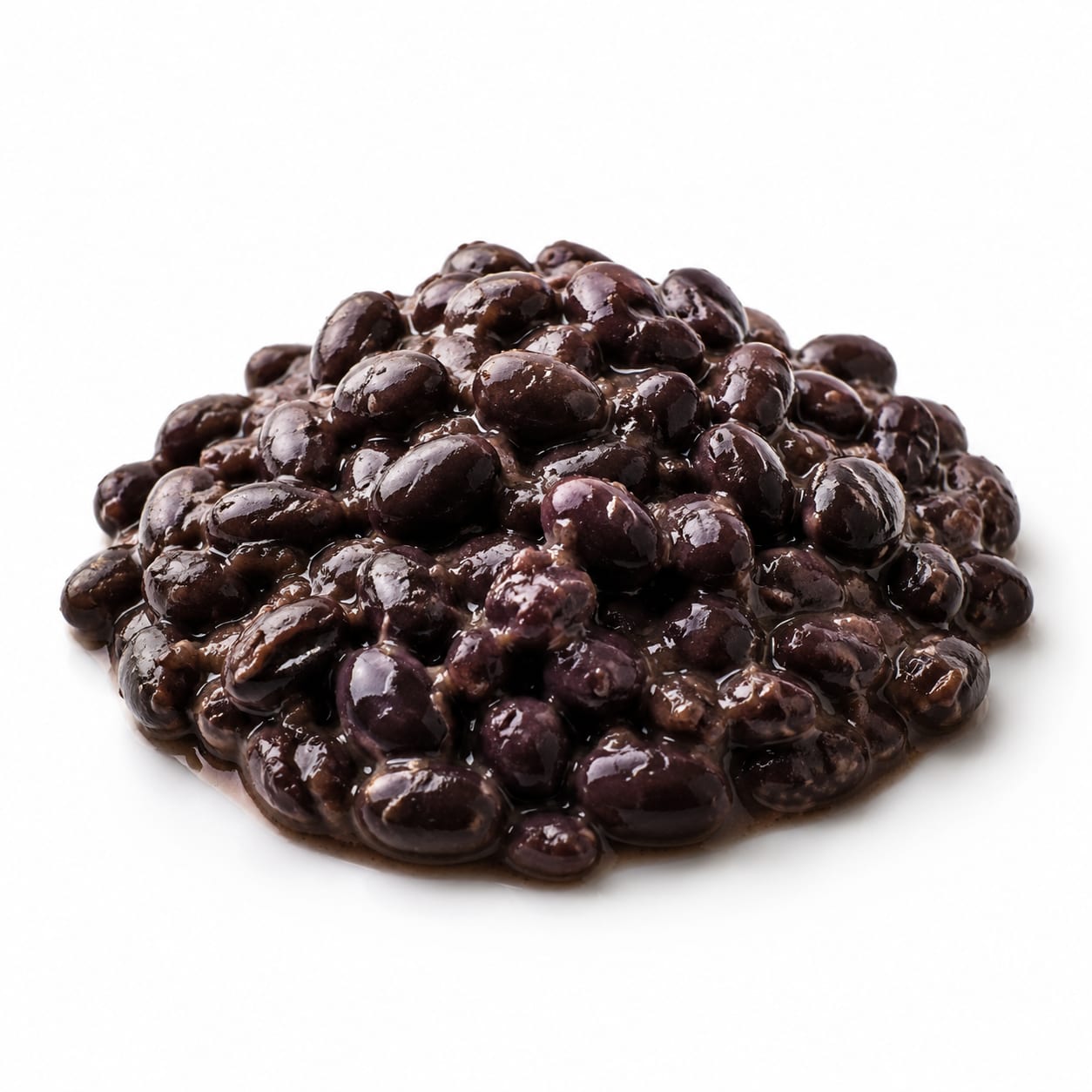
Black Bean
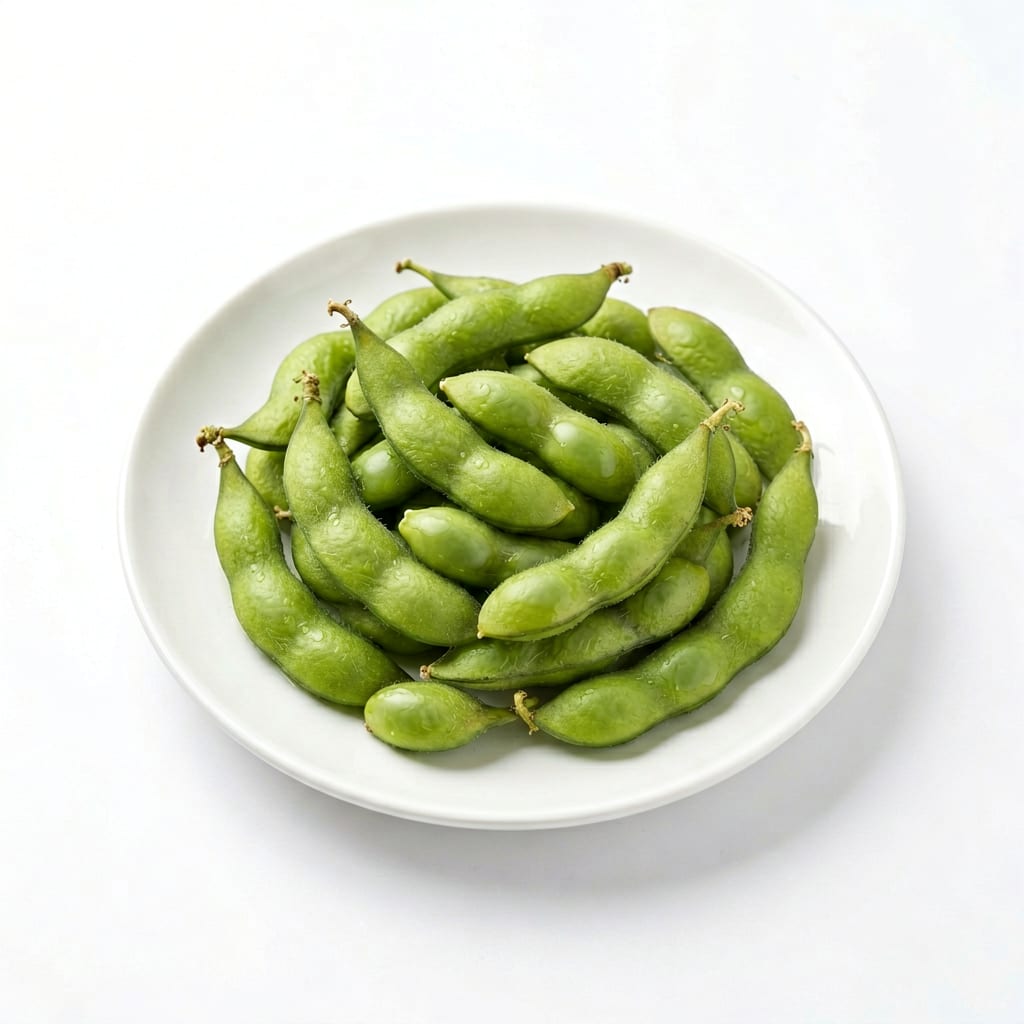
Edamame
Edamame wins for complete protein and healthy fats, while Black Beans dominate for fiber, iron, and budget-friendly meal prep.
Edamame edges ahead slightly due to its complete amino acid profile and healthy fats, but Black Beans remain an elite fiber source. The close scores reflect their different but equally valid nutritional strengths.
You trade the complete protein and healthy fats of Edamame for the superior fiber, lower calorie density, and lower cost of Black Beans.
At a glance
Executive summary
Overall
It depends
Healthier
It depends
More practical
Black Bean
Daily use
Black Bean
Key comparison lenses
Plant-based protein quality and completeness
Edamame is a rare complete plant protein, while Black Beans need pairing to provide all essential amino acids.
Fiber and digestive impact
Both are fiber powerhouses, but Black Beans offer significantly more fiber per serving, heavily influencing satiety and gut health.
Macronutrient split and calorie density
Edamame is higher in fat and lower in carbs, while Black Beans are virtually fat-free and carb-heavy, changing how they fit into different diets.
Soy vs. non-soy legume concerns
Edamame brings phytoestrogens and GMO considerations, whereas Black Beans avoid soy-specific controversies but contain more phytic acid.
Best choice for
Black Bean
- Budget-friendly meal prep
- Maximizing daily fiber intake
- Vegan burger and dip bases
- Managing blood sugar on a carb-inclusive diet
Edamame
- Post-workout plant-based recovery
- Low-carb or moderate-fat diets
- Quick, ready-to-eat snacking
- Women seeking phytoestrogen benefits during menopause
Least suitable for
Black Bean
- Those needing a standalone complete protein source
- Very low-carb diets like keto
- People highly sensitive to oligosaccharides (gas)
Edamame
- People with soy allergies or intolerances
- Those strictly avoiding GMOs (unless buying organic)
- Very low-fat diets
Deep comparison
Dimension by dimension
Each lens scores both foods and breaks down who each option suits.
- Dimension 1 · Priority 95Edamame
Protein Quality & Muscle Support
Black Bean · 70Edamame · 95Edamame provides all essential amino acids in ideal ratios, making it a standalone muscle-builder. Black Beans lack methionine and need grains to complete the profile.
Tradeoff
You get a highly usable, complete protein in Edamame, whereas Black Beans require food combining to achieve the same muscle-supporting effect.
Why it matters
If you rely heavily on plants for protein, complete sources simplify meal planning and ensure better muscle repair.
Real-world impact
Eating Edamame after a workout gives your muscles exactly what they need to recover. Eating Black Beans alone leaves a gap that your body must fill from other meals.
Black Bean
- Pairing with rice for a cheap, complete protein meal
Better for
- Being eaten alone as your sole protein source for a meal
Worse for
Edamame
- Standalone post-workout recovery
- Simplified vegan meal prep without needing to combine proteins
Better for
- Those with soy allergies who need an alternative
Worse for
- Dimension 2 · Priority 90Black Bean
Fiber & Digestive Health
Black Bean · 95Edamame · 75Black Beans are a fiber powerhouse, offering nearly double the fiber per serving compared to Edamame. This makes them superior for gut health and fullness.
Tradeoff
Black Beans deliver massive soluble fiber for steady digestion, while Edamame's lower fiber means less bloating potential but less gut-feeding bulk.
Why it matters
High soluble fiber feeds beneficial gut bacteria and slows sugar absorption, which is crucial for long-term metabolic health.
Real-world impact
A bowl of Black Beans keeps you full for hours and stabilizes your blood sugar. Edamame is satisfying but digests faster due to the lower fiber and higher fat content.
Black Bean
- Combating constipation
- Feeding gut microbiome
- Staying full longer on fewer calories
Better for
- Causing uncomfortable gas if you eat a large portion without adjusting slowly
Worse for
Edamame
- Those with sensitive digestion who get too gassy from high-fiber beans
Better for
- Falling short of daily fiber goals if relied on as your main vegetable
Worse for
- Dimension 3 · Priority 85It depends
Calorie Density & Macronutrient Split
Black Bean · 82Edamame · 80Black Beans are carb-heavy and virtually fat-free, while Edamame offers a balanced mix of protein, fat, and carbs. Black Beans have a lower calorie density per volume.
Tradeoff
Black Beans let you eat a larger volume for fewer calories, while Edamame provides dietary fat essential for hormone production and nutrient absorption.
Why it matters
Your macronutrient needs dictate which fits better. Low-fat dieters lean toward Black Beans, while balanced or low-carb eaters prefer Edamame.
Real-world impact
If you want a massive, filling salad without blowing your calorie budget, Black Beans are the better base. If you need a satisfying, low-carb snack, Edamame wins.
Black Bean
- High-volume, low-calorie meals
- High-carb diets for athletes
Better for
- Keto or very low-carb diets
Worse for
Edamame
- Low-carb or moderate-fat diets
- Balanced macronutrient snacking
Better for
- Very low-fat diets
Worse for
- Dimension 4 · Priority 75It depends
Hormonal & Phytoestrogen Impact
Black Bean · 70Edamame · 80Edamame contains isoflavones, which mimic estrogen and can ease menopause symptoms. Black Beans are hormonally neutral but contain phytic acid that can block mineral absorption.
Tradeoff
Edamame offers potential hormonal benefits but carries soy controversies, while Black Beans avoid soy concerns but require proper preparation to unlock their minerals.
Why it matters
For women in midlife, soy isoflavones can be a game-changer. For others, avoiding excess phytoestrogens or nutrient blockers might be the priority.
Real-world impact
Eating Edamame daily might help with hot flashes and bone density. Eating properly soaked Black Beans avoids hormone interference while maximizing iron absorption.
Black Bean
- Those avoiding soy for hormone-sensitive conditions
- Men wanting to avoid excess phytoestrogens
Better for
- Mineral absorption if eaten straight from a can without rinsing or cooking properly
Worse for
Edamame
- Women experiencing perimenopause or menopause symptoms
- Those looking to support bone health naturally
Better for
- People with a history of hormone-sensitive cancers (unless cleared by a doctor)
Worse for
- Dimension 5 · Priority 70Black Bean
Sourcing & Contamination Concerns
Black Bean · 88Edamame · 65Most US-grown soy is genetically modified and heavily pesticide-sprayed, making organic Edamame a must for many. Black Beans are rarely GMO and generally carry fewer pesticide residues.
Tradeoff
Black Beans offer peace of mind with minimal sourcing worries, while Edamame requires diligence and higher cost to ensure organic, non-GMO status.
Why it matters
Pesticide exposure and GMO consumption are valid long-term health concerns, especially for foods eaten daily.
Real-world impact
You can buy conventional Black Beans with confidence. With Edamame, skipping the organic label means you are almost certainly eating GMO soy treated with glyphosate.
Black Bean
- Budget shoppers who don't want to pay organic premiums
- Worry-free conventional buying
Better for
- BPA exposure if exclusively buying canned beans without checking labels
Worse for
Edamame
- Those willing to pay for organic to ensure a clean, sustainable snack
Better for
- High pesticide and GMO exposure if buying conventional
Worse for
Timeline
Health impact over time
Short-term
Hours to days
Black Bean
- Highly filling due to dense fiber, reducing snacking urges
- Can cause noticeable gas and bloating if you increase intake too quickly
- Provides steady, slow-burning energy without a crash
Edamame
- Quickly satisfying as a snack due to protein and fat content
- Easier on the stomach for most people than higher-fiber beans
- Mildly energizing without feeling heavy
Long-term
Months to years
Black Bean
- Excellent for heart health by lowering cholesterol via soluble fiber
- Supports healthy blood sugar regulation and diabetes prevention
- Promotes a diverse, robust gut microbiome
Edamame
- Supports muscle maintenance and prevents age-related muscle loss
- May reduce menopause symptoms and support bone density
- Associated with lower breast cancer recurrence in moderate consumption
Risk profile
Safety & processing
Both are whole foods in their natural state. Canned Black Beans may contain added salt, and frozen Edamame may be blanched, but neither is inherently ultra-processed.
Black Bean
Phytic acid interference
lowBlocks absorption of iron and zinc. Mitigated by soaking dried beans or rinsing canned beans thoroughly.
BPA from can linings
mediumCommon in canned beans. Look for BPA-free cans or use dried beans to avoid entirely.
Edamame
GMO and pesticide exposure
highOver 90% of US soy is GMO and sprayed with glyphosate. Always choose organic Edamame to avoid this.
Soy allergy
mediumSoy is a top 8 allergen. Reactions can range from mild hives to severe anaphylaxis.
Goitrogenic effect
lowSoy can interfere with thyroid function, but primarily in people with existing iodine deficiency.
Who wins for whom
Audience fit
Same foods, different winners depending on your goal.
children
EdamameEdamame is a fun, easy-to-eat snack that provides complete protein and healthy fats crucial for growing bodies, assuming no soy allergy.
daily consumption
Black BeanBlack Beans are cheaper, easier to source cleanly, and their high fiber is beneficial on a daily basis, whereas daily soy consumption requires more careful organic sourcing and moderation.
diabetes
Black BeanThe exceptionally high soluble fiber in Black Beans slows glucose absorption better than the higher-fat, lower-fiber profile of Edamame.
elderly
EdamameOlder adults need high-quality protein to prevent sarcopenia, and Edamame is easier to chew and digest than dense, fibrous Black Beans.
muscle gain
EdamameEdamame provides a complete protein with all essential amino acids, making it far superior for muscle repair and growth.
weight loss
Black BeanBlack Beans offer more fiber and fewer calories per cup, allowing you to eat a larger volume of food while staying in a deficit.
Your move
Decision guide
Choose Black Bean
- You want the most filling, high-fiber base for your meals
- You are on a tight budget and need cheap, lasting nutrition
- You are meal-prepping bowls, burritos, or soups for the week
- You prefer to avoid soy entirely
Choose Edamame
- You need a grab-and-go, complete protein snack
- You are focusing on muscle recovery or building
- You follow a lower-carb or moderate-fat eating style
- You want the specific hormonal and bone benefits of soy isoflavones
Either works if
- You just need a nutritious plant-based side dish
- You are rotating through a variety of legumes for gut diversity
Avoid both if
- You have severe digestive issues like IBS that cannot tolerate oligosaccharides or fermentable fibers
- You have a specific soy allergy (for Edamame) or legume intolerance
Final recommendation
Keep both in your rotation. Use Black Beans as your high-fiber, budget-friendly meal base, and rely on Edamame for quick snacking and post-workout protein. If you must choose one for daily use, Black Beans offer more consistent satiety and easier sourcing, provided you pair them with a grain for complete protein.
Practical
Consumer tips
- 1
Always buy organic Edamame to avoid GMOs and heavy pesticide residues.
- 2
Rinse canned Black Beans thoroughly under cold water to remove up to 40% of the sodium and reduce gas-causing compounds.
- 3
Soak dried Black Beans overnight and discard the water to drastically reduce oligosaccharides and phytic acid.
- 4
Keep a bag of frozen shelled Edamame in your freezer for a protein boost that takes just 3 minutes in the microwave.
- 5
If using Black Beans as your main protein, pair them with rice, quinoa, or corn to create a complete amino acid profile.