
Nutrition comparison
Black Bean vs Brown Rice: Which is Healthier?
Compare black beans vs brown rice for protein, blood sugar impact, and arsenic risk. Find out which is better for weight loss, diabetes, and daily eating.
Overall winner · Black Bean
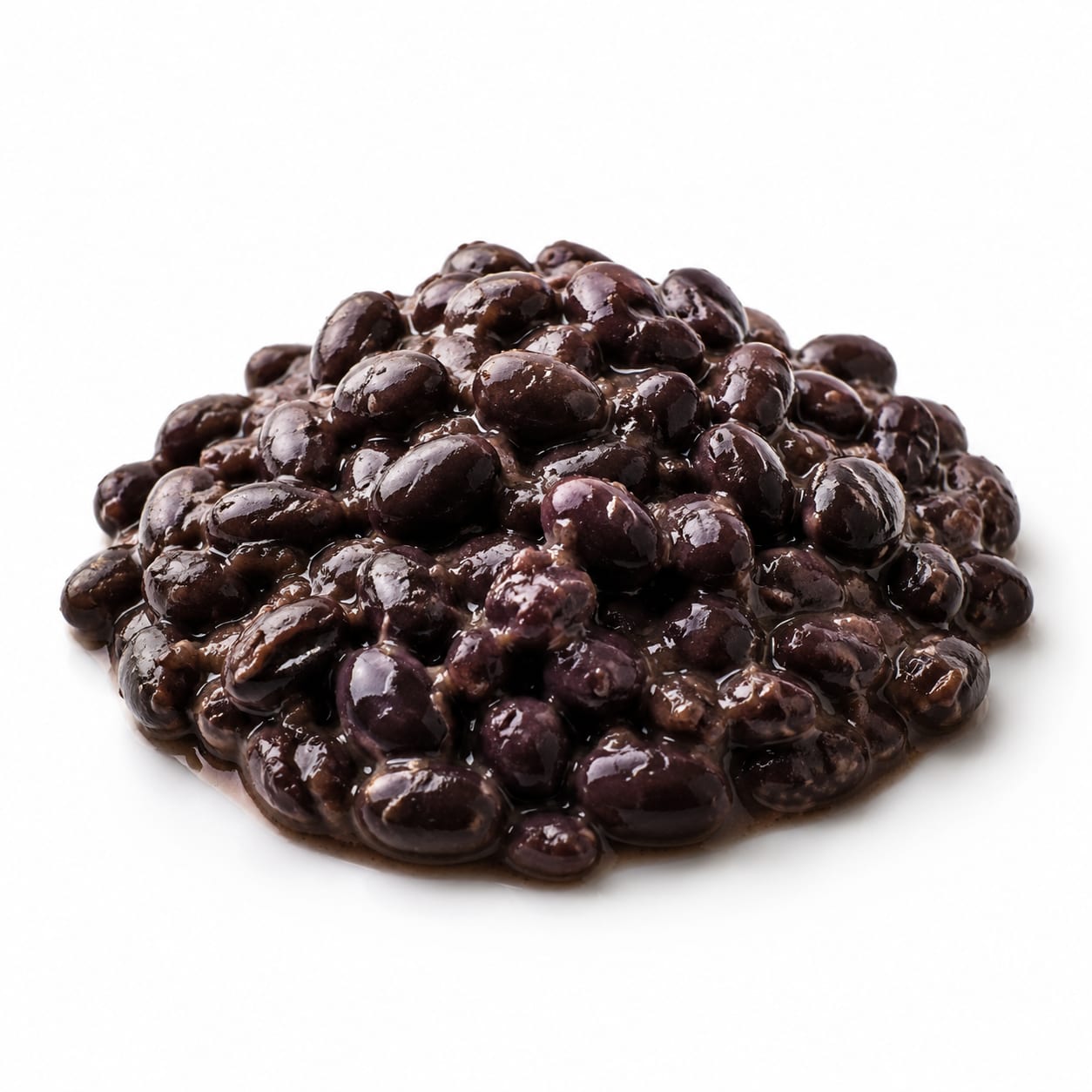
Black Bean
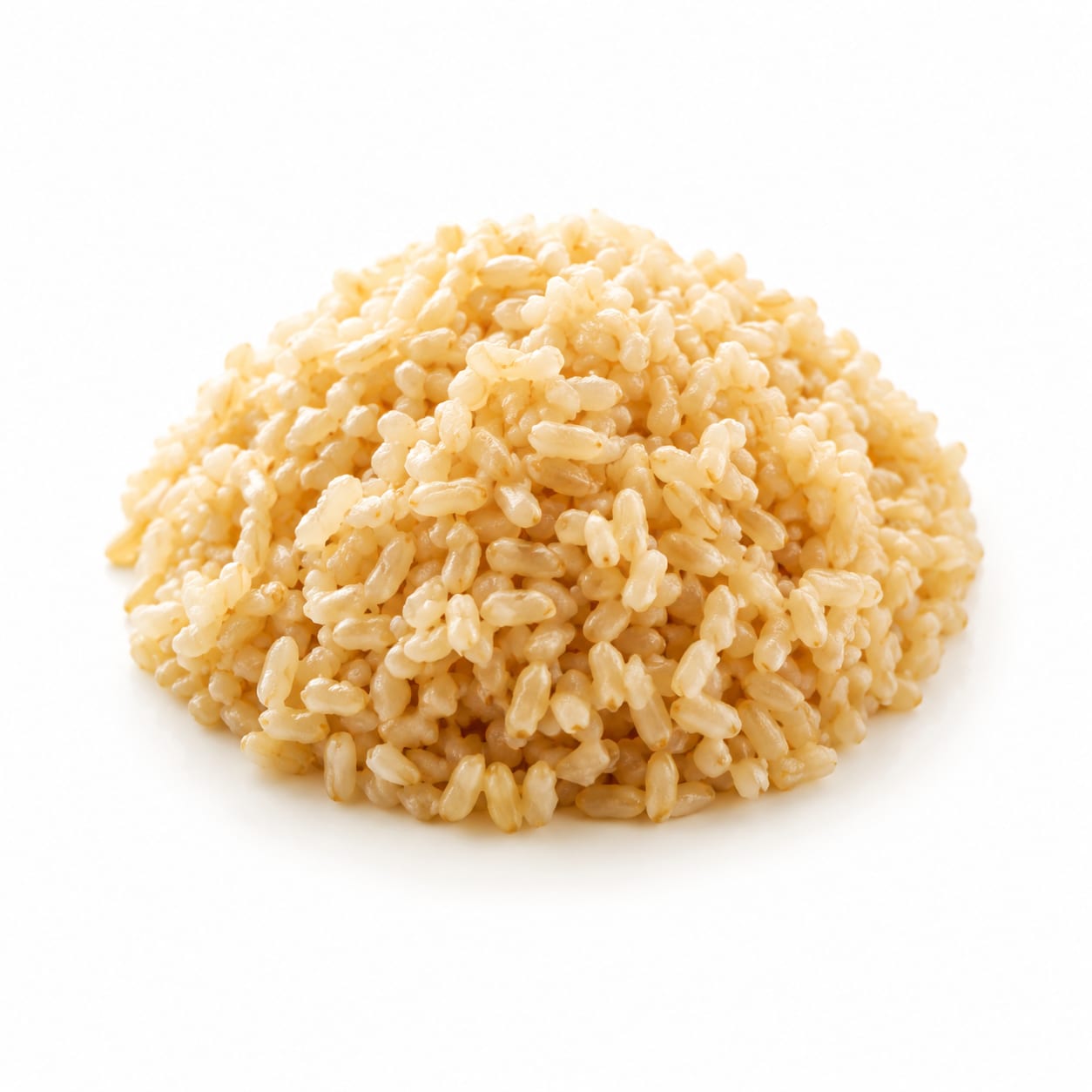
Brown Rice
Black beans are nutritionally superior for most people, offering far more protein, better blood sugar control, and no heavy metal concerns.
Black beans score higher due to superior protein content, better blood sugar stabilization, and the absence of heavy metal contamination concerns present in brown rice.
You trade the gentle, quick-digesting energy of brown rice for the dense protein, fiber, and long-lasting satiety of black beans.
At a glance
Executive summary
Overall
Black Bean
Healthier
Black Bean
More practical
It depends
Daily use
Black Bean
Key comparison lenses
Blood sugar management
Black beans are extremely low glycemic, while brown rice can spike blood sugar more than people realize.
Plant-based protein quality
Black beans offer substantially more protein per serving, a key factor for vegetarians and vegans.
Heavy metal exposure
Brown rice is a known source of dietary arsenic, which changes the risk profile for daily consumption.
Digestive tolerance
Black beans can cause bloating for some, whereas brown rice is generally soothing and easy to digest.
Athletic carb fueling
Brown rice provides easily accessible carbohydrates for energy replenishment after exercise.
Best choice for
Black Bean
- People managing diabetes or blood sugar spikes
- Plant-based eaters needing more protein
- Those concerned about arsenic in grains
Brown Rice
- Athletes needing quick carb replenishment
- People with sensitive stomachs or IBS
- Those needing a mild, easy-to-digest meal base
Least suitable for
Black Bean
- People with severe bloating or FODMAP sensitivities
- Those needing immediate post-workout carb absorption
Brown Rice
- People trying to lower their carbohydrate intake
- Those at risk of heavy metal exposure from daily rice consumption
Deep comparison
Dimension by dimension
Each lens scores both foods and breaks down who each option suits.
- Dimension 1 · Priority 95Black Bean
Blood Sugar Stability
Black Bean · 92Brown Rice · 60Black beans keep blood sugar far steadier than brown rice.
Tradeoff
You get more stable energy with black beans, but brown rice provides faster fuel for intense activity.
Why it matters
Preventing blood sugar spikes reduces afternoon crashes and long-term diabetes risk.
Real-world impact
Eating black beans leaves you satisfied and focused, while brown rice might leave you hungry again sooner.
Black Bean
- Diabetics
- People avoiding energy crashes
Better for
- Those needing immediate post-workout carb absorption
Worse for
Brown Rice
- Athletes needing quick glycogen replenishment
Better for
- People with insulin resistance
Worse for
- Dimension 2 · Priority 90Black Bean
Protein & Satiety
Black Bean · 95Brown Rice · 45Black beans are a protein powerhouse compared to brown rice.
Tradeoff
Black beans keep you full for hours, but they feel heavier in the stomach than a light rice bowl.
Why it matters
Higher protein and fiber naturally reduce overall calorie intake by killing cravings.
Real-world impact
A black bean lunch will easily carry you to dinner, while a brown rice lunch might have you reaching for a snack by 3 PM.
Black Bean
- Weight loss seekers
- Plant-based dieters
Better for
- People who feel sluggish after heavy meals
Worse for
Brown Rice
- Those who prefer eating smaller, lighter meals
Better for
- Anyone needing sustained fullness from a single dish
Worse for
- Dimension 3 · Priority 85Black Bean
Heavy Metal & Contamination Risk
Black Bean · 90Brown Rice · 50Brown rice naturally accumulates arsenic from soil, while black beans do not.
Tradeoff
Choosing beans over rice removes arsenic anxiety, but requires more prep time to cook from scratch.
Why it matters
Long-term arsenic exposure is linked to heart disease and certain cancers.
Real-world impact
Eating brown rice daily can become a hidden health risk, whereas black beans are safe to eat every day.
Black Bean
- Daily staple eaters
- Children and pregnant women
Better for
- Those who rely on quick-cooking staples
Worse for
Brown Rice
- Occasional eaters with low overall rice intake
Better for
- Anyone eating rice multiple times a day
Worse for
- Dimension 4 · Priority 80Brown Rice
Digestive Comfort
Black Bean · 55Brown Rice · 88Brown rice is gentle and easy on the gut, while black beans can cause gas and bloating.
Tradeoff
Brown rice is soothing for upset stomachs, but lacks the fiber diversity that feeds a healthy gut microbiome long-term.
Why it matters
Daily comfort matters, but so does feeding the good bacteria in your gut.
Real-world impact
If your stomach is sensitive, a bowl of brown rice feels comforting; a bowl of black beans might feel punishing.
Black Bean
- People with healthy, adaptable digestion
Better for
- People unaccustomed to high fiber
Worse for
Brown Rice
- Those with IBS or sensitive stomachs
- People recovering from stomach illness
Better for
- Those needing massive fiber intake for gut health
Worse for
- Dimension 5 · Priority 70Brown Rice
Energy & Carb Fueling
Black Bean · 65Brown Rice · 85Brown rice delivers carbohydrates more efficiently for physical energy.
Tradeoff
Brown rice fuels your workouts better, but lacks the protein to rebuild your muscles afterward.
Why it matters
Active bodies need accessible carbs to restore glycogen after burning calories.
Real-world impact
After a long run, brown rice feels restorative, while black beans feel like they are sitting heavy without refueling you.
Black Bean
- Sedentary office workers
Better for
- Carb-depleted athletes needing quick recovery
Worse for
Brown Rice
- Endurance athletes
- Highly active individuals
Better for
- People trying to restrict carbohydrates
Worse for
Timeline
Health impact over time
Short-term
Hours to days
Black Bean
- Highly filling, reduces snacking urges
- May cause gas or bloating if not accustomed to high fiber
Brown Rice
- Provides comfortable, easy-to-digest energy
- Less satiating, might lead to earlier hunger
Long-term
Months to years
Black Bean
- Supports heart health and healthy weight maintenance
- Lowers risk of type 2 diabetes through improved insulin sensitivity
Brown Rice
- Provides whole-grain benefits for cardiovascular health
- Daily consumption may increase inorganic arsenic exposure
Risk profile
Safety & processing
Both are whole, minimally processed foods with no artificial additives, making them clean staples for any diet.
Black Bean
Undercooked lectins
mediumRaw or undercooked black beans contain phytohaemagglutinin, which can cause nausea and vomiting. Always boil thoroughly.
Brown Rice
Arsenic contamination
mediumBrown rice tends to accumulate inorganic arsenic from soil and water more than other crops, posing a risk with heavy daily consumption.
Who wins for whom
Audience fit
Same foods, different winners depending on your goal.
children
Black BeanBlack beans provide essential growth nutrients like iron and folate without the arsenic risk associated with brown rice.
daily consumption
Black BeanDaily brown rice consumption can lead to heavy metal accumulation, while black beans are safe to eat every day.
diabetes
Black BeanThe low glycemic index and high fiber of black beans prevent dangerous blood sugar spikes.
elderly
Brown RiceBrown rice is softer, easier to chew, and gentler on aging digestive systems.
muscle gain
Black BeanBlack beans offer significantly more protein per calorie, which is essential for muscle repair and growth.
weight loss
Black BeanHigher protein and fiber in black beans create a much stronger feeling of fullness, naturally reducing overall calorie intake.
Your move
Decision guide
Choose Black Bean
- You want to stay full longer between meals
- You are managing blood sugar or diabetes
- You need more plant-based protein in your diet
- You eat rice daily and want to avoid arsenic exposure
Choose Brown Rice
- You need easily digestible carbs after a tough workout
- You have a sensitive stomach or IBS and struggle with beans
- You need a neutral carb base to pair with rich sauces
Either works if
- You want a wholesome, minimally processed carb source
- You are building a balanced grain-and-legume bowl
Avoid both if
- You are on a strict ketogenic or very low-carb diet
Final recommendation
Black beans are the stronger nutritional choice for everyday health, offering more protein, better blood sugar control, and freedom from arsenic concerns. However, brown rice remains an excellent, gentle carb source for active days or sensitive stomachs. For the best of both worlds, pair them together to create a complete protein.
Practical
Consumer tips
- 1
Rinse brown rice and cook it in a 6:1 water ratio, draining the excess water like pasta, to reduce arsenic levels by up to 50%.
- 2
Soak black beans overnight and rinse well before cooking to reduce gas-causing compounds and improve digestibility.
- 3
Combine black beans and brown rice in a single meal to get a full spectrum of amino acids and balanced energy.