
Nutrition comparison
Bison vs Turkey: Which Lean Protein is Better?
Compare Bison and Turkey to find out which lean meat is better for weight loss, muscle gain, and daily nutrition. Discover the pros and cons of each.
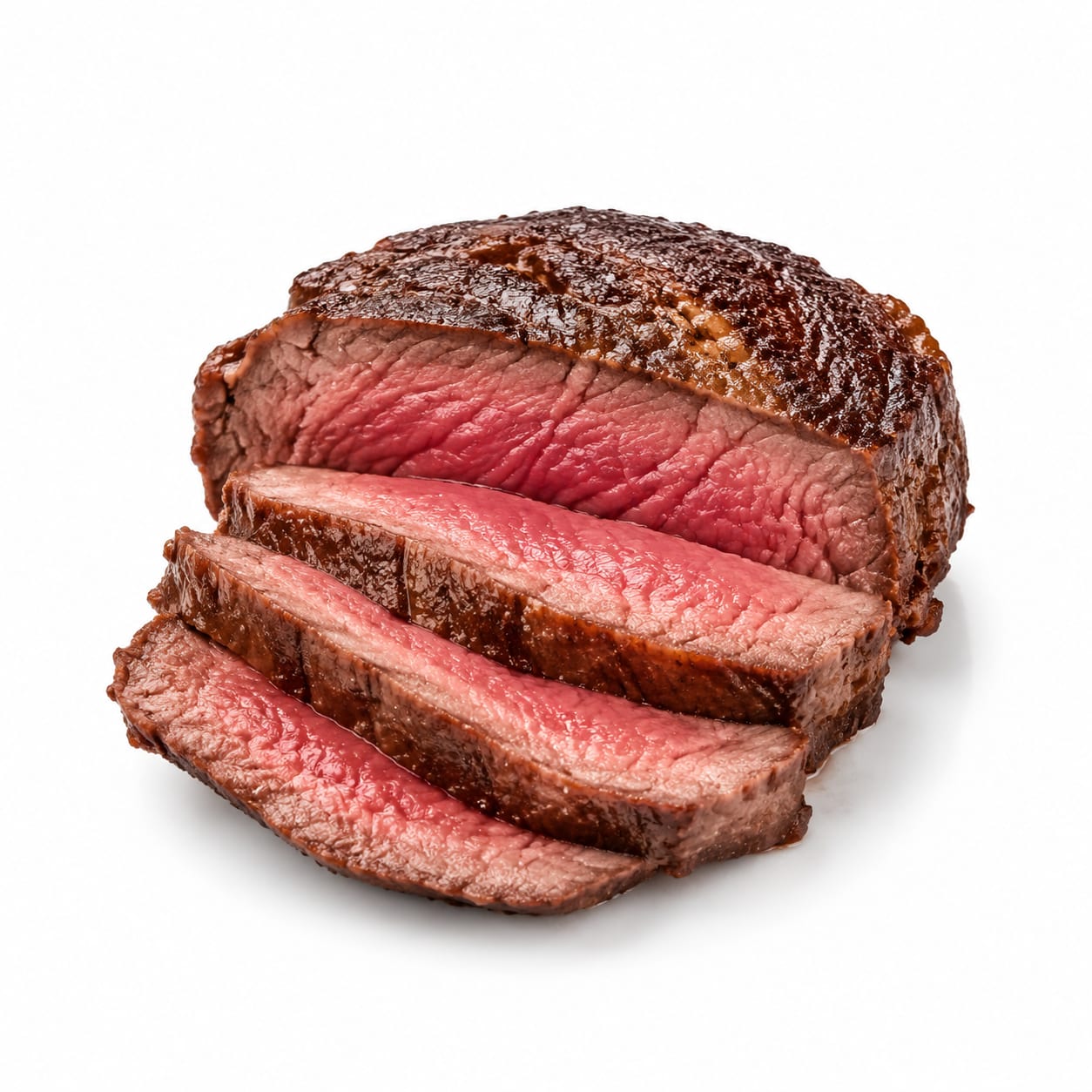
Bison
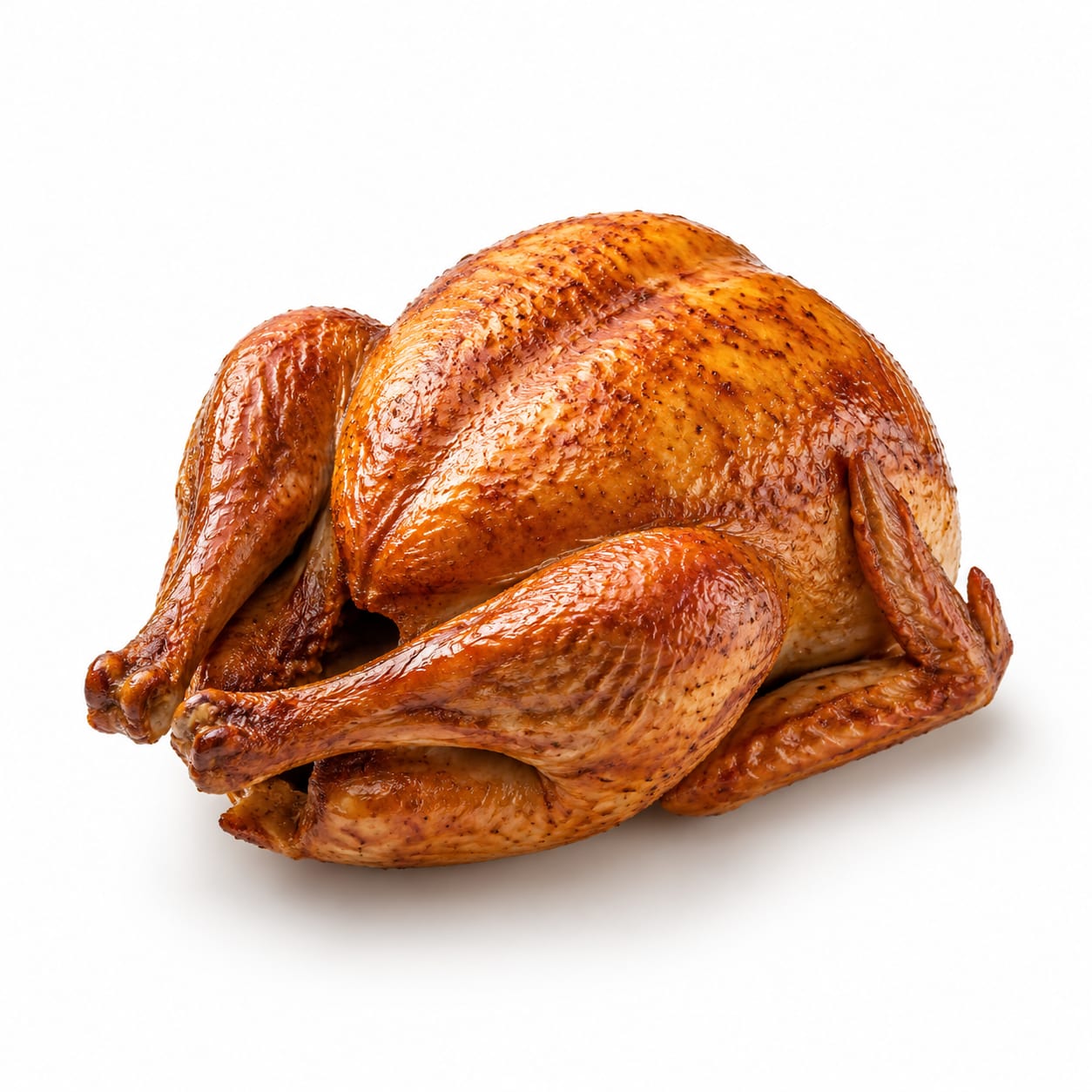
Turkey
Bison delivers a richer micronutrient profile and deeper flavor, while Turkey offers unbeatable convenience and affordability for everyday meals.
Bison edges out Turkey slightly on nutrient density and satiety, but Turkey's massive practicality and cost advantage keeps it highly competitive.
Nutrient density and taste versus cost and everyday practicality.
At a glance
Executive summary
Overall
It depends
Healthier
Bison
More practical
Turkey
Daily use
Turkey
Key comparison lenses
Lean protein source selection for muscle and weight management
Both are top-tier lean proteins, so users want to know which offers better results for body composition.
Micronutrient density and fatigue prevention
Bison is famous for iron and B12, which are common deficiencies, especially for those avoiding red meat.
Budget and everyday practicality
Turkey is a staple affordable meat, while Bison is a premium option, making cost a major deciding factor.
Culinary satisfaction and flavor
Bison offers a rich, beef-like experience, whereas Turkey can be dry or bland if not cooked carefully.
Best choice for
Bison
- Athletes needing high iron and B12
- People prone to fatigue or anemia
- Those craving red meat without the high saturated fat
Turkey
- Budget-conscious families
- Meal preppers needing versatile lean protein
- People seeking a mild, everyday staple meat
Least suitable for
Bison
- Tight grocery budgets
- Quick meals requiring fast cooking times
Turkey
- Those needing a robust iron boost
- People wanting a rich, satisfying burger experience
Deep comparison
Dimension by dimension
Each lens scores both foods and breaks down who each option suits.
- Dimension 1 · Priority 95Bison
Protein Quality & Satiety
Bison · 92Turkey · 88Bison provides slightly more protein per serving and keeps you fuller longer due to its dense texture and higher micronutrient content.
Tradeoff
Turkey is still highly satiating but digests a bit faster, making it less filling for heavy eaters.
Why it matters
Staying full between meals prevents snacking and helps maintain a calorie deficit effortlessly.
Real-world impact
A bison burger at lunch keeps afternoon cravings away better than a turkey burger.
Bison
- Heavy trainers needing lasting fullness
- Low-carb dieters seeking maximum satisfaction
Better for
- Those who prefer light, easily digested meals
Worse for
Turkey
- Lighter eaters
- Post-workout quick digestion needs
Better for
- People who get hungry an hour after eating lean poultry
Worse for
- Dimension 2 · Priority 90Bison
Micronutrient Density (Iron & B12)
Bison · 95Turkey · 65Bison is a powerhouse for iron and B12, crushing fatigue at its root compared to the much lower levels in Turkey.
Tradeoff
You pay a premium for that nutrient density, whereas Turkey requires you to get these vitamins from other foods or supplements.
Why it matters
Low iron and B12 lead to brain fog and exhaustion, especially for women and those avoiding beef.
Real-world impact
Eating Bison regularly can literally make you feel more energized if you are prone to low iron.
Bison
- Women with heavy menstrual cycles
- Fatigue-prone individuals
- People avoiding beef but needing red meat nutrients
Better for
- People with hemochromatosis (iron overload)
Worse for
Turkey
- Those with high iron levels
- People who get B12 from other sources like dairy or eggs
Better for
- Those relying on a single meat source for all micronutrients
Worse for
- Dimension 3 · Priority 85Turkey
Cost & Accessibility
Bison · 35Turkey · 95Turkey is cheap and available everywhere; Bison is a specialty meat with a premium price tag.
Tradeoff
Choosing Bison means committing to a higher grocery bill and potentially searching for a supplier.
Why it matters
The best protein source is the one you can consistently afford and find.
Real-world impact
Ground Turkey is a staple for family meal prep, while Bison is more of a weekly treat for most households.
Bison
- High-budget foodies
- Special occasion dinners
Better for
- Budget-constrained households
Worse for
Turkey
- Large families
- Students
- Weekly meal preppers
Better for
- Those willing to pay more for maximum nutrient density
Worse for
- Dimension 4 · Priority 80It depends
Fat Profile & Leanness
Bison · 89Turkey · 90Both are exceptionally lean, but Turkey breast is the ultimate low-fat champion, while Bison offers a better balance of healthy fats if grass-fed.
Tradeoff
Turkey breast is almost fat-free, which can mean dry, chewy burgers unless you add moisture, whereas Bison stays juicy naturally.
Why it matters
Getting a little healthy fat with your protein aids absorption of fat-soluble vitamins and keeps food enjoyable.
Real-world impact
Turkey burgers often need added mayo or oil for moisture; Bison burgers taste great straight off the grill.
Bison
- Those wanting omega-3s with their protein
- People who dislike dry meat
Better for
- Those who need absolute minimum fat intake
Worse for
Turkey
- Strict calorie counters
- People on medically prescribed very low-fat diets
Better for
- Those who find lean meat unpalatable without added sauces
Worse for
Timeline
Health impact over time
Short-term
Hours to days
Bison
- Sustained energy from high iron content
- Satisfying, heavy meal feeling without the sluggishness of fatty beef
Turkey
- Light feeling post-meal
- Quick protein absorption for muscle repair
Long-term
Months to years
Bison
- Better prevention of anemia and B12 deficiency
- Supports muscle maintenance with less saturated fat than conventional beef
Turkey
- Easier long-term weight management due to extremely low calories
- Heart-healthy staple when replacing higher-fat meats
Risk profile
Safety & processing
Both are whole, natural meats. However, ground Turkey sometimes contains hidden skin and dark meat unless labeled 99% lean breast, while Bison is typically pure, lean muscle meat with no fillers.
Bison
Pathogen contamination
mediumLike all raw meats, Bison carries a risk of E. coli or Salmonella if undercooked.
Antibiotic and hormone exposure
lowBison are typically raised without antibiotics or hormones, making this a lower concern compared to conventional poultry.
Turkey
Antibiotic exposure
mediumConventional Turkey farming uses antibiotics more frequently, though organic options are widely available.
Pathogen contamination
mediumTurkey is a known carrier of Salmonella, requiring strict kitchen hygiene to avoid cross-contamination.
Who wins for whom
Audience fit
Same foods, different winners depending on your goal.
children
TurkeyTurkey is milder in flavor and softer in texture, making it more kid-friendly and affordable for growing families.
daily consumption
TurkeyTurkey is more affordable and versatile for daily cooking without breaking the bank.
diabetes
It dependsBoth have zero carbs and will not spike blood sugar, but Bison's slightly higher fat content might slow digestion a bit more.
elderly
BisonThe high B12 and iron in Bison are crucial for older adults who often struggle with absorption and deficiency.
muscle gain
BisonBison offers slightly more protein per calorie, more iron for oxygen transport, and more creatine for performance.
weight loss
TurkeyTurkey breast is lower in calories and fat, making it easier to maintain a strict calorie deficit.
Your move
Decision guide
Choose Bison
- You struggle with low iron or chronic fatigue.
- You want a red meat alternative with a rich, beefy flavor.
- Budget is not your primary constraint.
Choose Turkey
- You need an affordable, lean protein for daily meal prep.
- You prefer a milder flavor that takes on seasonings easily.
- You are cooking for a family or a crowd on a budget.
Either works if
- You just need a solid, zero-carb protein source after a workout.
- You are making a chili or stew where the meat's distinct flavor is masked by spices.
Avoid both if
- You follow a plant-based or vegetarian diet.
- You have severe gout and are highly sensitive to purines.
Final recommendation
Choose Bison when you need a nutrient-dense energy boost and want a satisfying, beef-like experience without the high saturated fat. Opt for Turkey when you need a reliable, budget-friendly lean protein for everyday meals.
Practical
Consumer tips
- 1
Look for '99% lean ground Turkey breast' to avoid hidden skin and fat that drastically increase calories.
- 2
Cook Bison to medium-rare or medium; it gets tough if overcooked due to its extremely low fat content.
- 3
Buy Bison in bulk online or from local ranchers to reduce the premium per-pound cost.
- 4
Use Turkey for weekly meal prep and save Bison for weekend burgers or special steak dinners.