
Nutrition comparison
Bison vs Salmon: Which is Healthier for You?
Compare Bison vs Salmon on protein, omega-3s, iron, and safety. Discover which meat is better for muscle gain, heart health, and weight loss.
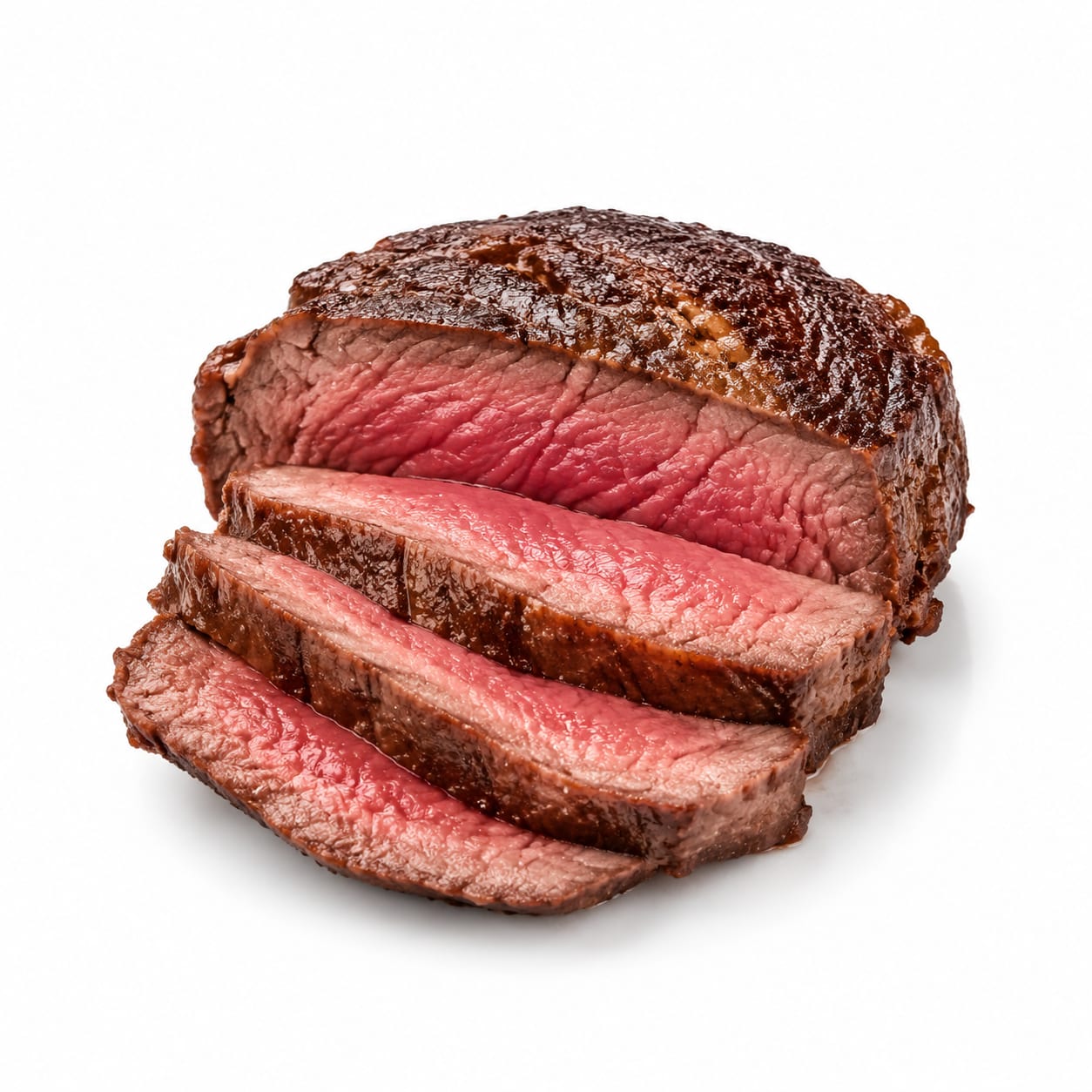
Bison
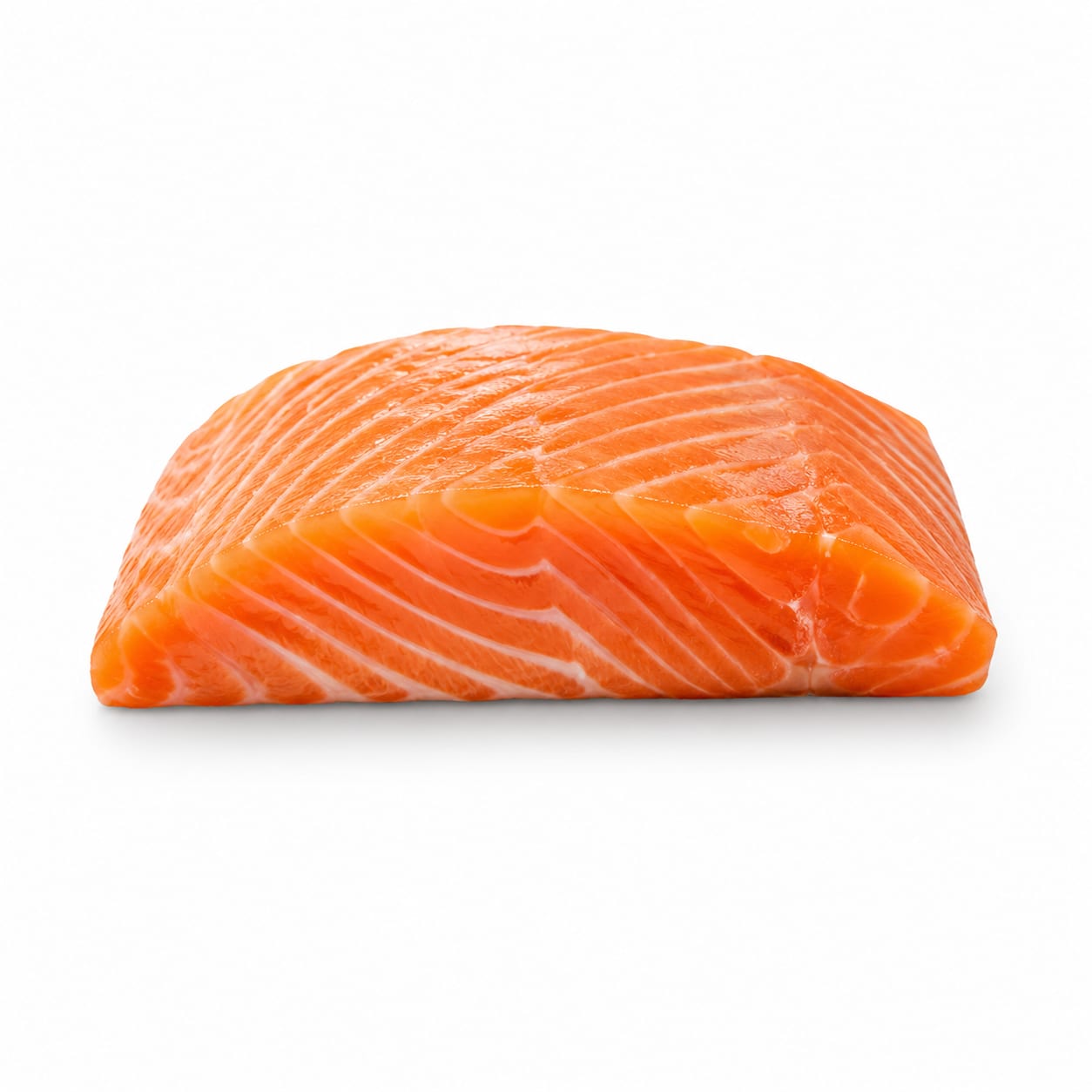
Salmon
Bison delivers unmatched lean protein and iron, while Salmon is the king of heart-healthy omega-3s and anti-inflammatory fats.
Salmon scores slightly higher due to its omega-3 content and strong association with cardiovascular health, but Bison remains an elite lean protein source.
Land-based nutrient density versus ocean-based anti-inflammatory benefits.
At a glance
Executive summary
Overall
It depends
Healthier
Salmon
More practical
Salmon
Daily use
Salmon
Key comparison lenses
Heart Health & Inflammation
Salmon's omega-3s actively reduce inflammation, while Bison contains saturated fat which requires moderation for cardiovascular health.
Protein Quality & Satiety
Both are premium protein sources, but Bison offers a leaner, denser protein hit per calorie.
Micronutrient Profile
Bison dominates in heme iron and B12, whereas Salmon provides rare Vitamin D and selenium.
Contaminant & Safety Concerns
Salmon carries risks of mercury and PCBs, while Bison raises concerns about agricultural antibiotics and processing.
Sustainability & Sourcing
Regenerative land agriculture for Bison versus ocean depletion and farm pollution for Salmon.
Best choice for
Bison
- High-intensity athletes needing iron and lean calories
- People with anemia or B12 deficiency
- Low-carb or keto dieters wanting lean red meat
Salmon
- People focused on heart health and longevity
- Those needing anti-inflammatory fats
- Anyone lacking omega-3s in their diet
Least suitable for
Bison
- People with high cholesterol or heart disease risk
- Those avoiding red meat
- Pescatarians
Salmon
- People with severe fish allergies
- Those worried about mercury exposure like pregnant women with certain species
- Vegans or vegetarians
Deep comparison
Dimension by dimension
Each lens scores both foods and breaks down who each option suits.
- Dimension 1 · Priority 95Salmon
Heart Health & Inflammation
Bison · 65Salmon · 95Salmon is rich in omega-3s which actively reduce inflammation, whereas Bison contains saturated fat which should be moderated for heart health.
Tradeoff
You trade the heart-protective fats of Salmon for the iron-rich but saturated-fat-containing profile of Bison.
Why it matters
Chronic inflammation drives aging and disease; omega-3s directly combat this.
Real-world impact
Eating Salmon regularly can improve blood lipid panels and reduce joint stiffness, while Bison is best kept to a few times a week.
Bison
- Those whose diets are already high in omega-3s
- People needing heme iron for energy
Better for
- People managing high LDL cholesterol
Worse for
Salmon
- Anyone with a family history of heart disease
- People with inflammatory conditions like arthritis
Better for
- Those on blood thinners who must limit vitamin K and omega-3 interactions
Worse for
- Dimension 2 · Priority 90Bison
Protein & Satiety
Bison · 95Salmon · 90Bison offers more protein per calorie with less fat, making it incredibly filling and efficient for muscle building.
Tradeoff
Bison gives you leaner protein, but Salmon's fat makes it more caloric per gram of protein.
Why it matters
Higher protein-to-calorie ratios help with weight management and muscle retention.
Real-world impact
A Bison steak will keep you full for hours without weighing you down, perfect after a heavy workout.
Bison
- Athletes in a calorie deficit
- Bodybuilders seeking lean muscle gains
Better for
- Those who find lean meat too dry or hard to eat in large portions
Worse for
Salmon
- Endurance athletes needing calorie-dense recovery
- People who struggle to eat enough healthy fats
Better for
- People strictly tracking calories who find fatty fish too easy to overeat
Worse for
- Dimension 3 · Priority 85It depends
Micronutrient Density
Bison · 88Salmon · 88Bison dominates in heme iron, zinc, and B12, while Salmon provides rare Vitamin D and selenium.
Tradeoff
Land-animal minerals versus marine-animal vitamins.
Why it matters
Iron and B12 are critical for energy and oxygen transport, while Vitamin D and selenium support immune function and mood.
Real-world impact
Bison crushes fatigue if you are anemic, while Salmon acts like sunshine in a meal during winter months.
Bison
- Menstruating women needing iron
- People prone to fatigue
Better for
- People with hemochromatosis (iron overload)
Worse for
Salmon
- Those living in northern climates with low sun exposure
- People with thyroid concerns needing selenium
Better for
- Those already taking high-dose Vitamin D supplements
Worse for
- Dimension 4 · Priority 80Bison
Food Safety & Contaminants
Bison · 85Salmon · 70Bison is typically pasture-raised with fewer additives, while Salmon carries risks of mercury, PCBs, and microplastics.
Tradeoff
The ocean food chain concentrates toxins in Salmon, whereas Bison's main risk is agricultural antibiotics if not grass-fed.
Why it matters
Long-term accumulation of heavy metals and microplastics can impact neurological and hormonal health.
Real-world impact
Choosing wild-caught Salmon reduces but does not eliminate toxin risk, whereas grass-fed Bison is generally cleaner.
Bison
- Pregnant women cautious about mercury
- People minimizing microplastic exposure
Better for
- Those who eat conventionally raised meat with antibiotic concerns
Worse for
Salmon
- Those who can source high-quality, tested wild Salmon
Better for
- Frequent sushi lovers already exceeding safe mercury limits
Worse for
- Dimension 5 · Priority 75It depends
Sustainability & Sourcing
Bison · 75Salmon · 75Both have complex sustainability profiles: Bison requires significant land but is often regeneratively grazed, while Salmon faces ocean depletion and farm pollution.
Tradeoff
Regenerative land agriculture versus ocean ecosystem preservation.
Why it matters
Your food choices impact the planet, not just your body.
Real-world impact
Grass-fed Bison can improve soil health, while farmed Salmon can pollute local waters and spread disease to wild stocks.
Bison
- Supporters of regenerative agriculture
- Those avoiding ocean depletion
Better for
- Vegans concerned about livestock land use and methane
Worse for
Salmon
- People with access to sustainably caught wild Salmon
- Those who prioritize lower land use per calorie
Better for
- Environmentalists worried about overfishing and fish farm waste
Worse for
Timeline
Health impact over time
Short-term
Hours to days
Bison
- Rapid satiety from dense protein
- Sustained energy from B12 and iron
- Heavier feeling in the stomach due to red meat digestion
Salmon
- Quick mental clarity from omega-3s
- Lighter post-meal feeling
- Faster digestion compared to dense red meat
Long-term
Months to years
Bison
- Improved iron stores preventing anemia
- Potential increase in LDL cholesterol if overconsumed
- Maintained muscle mass due to high-quality protein
Salmon
- Reduced risk of cardiovascular disease
- Lower systemic inflammation
- Potential heavy metal accumulation if eating low-quality farmed fish frequently
Risk profile
Safety & processing
Both Bison and Salmon are typically consumed as whole, unprocessed cuts. The main concerns are farmed Salmon's potential use of artificial colorants and antibiotics, and conventionally raised Bison's exposure to agricultural chemicals.
Bison
Antibiotic Residue
lowMost Bison is grass-fed and not given antibiotics, but conventional farming can change this.
Prion Disease
lowExtremely rare in Bison, but a known concern with any red meat compared to fish.
Salmon
Mercury and Heavy Metals
mediumLarger fish accumulate mercury; Salmon is moderate but frequent consumption adds up.
PCBs and Dioxins
mediumFar more prevalent in farmed Salmon due to the fish meal used in feed.
Microplastics
mediumOcean and farmed fish both contain microplastics, which are increasingly detected in seafood.
Who wins for whom
Audience fit
Same foods, different winners depending on your goal.
children
SalmonOmega-3s are crucial for brain development, but care must be taken to choose low-mercury wild Salmon.
daily consumption
SalmonHeart health guidelines favor regular fish consumption over daily red meat intake.
diabetes
SalmonSalmon's omega-3s improve insulin sensitivity and reduce inflammation, whereas high red meat intake is linked to increased diabetes risk.
elderly
SalmonSalmon is easier to chew and digest, and its anti-inflammatory fats protect aging joints and hearts.
muscle gain
BisonBison provides more protein per serving along with creatine and highly bioavailable iron for performance.
weight loss
BisonBison has a higher protein-to-calorie ratio and less fat, making it more satiating per calorie for cutting phases.
Your move
Decision guide
Choose Bison
- You need a massive protein hit with minimal calories
- You are anemic or deficient in B12 and iron
- You want red meat flavor without the fat content of beef
Choose Salmon
- Heart health and longevity are your top priorities
- You want anti-inflammatory benefits for joint or brain health
- You need a lighter meal that digests easily
Either works if
- You need high-quality complete protein after a workout
- You are tired of chicken breast and want a nutrient-dense alternative
Avoid both if
- You follow a strict plant-based diet
- You have severe gout and must limit purines
Final recommendation
Eat Salmon twice a week for omega-3s and heart health, and enjoy Bison once a week for iron and lean protein variety. Rotating both gives you the best of land and sea nutrition.
Practical
Consumer tips
- 1
Choose wild-caught Salmon over farmed to avoid PCBs and artificial dyes.
- 2
Look for 100% grass-fed Bison to ensure the leanest, most nutrient-dense meat.
- 3
Canned wild Salmon is a budget-friendly way to get omega-3s without the high price of fresh fillets.
- 4
Cook Bison to medium-rare; it is so lean that cooking it well-done makes it tough and dry.
- 5
Pair Salmon with a vitamin C source like lemon to boost iron absorption if you are skipping red meat.