
Nutrition comparison
Bison vs Pork Tenderloin: Which Lean Protein Is Actually Better?
Bison delivers more iron, B12, and zinc per calorie, but pork tenderloin costs half as much and cooks easier. Full nutritional comparison with real-world recommendations.
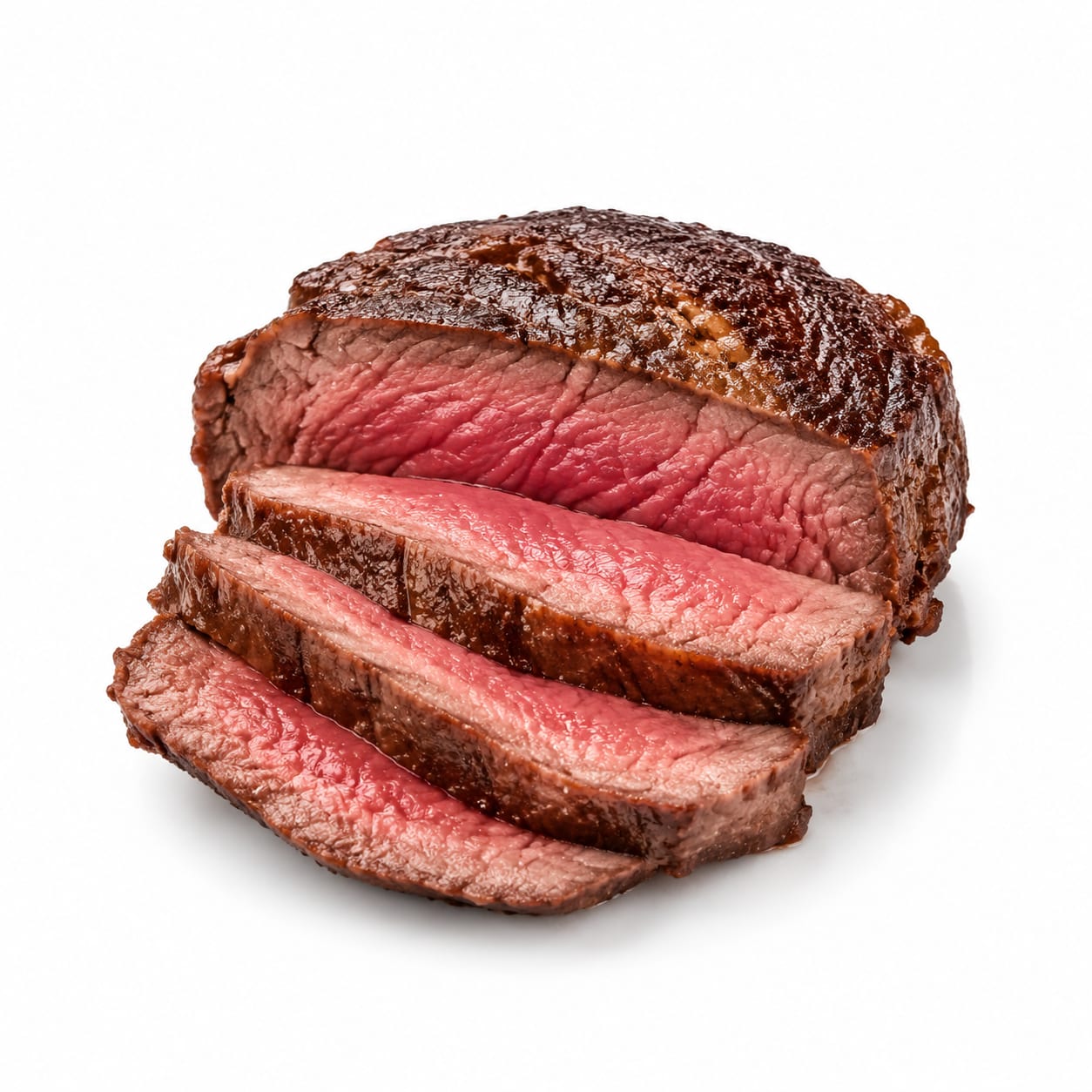
Bison
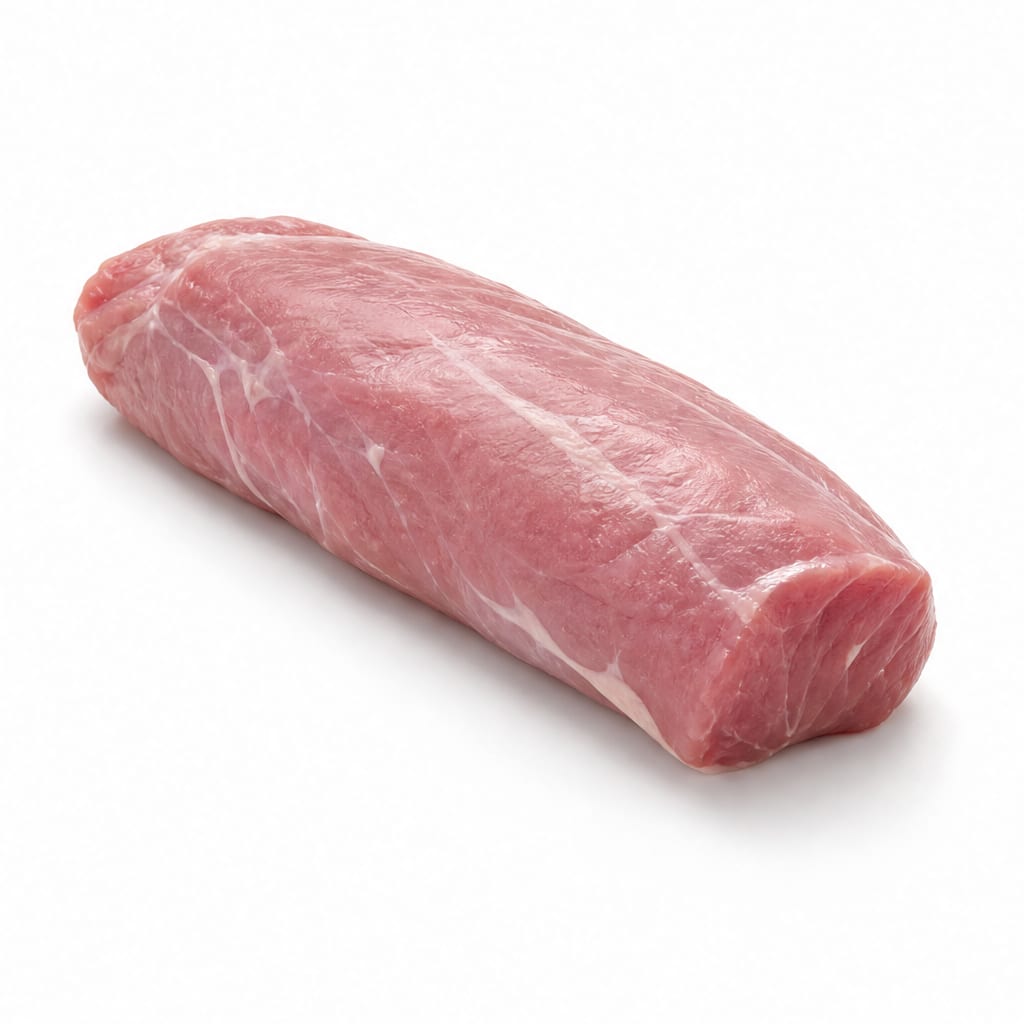
Pork Tenderloin
Bison wins on nutrient density and cleaner sourcing, but pork tenderloin wins on price, availability, and cooking ease. Both are excellent lean proteins.
Bison scores higher on nutritional quality and sourcing, but pork tenderloin's affordability and everyday usability narrow the gap significantly. The 4-point difference reflects a quality edge that costs real money.
Pay more for bison's superior micronutrients and grass-fed profile, or save money with pork tenderloin's nearly matched macros and better practicality.
At a glance
Executive summary
Overall
It depends
Healthier
Bison
More practical
Pork Tenderloin
Daily use
Pork Tenderloin
Key comparison lenses
lean protein comparison for health-conscious meat eaters
Both are premium lean proteins often chosen by people watching fat intake
nutrient density per calorie
Bison delivers significantly more micronutrients per serving, a key differentiator
budget vs quality tradeoff
Pork tenderloin costs roughly half as much, making this a real-world financial decision
cooking ease and versatility
Pork tenderloin is more forgiving to cook and works in more recipes
sourcing and antibiotic concerns
Bison is typically grass-fed with fewer antibiotics, while conventional pork raises more concerns
Best choice for
Bison
- Maximizing iron and B12 intake
- Athletes needing superior nutrient recovery
- People avoiding antibiotics and hormones
- Grass-fed and regenerative agriculture supporters
- Those with mild anemia concerns
Pork Tenderloin
- Budget-conscious weekly meal prep
- Families needing affordable lean protein
- Home cooks wanting forgiving, versatile meat
- People who eat lean protein daily
- Recipe variety without premium pricing
Least suitable for
Bison
- Tight grocery budgets
- Quick weeknight cooking beginners
- People who overcook lean meat easily
Pork Tenderloin
- Those avoiding conventional farming practices
- People needing maximum iron from food
- Consumers concerned about antibiotic residues
Deep comparison
Dimension by dimension
Each lens scores both foods and breaks down who each option suits.
- Dimension 1 · Priority 95Bison
protein quality and content
Bison · 92Pork Tenderloin · 86Both deliver excellent complete protein, but bison edges ahead with slightly more protein per ounce and a richer amino acid profile from grass feeding.
Tradeoff
The protein gap is small. You won't notice a difference in satiety or muscle recovery between them in real life.
Why it matters
For most people, both meats more than meet protein needs. This only matters for competitive athletes chasing marginal gains.
Real-world impact
After a workout, either meat will rebuild muscle effectively. Bison might offer slightly faster recovery thanks to higher B12 and iron supporting oxygen delivery.
Bison
- Post-workout recovery meals
- Athletes in heavy training blocks
- Older adults preserving muscle mass
Better for
- People who overcook and dry out expensive meat
Worse for
Pork Tenderloin
- Everyday protein needs
- Budget meal prep with adequate protein
- Casual exercisers
Better for
- Elite athletes chasing every marginal nutrient advantage
Worse for
- Dimension 2 · Priority 92Bison
micronutrient density
Bison · 94Pork Tenderloin · 62Bison dramatically outperforms pork tenderloin on iron, B12, zinc, and selenium. This is the biggest nutritional gap between the two.
Tradeoff
You get roughly 3x more iron and 5x more B12 from bison. If you have low iron or eat little red meat, this matters a lot.
Why it matters
Iron and B12 deficiencies are common, especially in women and vegetarians transitioning back to meat. Bison is almost a supplement in food form.
Real-world impact
If you feel tired or cold often, bison's iron and B12 could genuinely help. Pork tenderloin won't move the needle much on these nutrients.
Bison
- Women with low iron
- Anyone recovering from B12 deficiency
- People who eat red meat only occasionally
- Older adults with absorption challenges
Better for
- People with hemochromatosis or iron overload
Worse for
Pork Tenderloin
- People who already eat varied protein sources
- Those getting iron and B12 from other foods or supplements
Better for
- Anyone relying on a single meat for micronutrients
- Menstruating women not supplementing iron
Worse for
- Dimension 3 · Priority 85Bison
fat profile and leanness
Bison · 90Pork Tenderloin · 84Both are very lean, but bison is slightly leaner with a better omega-3 to omega-6 ratio from grass feeding.
Tradeoff
The fat difference is minimal in calories. The real win is bison's healthier fat ratio from grass-fed sourcing.
Why it matters
Grass-fed bison has more anti-inflammatory omega-3s. Conventional pork tenderloin has more omega-6, which most people already overconsume.
Real-world impact
One serving won't shift your inflammation levels. But if bison replaces several servings of conventional meat weekly, the cumulative effect adds up.
Bison
- People managing inflammatory conditions
- Those following anti-inflammatory eating patterns
- Anyone reducing omega-6 intake
Better for
- People who find very lean meat unsatisfying
Worse for
Pork Tenderloin
- Low-fat dieters who don't care about fat ratios
- Anyone counting only calories and total fat
Better for
- Those specifically optimizing omega-3 intake from food
Worse for
- Dimension 4 · Priority 88Pork Tenderloin
affordability and value
Bison · 45Pork Tenderloin · 90Pork tenderloin typically costs $3-5 per pound while bison runs $10-25 per pound. Pork tenderloin is one of the best protein values available.
Tradeoff
Bison costs 2-5x more. That premium buys better nutrients and sourcing, but the cost limits how often most people can eat it.
Why it matters
Nutrition only works if you can afford it consistently. Pork tenderloin makes lean protein accessible daily; bison is a luxury for most households.
Real-world impact
A family of four eating bison twice a week could spend $40+ more monthly than with pork tenderloin. That's real money for most budgets.
Bison
- Higher-income households prioritizing food quality
- Special occasion meals where quality matters more
- People eating small portions of premium meat
Better for
- Anyone watching food spending closely
Worse for
Pork Tenderloin
- Families on grocery budgets
- Students and young professionals
- Anyone meal-prepping lean protein in bulk
Better for
- Situations where sourcing quality matters more than cost
Worse for
- Dimension 5 · Priority 78Pork Tenderloin
cooking ease and versatility
Bison · 65Pork Tenderloin · 85Pork tenderloin is more forgiving to cook, works in more recipes, and is easier to find in stores. Bison requires more care to avoid overcooking.
Tradeoff
Bison's leanness means it goes from perfect to dry quickly. Pork tenderloin gives you a slightly wider margin of error and pairs with more flavor profiles.
Why it matters
Overcooked expensive bison is frustrating. Pork tenderloin's forgiving nature makes it better for weeknight cooking and less experienced cooks.
Real-world impact
If you've ever dried out a $20 bison steak, you know the pain. Pork tenderloin at $4 a pound feels much less risky to experiment with.
Bison
- Experienced cooks comfortable with lean meat
- Grilling enthusiasts who monitor temperature carefully
Better for
- Impatient cooks who walk away from the stove
- People new to cooking lean red meat
Worse for
Pork Tenderloin
- Weeknight dinner rush cooking
- Beginner home cooks
- Slow cooker and sheet pan meals
- Recipe variety across cuisines
Better for
- High-end dinner parties where impression matters
Worse for
- Dimension 6 · Priority 72Bison
sourcing and antibiotic concerns
Bison · 92Pork Tenderloin · 55Bison is almost always grass-fed and raised without routine antibiotics. Conventional pork often involves confinement farming and antibiotic use.
Tradeoff
Bison gives you cleaner sourcing almost automatically. With pork, you need to actively seek out heritage or organic brands to match that standard.
Why it matters
Routine antibiotic use in conventional pork contributes to resistance concerns. Bison production hasn't industrialized to the same degree.
Real-world impact
If you care about what your meat ate, bison is the safer default. With pork tenderloin, you need to read labels and pay more for better sourcing.
Bison
- People avoiding antibiotic residues
- Consumers prioritizing animal welfare
- Those supporting regenerative agriculture
Better for
- Very limited availability in some regions
Worse for
Pork Tenderloin
- Anyone buying certified organic or heritage pork
- People who don't prioritize sourcing concerns
Better for
- Consumers worried about conventional farming practices
- Anyone unable to verify sourcing claims
Worse for
Timeline
Health impact over time
Short-term
Hours to days
Bison
- High satiety from dense protein with minimal fat
- Rich iron delivery may boost energy within days if you were deficient
- Very lean, so won't leave you feeling heavy after eating
Pork Tenderloin
- Excellent satiety with slightly more fat for satisfaction
- Milder flavor feels lighter and pairs well with many sides
- Easy to digest and gentle on the stomach
Long-term
Months to years
Bison
- Superior iron and B12 intake supports energy and cognitive health over decades
- Grass-fed fat profile may reduce inflammatory markers with regular consumption
- Cleaner sourcing reduces cumulative exposure to antibiotics and hormones
Pork Tenderloin
- Consistent lean protein intake supports healthy weight maintenance long-term
- Affordability enables sustainable daily consumption, which matters more than occasional premium meals
- Conventional sourcing may contribute to cumulative antibiotic exposure if not carefully selected
Risk profile
Safety & processing
Both are whole, unprocessed cuts of meat. Neither contains additives when purchased as raw cuts. The real difference is in how the animals were raised, not how the meat was processed.
Bison
Pathogen contamination
lowLike all raw meat, bison can carry bacteria. Safe handling and cooking to 160°F eliminates risk.
Overcooking and waste
mediumBison's extreme leanness means overcooking is common, leading to dry, unpalatable meat and wasted money.
Pork Tenderloin
Pathogen contamination
mediumPork can carry parasites and bacteria. Cooking to 145°F with rest time is now considered safe, unlike older guidelines requiring 160°F.
Antibiotic residues
lowConventional pork may contain trace antibiotic residues. Choosing organic or verified brands reduces this concern significantly.
Trichinosis
very_lowNearly eliminated in commercial US pork, but still a theoretical risk with wild or improperly raised pork.
Who wins for whom
Audience fit
Same foods, different winners depending on your goal.
children
Pork TenderloinPork tenderloin's milder flavor, lower cost, and wider availability make it more practical for feeding kids regularly.
daily consumption
Pork TenderloinAffordability and cooking ease make pork tenderloin realistic as a daily staple. Bison's cost and availability make it better as a 1-2x weekly choice.
diabetes
It dependsBoth have zero carbs and minimal saturated fat. Either works well. Bison's anti-inflammatory fat profile may offer a slight edge for metabolic health.
elderly
BisonBison's superior B12, iron, and zinc content addresses common deficiencies in older adults who absorb nutrients less efficiently.
muscle gain
BisonSlightly more protein per serving plus significantly more B12 and iron, which support oxygen delivery and recovery during heavy training.
weight loss
It dependsBoth are nearly identical in calories and fat. Pork tenderloin wins for sustainability due to cost; bison wins for nutrient density supporting energy during deficits.
Your move
Decision guide
Choose Bison
- You want maximum micronutrients per calorie, especially iron and B12
- Sourcing and antibiotic avoidance are top priorities
- Budget allows for premium protein a few times per week
- You're an athlete or very active person needing superior recovery nutrition
- You have low iron or B12 levels confirmed by bloodwork
Choose Pork Tenderloin
- You need affordable lean protein for daily meals
- Convenience and cooking ease matter more than marginal nutrient gains
- You meal-prep in bulk and need consistent, accessible protein
- You cook for a family and cost per serving is important
- You want versatile meat that works across many cuisines and recipes
Either works if
- You simply need high-quality lean protein and both are available
- Your primary goal is weight maintenance or loss with adequate protein
- You rotate proteins throughout the week anyway
Avoid both if
- You follow a plant-based diet
- You have alpha-gal syndrome or red meat allergy
- You have severe gout and need to limit purines
- Your doctor has advised eliminating red meat entirely
Final recommendation
Eat bison 1-2 times per week for its unmatched micronutrient density, and fill the rest of your week with pork tenderloin for affordable, practical lean protein. This combo gives you the best of both worlds without breaking the bank or missing key nutrients.
Practical
Consumer tips
- 1
Cook bison to medium-rare at most. Going past medium guarantees dry, tough meat.
- 2
Pork tenderloin is safe at 145°F with a 3-minute rest. It should still be slightly pink inside for best texture.
- 3
Buy bison in bulk directly from ranches online. Per-pound prices drop significantly compared to retail.
- 4
Look for 'never given antibiotics' on pork labels if sourcing matters to you. Certified organic is even better.
- 5
Marinate pork tenderloin in acidic marinades for 30 minutes to tenderize and add moisture.
- 6
Slice bison thin against the grain if you accidentally overcook it. This salvages tenderness.
- 7
Freeze pork tenderloin in marinade bags for instant meal prep. Thaw and cook directly.