
Nutrition comparison
Bison vs Ostrich: Which Lean Meat is Healthier?
Compare Bison and Ostrich to find the best lean red meat. Discover which is lower in fat, higher in protein, and easier to cook for your diet.
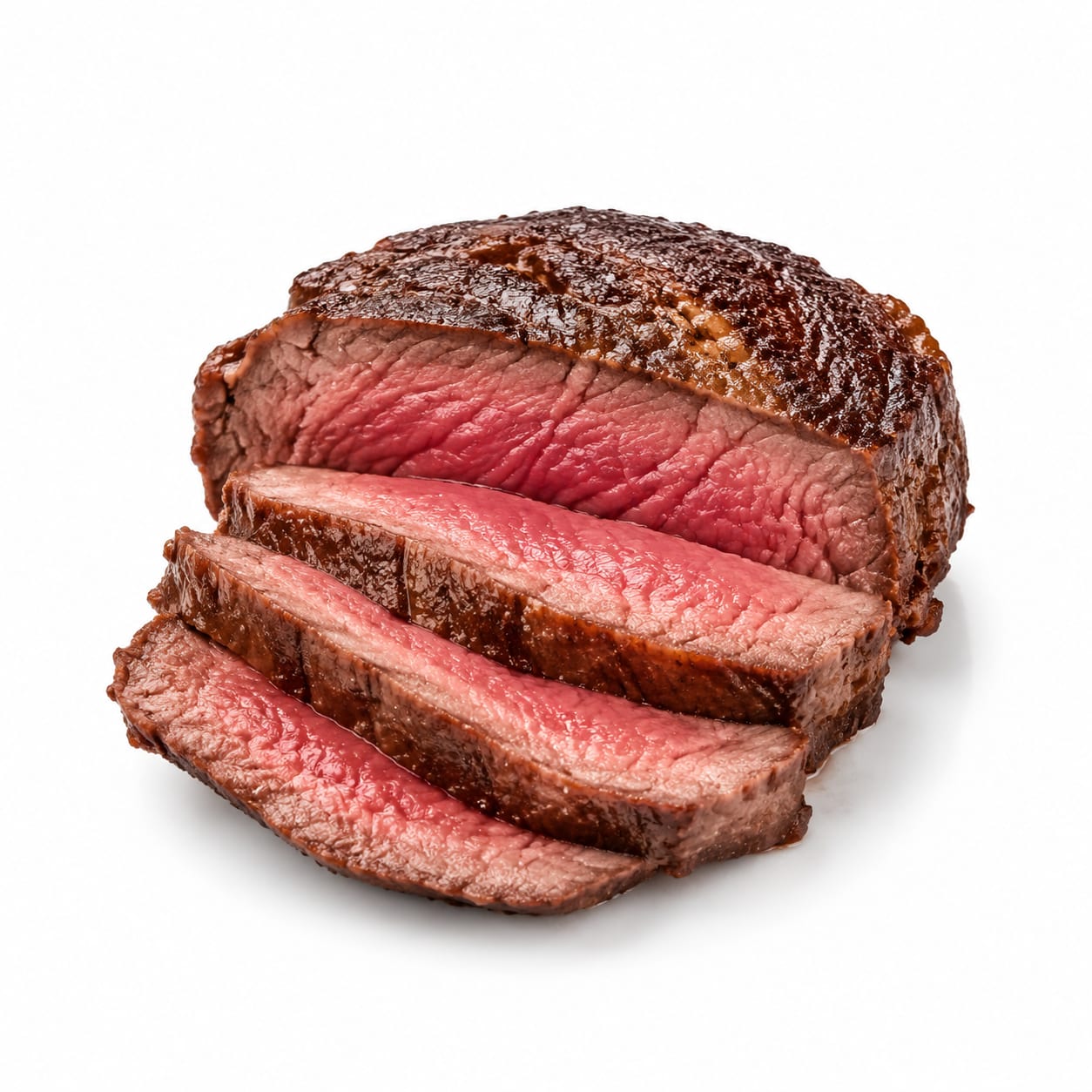
Bison
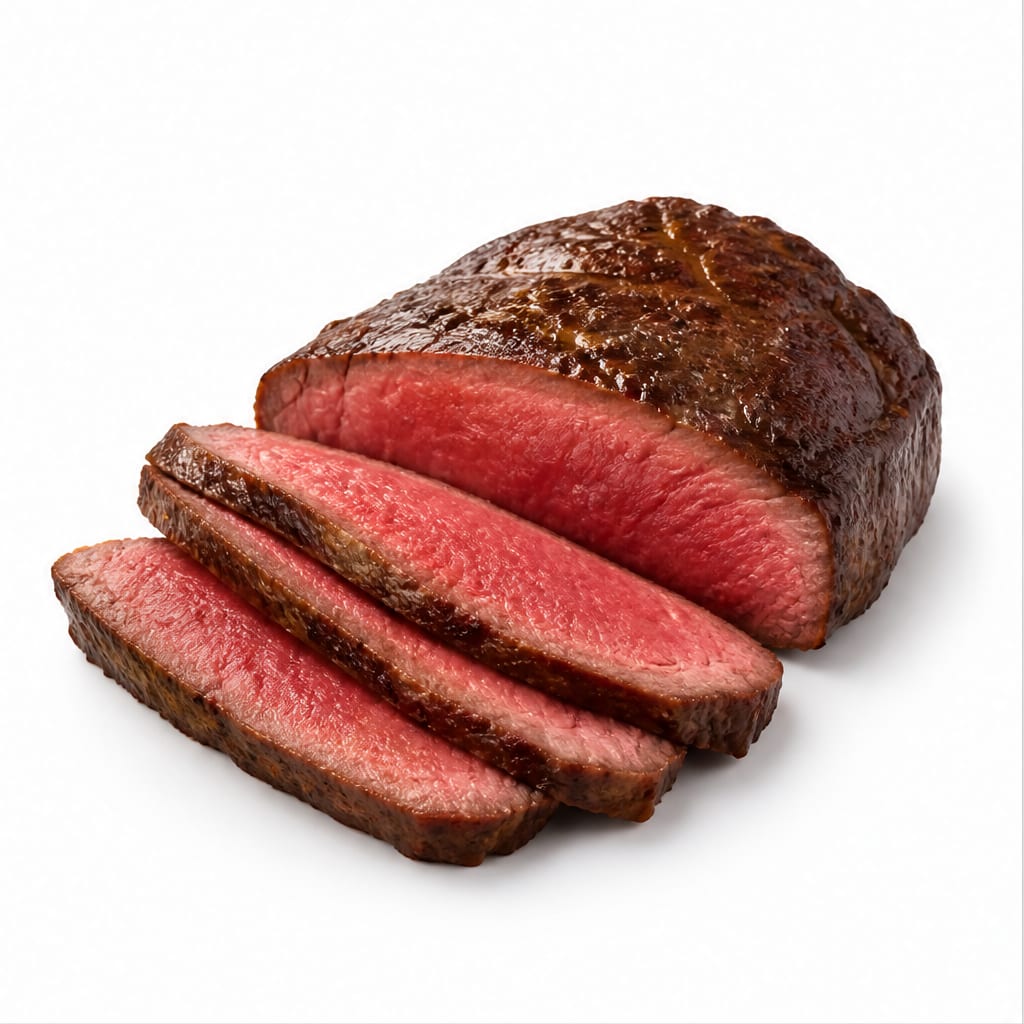
Ostrich
Ostrich is the ultimate ultra-lean protein, while Bison offers a richer flavor and more forgiving cooking experience with only slightly more fat.
Ostrich edges ahead slightly due to its superior cardiovascular profile and ultra-low fat, but Bison remains highly competitive because it is easier to cook without drying out and offers a more satisfying eating experience.
You trade the culinary forgiveness and familiar beef-like richness of Bison for the near-zero fat and lower calorie count of Ostrich.
At a glance
Executive summary
Overall
It depends
Healthier
Ostrich
More practical
Bison
Daily use
Ostrich
Key comparison lenses
Lean red meat alternatives for heart health
Both are premium lean proteins often chosen as healthier substitutes for beef, making their fat and cholesterol profiles the primary decision factor.
Culinary behavior and cooking ease
Ostrich is extremely lean and dries out easily, while Bison has slightly more fat, making it more forgiving in the kitchen.
Micronutrient density for anemia and energy
Both meats are prized for iron and B12, but the specific type and amount differ, impacting energy and recovery.
Satiety and meal satisfaction
The slight difference in fat content changes how full and satisfied you feel after eating.
Best choice for
Bison
- Grilling beginners who fear dry meat
- Burger lovers wanting a healthier beef alternative
- Those seeking a rich, satisfying meal on a low-carb diet
Ostrich
- Strict calorie counters and competition bodybuilders
- People managing high cholesterol or heart conditions
- Those who prefer meal-prepping lean protein for the week
Least suitable for
Bison
- Those on strict saturated fat restrictions
- Budget-conscious shoppers
Ostrich
- Fans of well-done meat
- Those who find dry chicken breast unappealing
Deep comparison
Dimension by dimension
Each lens scores both foods and breaks down who each option suits.
- Dimension 1 · Priority 95Ostrich
Macronutrient Profile & Leanness
Bison · 85Ostrich · 95Ostrich is remarkably lean, providing high protein with a fraction of the fat found in Bison.
Tradeoff
Bison has slightly more fat, which adds flavor and moisture, but costs you more calories and saturated fat per serving.
Why it matters
If you are tracking calories or managing heart health, Ostrich gives you more protein per calorie with almost zero saturated fat.
Real-world impact
Choosing Ostrich means you can eat a larger portion for fewer calories, but your meal might feel less indulgent than a juicy Bison steak.
Bison
- Keto or low-carb dieters needing more fat
- Those who find ultra-lean meats unsatisfying
Better for
- Strict low-fat diets
Worse for
Ostrich
- Calorie restrictors
- People lowering saturated fat intake
Better for
- High-fat diet protocols
Worse for
- Dimension 2 · Priority 90Bison
Cooking Forgiveness & Culinary Use
Bison · 88Ostrich · 70Bison is much more forgiving to cook because its slight fat content prevents it from drying out as quickly as Ostrich.
Tradeoff
Ostrich requires careful, quick cooking (rare to medium-rare) or moist methods, while Bison can handle more standard grilling techniques.
Why it matters
Overcooking Ostrich results in a tough, dry meal, making it a risky choice for inexperienced cooks or high-heat grilling.
Real-world impact
If you meal-prep or get distracted at the grill, Bison will still be edible; Ostrich will turn into shoe leather if left a minute too long.
Bison
- Casual home cooks
- Grilling and burger recipes
Better for
- Raw tartare (texture can be slightly denser)
Worse for
Ostrich
- Quick stir-fries
- Seared medallions with precise timing
Better for
- Slow-cooked roasts
- Well-done preparations
Worse for
- Dimension 3 · Priority 85It depends
Micronutrient Density
Bison · 88Ostrich · 86Bison provides more B12 and zinc, while Ostrich delivers slightly more iron and selenium.
Tradeoff
Both are nutrient powerhouses that crush common deficiencies, but Bison edges out for immune support and Ostrich for oxygen transport.
Why it matters
If you are anemic, Ostrich provides a bit more iron; if you are fighting fatigue or immune issues, Bison offers a stronger B12 and zinc hit.
Real-world impact
Either choice will dramatically boost your energy compared to standard chicken or pork, but your specific deficiency might sway your pick.
Bison
- Immune system support
- Nervous system health via B12
Better for
- Maximizing iron intake alone
Worse for
Ostrich
- Combating iron-deficiency anemia
- Thyroid support via selenium
Better for
- Maximizing zinc intake alone
Worse for
- Dimension 4 · Priority 80Bison
Satiety & Meal Satisfaction
Bison · 85Ostrich · 75Bison keeps you fuller for longer due to its slightly higher fat content, which slows digestion.
Tradeoff
Ostrich digests very rapidly, which is great for post-workout recovery but may leave you hungry sooner.
Why it matters
If you are trying to stay full between meals, fat is your friend. Bison provides that lingering satisfaction.
Real-world impact
A Bison steak dinner will likely keep you full until morning; an Ostrich dinner might have you reaching for a snack a few hours later.
Bison
- Long gaps between meals
- Appetite control
Better for
- Eating right before intense exercise
Worse for
Ostrich
- Post-workout when you need quick digestion
- Light dinners before bed
Better for
- Long days where you need sustained energy
Worse for
- Dimension 5 · Priority 75Bison
Availability & Practicality
Bison · 80Ostrich · 60Bison has become widely available in grocery stores, while Ostrich is usually a specialty item requiring online orders or specialty butchers.
Tradeoff
You can easily pick up Bison on a weekly grocery run, but finding Ostrich takes planning and often higher shipping costs.
Why it matters
The healthiest protein in the world is useless if you cannot consistently buy and prepare it.
Real-world impact
Bison is a realistic weekly staple; Ostrich is more of a specialty purchase for most people.
Bison
- Weekly grocery shopping
- Impulse meal decisions
Better for
- Seeking the absolute most exotic protein
Worse for
Ostrich
- Bulk online ordering and freezing
Better for
- Last-minute dinner plans
Worse for
Timeline
Health impact over time
Short-term
Hours to days
Bison
- Provides sustained, grounded energy without a heavy sluggish feeling
- Highly satisfying, reducing the urge to snack shortly after eating
Ostrich
- Feels very light in the stomach, ideal for eating before activity
- Rapid protein delivery to muscles after a workout
Long-term
Months to years
Bison
- Excellent for maintaining muscle mass and metabolic health
- Slightly higher saturated fat requires mindful portioning for heart health
Ostrich
- Highly supportive of cardiovascular health and cholesterol management
- Consistent iron intake supports long-term energy and prevents fatigue
Risk profile
Safety & processing
Both Bison and Ostrich are typically sold as whole-muscle cuts or ground meat with no additives. They are usually pasture-raised without the routine antibiotics or hormones common in factory-farmed beef, making them both exceptionally clean protein sources.
Bison
Pathogenic bacteria (E. coli)
mediumLike all ground meats, ground Bison carries a risk of E. coli if not cooked to safe internal temperatures.
Trichinella
lowRare in commercial Bison today, but historically a concern with wild game.
Ostrich
Pathogenic bacteria (Salmonella/E. coli)
mediumClassified as poultry, Ostrich can carry Salmonella. Safe handling like raw chicken is required, even though it eats like red meat.
Toughness from improper handling
lowNot a safety risk, but improper slaughter or chilling can ruin the texture, making it unpalatable.
Who wins for whom
Audience fit
Same foods, different winners depending on your goal.
children
BisonBison has a more familiar flavor and juicier texture that kids accept more readily, plus its higher zinc and B12 support growth.
daily consumption
OstrichThe ultra-low saturated fat content of Ostrich makes it safer to eat every day compared to Bison, which should be moderated slightly due to its fat content.
diabetes
OstrichBoth have zero carbs, but Ostrich's lower saturated fat content is better for the cardiovascular risks commonly associated with diabetes.
elderly
OstrichOstrich is easier to chew if cooked properly, and its lower saturated fat and higher iron profile support aging cardiovascular systems and anemia risks.
muscle gain
It dependsBoth provide excellent complete protein. Bison offers slightly more calories for bulk phases, while Ostrich is perfect for lean bulking.
weight loss
OstrichOstrich offers more protein and fewer calories per ounce, making it easier to stay in a calorie deficit while preserving muscle.
Your move
Decision guide
Choose Bison
- You want a rich, beef-like eating experience without the guilt of standard beef
- You are grilling burgers or steaks and want a forgiving meat that stays juicy
- You struggle to stay full after meals and need something satisfying
Choose Ostrich
- You are strictly counting calories or cutting fat for a competition
- You have high cholesterol and need to minimize saturated fat intake
- You want a light post-workout meal that digests quickly
Either works if
- You need a high-quality protein source to break a chicken-and-rice monotony
- You are trying to correct an iron or B12 deficiency
- You want to avoid factory-farmed beef for ethical or environmental reasons
Avoid both if
- You are on a tight grocery budget, as both are premium proteins
- You refuse to eat meat cooked rare or medium-rare, as both dry out terribly when well-done
Final recommendation
Choose Ostrich if your primary goal is minimizing fat and calories while maximizing protein, especially for heart health or weight loss. Choose Bison if you want a more satisfying, flavorful meal that is far more forgiving to cook, while still being vastly healthier than beef.
Practical
Consumer tips
- 1
Cook Ostrich like a fine steak: hot and fast, served rare to medium-rare. Never cook it well-done.
- 2
Mix ground Bison with caramelized onions or mushrooms to add moisture without adding fat.
- 3
If buying Ostrich online, look for flash-frozen steaks to ensure quality, as fresh Ostrich is rarely found in stores.
- 4
Let both meats rest for 5-10 minutes after cooking to retain their juices before slicing.