
Nutrition comparison
Bison vs Grass-fed Beef: Nutrition, Taste, and Health Comparison
Discover the key differences between Bison and Grass-fed Beef. Compare fat content, protein, cost, and health benefits to find out which red meat is right for you.
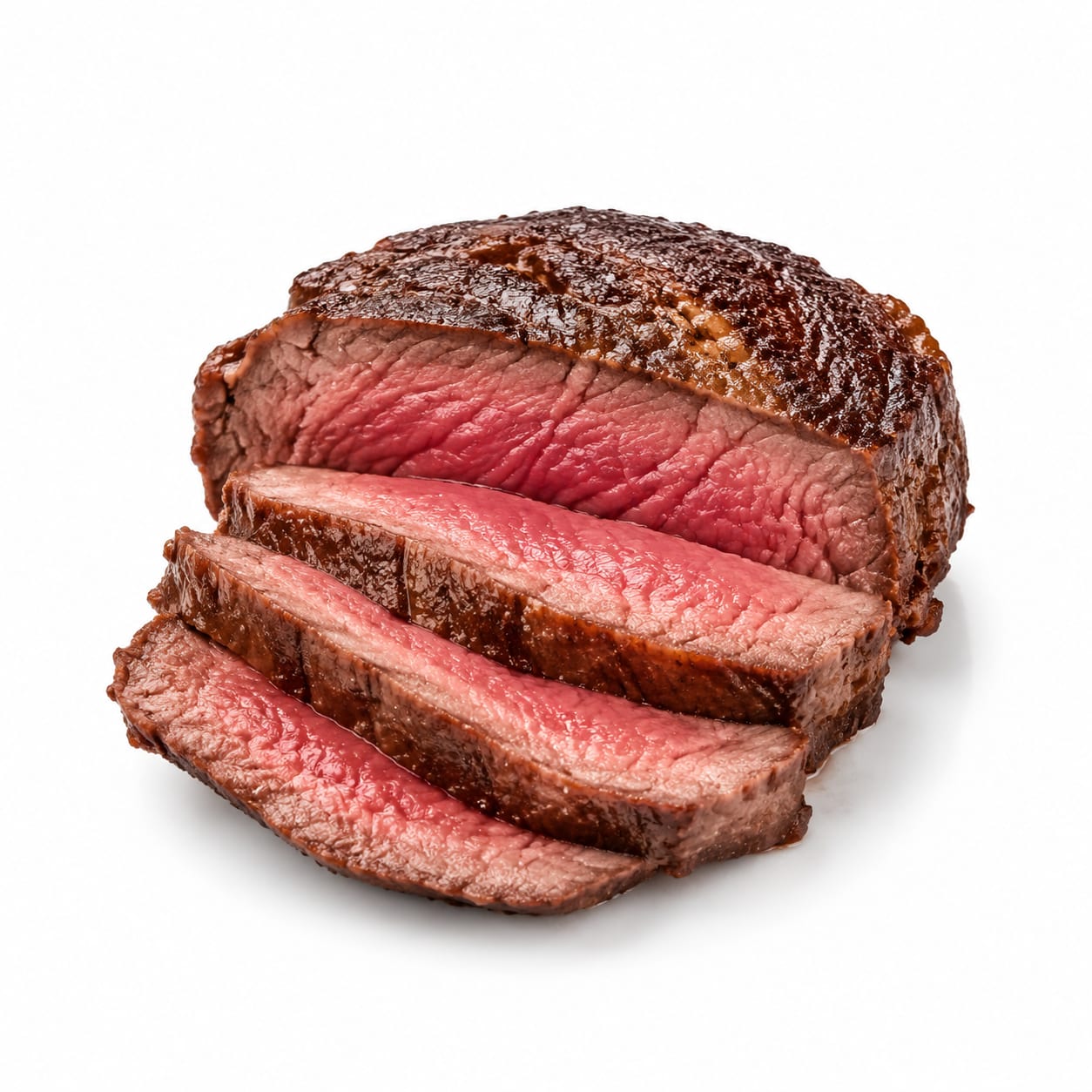
Bison
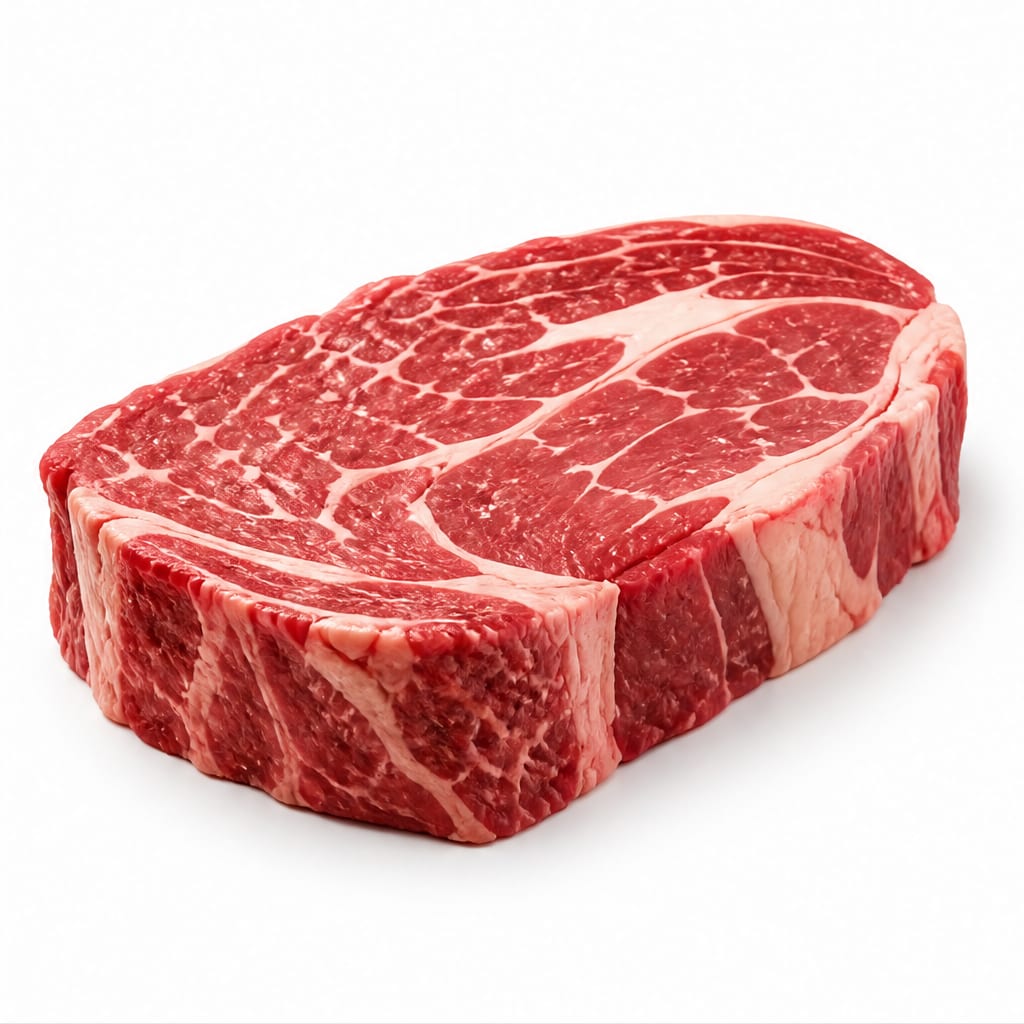
Grass-fed Beef
Bison is the leaner, slightly more nutrient-dense option, while Grass-fed Beef is far more practical and budget-friendly for everyday meals.
Bison scores higher for nutritional density and leanness, but Grass-fed Beef remains strong due to practicality and cost, keeping the gap manageable.
You trade lower fat and calories in Bison for the lower cost and easier availability of Grass-fed Beef.
At a glance
Executive summary
Overall
It depends
Healthier
Bison
More practical
Grass-fed Beef
Daily use
Grass-fed Beef
Key comparison lenses
Lean protein and fat content comparison
Bison is significantly leaner than grass-fed beef, making calorie and fat intake the primary decision factor.
Cost and everyday accessibility
Grass-fed beef is widely available and affordable compared to the premium price and scarcity of bison.
Sustainability and farming practices
Both are often raised regeneratively, but bison is typically wilder and requires less human intervention.
Best choice for
Bison
- Lean muscle building without extra calories
- Heart-conscious red meat lovers
- Those avoiding saturated fat
Grass-fed Beef
- Budget-conscious households
- Everyday meal prepping
- Those who prefer classic beef flavor and juiciness
Least suitable for
Bison
- Tight grocery budgets
- Those who overcook meat (Bison dries out easily)
Grass-fed Beef
- Strict low-fat diets
- Those counting every calorie
Deep comparison
Dimension by dimension
Each lens scores both foods and breaks down who each option suits.
- Dimension 1 · Priority 95Bison
Protein & Fat Profile
Bison · 95Grass-fed Beef · 80Bison delivers more protein per calorie with significantly less total and saturated fat than Grass-fed Beef.
Tradeoff
The lower fat in Bison means less natural juiciness and a higher risk of drying out if overcooked.
Why it matters
Less saturated fat makes Bison easier on your heart and waistline without sacrificing protein intake.
Real-world impact
A Bison burger leaves you feeling light but full, whereas a Grass-fed Beef burger tastes richer but sits heavier.
Bison
- Lean bulking
- Heart health
Better for
- Those needing extra calories for weight gain
Worse for
Grass-fed Beef
- Keto and low-carb diets needing higher fat
Better for
- Strict calorie restrictors
Worse for
- Dimension 2 · Priority 80Bison
Micronutrient Density
Bison · 90Grass-fed Beef · 85Both are powerhouses of iron, zinc, and B12, but Bison edges out with slightly higher concentrations of these essential nutrients per serving.
Tradeoff
The difference is marginal and unlikely to make or break a diet unless red meat is your sole nutrient source.
Why it matters
Better micronutrient density helps with energy levels and immune function over time.
Real-world impact
Eating Bison might give you a slight edge in fighting fatigue, but both will crush an iron deficiency.
Bison
- Anemia prevention
- Energy support
Better for
Grass-fed Beef
- General wellness on a budget
Better for
- Dimension 3 · Priority 85Grass-fed Beef
Cost & Accessibility
Bison · 40Grass-fed Beef · 85Grass-fed Beef is widely available in most grocery stores, while Bison is often specialty, harder to find, and much more expensive.
Tradeoff
You pay a premium for the leanness of Bison, which can make it unsustainable for regular family dinners.
Why it matters
The best food is the one you can actually afford and cook consistently.
Real-world impact
Grabbing Grass-fed Beef is a quick supermarket trip; finding Bison might require a specialty butcher or online order.
Bison
- Special occasion meals
Better for
- Budget meal planning
Worse for
Grass-fed Beef
- Weekly meal prep
- Large family dinners
Better for
- Dimension 4 · Priority 70Grass-fed Beef
Satiety & Culinary Experience
Bison · 75Grass-fed Beef · 85Grass-fed Beef has more fat, making it naturally more tender, juicy, and satisfying to eat for most people.
Tradeoff
Bison can feel drier and chewier if not cooked carefully, requiring more attention in the kitchen.
Why it matters
Enjoyment and satisfaction keep you from reaching for snacks an hour after dinner.
Real-world impact
A Grass-fed Beef steak is forgiving for home cooks; a Bison steak demands a meat thermometer and careful timing.
Bison
- Those who prefer lighter post-meal feelings
Better for
- Impatient cooks
Worse for
Grass-fed Beef
- Grilling enthusiasts
- Those who prioritize flavor and juiciness
Better for
- Those who dislike greasy textures
Worse for
Timeline
Health impact over time
Short-term
Hours to days
Bison
- High satiety without heaviness
- Sustained energy without a fat-induced sluggish feeling
Grass-fed Beef
- Deep satiety from higher fat content
- May feel slightly heavier after a large portion
Long-term
Months to years
Bison
- Lower saturated fat intake supports cardiovascular health
- Excellent lean protein source for maintaining muscle mass
Grass-fed Beef
- Good source of omega-3s from grass feeding, though still higher in saturated fat
- Consistent red meat intake requires mindful portion control for heart health
Risk profile
Safety & processing
Both Bison and Grass-fed Beef are whole, minimally processed foods. Bison is typically raised without any hormones or antibiotics, while Grass-fed Beef standards can vary slightly by farm.
Bison
Pathogen contamination (E. coli)
mediumLike all ground meats, ground Bison carries a risk of E. coli if not cooked to safe temperatures.
Grass-fed Beef
Pathogen contamination (E. coli)
mediumGround Grass-fed Beef has similar bacterial risks and should always be cooked thoroughly.
Antibiotic and hormone residues
lowGrass-fed labels restrict antibiotics and hormones, but enforcement can vary compared to the strict wild-nature of Bison ranching.
Who wins for whom
Audience fit
Same foods, different winners depending on your goal.
children
Grass-fed BeefGrass-fed Beef is more affordable for growing kids, easier to find, and the extra fat supports healthy development.
daily consumption
Grass-fed BeefGrass-fed Beef is far more affordable and accessible for daily or weekly meal prep without breaking the bank.
diabetes
BisonBoth have zero carbs, but the lower saturated fat in Bison is generally better for managing insulin resistance and heart health risks linked to diabetes.
elderly
BisonBison is easier to digest due to its lower fat content and provides dense nutrients without overloading the cardiovascular system.
muscle gain
It dependsBison is perfect for lean gains, but Grass-fed Beef provides extra calories and fat that can benefit hard gainers needing an energy surplus.
weight loss
BisonBison offers the same protein punch with fewer calories and significantly less fat, making it easier to stay in a deficit.
Your move
Decision guide
Choose Bison
- You want the leanest red meat possible
- Heart health and lowering saturated fat are top priorities
- You are willing to pay a premium for slightly better nutrient density
Choose Grass-fed Beef
- You need a budget-friendly red meat for regular meals
- You prioritize juiciness and forgiving cooking methods
- You are on a keto or high-fat diet
Either works if
- You just need high-quality protein and iron after a workout
- You are mixing ground meat into a heavily seasoned dish where fat differences are less noticeable
Avoid both if
- You have severe alpha-gal syndrome or a strict red meat allergy
- Your doctor has advised eliminating all red meat due to cardiovascular risks
Final recommendation
Choose Bison for the leanest, most nutrient-dense red meat experience, especially if you are watching your fat intake. Opt for Grass-fed Beef when you need an accessible, budget-friendly option that still delivers excellent nutrition and better culinary forgiveness.
Practical
Consumer tips
- 1
Cook Bison to medium-rare at most; its low fat content means it dries out quickly if overcooked.
- 2
Look for 100% grass-fed and grass-finished labels on Grass-fed Beef to ensure you are getting the improved fat profile you pay for.
- 3
Mix ground Bison with mushrooms or onions to add moisture and volume without adding fat.
- 4
If buying Bison on a budget, look for ground Bison instead of steaks—it is often more affordable and works great in chili or tacos.