
Nutrition comparison
Bison vs Elk: Nutrition, Taste, and Health Comparison
Compare Bison vs Elk to find the leanest, healthiest game meat. Discover which is better for weight loss, muscle gain, and cooking.
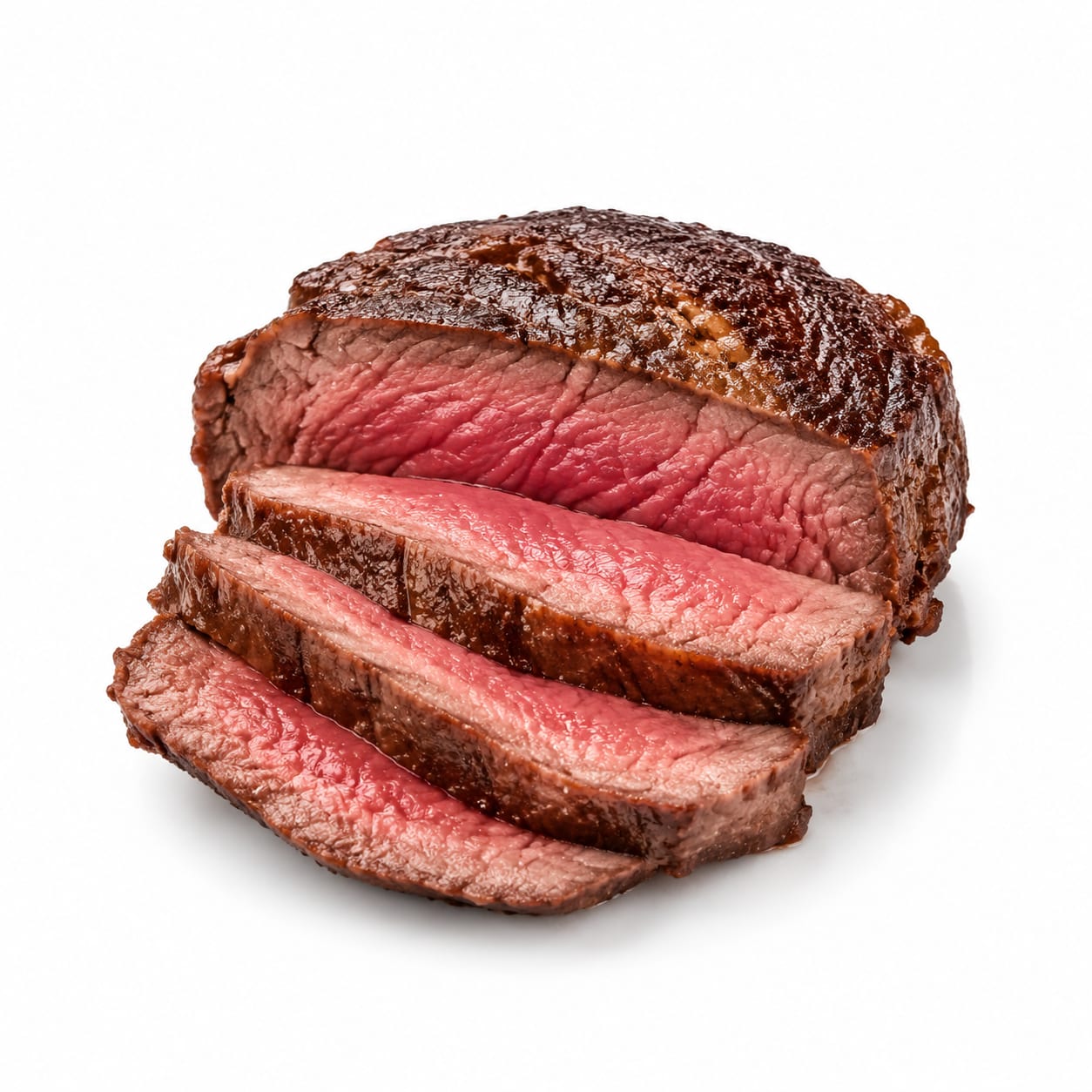
Bison
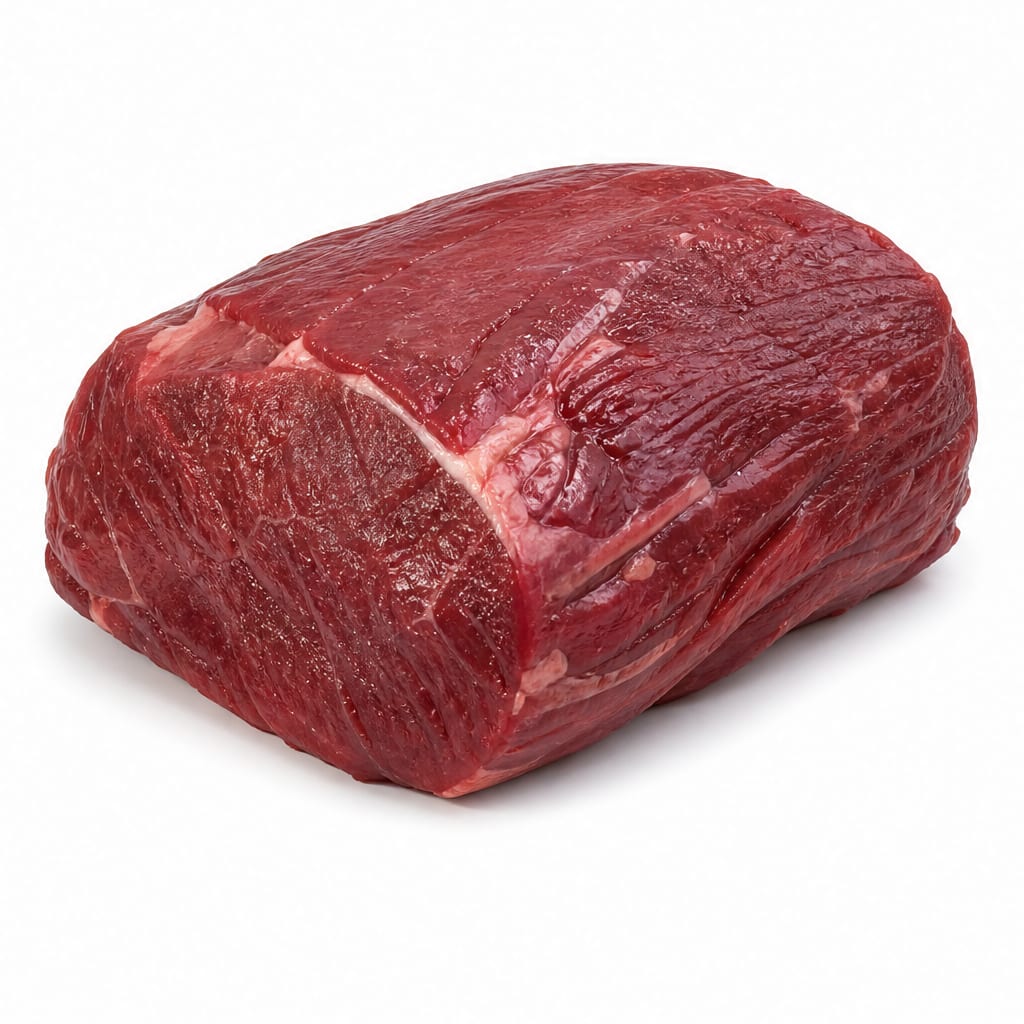
Elk
Bison is more forgiving to cook and slightly more satisfying, while Elk is the ultimate lean protein with fewer calories.
Elk edges out slightly for pure nutritional density and leanness, but Bison scores close behind due to better cooking forgiveness and wider availability.
Cooking ease and a bit of satiating fat in Bison versus maximum leanness and slightly higher protein density in Elk.
At a glance
Executive summary
Overall
It depends
Healthier
Elk
More practical
Bison
Daily use
Bison
Key comparison lenses
Lean protein source comparison
Both are prized as ultra-lean, high-quality game meats for health-conscious diets.
Cooking ease and versatility
Ultra-lean meats are notoriously easy to overcook, making kitchen practicality a major deciding factor.
Micronutrient density for anemia or fatigue
Game meats are powerhouse sources of iron and B12, often sought out by those with deficiencies.
Best choice for
Bison
- People new to cooking game meats
- Those who want a juicier, more satisfying burger
- Athletes in a bulking phase who need slightly more calories
Elk
- Athletes cutting weight
- Those strictly monitoring fat and calorie intake
- Fans of bold, earthy game flavor
Least suitable for
Bison
- People on an extremely low-fat diet
- Those wanting the absolute lowest calorie meat
Elk
- Impatient cooks who tend to overcook meat
- People who dislike dry, lean textures
- Budget-conscious shoppers
Deep comparison
Dimension by dimension
Each lens scores both foods and breaks down who each option suits.
- Dimension 1 · Priority 95Elk
Leanness & Calorie Density
Bison · 88Elk · 98Elk is one of the leanest meats on the planet, beating out even Bison for low fat and low calories per serving.
Tradeoff
Elk's extreme leanness means it dries out much faster on the grill, while Bison retains a bit more moisture-giving fat.
Why it matters
If you are counting every calorie or cutting fat, Elk makes it effortless. If you want a more satisfying mouthfeel, Bison is worth the tiny caloric tradeoff.
Real-world impact
A 4oz Elk steak saves you about 30-50 calories and 2-3g of fat compared to Bison, but you risk a dry bite if you look away from the pan for too long.
Bison
- Keto or moderate-fat diets
- Satiety between meals
Better for
- Maximum calorie restriction
Worse for
Elk
- Strict calorie deficits
- Very low-fat diets
Better for
- High-heat grilling without marinades
Worse for
- Dimension 2 · Priority 90Elk
Protein Quality & Density
Bison · 92Elk · 96Both deliver top-tier complete protein, but Elk packs slightly more protein per ounce due to its lower fat content.
Tradeoff
You get a marginally higher protein hit with Elk, though the real-world difference is small unless you eat large portions daily.
Why it matters
For bodybuilders or those recovering from injury, maximizing protein per calorie is often the goal, giving Elk a slight edge.
Real-world impact
Choosing Elk gives you roughly 1-2 extra grams of protein per serving compared to Bison—a minor but consistent win for muscle synthesis.
Bison
- Sustained energy from balanced macros
Better for
- Maximum protein-per-calorie ratio
Worse for
Elk
- Lean muscle gain during a cut
- Post-workout recovery with minimal calories
Better for
- Zero-carb diets needing higher fat for energy
Worse for
- Dimension 3 · Priority 85Bison
Cooking Tolerance & Practicality
Bison · 90Elk · 70Bison is much more forgiving in the kitchen because it carries just enough fat to prevent drying out.
Tradeoff
Elk requires careful cooking, often needing marinades or slow-cooking methods to stay tender, while Bison can be treated closer to lean beef.
Why it matters
A ruined, dry steak is a waste of money and nutrients. Bison is safer for weeknight cooking or grilling.
Real-world impact
You can cook a Bison burger medium-rare and have it turn out juicy. An Elk burger cooked the same way might crumble and dry out without added moisture.
Bison
- Quick weeknight meals
- Grilling and searing
- Beginner home cooks
Better for
- Raw tartare preparations requiring ultra-lean meat
Worse for
Elk
- Slow cooker recipes
- Stews and chilis
Better for
- Fast, high-heat cooking
- Cooking well-done
Worse for
- Dimension 4 · Priority 80It depends
Micronutrient Density
Bison · 90Elk · 90Both are nutritional powerhouses, loaded with B12, zinc, and iron, easily surpassing conventional beef.
Tradeoff
Bison tends to offer slightly more zinc, while Elk often provides a bit more B12, but both will effectively prevent deficiencies.
Why it matters
If you are eating game meats to combat fatigue or anemia, either choice will deliver a massive nutrient boost.
Real-world impact
Eating either meat a few times a week covers your B12 and iron needs handily, making this a tie for most people.
Bison
- Immune support via higher zinc
Better for
- Addressing severe B12 deficiency as fast as Elk
Worse for
Elk
- Nervous system support via higher B12
Better for
- Boosting zinc intake as effectively as Bison
Worse for
Timeline
Health impact over time
Short-term
Hours to days
Bison
- Highly satiating without feeling heavy
- Sustained energy from balanced protein and fat
Elk
- Very light feeling after eating
- May leave you hungry sooner if eaten without a fat source
Long-term
Months to years
Bison
- Supports muscle maintenance and metabolic health
- Easier to sustain long-term due to better cooking versatility
Elk
- Excellent for cardiovascular health due to extreme leanness
- Risk of fat-soluble vitamin deficiency if eaten exclusively without other fat sources
Risk profile
Safety & processing
Both Bison and Elk are typically sold as pure, unadulterated meat. Ground versions sometimes mix in fat, so check labels if you want 100% pure game meat.
Bison
Bacterial contamination
lowLike all raw meats, commercial Bison carries a low risk of standard foodborne pathogens; cook to 160°F for ground and 145°F for whole cuts.
Elk
Wild-sourced parasites
mediumIf sourced from wild hunting rather than farm-raised, Elk carries a higher risk of parasites and chronic wasting disease; always cook wild Elk thoroughly.
Who wins for whom
Audience fit
Same foods, different winners depending on your goal.
children
BisonBison is more tender and easier for kids to chew, and its milder flavor is usually more appealing to picky eaters.
daily consumption
BisonBison's versatility and cooking forgiveness make it a more practical daily staple than the easily-dried Elk.
diabetes
ElkBoth have zero carbs, but Elk's lower fat content is slightly more aligned with heart-healthy diabetic protocols.
elderly
BisonBison is easier to chew and digest, and its slightly higher fat helps maintain weight in older adults who struggle with appetite.
muscle gain
It dependsElk is better for lean muscle without extra fat, while Bison is better for bulking phases needing slightly more calories.
weight loss
ElkElk's lower calorie and fat content make it the ultimate cutting meat for strict weight loss.
Your move
Decision guide
Choose Bison
- You want a juicy burger or steak that is hard to mess up
- You find ultra-lean meats too dry or unsatisfying
- You are meal prepping for the week and need reliable leftovers
Choose Elk
- You are strictly counting calories and macros for a cut
- You enjoy slow-cooking, stews, or using marinades
- You want the absolute leanest red meat available
Either works if
- You need a massive boost in iron or B12
- You want to avoid conventional beef due to heart health concerns
- You are looking for a high-quality, nutrient-dense post-workout meal
Avoid both if
- You have gout and are sensitive to purine-rich red meats
- You refuse to eat meat that is not well-done, as both will be ruined
Final recommendation
Choose Bison for everyday meals and grilling where you want a satisfying, beef-like experience. Opt for Elk when you are aggressively cutting calories or slow-cooking a hearty stew.
Practical
Consumer tips
- 1
Cook both meats to medium-rare at most; well-done game meat turns into shoe leather.
- 2
If buying ground Elk, consider mixing it with a tiny bit of olive oil or bacon fat to keep burgers moist.
- 3
Always verify if your game meat is farm-raised or wild-caught, as wild meat requires more thorough cooking for safety.
- 4
Marinate Elk overnight in acidic mixtures like vinegar or citrus to help break down its lean muscle fibers.