
Nutrition comparison
Bass vs Tuna: Nutrition, Mercury, and Which is Healthier
Compare Bass and Tuna to discover which fish is safer for daily eating, lower in mercury, and higher in protein. Find out which is best for your health goals.
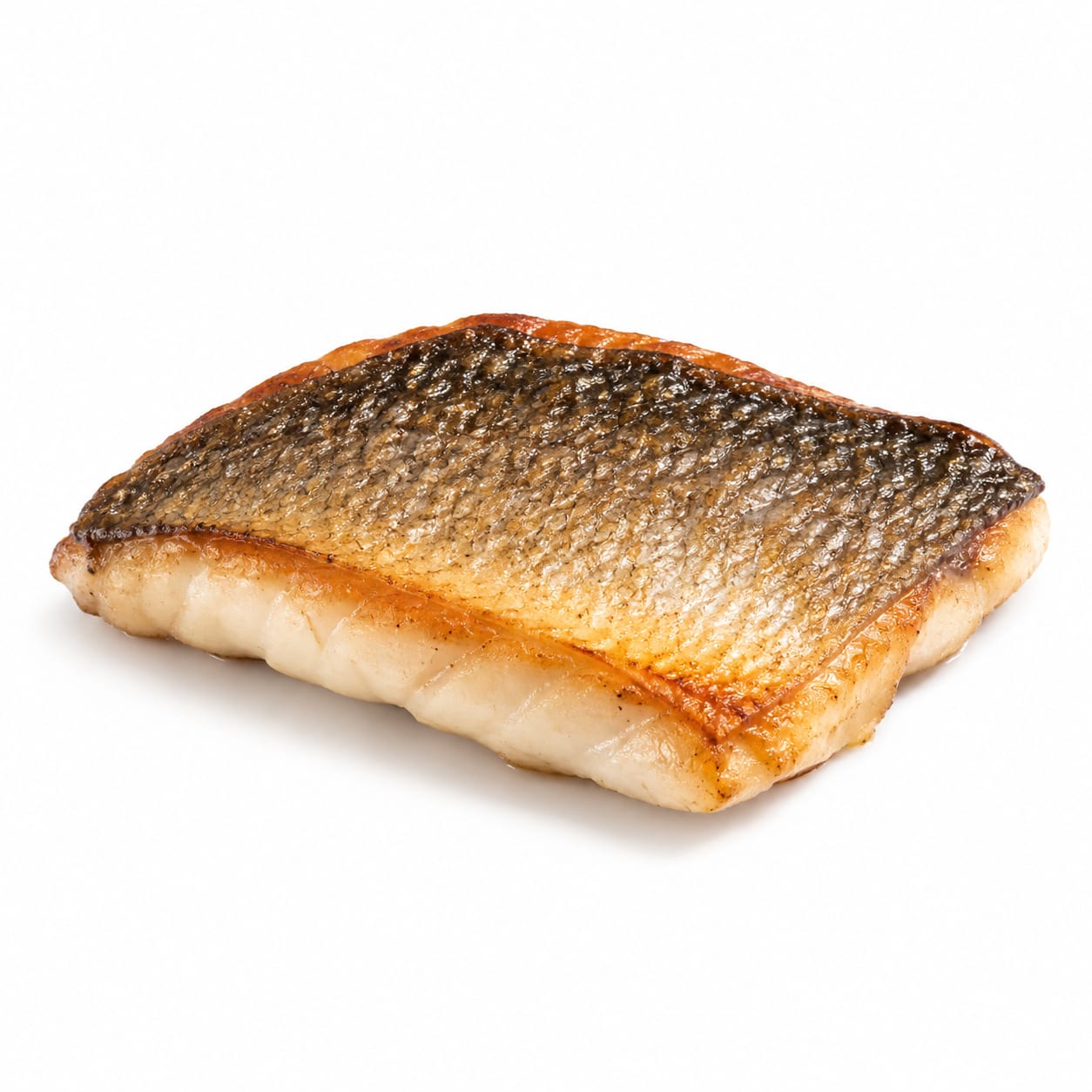
Bass
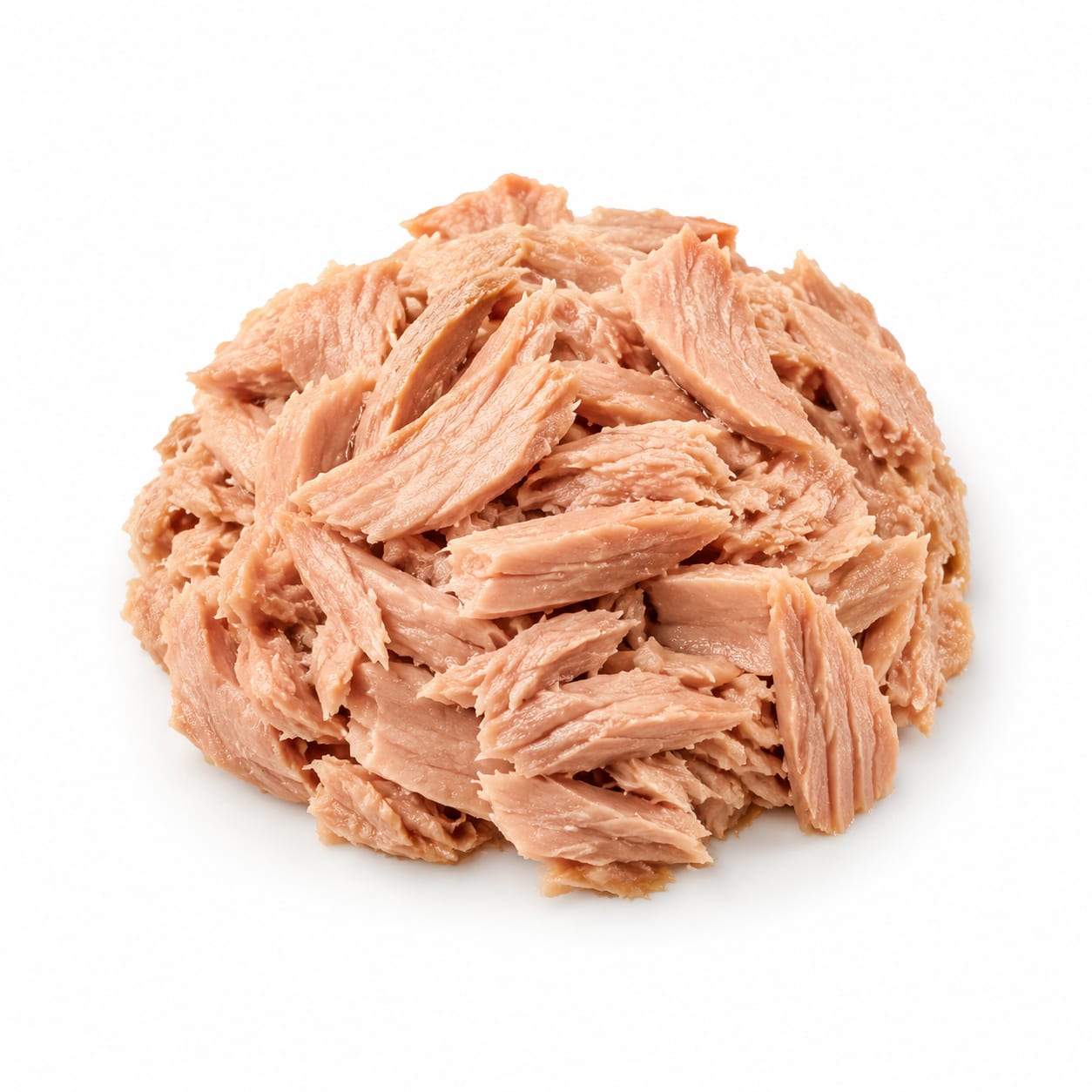
Tuna
Tuna wins for protein and convenience, but Bass is the safer choice for frequent eating due to lower mercury.
Bass scores slightly higher overall because its lower mercury content makes it safer for regular, long-term consumption. Tuna scores high for nutrition and convenience but loses ground on safety and sustainability.
You trade the ultra-convenient protein punch and higher omega-3s of Tuna for the lower mercury accumulation and milder flavor of Bass.
At a glance
Executive summary
Overall
It depends
Healthier
Bass
More practical
Tuna
Daily use
Bass
Key comparison lenses
Mercury and heavy metal exposure
Tuna is notorious for high mercury levels, which is the primary safety concern when comparing it to other fish like Bass.
Protein density and muscle building
Both are lean protein sources, but Tuna packs more protein per calorie, making it a staple for fitness goals.
Convenience and meal prep practicality
Canned Tuna is a shelf-stable pantry essential, whereas Bass typically requires refrigeration and cooking.
Omega-3 intake for heart health
Tuna generally offers more omega-3 fatty acids, though the exact amount varies by species and preparation.
Best choice for
Bass
- Pregnant women and children needing low-mercury fish
- People who eat fish multiple times a week
- Those preferring a mild, flaky white fish
Tuna
- Bodybuilders and athletes maximizing protein intake
- Budget-conscious meal preppers using canned fish
- Anyone needing a shelf-stable pantry protein
Least suitable for
Bass
- Those needing ultra-high protein per calorie
- Budget shoppers looking for cheap daily protein
Tuna
- Pregnant women or those planning to conceive
- People eating fish daily who need to watch mercury
Deep comparison
Dimension by dimension
Each lens scores both foods and breaks down who each option suits.
- Dimension 1 · Priority 95Bass
Mercury & Heavy Metal Safety
Bass · 85Tuna · 45Bass generally accumulates significantly less mercury than Tuna, making it a safer regular choice.
Tradeoff
Choosing Tuna gives you more omega-3s but comes with a much higher mercury load, which adds up if eaten often.
Why it matters
High mercury exposure impacts brain function and nervous system health, and the effects build up silently over time.
Real-world impact
Eating Tuna every day for lunch can push your mercury levels into the risk zone within weeks, whereas Bass can be eaten more frequently without the same worry.
Bass
- Regular fish eaters
- Pregnant women
- Children
Better for
- People looking for maximum omega-3 per serving
Worse for
Tuna
- Occasional fish eaters
- Those prioritizing nutrient density over frequency
Better for
- Anyone eating seafood more than twice a week
Worse for
- Dimension 2 · Priority 85Tuna
Protein Density & Satiety
Bass · 75Tuna · 92Tuna is one of the most protein-dense foods available, delivering more protein per calorie than Bass.
Tradeoff
You get more muscle-fueling protein from Tuna, but the leaner profile can leave you feeling less satisfied than a slightly fattier fish like Bass.
Why it matters
Higher protein density helps with muscle repair and keeps you full longer, which is crucial for weight management.
Real-world impact
A can of Tuna after a workout delivers a fast, lean protein hit, while a Bass fillet makes for a more balanced, satisfying dinner.
Bass
- Those wanting a more balanced macronutrient profile
- People who find very lean proteins unsatisfying
Better for
- Those needing maximum protein on a calorie deficit
Worse for
Tuna
- Athletes and bodybuilders
- Anyone tracking macros closely
Better for
- People who get hungry quickly after very lean meals
Worse for
- Dimension 3 · Priority 80Tuna
Convenience & Practicality
Bass · 40Tuna · 90Canned Tuna is a shelf-stable, ready-to-eat staple, while Bass requires refrigeration and cooking.
Tradeoff
Tuna is ready in seconds for a sandwich or salad, but Bass requires meal planning and preparation time.
Why it matters
Convenience often dictates what we actually eat on a busy Tuesday versus what we wish we ate.
Real-world impact
You can keep Tuna in your desk drawer for emergency protein; Bass requires defrosting, seasoning, and cooking.
Bass
- Home cooks planning a sit-down dinner
- Those who prefer fresh over canned flavors
Better for
- People with zero time to cook
Worse for
Tuna
- Office workers needing quick lunches
- Backpackers and campers
- Anyone building a budget pantry
Better for
- Those who dislike the taste or texture of canned fish
Worse for
- Dimension 4 · Priority 70Tuna
Omega-3 & Heart Health
Bass · 65Tuna · 80Tuna generally provides more heart-healthy omega-3 fatty acids than Bass.
Tradeoff
You get better anti-inflammatory benefits from Tuna, but you also absorb more heavy metals alongside those good fats.
Why it matters
Omega-3s are essential for heart and brain health, and most people do not get enough.
Real-world impact
Eating Tuna a couple of times a month gives a solid omega-3 boost, but you should balance it with lower-mercury sources like sardines or Bass on other days.
Bass
- Those getting omega-3s from other sources like walnuts or supplements
Better for
- Relying solely on Bass for omega-3 intake
Worse for
Tuna
- People who do not take fish oil supplements
- Those seeking maximum anti-inflammatory benefits
Better for
- Those at risk of mercury sensitivity
Worse for
Timeline
Health impact over time
Short-term
Hours to days
Bass
- Provides steady, high-quality protein without digestive heaviness
- Milder flavor is easier on the palate for fish-averse people
Tuna
- Highly satiating lean protein helps stabilize blood sugar quickly
- Canned versions can be high in sodium, leading to temporary bloating
Long-term
Months to years
Bass
- Lower mercury load makes it safer for long-term regular consumption
- Supports muscle maintenance and heart health without heavy metal risk
Tuna
- Regular high consumption can lead to mercury accumulation and neurological issues
- Excellent for sustained heart health and inflammation reduction if eaten in moderation
Risk profile
Safety & processing
Fresh or frozen Bass is typically a whole, minimally processed fillet. Most Tuna consumed is canned, which involves cooking, dehydration, and often added salt or preservatives like pyrophosphate.
Bass
Mercury exposure
lowBass generally has moderate to low mercury, making it a safer choice for regular consumption, though large sea bass can have slightly higher levels.
Parasites
lowLike all freshwater or near-shore fish, raw Bass can carry parasites, so it should be cooked or properly frozen before raw consumption.
Tuna
Mercury exposure
highTuna, especially albacore and bigeye, are large predatory fish that accumulate significant mercury, which is toxic to the nervous system.
High sodium in canned varieties
mediumCanned Tuna often contains high levels of added sodium, which can spike blood pressure if consumed frequently.
Scombroid poisoning
lowImproperly refrigerated fresh Tuna can produce high histamine levels, causing allergic-like reactions.
Who wins for whom
Audience fit
Same foods, different winners depending on your goal.
children
BassBass has significantly lower mercury, making it much safer for developing nervous systems in kids.
daily consumption
BassYou can safely eat Bass far more frequently than Tuna without risking heavy metal accumulation.
diabetes
TunaBoth have zero carbs, but Tuna's higher protein content provides a stronger satiety effect that helps manage cravings and blood sugar stability.
elderly
BassThe lower mercury content is safer for aging bodies, and the slightly softer, flakier texture of cooked Bass is easier to chew and digest.
muscle gain
TunaTuna offers a superior protein-to-calorie ratio, which is exactly what athletes need for muscle repair and growth.
weight loss
TunaTuna is extremely low in calories and very high in protein, making it highly effective for preserving muscle while cutting fat.
Your move
Decision guide
Choose Bass
- You want to eat fish more than twice a week without worrying about mercury
- You are pregnant, nursing, or cooking for young children
- You prefer a milder, sweeter white fish that pairs well with delicate sauces
Choose Tuna
- You need an affordable, shelf-stable protein source for your pantry
- You are an athlete or bodybuilder tracking macros and needing high protein
- You only eat fish occasionally and want maximum omega-3s when you do
Either works if
- You want a zero-carb, high-protein main course for dinner
- You are looking for versatile fish that can be baked, grilled, or pan-seared
Avoid both if
- You have a severe fish or seafood allergy
- You are strictly following a plant-based diet
Final recommendation
Let frequency dictate your choice. Keep canned Tuna on hand for occasional convenient protein hits, but rely on Bass for your regular fish dinners to keep mercury levels low and your long-term health on track.
Practical
Consumer tips
- 1
If buying canned Tuna, choose skipjack (light Tuna) over albacore (white Tuna) to cut mercury exposure by about a third.
- 2
Look for Tuna canned in water rather than oil to save on empty calories, and choose low-sodium options if available.
- 3
When buying Bass, check if it is farmed or wild-caught; US farmed Striped Bass is generally a sustainable and low-contaminant choice.
- 4
Rinsing canned Tuna under water can remove up to 20% of the sodium.