
Nutrition comparison
Bass vs Trout: Which Fish Is Healthier and Safer to Eat?
Compare bass and trout on omega-3s, mercury levels, sustainability, and taste. Find out which fish is better for heart health, kids, and regular meals.
Overall winner · Trout
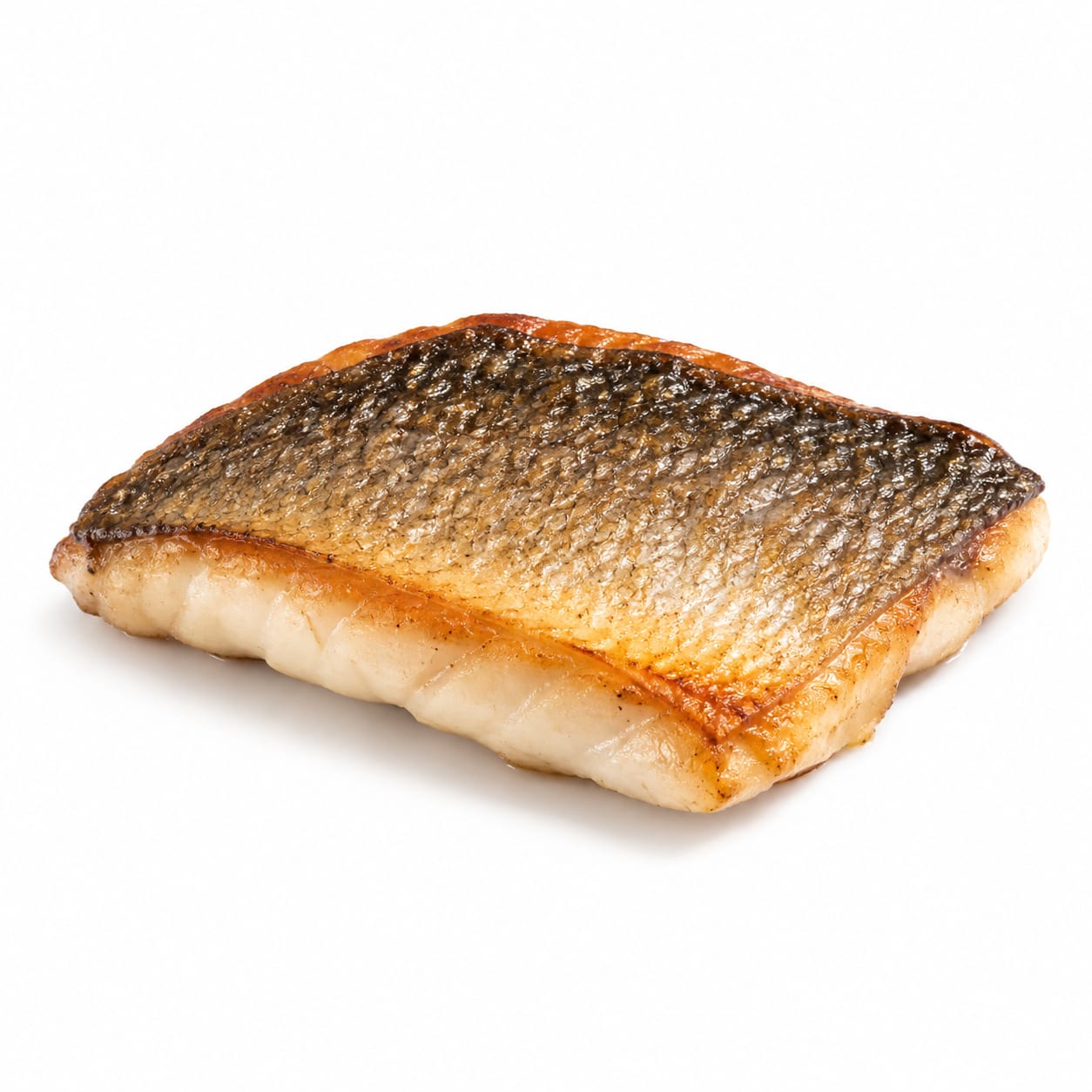
Bass
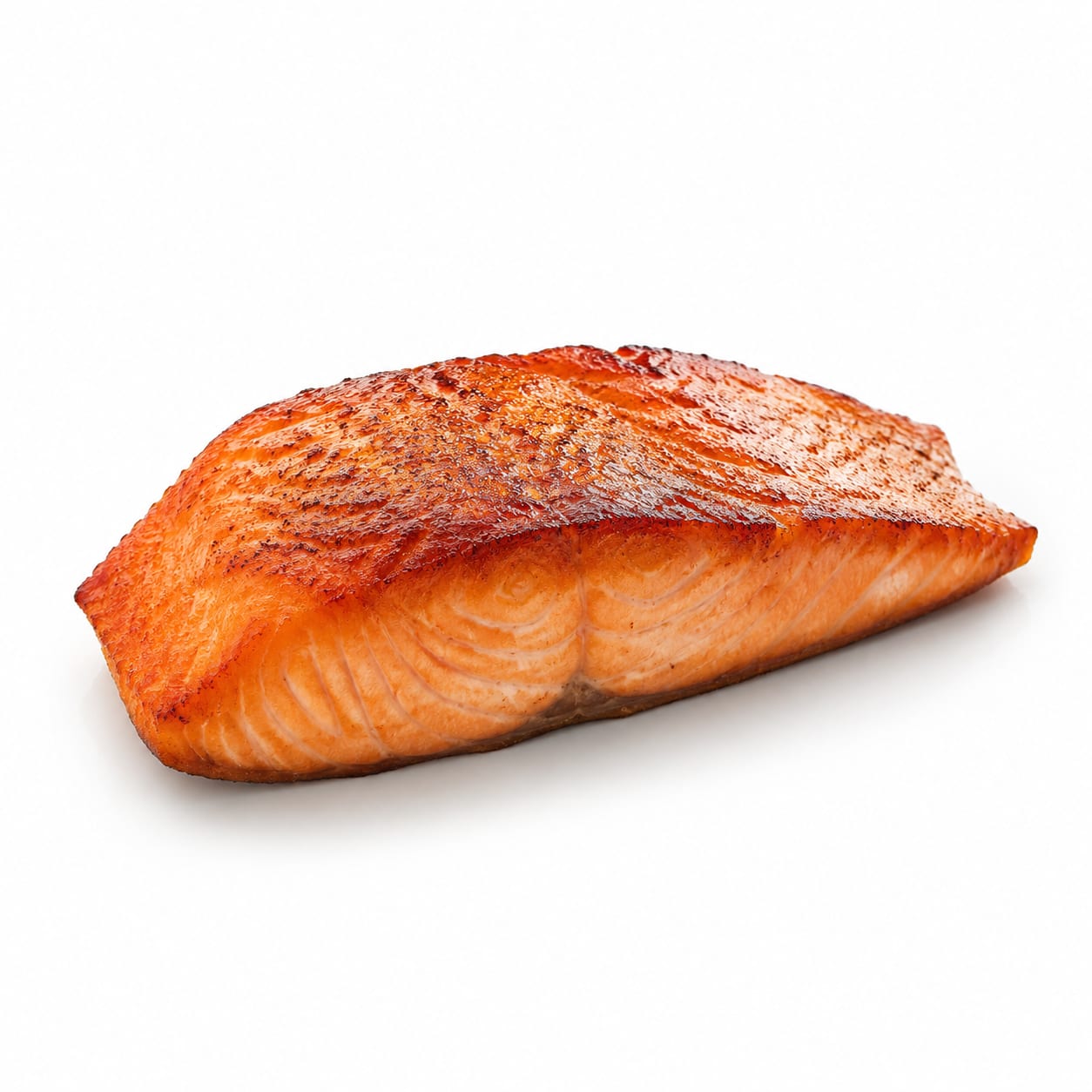
Trout
Trout delivers more omega-3s, carries less mercury risk, and is easier to find sustainably sourced — making it the safer regular choice for most people.
Trout wins convincingly on omega-3 content, mercury safety, and sustainability. Bass remains a solid lean protein but carries meaningful tradeoffs for regular consumption.
Bass offers a leaner, milder fillet that some prefer for grilling, but you sacrifice omega-3 content and accept higher contaminant exposure.
At a glance
Executive summary
Overall
Trout
Healthier
Trout
More practical
Trout
Daily use
Trout
Key comparison lenses
omega-3 and heart health comparison
Trout is notably richer in omega-3 fatty acids, making this the most consequential nutritional difference between the two fish
mercury and contaminant safety
Bass, particularly largemouth and striped varieties, can carry significantly higher mercury loads than trout, a critical concern for regular consumers
everyday meal versatility and availability
Trout is more consistently available fresh and easier to prepare at home, while bass availability varies widely by region and season
sustainability and sourcing
Farmed rainbow trout is one of the most sustainable fish options, while bass sustainability depends heavily on species and source
Best choice for
Bass
- People who prefer leaner, milder fish
- Grilling and high-heat cooking where firm texture matters
- Those watching fat intake closely
- Anglers catching fresh largemouth or sea bass
Trout
- Heart health and omega-3 optimization
- Pregnant women and children due to lower mercury
- People eating fish 2+ times per week
- Those seeking sustainable farmed fish options
Least suitable for
Bass
- Pregnant women (higher mercury risk)
- Frequent fish eaters concerned about cumulative mercury
- Those prioritizing omega-3 intake
Trout
- People who dislike richer, oilier fish
- Dishes requiring very lean white fish texture
Deep comparison
Dimension by dimension
Each lens scores both foods and breaks down who each option suits.
- Dimension 1 · Priority 95Trout
omega-3 and anti-inflammatory benefits
Bass · 45Trout · 88Trout provides roughly 2-3 times more omega-3 fatty acids than bass, delivering substantially more heart and brain protection per serving.
Tradeoff
Bass is leaner and lower in calories, but you miss out on the anti-inflammatory benefits that make fish worth eating regularly.
Why it matters
Omega-3s are the primary reason health authorities recommend eating fish twice weekly. Choosing a low-omega-3 fish undermines that goal.
Real-world impact
A trout dinner gives you closer to your weekly omega-3 target in one meal; bass leaves you needing another fatty fish serving that week.
Bass
- Calorie-conscious meals where lower fat is preferred
Better for
- People relying on fish as their primary omega-3 source
Worse for
Trout
- Heart health routines
- Anti-inflammatory eating patterns
- Brain health and cognitive support
- Meeting weekly omega-3 targets efficiently
Better for
- Strict low-fat dietary protocols
Worse for
- Dimension 2 · Priority 90Trout
mercury and contaminant safety
Bass · 50Trout · 82Bass, especially largemouth and striped bass, consistently shows higher mercury levels than rainbow trout, which is among the cleaner fish choices.
Tradeoff
Wild-caught bass may feel more natural, but it often carries more environmental contaminants than responsibly farmed trout.
Why it matters
Mercury accumulates over time and affects neurological health. This matters enormously for pregnant women, children, and frequent fish eaters.
Real-world impact
You can eat trout 2-3 times per week with minimal concern. Bass requires more caution, especially if sourced from unknown waters.
Bass
- Rare consumption where mercury accumulation is minimal
Better for
- Regular consumption by vulnerable populations
Worse for
Trout
- Pregnant and breastfeeding women
- Children
- People eating fish multiple times weekly
- Anyone concerned about long-term heavy metal exposure
Better for
- No significant safety downside relative to bass
Worse for
- Dimension 3 · Priority 78It depends
protein quality and content
Bass · 76Trout · 78Both fish deliver excellent complete protein with all essential amino acids. Trout has a slight edge due to higher overall nutrient density.
Tradeoff
The protein difference is negligible in practice — both are strong choices for muscle maintenance and satiety.
Why it matters
Protein quality from fish is consistently high. This dimension rarely drives the decision between these two.
Real-world impact
A 6-ounce fillet of either fish provides roughly 30-35 grams of high-quality protein. The difference won't affect your daily meal planning.
Bass
- Slightly leaner protein for cutting phases
Better for
- No meaningful protein disadvantage
Worse for
Trout
- Post-workout meals where added fats aid nutrient absorption
Better for
- No meaningful protein disadvantage
Worse for
- Dimension 4 · Priority 72Trout
sustainability and sourcing reliability
Bass · 55Trout · 85Farmed rainbow trout is rated as a Best Choice by seafood sustainability guides. Bass sustainability varies dramatically by species and source.
Tradeoff
Sea bass farming has improved but still faces concerns. Wild bass populations vary regionally, making it harder to choose confidently.
Why it matters
Sustainable choices protect future supply and often correlate with lower contaminant levels.
Real-world impact
You can grab farmed trout at most grocery stores knowing it's a responsible pick. Bass requires more research to source well.
Bass
- Locally caught bass from known clean waters
Better for
- Imported sea bass with unclear farming practices
Worse for
Trout
- Grocery shoppers wanting a reliable sustainable option
- Environmentally conscious consumers
- People who want simple choices without research
Better for
- No significant sustainability downside
Worse for
- Dimension 5 · Priority 65It depends
flavor versatility and cooking ease
Bass · 72Trout · 70Bass has a firmer, leaner texture that excels on the grill. Trout is richer and more forgiving with simple preparations like pan-searing or baking.
Tradeoff
Bass holds up better to high heat and bold seasonings. Trout delivers more flavor on its own but can dry out if overcooked.
Why it matters
The fish you enjoy cooking and eating consistently matters more than marginal nutritional differences.
Real-world impact
Grilling enthusiasts may prefer bass. Weeknight home cooks often find trout simpler and more rewarding with minimal seasoning.
Bass
- Grilling and blackening preparations
- Dishes where firm texture matters
- People who prefer mild fish flavor
Better for
- Delicate preparations where flakiness is desired
Worse for
Trout
- Quick pan-seared weeknight dinners
- Simple preparations with lemon and herbs
- Smoked fish applications
Better for
- High-heat grilling where leaner fish performs better
Worse for
Timeline
Health impact over time
Short-term
Hours to days
Bass
- Lean, satisfying protein that keeps you full without feeling heavy
- Mild flavor makes it easy to pair with various sides
Trout
- Richer mouthfeel from healthy fats makes meals more satisfying
- Omega-3s may support post-meal mood and mental clarity
Long-term
Months to years
Bass
- Regular consumption may contribute to mercury accumulation depending on source
- Lower omega-3 intake means less cardiovascular protection compared to fattier fish
Trout
- Consistent omega-3 intake supports heart health, brain function, and reduced inflammation
- Low contaminant profile makes it safe for long-term regular consumption
Risk profile
Safety & processing
Both bass and trout are whole, minimally processed foods when purchased fresh. Farmed trout may receive feed additives, but the final product remains clean. Neither typically contains artificial preservatives when sold fresh.
Bass
Mercury contamination
mediumLargemouth and striped bass frequently test moderate to high for mercury. Sea bass varies but is generally lower. Source matters enormously.
PCB and industrial pollutants
mediumWild bass from industrialized waterways may carry elevated PCBs. Always check local advisories for caught fish.
Parasites in wild-caught fish
lowCommon in freshwater bass. Proper cooking or freezing eliminates risk.
Trout
Mercury contamination
lowRainbow trout consistently ranks among the lowest-mercury fish available. Safe for frequent consumption including by vulnerable populations.
Farmed fish antibiotic concerns
lowUS farmed trout operations have improved significantly. Antibiotic use is limited and well-regulated compared to some imported species.
Parasites in wild-caught trout
lowPresent but manageable with proper cooking. Most store-bought trout is farmed and monitored.
Who wins for whom
Audience fit
Same foods, different winners depending on your goal.
children
TroutLower mercury makes trout the clear safer choice for developing nervous systems. The richer flavor may also appeal more to some kids.
daily consumption
TroutLower mercury, higher omega-3s, and better sustainability make trout the safer and more beneficial fish to eat regularly.
diabetes
TroutTrout's omega-3s improve insulin sensitivity and reduce inflammation. Both have zero carbs, but trout offers more metabolic protection.
elderly
TroutOmega-3s support cognitive health and joint function, both key concerns for older adults. Trout's softer texture when cooked can also be easier to eat.
muscle gain
It dependsBoth provide excellent complete protein in similar amounts. Trout's omega-3s may slightly benefit recovery, but the difference is marginal.
weight loss
It dependsBass is leaner with fewer calories per serving, but trout's higher fat content increases satiety, potentially reducing overall food intake. Both work well.
Your move
Decision guide
Choose Bass
- You prefer lean, mild fish and don't eat fish frequently enough for mercury to accumulate
- You're grilling outdoors and want a firm fillet that holds together
- You catch your own bass from known clean waters
- You're specifically limiting dietary fat intake
Choose Trout
- Heart health and omega-3 intake are priorities
- You eat fish multiple times per week
- You're feeding children or pregnant women
- You want a sustainable choice without research
- You prefer richer flavor that needs minimal enhancement
Either works if
- You just need a solid protein source and both are fresh
- You're rotating fish types to vary nutrient intake
- Both are available at similar prices and quality
Avoid both if
- You have a fish allergy
- You're sourcing from waters with known contamination advisories
- You can't verify freshness from your supplier
Final recommendation
Make trout your default fish choice for regular meals. It delivers more of what makes fish worth eating — omega-3s — while carrying less of what makes you hesitate — mercury. Enjoy bass occasionally when you want something leaner or when you've sourced it confidently, but don't make it your twice-weekly staple.
Practical
Consumer tips
- 1
Check Seafood Watch or similar guides before buying bass — sustainability and safety vary dramatically by species and source
- 2
Farmed rainbow trout from the US is consistently rated as a best choice for both sustainability and low contaminant levels
- 3
If buying wild-caught bass, check your state's fish advisory for the specific waterway it came from
- 4
Whole trout is often cheaper than fillets and simple to prepare — just season and bake
- 5
Freeze any wild-caught fish for at least 7 days before raw preparations to kill parasites
- 6
Trout's higher fat content means it stays moist longer — more forgiving for beginner cooks