
Nutrition comparison
Bass vs Tilapia: Which Fish Is Healthier? Nutrition, Safety, and Taste Compared
Compare Bass and Tilapia on omega-3s, mercury, farming safety, price, and taste. Learn which fish is better for heart health, weight loss, and daily meals.
Overall winner · Bass
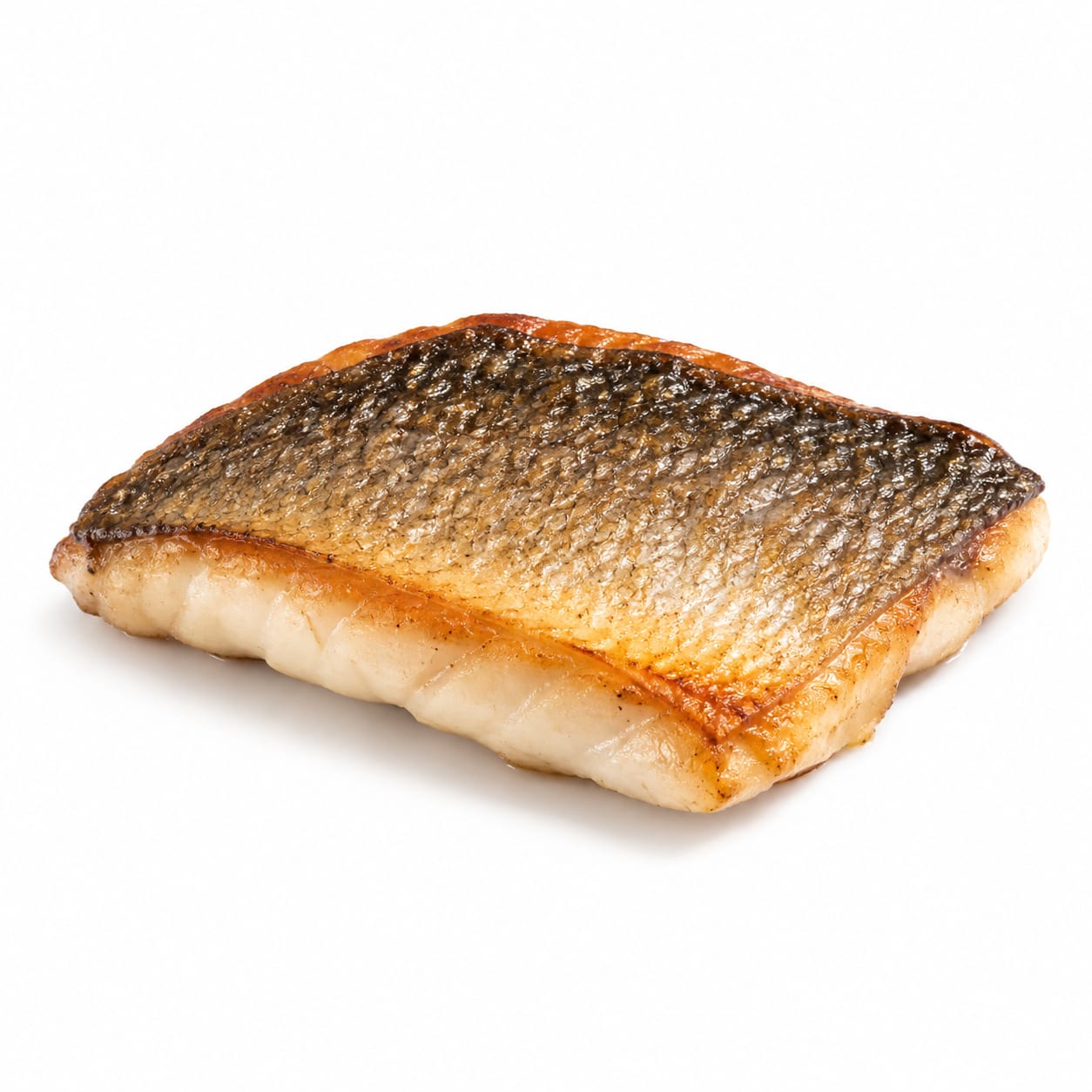
Bass
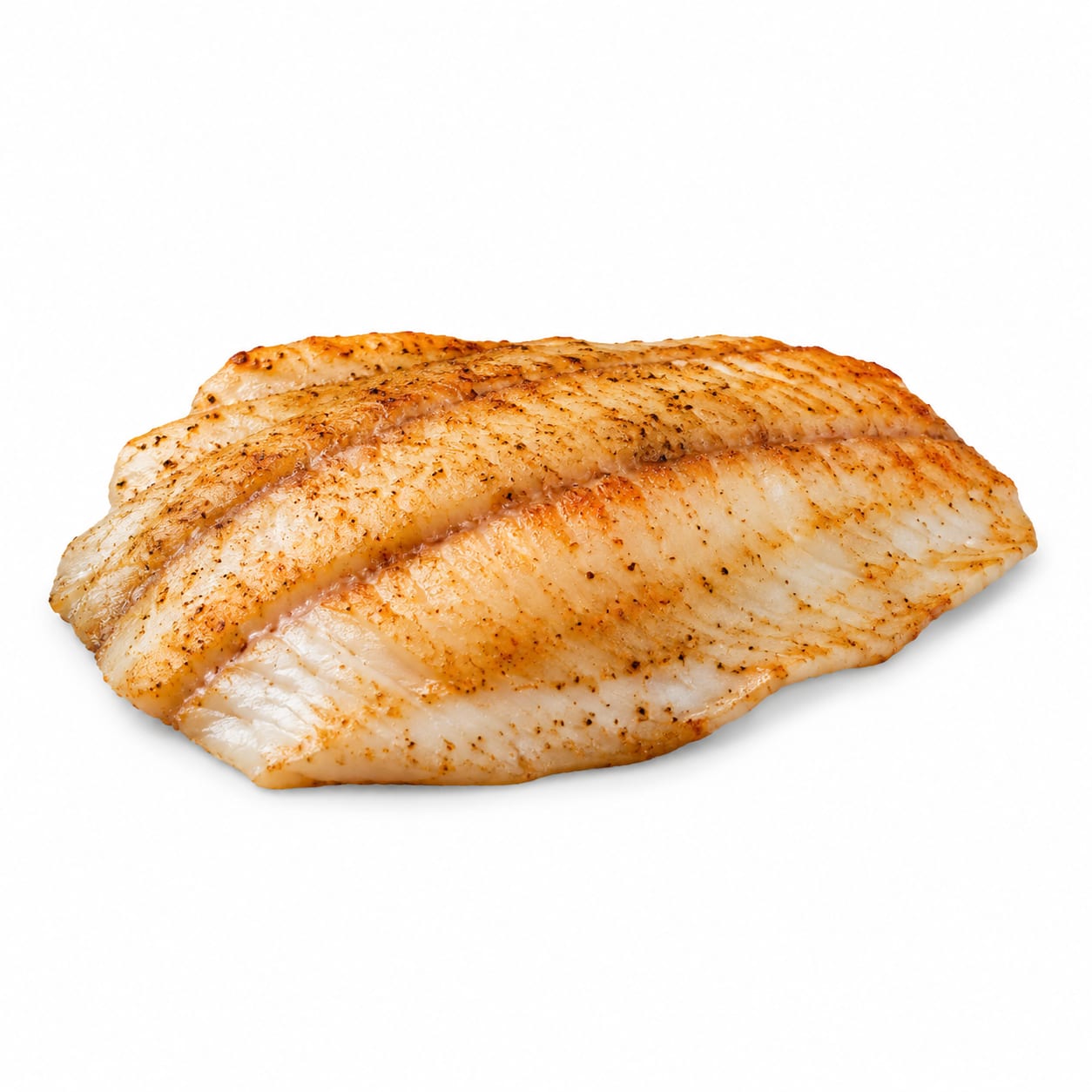
Tilapia
Bass delivers superior nutrition with more omega-3s and a better anti-inflammatory profile, while Tilapia wins on price and availability but carries farming and omega-6 concerns.
Bass scores notably higher due to its omega-3 content, superior fat profile, and wild-caught availability. Tilapia loses ground on inflammatory fat ratios and farming concerns, though it remains a viable affordable protein source.
You're choosing between Bass's stronger nutritional benefits and Tilapia's budget-friendly convenience, with an important gap in healthy fat quality.
At a glance
Executive summary
Overall
Bass
Healthier
Bass
More practical
Tilapia
Daily use
It depends
Key comparison lenses
omega-3 and healthy fat comparison
Bass significantly outperforms Tilapia in omega-3 content, which is the primary reason people choose fish for health
contamination and farming safety concerns
Tilapia's industrial farming practices raise antibiotic and feed quality concerns, while certain Bass varieties carry mercury risks
inflammatory profile comparison
Tilapia has an unfavorable omega-6 to omega-3 ratio that may promote inflammation, a critical long-term health factor
affordability and accessibility
Tilapia is one of the most budget-friendly fish available, making it a practical staple for many households
environmental sustainability
Both fish have sustainability considerations but of different types - overfishing for wild Bass and intensive farming for Tilapia
Best choice for
Bass
- People prioritizing heart and brain health through omega-3s
- Those avoiding industrially farmed fish
- Home cooks wanting richer flavor and firmer texture
- Anyone seeking anti-inflammatory food choices
Tilapia
- Budget-conscious families needing affordable lean protein
- Meal preppers who want mild-flavored fish for versatile recipes
- People new to eating fish who prefer a less fishy taste
- Those who need widely available protein at most grocery stores
Least suitable for
Bass
- Households on tight food budgets
- Those who need to limit mercury exposure, especially pregnant women depending on the Bass species
- Meal preppers looking for the cheapest protein option
Tilapia
- People specifically eating fish for omega-3 benefits
- Those concerned about antibiotic exposure from industrial aquaculture
- Anyone managing inflammatory conditions who needs a favorable fat profile
- Consumers prioritizing wild-caught or sustainably sourced seafood
Deep comparison
Dimension by dimension
Each lens scores both foods and breaks down who each option suits.
- Dimension 1 · Priority 95Bass
Omega-3 and Healthy Fat Quality
Bass · 85Tilapia · 30Bass provides substantially more omega-3 fatty acids, while Tilapia is notably low in these beneficial fats and higher in omega-6s.
Tradeoff
Tilapia's omega-6 to omega-3 ratio can exceed 10:1 in farmed varieties, potentially promoting inflammation rather than fighting it.
Why it matters
If you're eating fish primarily for the heart and brain benefits of omega-3s, Tilapia barely delivers on that promise.
Real-world impact
Regular Bass consumption supports steadier mental focus and cardiovascular health. Tilapia functions more as generic lean protein than a brain-protective food.
Bass
- Heart health optimization
- Brain function and cognitive support
- Reducing systemic inflammation
Better for
- Higher calorie count per serving due to fat content
Worse for
Tilapia
- Low-fat calorie control when omega-3s come from other sources
Better for
- May worsen inflammation if relied on as primary fish source
- Does not deliver the omega-3 benefits most people expect from fish
Worse for
- Dimension 2 · Priority 90It depends
Contamination and Safety Risks
Bass · 65Tilapia · 55Bass carries mercury concerns depending on species and source, while Tilapia raises antibiotic and farming practice concerns. Different risks for different fish.
Tradeoff
Wild Bass may have mercury, but farmed Tilapia may have antibiotic residues and poorer water quality standards depending on country of origin.
Why it matters
Both fish carry real but different safety considerations that matter for pregnant women, children, and frequent fish eaters.
Real-world impact
Choosing Chilean sea bass too often can raise mercury exposure. Choosing poorly sourced Tilapia can mean consuming antibiotic residues and lower-grade feed byproducts.
Bass
- Wild-caught varieties avoid antibiotic concerns entirely
- US-sourced Bass has stricter regulation
Better for
- Larger Bass species accumulate more mercury over time
- Chilean sea bass specifically carries high mercury warnings
Worse for
Tilapia
- Generally lower mercury levels than larger predatory fish
- FDA considers it low-mercury for pregnancy guidelines
Better for
- Industrial farming in some countries uses antibiotics banned in the US
- Feed quality concerns including potential contamination
- Crowded farm conditions increase disease risk
Worse for
- Dimension 3 · Priority 80Bass
Protein Quality and Content
Bass · 82Tilapia · 75Both are solid lean protein sources, but Bass offers slightly more protein per serving with a more complete amino acid profile.
Tradeoff
The protein difference is modest, but Bass edges ahead in bioavailability and micronutrient density alongside its protein.
Why it matters
For muscle maintenance and satiety, both work well. The gap here is smaller than the omega-3 gap.
Real-world impact
A Bass fillet keeps you slightly more satisfied after a meal, but both fish work well as post-workout protein sources.
Bass
- Higher protein density per serving
- More micronutrients alongside protein including selenium and B12
Better for
- Higher price per gram of protein
Worse for
Tilapia
- Still provides solid lean protein at a fraction of the cost
- Very low fat means easier macro management for some diets
Better for
- Less micronutrient density alongside the protein
Worse for
- Dimension 4 · Priority 75Tilapia
Affordability and Accessibility
Bass · 35Tilapia · 90Tilapia is one of the most affordable and widely available fish on the market. Bass is a premium-priced option with less consistent availability.
Tradeoff
You pay significantly more for Bass's nutritional advantages, which may not fit weekly grocery budgets.
Why it matters
The best fish nutritionally only matters if you can actually afford to eat it regularly.
Real-world impact
Tilapia lets a family of four eat fish twice a week for under $15. Bass might cost that much for a single serving.
Bass
- Available fresh at quality seafood counters
- Wild-caught options increasingly available
Better for
- Can cost $15-25+ per pound depending on variety
- Inconsistent availability outside coastal areas
Worse for
Tilapia
- Available frozen year-round at nearly every grocery store
- Often under $4 per pound frozen
- Consistent supply and pricing
Better for
- Low price sometimes reflects corners cut in farming practices
Worse for
- Dimension 5 · Priority 85Bass
Inflammatory Profile
Bass · 80Tilapia · 35Bass has an anti-inflammatory fat profile, while farmed Tilapia's high omega-6 content may actually contribute to inflammation.
Tradeoff
This is Tilapia's most significant nutritional weakness. Eating it as your primary fish could work against anti-inflammatory goals.
Why it matters
Chronic inflammation drives heart disease, joint pain, and metabolic issues. Your fish choice should help, not hinder.
Real-world impact
Someone eating Tilapia three times weekly thinking they're reducing inflammation may be disappointed compared to swapping in Bass or salmon even once a week.
Bass
- Omega-3s actively reduce inflammation
- Balanced fat profile supports recovery and joint health
Better for
- Minimal concern here
Worse for
Tilapia
- Very low total fat means less inflammatory potential from total fat intake
Better for
- Omega-6 to omega-3 ratio among the worst of common fish
- Farmed feed based on corn and soy increases omega-6 content
- Can be more inflammatory than eating a burger according to some analyses
Worse for
- Dimension 6 · Priority 70It depends
Environmental Sustainability
Bass · 55Tilapia · 50Both have sustainability challenges. Overfishing threatens some Bass populations, while Tilapia's intensive farming creates ecological concerns.
Tradeoff
Wild Bass may contribute to overfishing, but Tilapia farming can pollute waterways and depend on resource-intensive feed.
Why it matters
Your food choices affect ocean health and future seafood availability beyond your personal nutrition.
Real-world impact
Choosing US-farmed Tilapia or sustainably certified Bass helps, but neither is a clear environmental winner.
Bass
- Some Bass fisheries are well-managed with MSC certification
- Wild populations can recover with proper regulation
Better for
- Chilean sea bass is notoriously overfished
- Some Bass populations are depleted
Worse for
Tilapia
- Plant-based feed options improving in some farms
- US-farmed Tilapia has better environmental standards
Better for
- Intensive farming in developing countries damages local ecosystems
- Escaped farm fish threaten native species
- Feed sourcing can be unsustainable
Worse for
Timeline
Health impact over time
Short-term
Hours to days
Bass
- Provides satisfying, filling protein that keeps hunger at bay for hours
- Omega-3s may support mental clarity and steadier mood after eating
- Richer flavor feels more like a complete meal, reducing post-dinner snacking urges
Tilapia
- Light, easy-to-digest protein that sits comfortably in the stomach
- Mild flavor works well for people who find fish overpowering or nausea-inducing
- Very low calorie density supports short-term calorie deficit goals
Long-term
Months to years
Bass
- Regular omega-3 intake supports cardiovascular health and may lower heart disease risk
- Anti-inflammatory benefits may reduce joint stiffness and chronic pain over time
- Better cognitive protection with consistent consumption into older age
Tilapia
- Affordable protein access supports muscle maintenance on a budget
- Unfavorable omega-6 ratio may gradually increase inflammatory markers if eaten as primary fish
- Farming contaminants from some sources could pose cumulative exposure risks
Risk profile
Safety & processing
Both fish are whole foods, but Tilapia's farming ecosystem introduces more variables including potential antibiotic residues, feed additives, and water quality concerns that Bass typically avoids when wild-caught.
Bass
Mercury accumulation
mediumLarger and longer-lived Bass species accumulate more mercury. Chilean sea bass is particularly concerning. Striped and largemouth Bass from freshwater can also vary widely. Check local advisories for freshwater catches.
Parasite risk in raw preparations
lowFreshwater Bass carries slightly higher parasite risk than marine fish. Always cook thoroughly or use properly frozen fish for raw preparations.
Tilapia
Antibiotic residues from farming
mediumTilapia farmed in certain countries may contain antibiotic residues from intensive production. China and some Southeast Asian sources have had repeated violations. US, Canadian, and Ecuadorian farms maintain better standards.
Poor feed quality and contamination
mediumLow-cost Tilapia farming sometimes uses animal byproduct feeds and lower-quality ingredients that can introduce contaminants. This varies dramatically by source country.
Microplastic exposure
lowFarmed fish in closed systems may have less microplastic exposure than wild fish, though feed itself can be a source.
Who wins for whom
Audience fit
Same foods, different winners depending on your goal.
children
It dependsTilapia's low mercury and mild flavor make it kid-friendly, but Bass offers better brain-supporting fats. Rotate both, prioritizing low-mercury Bass sources.
daily consumption
TilapiaTilapia's low mercury levels make it safer for frequent consumption, though its inflammatory profile suggests mixing in higher omega-3 fish several times per week.
diabetes
BassBass's anti-inflammatory omega-3s help improve insulin sensitivity, while Tilapia's inflammatory fat profile may work against metabolic health goals.
elderly
BassOmega-3s from Bass support cognitive preservation, joint health, and cardiovascular protection, all critical concerns for aging adults.
muscle gain
BassBass offers slightly more protein per serving alongside beneficial omega-3s that support exercise recovery and reduce muscle inflammation.
weight loss
It dependsTilapia's lower calorie count helps with strict calorie tracking, but Bass's higher protein and fat content provides more satiety, making it easier to eat less overall without feeling deprived.
Your move
Decision guide
Choose Bass
- Heart and brain health are your top priorities
- You can afford premium fish and want maximum nutritional return
- You're managing inflammatory conditions like arthritis or autoimmune issues
- You prefer rich, meaty fish with more satisfying flavor
- You eat fish 1-2 times per week and want each serving to count nutritionally
Choose Tilapia
- Budget is the primary constraint and you need affordable lean protein
- You meal prep in bulk and need consistent, cheap protein sources
- You or your family members dislike strong fish flavors
- You're already getting omega-3s from salmon, sardines, or supplements
- You need widely available fish that any grocery store stocks year-round
Either works if
- You rotate multiple protein sources throughout the week anyway
- You're primarily seeking lean protein rather than specific omega-3 intake
- Neither fish is your sole seafood source
Avoid both if
- You have a confirmed fish allergy
- You're strictly vegan or vegetarian
- You're pregnant and cannot verify the mercury levels of available Bass or the sourcing of available Tilapia
Final recommendation
Eat Bass when you can afford it and want your fish to actively improve your health. Choose Tilapia when you need practical, budget-friendly protein but supplement your omega-3s elsewhere. The ideal approach is eating Bass or other fatty fish 1-2 times weekly and using Tilapia as an affordable filler on other days. Always check sourcing: US-farmed Tilapia and sustainably caught Bass minimize the biggest safety concerns for each.
Practical
Consumer tips
- 1
Look for country of origin labels on Tilapia. US, Canada, and Ecuador are generally safer farming sources than China or Southeast Asia.
- 2
For Bass, choose striped bass or US-sourced varieties over Chilean sea bass to reduce mercury exposure significantly.
- 3
If buying frozen Tilapia, check that the ingredient list contains only fish, not sodium tripolyphosphate or other preservatives.
- 4
Pair Tilapia with omega-3-rich sides like walnuts or a side of sardines to offset its inflammatory fat profile.
- 5
Freshwater Bass caught locally may have specific mercury advisories. Check your state's fish advisory database before eating locally caught Bass.
- 6
Consider keeping both in your rotation: Bass for nutritional impact, Tilapia for budget-friendly meal prep days.
- 7
If Tilapia is your primary fish, add a quality fish oil or algae oil supplement to cover your omega-3 needs.