
Nutrition comparison
Bass vs Swordfish: Nutrition, Mercury, and Health Comparison
Comparing bass and swordfish? Discover which fish is safer for regular consumption, how their mercury levels compare, and which is better for your health goals.
Overall winner · Bass
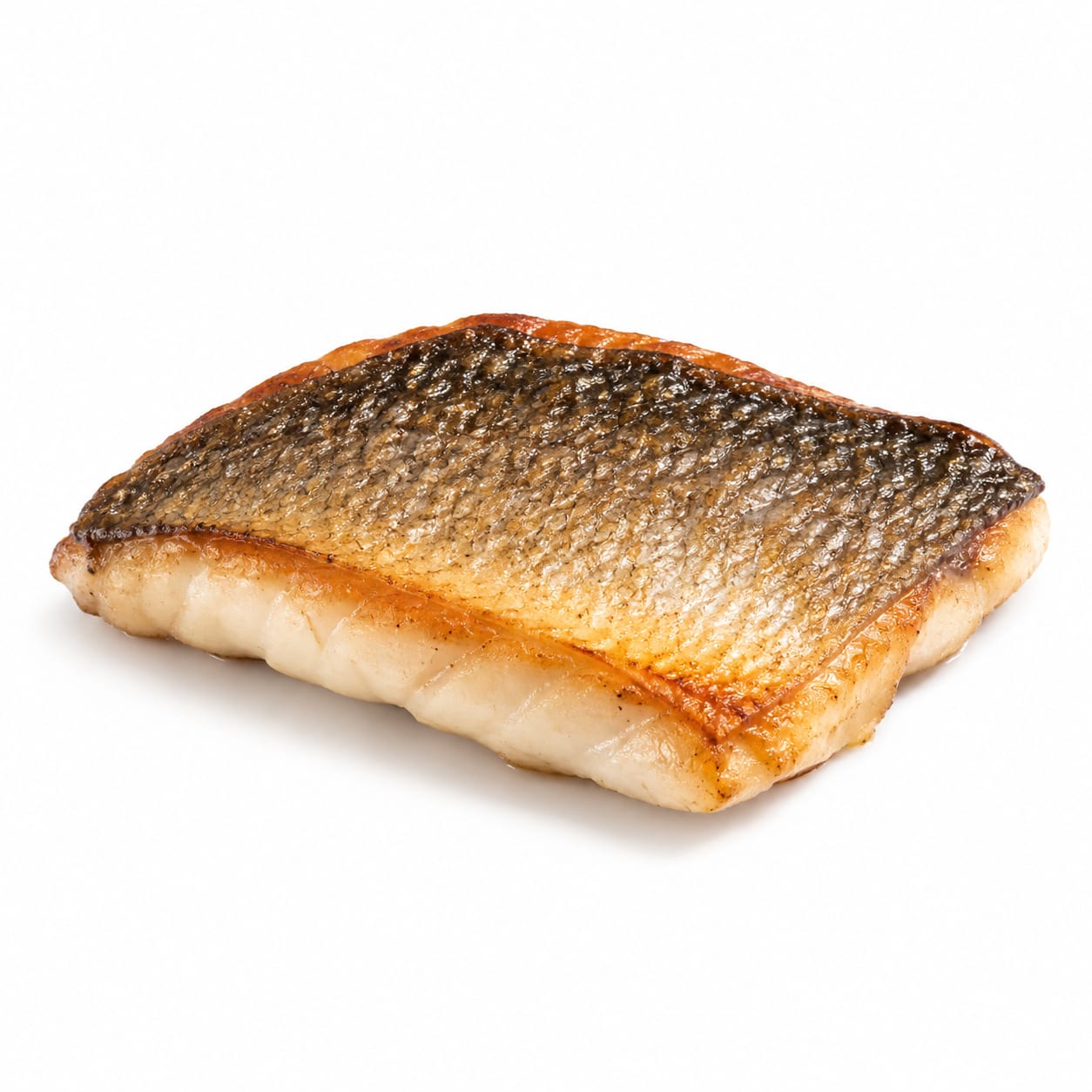
Bass
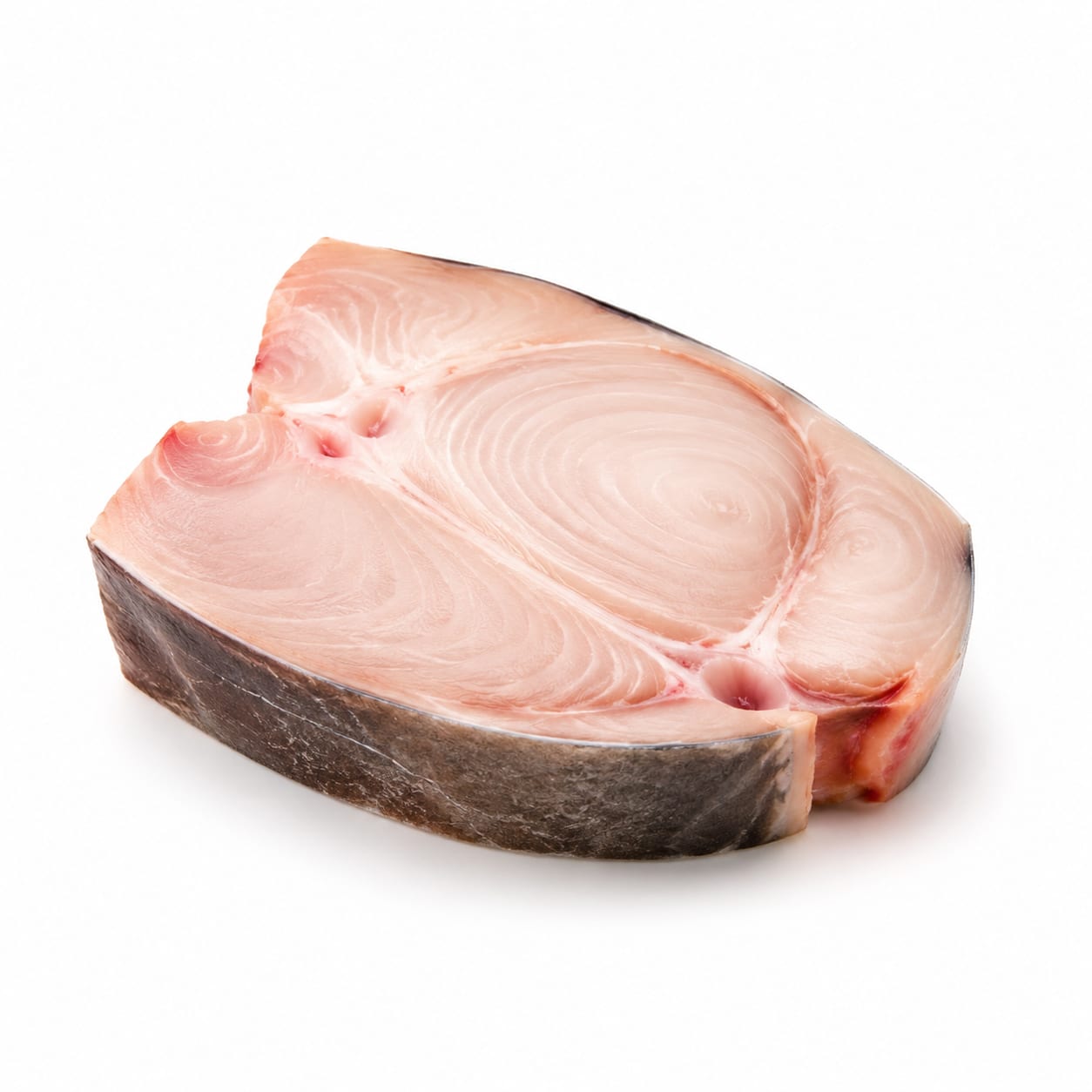
Swordfish
Bass is the safer, more versatile choice for regular eating, while swordfish is a risky but flavorful treat.
Bass scores significantly higher due to its safe mercury levels and versatility for frequent consumption. Swordfish loses major points for heavy metal contamination risks that strictly limit how often you can eat it.
You trade the meaty texture and higher omega-3s of swordfish for the significantly lower mercury and safer weekly consumption of bass.
At a glance
Executive summary
Overall
Bass
Healthier
Bass
More practical
Bass
Daily use
Bass
Key comparison lenses
Mercury and heavy metal exposure
Swordfish is notoriously high in mercury, making safety the primary concern when comparing these two fish.
Safe consumption frequency
Bass can be eaten regularly while swordfish must be strictly limited, heavily impacting meal planning.
Protein quality and muscle support
Both are dense protein sources, but swordfish offers slightly more protein per serving.
Omega-3 intake for heart health
Swordfish has a stronger omega-3 profile, but the mercury tradeoff complicates its health benefits.
Best choice for
Bass
- Weekly meal prep
- Families and children
- Pregnant or nursing women
- Heart-healthy regular diets
Swordfish
- Occasional grilling occasions
- Steak-like fish cravings
- High-protein bulk meals
Least suitable for
Bass
- Those seeking a dense, steak-like fish texture
Swordfish
- Pregnant women
- Children
- Frequent seafood eaters
- Those with heavy metal sensitivity
Deep comparison
Dimension by dimension
Each lens scores both foods and breaks down who each option suits.
- Dimension 1 · Priority 98Bass
Mercury and Contamination Safety
Bass · 85Swordfish · 20Bass has moderate to low mercury depending on the variety, while swordfish is one of the highest-mercury fish available.
Tradeoff
Swordfish offers dense nutrition but comes with a serious heavy metal load that limits intake to once a month or less.
Why it matters
High mercury exposure affects brain function, nervous system health, and is especially dangerous for developing children.
Real-world impact
You can comfortably eat bass once or twice a week, but swordfish requires strict portion tracking to avoid toxic buildup.
Bass
- Regular weekly meal rotation
- Pregnancy diets
- Children's meals
Better for
Swordfish
- Cognitive health if eaten frequently
- Safe long-term dietary habits
Worse for
- Dimension 2 · Priority 75Swordfish
Protein Density and Satiety
Bass · 78Swordfish · 88Swordfish is slightly richer in protein and has a denser, more filling texture than bass.
Tradeoff
The extra protein in swordfish is great, but you cannot eat enough of it to use it as a primary protein source without mercury risks.
Why it matters
Higher protein meals keep you full longer and support muscle maintenance more effectively.
Real-world impact
A swordfish steak feels like a hearty main course that leaves you satisfied for hours, whereas bass feels lighter.
Bass
- Lighter dinners
- Post-workout meals without feeling heavy
Better for
- Those needing very high protein in a single sitting
Worse for
Swordfish
- Heavy muscle-building meals
- Appetite suppression
Better for
- Dimension 3 · Priority 65Swordfish
Omega-3 Fatty Acids
Bass · 65Swordfish · 80Swordfish provides more omega-3 fats per serving than bass, offering stronger anti-inflammatory benefits.
Tradeoff
The omega-3 advantage is overshadowed by the inflammatory and neurotoxic potential of the mercury it comes with.
Why it matters
Omega-3s support heart health, joint function, and mood stability.
Real-world impact
Eating swordfish gives you a good dose of healthy fats, but safer fish like salmon or bass offer a better risk-to-reward ratio.
Bass
- Consistent, low-risk omega-3 intake
Better for
Swordfish
- Maximizing omega-3s per meal
Better for
- Net anti-inflammatory benefit is compromised by mercury
Worse for
- Dimension 4 · Priority 70Bass
Culinary Versatility
Bass · 85Swordfish · 65Bass has a flaky, mild texture that works in many recipes, while swordfish is strictly a meaty, steak-like experience.
Tradeoff
Swordfish holds up beautifully to grilling but limits your cooking options compared to the adaptable bass.
Why it matters
A versatile fish makes meal prep easier and prevents diet boredom.
Real-world impact
Bass can be baked, pan-fried, or used in tacos and soups. Swordfish is best grilled or broiled as a standalone centerpiece.
Bass
- Varied recipe integration
- Tacos and stews
- Baking and steaming
Better for
- Holding up on the grill
Worse for
Swordfish
- BBQ and grilling
- Steak replacements
Better for
- Delicate recipe applications
Worse for
Timeline
Health impact over time
Short-term
Hours to days
Bass
- Provides steady, high-quality protein without digestive heaviness
- Light and satisfying for lunch or dinner
Swordfish
- Very filling due to dense protein and fat content
- Can feel heavy if eaten in large portions
Long-term
Months to years
Bass
- Supports heart and brain health safely with regular consumption
- Low risk of heavy metal accumulation
Swordfish
- Risk of mercury accumulation affecting neurological and cardiovascular health
- Beneficial omega-3s are negated if eaten too frequently
Risk profile
Safety & processing
Both bass and swordfish are whole, natural proteins with no artificial additives, though environmental contaminants are the real concern rather than processing.
Bass
Mercury exposure
lowMost bass varieties like striped or sea bass have moderate to low mercury, making them safe for weekly consumption.
Parasites
lowLike all wild fish, proper cooking eliminates any parasite risk.
Swordfish
Mercury toxicity
highSwordfish is a large predatory fish that accumulates significant mercury. The FDA advises pregnant women and children to avoid it entirely.
Microplastics and pollutants
mediumAs an apex ocean predator, swordfish also accumulates other persistent organic pollutants.
Who wins for whom
Audience fit
Same foods, different winners depending on your goal.
children
BassSwordfish is explicitly recommended against for children due to high mercury, while bass is generally safe in moderation.
daily consumption
BassBass can be eaten multiple times a week safely; swordfish should be limited to once a month at most.
diabetes
BassBoth have zero carbs, but bass is safer for the frequent consumption needed in a consistent diabetes-friendly diet.
elderly
BassOlder adults benefit from the safe, regular omega-3 intake of bass without the neurological risks of swordfish mercury.
muscle gain
SwordfishSwordfish offers slightly more protein per serving and a denser texture, though its mercury content limits how often you can rely on it.
weight loss
BassBass is lower in calories and fat while still providing high satiety, making it easier to fit into a calorie deficit regularly.
Your move
Decision guide
Choose Bass
- You want a safe, go-to fish for weekly meals
- You are pregnant, nursing, or feeding kids
- You prefer a lighter, flakier fish texture
- You want versatile protein for various recipes
Choose Swordfish
- You are craving a meaty, steak-like fish for the grill
- You rarely eat seafood and want a treat
- You need a very high-protein main course for a special occasion
Either works if
- You just want a zero-carb, high-protein dinner
- You are bored with chicken and want a seafood alternative
Avoid both if
- You have a severe fish or shellfish allergy
- You are looking for a plant-based omega-3 source
Final recommendation
Make bass your everyday fish for its safety and versatility, and treat swordfish as an occasional indulgence rather than a staple.
Practical
Consumer tips
- 1
If choosing swordfish, limit your portion to 6 ounces and eat it no more than once a month to keep mercury exposure low.
- 2
Look for sustainably caught bass, like US farmed striped bass, for the best environmental and health profile.
- 3
Marinating bass in citrus and herbs enhances its mild flavor without adding heavy calories.
- 4
If grilling swordfish, a simple olive oil and garlic rub is all you need—skip heavy sauces to enjoy the meaty texture.