
Nutrition comparison
Bass vs Snapper: Nutrition, Mercury, and Taste Comparison
Compare Bass and Snapper to find out which fish is healthier. Learn about mercury levels, omega-3 content, calories, and the best uses for each fish.
Overall winner · Snapper
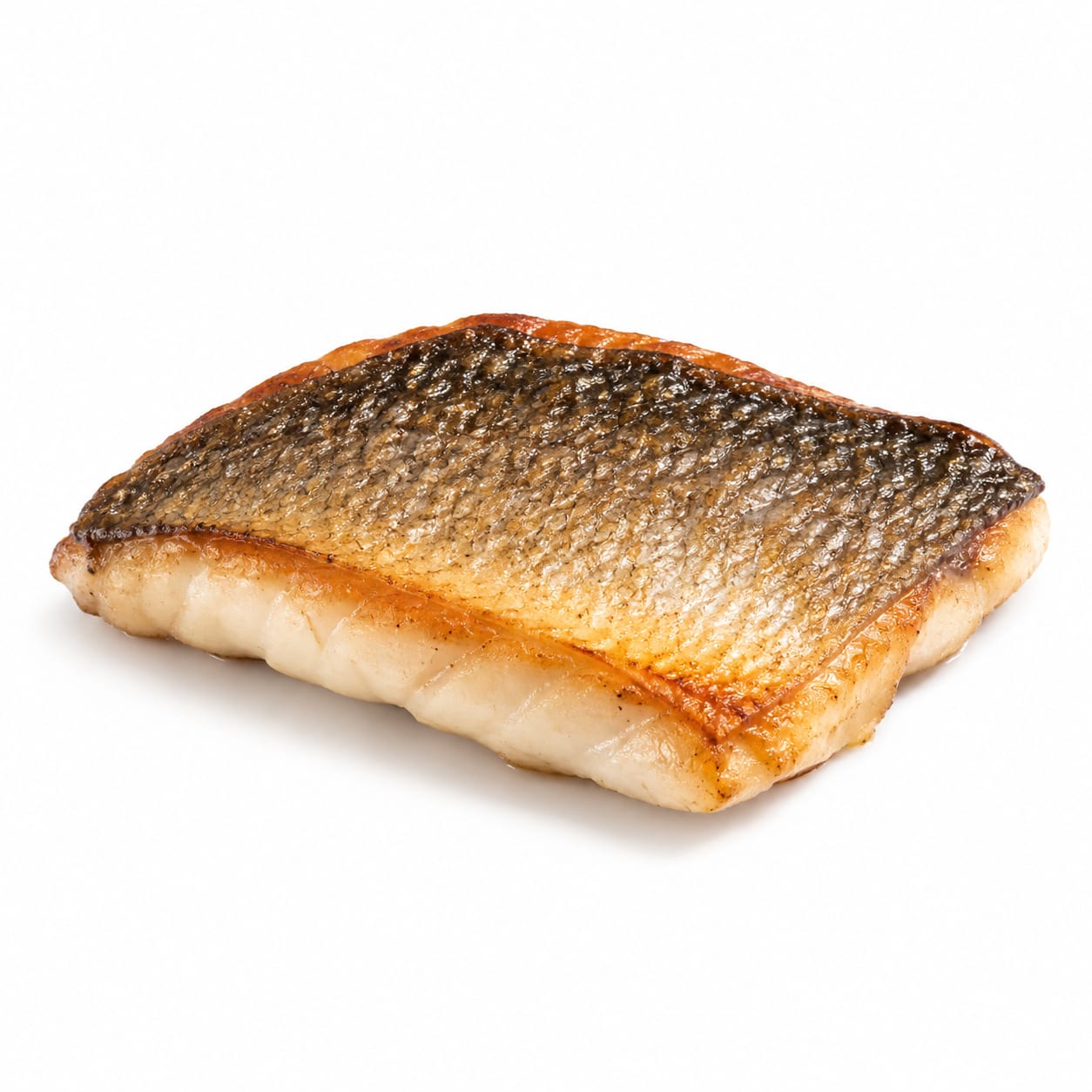
Bass
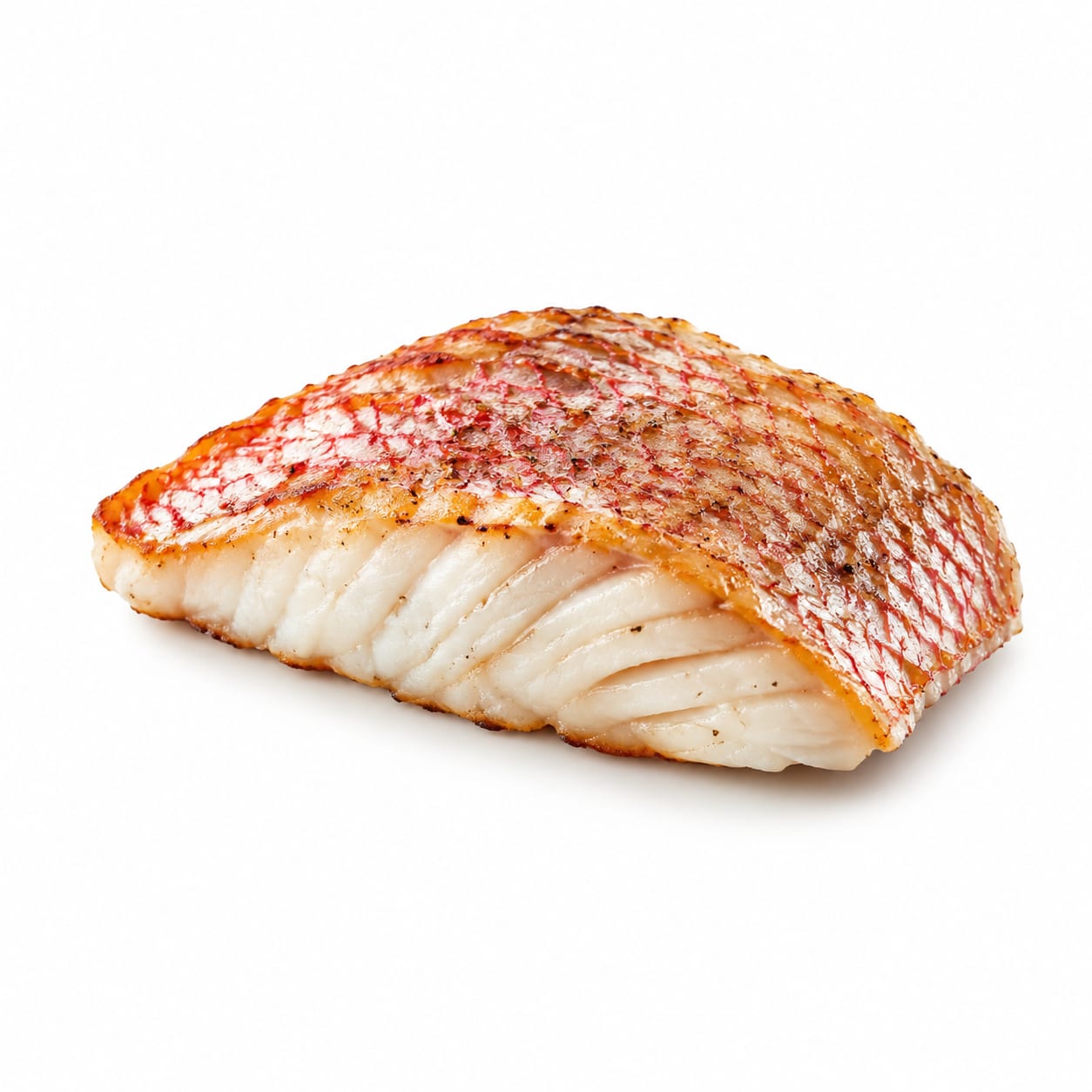
Snapper
Snapper is the safer, leaner choice for regular meals, while Bass offers a richer, more indulgent omega-3 boost but comes with higher mercury risks.
Snapper scores higher overall due to its leaner profile and lower mercury content, making it a safer and more sustainable everyday protein. Bass scores respectably for its omega-3 content and rich flavor but is penalized for heavy metal risks and higher calories.
You trade the buttery richness and higher omega-3s of Bass for the leaner profile and lower mercury levels of Snapper.
At a glance
Executive summary
Overall
Snapper
Healthier
Snapper
More practical
Snapper
Daily use
Snapper
Key comparison lenses
Mercury and heavy metal exposure
Bass (especially Chilean Sea Bass) tends to have significantly higher mercury levels than Snapper, making safety a primary concern for frequent consumers.
Fat content and omega-3 intake
Bass is notably fattier and richer in omega-3s, while Snapper is a leaner protein source, affecting how they fit into different diets.
Calorie density and weight management
The higher fat content in Bass makes it more calorie-dense, which matters for portion control and weight loss goals.
Best choice for
Bass
- Those wanting a rich, buttery fish for special occasions
- People prioritizing high omega-3 intake without supplements
- Keto or high-fat diet followers
Snapper
- People eating fish multiple times a week
- Those watching their calorie and fat intake
- Pregnant women or those concerned about mercury
Least suitable for
Bass
- Pregnant women or young children due to mercury
- Those strictly monitoring calorie intake
- People on low-fat diets
Snapper
- Those looking for a rich, oily fish experience
- People who need high omega-3s from whole food sources alone
Deep comparison
Dimension by dimension
Each lens scores both foods and breaks down who each option suits.
- Dimension 1 · Priority 90Bass
Heart Health & Omega-3s
Bass · 88Snapper · 65Bass provides significantly more omega-3 fatty acids due to its higher fat content, making it better for reducing inflammation and supporting heart health.
Tradeoff
You get more heart-healthy fats with Bass, but you also consume more overall fat and calories.
Why it matters
Omega-3s are crucial for cardiovascular and brain health, and fatty fish are the best dietary source.
Real-world impact
Eating Bass can help you hit your omega-3 targets more easily, reducing the need for fish oil supplements.
Bass
- Reducing inflammation naturally
- Meeting daily omega-3 targets through food
Better for
- Those counting total fat grams
Worse for
Snapper
- Keeping total dietary fat low while still getting lean protein
Better for
- Relying solely on diet for high omega-3 intake
Worse for
- Dimension 2 · Priority 95Snapper
Mercury & Contaminant Safety
Bass · 45Snapper · 75Snapper generally carries a moderate mercury load, while large Bass (like Chilean Sea Bass) often ranks high in mercury, posing risks with frequent consumption.
Tradeoff
Choosing Snapper means slightly lower omega-3s but significantly less heavy metal exposure over time.
Why it matters
High mercury consumption can impair neurological function and is especially dangerous for pregnant women and children.
Real-world impact
You can comfortably eat Snapper a couple of times a week without worrying about mercury buildup, whereas Bass should be limited to occasional meals.
Bass
- No significant safety advantages
Better for
- Frequent consumers at risk of mercury accumulation
- Unsafe for regular consumption during pregnancy
Worse for
Snapper
- Safer for weekly meal prep
- Better peace of mind regarding heavy metals
Better for
- Still not a low-mercury fish like sardines, so portions matter
Worse for
- Dimension 3 · Priority 80Snapper
Calorie Density & Weight Management
Bass · 60Snapper · 90Snapper is a naturally lean fish with fewer calories per serving, while Bass is richer and more calorie-dense.
Tradeoff
Bass is more satiating due to its fat content, but Snapper makes cutting calories much easier.
Why it matters
If you are trying to lose or maintain weight, lean proteins help keep you full without pushing you over your calorie budget.
Real-world impact
A Snapper fillet saves you 50-100 calories compared to Bass, which adds up if fish is a regular part of your diet.
Bass
- Higher fat keeps you full longer on low-carb diets
Better for
- Higher calorie count can sneak up on portion sizes
Worse for
Snapper
- Easier to fit into a calorie deficit
- Lighter feeling after meals
Better for
- May feel less satisfying without added healthy fats
Worse for
Timeline
Health impact over time
Short-term
Hours to days
Bass
- High satiety from the rich fat content
- Provides steady energy without blood sugar spikes
Snapper
- Light, clean energy that won't weigh you down
- Quick digesting lean protein ideal for post-workout
Long-term
Months to years
Bass
- Excellent cardiovascular support from high omega-3s if mercury is managed
- Risk of heavy metal accumulation if consumed too frequently
Snapper
- Sustainable lean protein source for weight maintenance
- Lower risk of mercury-related neurological issues
Risk profile
Safety & processing
Both Bass and Snapper are whole, minimally processed foods when purchased fresh or frozen. The main concerns are environmental contaminants rather than artificial additives.
Bass
Mercury contamination
highLarge Bass species like Chilean Sea Bass are long-lived predators that accumulate significant mercury, limiting safe intake frequency.
Overfishing and sustainability
mediumSome Bass populations are overfished or caught using destructive methods, though certified sustainable options exist.
Snapper
Mislabeling
mediumSnapper is one of the most frequently mislabeled fish in the seafood industry, meaning you might get a different, potentially lower-quality species.
Moderate mercury
lowSnapper has moderate mercury levels, safe for most adults in moderation but should be limited for pregnant women.
Who wins for whom
Audience fit
Same foods, different winners depending on your goal.
children
SnapperSnapper has lower mercury levels, making it a safer option for developing bodies, though portions should still be moderate.
daily consumption
SnapperSnapper's lower mercury footprint makes it safe to eat more often than Bass without risking heavy metal accumulation.
diabetes
BassThe higher fat content in Bass slows digestion and stabilizes blood sugar more effectively, though both are excellent zero-carb choices.
elderly
BassThe rich omega-3 content in Bass strongly supports brain health and fights age-related inflammation, assuming infrequent consumption to manage mercury.
muscle gain
SnapperSnapper provides a high amount of lean protein per calorie, which is ideal for building muscle without gaining excess fat.
weight loss
SnapperSnapper is much lower in calories and fat, making it easier to maintain a calorie deficit while keeping protein high.
Your move
Decision guide
Choose Bass
- You want a rich, buttery meal for a special occasion
- You are on a keto diet and need higher fat intake
- You rarely eat fish and want maximum omega-3s when you do
Choose Snapper
- You eat fish multiple times a week and need a safe staple
- You are watching your calories or trying to lose weight
- You are pregnant, nursing, or cooking for young children
Either works if
- You just want a high-quality whole-food protein source
- You are making a fish taco or ceviche where leaner and fattier fish both work well
Avoid both if
- You have a severe seafood allergy
- You are looking for the absolute lowest mercury fish (choose sardines or salmon instead)
Final recommendation
Make Snapper your go-to for everyday fish dinners due to its lean profile and safer mercury levels. Save Bass for occasional indulgent meals where its buttery texture and omega-3 richness can really shine.
Practical
Consumer tips
- 1
Look for MSC-certified Bass to ensure sustainable fishing practices and better quality.
- 2
Buy Snapper from trusted fishmongers to reduce the high risk of mislabeling.
- 3
If choosing Bass, stick to smaller portions (4-6 oz) to manage both calorie and mercury intake.
- 4
Pair Snapper with a healthy fat like olive oil or avocado to boost satiety and absorption of fat-soluble vitamins.