
Nutrition comparison
Bass vs Salmon: Which Fish Is Healthier for You?
Compare bass and salmon on omega-3s, mercury, protein, and health benefits. Learn which fish is better for heart health, weight loss, and daily nutrition.
Overall winner · Salmon
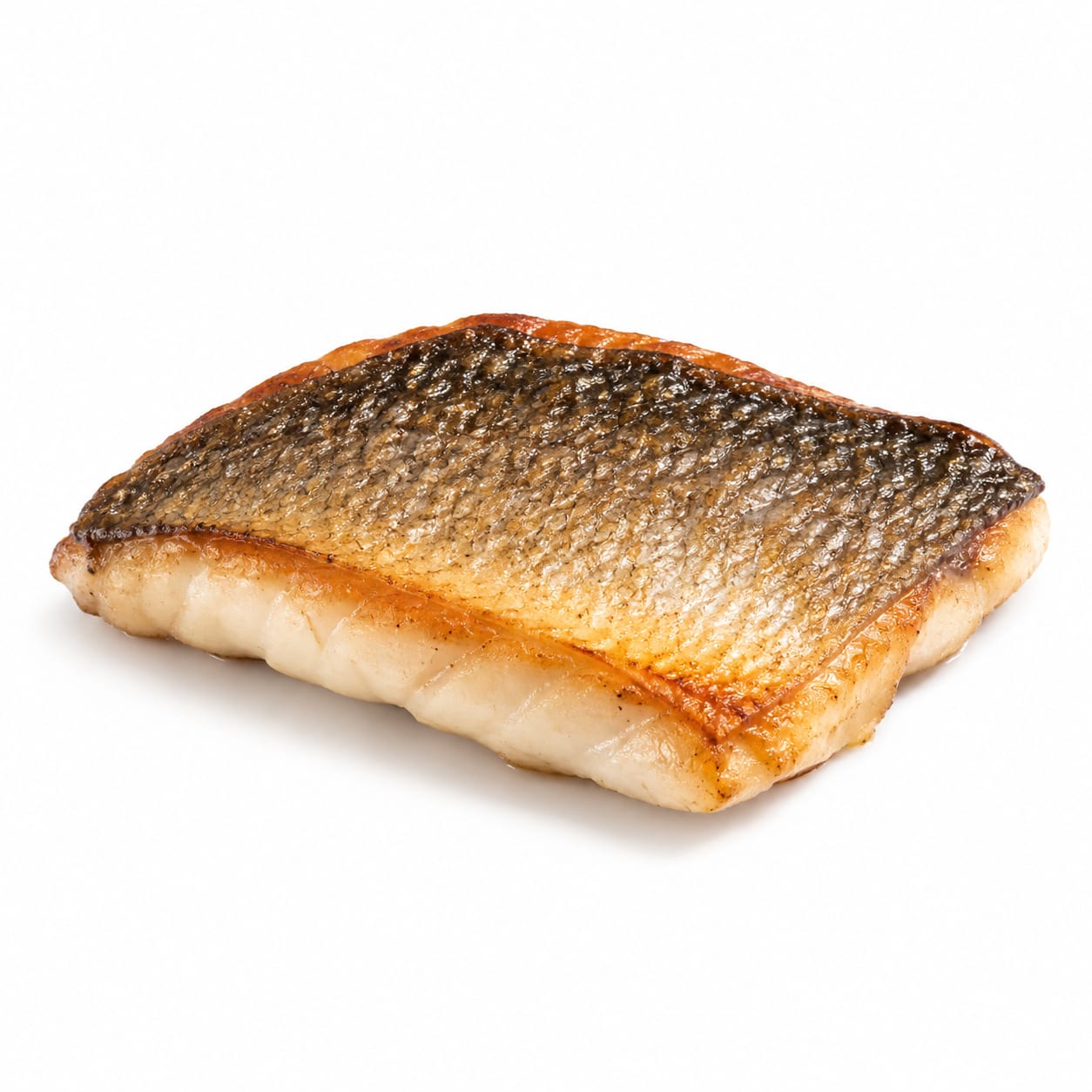
Bass
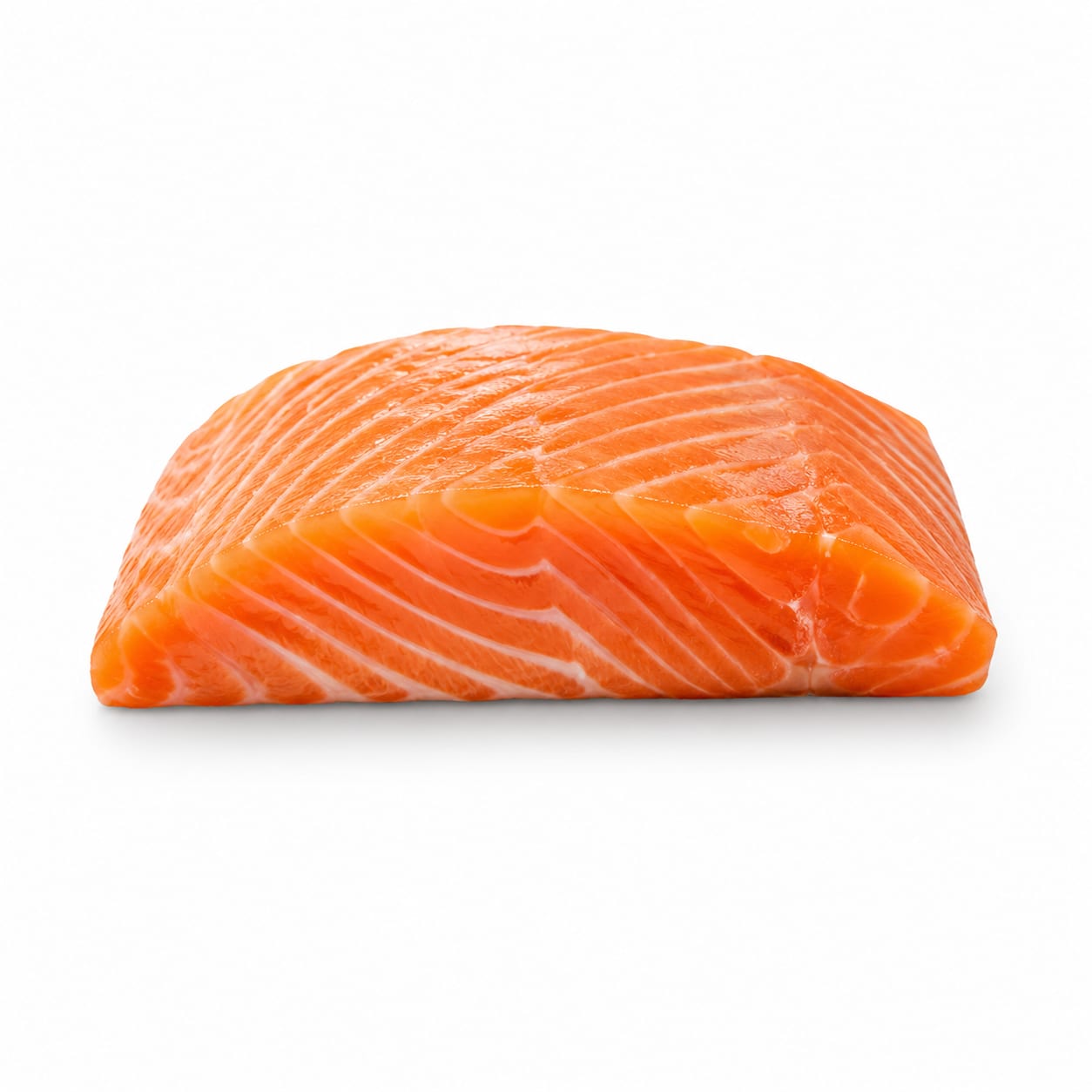
Salmon
Salmon dominates on omega-3s and overall nutritional density, but bass earns its place as a leaner, lighter alternative with fewer calories per serving.
Salmon scores significantly higher due to its exceptional omega-3 content, vitamin D levels, and stronger evidence for chronic disease prevention. Bass remains a solid lean protein but lacks the nutritional density that makes salmon a top-tier health food.
You choose between salmon's powerhouse omega-3 content and bass's leaner calorie profile. Salmon feeds your brain and heart more directly; bass keeps things lighter.
At a glance
Executive summary
Overall
Salmon
Healthier
Salmon
More practical
Salmon
Daily use
Salmon
Key comparison lenses
omega-3 and heart health comparison
Salmon is one of the richest omega-3 sources available while bass is comparatively lean, making this the dominant health differentiator
mercury and contaminant safety
Certain bass species accumulate more mercury than salmon, a critical concern for regular fish consumption
lean vs fatty protein choice
Bass offers lean protein while salmon delivers fat-soluble nutrients, representing a fundamental dietary tradeoff
sustainability and sourcing
Both fish have significant sustainability considerations depending on whether they are wild-caught or farmed
meal versatility and flavor preference
Bass has a milder flavor suited to many preparations while salmon's richness defines the dish
Best choice for
Bass
- People counting calories who still want quality protein
- Those who find fatty fish too heavy or rich
- Anyone monitoring mercury from frequent seafood consumption who wants variety
- Anglers eating their own fresh catch
Salmon
- Heart health and cardiovascular protection
- Brain function and cognitive support
- Getting maximum omega-3s from food rather than supplements
- Anti-inflammatory dietary approaches
Least suitable for
Bass
- Those specifically seeking high omega-3 intake from food
- People avoiding potentially higher-mercury freshwater fish
- Anyone wanting the most nutrient-dense option per calorie spent
Salmon
- People on strict low-fat or low-calorie diets
- Those who dislike rich, oily fish flavors
- Budget-conscious shoppers where salmon is expensive
Deep comparison
Dimension by dimension
Each lens scores both foods and breaks down who each option suits.
- Dimension 1 · Priority 97Salmon
omega-3 fatty acids
Bass · 25Salmon · 95Salmon delivers roughly 3-5 times more omega-3s per serving than bass, making it one of the best dietary sources available.
Tradeoff
Bass's leanness means fewer omega-3s but also fewer calories from fat, which matters if you are watching intake closely.
Why it matters
Omega-3s from fish are the most bioavailable form and directly support heart rhythm, brain cell membranes, and inflammation control.
Real-world impact
Eating salmon twice weekly can meaningfully raise your omega-3 levels within weeks. Bass alone would not move the needle as effectively.
Bass
- Lower total fat intake
- Lighter meal feel
Better for
- Insufficient as a primary omega-3 source
- May need supplementation to meet needs
Worse for
Salmon
- Cardiovascular protection
- Brain health and mood support
- Joint inflammation reduction
- Meeting omega-3 targets without supplements
Better for
- Higher calories from fat
- Can feel too rich for some palates
Worse for
- Dimension 2 · Priority 85Salmon
protein quality and content
Bass · 72Salmon · 82Both provide excellent complete protein, but salmon edges ahead with slightly more protein per serving and a more favorable amino acid profile for recovery.
Tradeoff
Bass offers lean protein with fewer accompanying calories, which can be advantageous in calorie-controlled plans.
Why it matters
Protein quality affects muscle maintenance, satiety, and metabolic health. Both fish deliver well here.
Real-world impact
After a workout, salmon's protein plus omega-3s may support slightly better recovery. Bass still works well if you prefer a lighter post-exercise meal.
Bass
- Lean protein without extra fat calories
- Good for cutting phases in fitness
Better for
- Slightly less protein density per serving
Worse for
Salmon
- Slightly higher protein per serving
- Protein paired with anti-inflammatory fats for recovery
Better for
- More calories per gram of protein consumed
Worse for
- Dimension 3 · Priority 90Salmon
mercury and contaminant exposure
Bass · 45Salmon · 75Largemouth and smallmouth bass tend to accumulate more mercury than most salmon, especially freshwater bass from certain waters.
Tradeoff
Wild-caught Alaskan salmon has some of the lowest mercury levels among fish. Farmed salmon has different contaminant patterns but still generally tests lower than bass.
Why it matters
Mercury exposure affects neurological health and is especially concerning for pregnant women and children. Frequent consumption amplifies risk.
Real-world impact
If you eat fish multiple times per week, choosing salmon over bass reduces your cumulative mercury exposure meaningfully over months and years.
Bass
- Sea bass varieties have lower mercury than freshwater bass
Better for
- Freshwater bass often carries mercury advisories
- Risk increases with fish size and water source
- Not ideal for pregnant women without checking advisories
Worse for
Salmon
- Wild Alaskan salmon is consistently low in mercury
- Better choice for frequent fish eaters
- Safer for pregnant women and children
Better for
- Farmed salmon may contain more PCBs than wild
- Not completely contaminant-free
Worse for
- Dimension 4 · Priority 80Salmon
vitamin and mineral density
Bass · 55Salmon · 88Salmon is notably rich in vitamin D, B12, and selenium, often exceeding bass by significant margins across multiple micronutrients.
Tradeoff
Bass still provides solid B-vitamins and selenium but cannot match salmon's vitamin D content, which many people lack.
Why it matters
Vitamin D deficiency is widespread and salmon is one of the few natural food sources. This alone makes it nutritionally distinctive.
Real-world impact
A single salmon serving can provide your full daily vitamin D target. Bass covers only a fraction of that need.
Bass
- Still a good source of B12 and selenium
- Lower calorie micronutrient delivery
Better for
- Much less vitamin D
- Fewer fat-soluble vitamins overall
Worse for
Salmon
- Exceptional vitamin D content
- High B12 for energy and nerve health
- Rich in astaxanthin, a powerful antioxidant
- Broad micronutrient coverage per serving
Better for
- None significant in this dimension
Worse for
- Dimension 5 · Priority 72Bass
calorie efficiency and leanness
Bass · 85Salmon · 60Bass provides high protein with significantly fewer calories and less fat, making it more calorie-efficient for weight management.
Tradeoff
Those extra calories in salmon come with omega-3s and fat-soluble vitamins, so they are not empty. But for strict calorie counters, bass is more efficient.
Why it matters
If you are managing weight or prefer lighter meals, the calorie difference per serving adds up over the week.
Real-world impact
A bass fillet feels lighter on the plate and in your stomach. Salmon feels more like a substantial, satisfying meal.
Bass
- Fewer calories per serving
- Leaner macro profile for cutting diets
- Lighter digestion after eating
Better for
- Less satiating without the fat
- May leave you hungry sooner
Worse for
Salmon
- More satiating due to fat content
- Fat slows digestion for steadier energy
Better for
- Higher calorie density
- Less suitable for very low-calorie plans
Worse for
- Dimension 6 · Priority 68It depends
sustainability and sourcing
Bass · 60Salmon · 62Both fish have complex sustainability pictures. Wild Alaskan salmon is well-managed, but farmed salmon raises environmental concerns. Bass sustainability varies widely by species and source.
Tradeoff
The most sustainable choice depends entirely on the specific fishery or farm. Generalizations are unreliable here.
Why it matters
Overfishing and aquaculture practices affect ocean ecosystems and long-term food security.
Real-world impact
Check Seafood Watch ratings for your specific source. A well-managed bass fishery can beat poorly farmed salmon, and vice versa.
Bass
- Some sea bass fisheries are well-managed
- Locally caught bass has low transport footprint
Better for
- Freshwater bass populations vary by region
- Some bass fisheries lack robust management
Worse for
Salmon
- Wild Alaskan salmon is a sustainability gold standard
- Strong fishery management programs in place
Better for
- Open-net pen salmon farming has documented ecological issues
- Farmed salmon feed relies on wild fish stocks
Worse for
Timeline
Health impact over time
Short-term
Hours to days
Bass
- Light, clean energy without digestive heaviness
- Steady protein satisfaction without fat-induced sluggishness
- Less risk of fishy aftertaste or burps compared to salmon
Salmon
- More sustained fullness from higher fat content
- Omega-3s may ease post-meal inflammation markers
- Richer flavor can feel more emotionally satisfying
Long-term
Months to years
Bass
- Consistent lean protein supports muscle maintenance
- Lower omega-3 intake may require dietary supplementation
- Mercury accumulation risk if consuming freshwater bass frequently from affected waters
Salmon
- Regular consumption strongly associated with reduced cardiovascular disease risk
- Better cognitive aging trajectories in population studies
- Anti-inflammatory benefits compound over years of consistent intake
Risk profile
Safety & processing
Both bass and salmon are typically sold as whole fish or fillets with minimal processing. Farmed salmon may contain color additives in feed to achieve the pink flesh consumers expect, while wild-caught versions of both fish are as natural as protein gets.
Bass
Mercury accumulation
mediumFreshwater bass, especially largemouth, frequently appear in state mercury advisories. Larger and older fish from industrial waters carry the highest risk. Check local advisories before regular consumption.
Parasitic infection
lowRaw or undercooked freshwater bass carries parasite risk. Proper cooking or freezing eliminates this concern.
Waterborne contaminants
mediumFreshwater bass from polluted waters may contain PCBs, dioxins, or agricultural runoff chemicals. Source matters significantly.
Salmon
PCBs in farmed salmon
mediumFarmed salmon tends to have higher PCB levels than wild. While still within safety limits for moderate consumption, frequent farmed salmon eaters should be aware.
Antibiotic residues in farmed salmon
lowSome salmon farming operations use antibiotics. Regulations vary by country. Wild-caught salmon avoids this concern entirely.
Listeria from raw preparations
lowSushi-grade salmon requires proper handling. Pregnant women and immunocompromised individuals should avoid raw salmon.
Who wins for whom
Audience fit
Same foods, different winners depending on your goal.
children
SalmonWild salmon's low mercury and high omega-3 content support developing brains. Bass's mercury variability makes it a riskier regular choice for children without checking local advisories.
daily consumption
SalmonWild salmon's stronger safety profile and broader nutrient density make it more suitable as a near-daily protein source than bass, which carries more variable mercury risk.
diabetes
SalmonSalmon's omega-3s improve insulin sensitivity and its healthy fat content slows glucose absorption. Both are zero-carb, but salmon's anti-inflammatory edge matters for metabolic health.
elderly
SalmonSalmon's omega-3s support cognitive preservation, joint health, and cardiovascular protection, all priority concerns for aging adults.
muscle gain
SalmonSalmon offers slightly more protein per serving alongside omega-3s that support exercise recovery and reduce muscle inflammation.
weight loss
BassBass provides satisfying protein with fewer calories and less fat, making it easier to stay within calorie targets while still enjoying a quality fish meal.
Your move
Decision guide
Choose Bass
- You prefer lighter, leaner fish that does not feel heavy after eating
- You are closely tracking calories and want maximum protein efficiency
- You catch your own bass and know the water quality
- You find salmon too rich or strongly flavored for your taste
- You want a mild fish that takes on seasoning and sauce flavors easily
Choose Salmon
- Heart health and omega-3 intake are top priorities
- You want maximum nutritional value per meal
- You are eating fish specifically for brain and cognitive benefits
- You are pregnant or planning pregnancy and need low-mercury omega-3s
- You follow an anti-inflammatory dietary approach
Either works if
- You simply want a high-quality protein source and both are available fresh
- You rotate fish types to vary nutrient intake and reduce any single contaminant exposure
- Budget and availability are roughly equal
Avoid both if
- You have a fish allergy
- You cannot verify the source and are pregnant or feeding young children
- Neither is available fresh and you are concerned about quality in frozen options
Final recommendation
Make salmon your primary fish if heart and brain health drive your choice. Add bass when you want something lighter, leaner, or simply different. Rotating both gives you salmon's omega-3 benefits alongside bass's lean protein, while reducing overexposure to any single contaminant source. Always check local advisories for bass, and choose wild Alaskan salmon when possible for the cleanest nutritional profile.
Practical
Consumer tips
- 1
For the safest bass, choose smaller fish and check your state's fish advisory website before eating locally caught fish.
- 2
Wild Alaskan salmon consistently tests lowest in contaminants among salmon options. Sockeye and pink are excellent affordable choices.
- 3
If buying farmed salmon, look for ASC-certified or Norwegian-farmed options, which tend to have stricter oversight.
- 4
Freeze bass for at least 7 days before raw preparations to kill potential parasites. Salmon for sushi should be previously frozen per FDA guidelines.
- 5
Bass's mild flavor pairs well with bold marinades and herbs. Salmon stands on its own with simple salt, pepper, and lemon.
- 6
Both fish are best consumed within 1-2 days of purchase fresh. Cook from 145°F internal temperature for safety.