
Nutrition comparison
Bass vs Mahi Mahi: Nutrition, Mercury, and Taste Compared
Comparing Bass and Mahi Mahi? Discover which fish is lower in mercury, higher in omega-3s, and better for your health goals and dinner table.
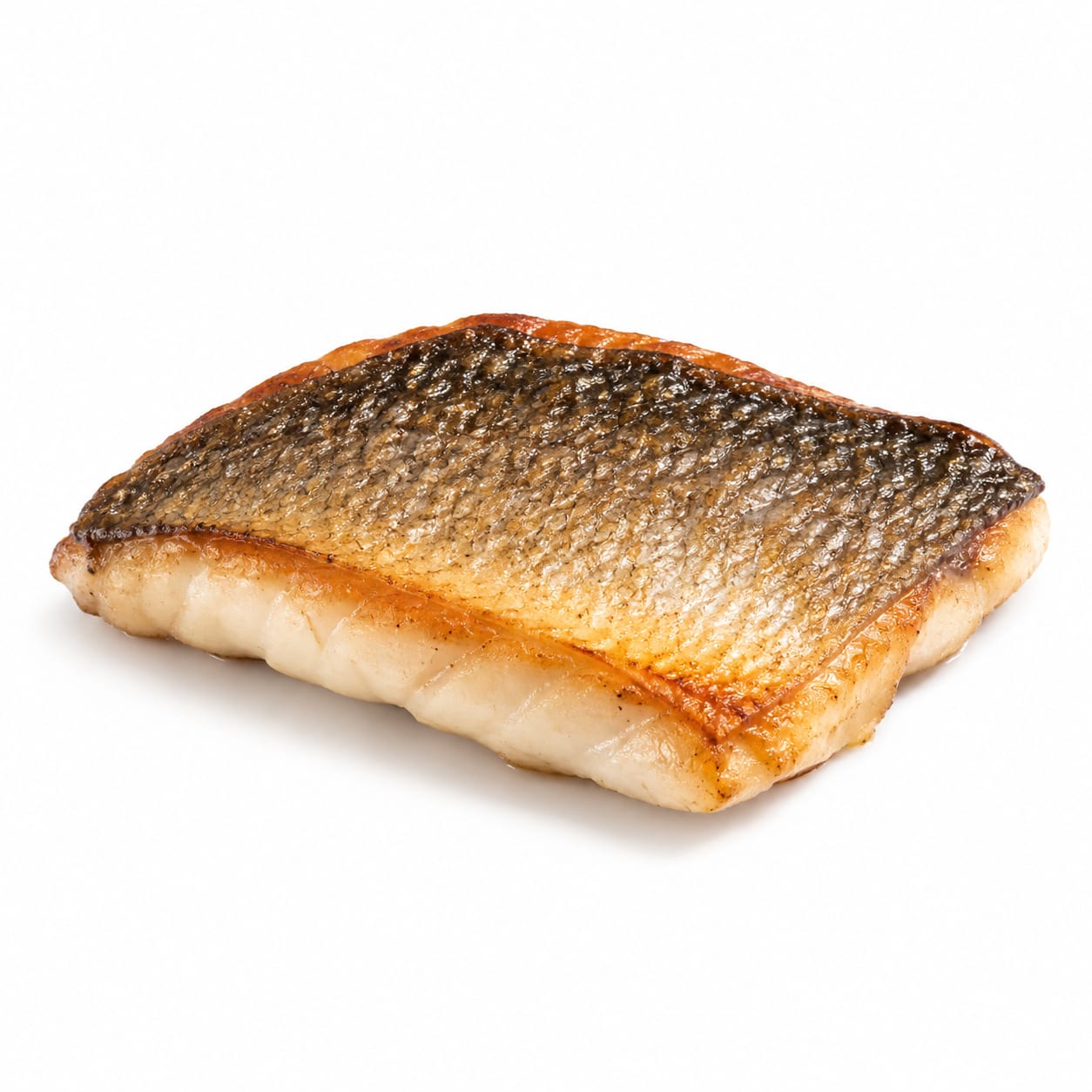
Bass
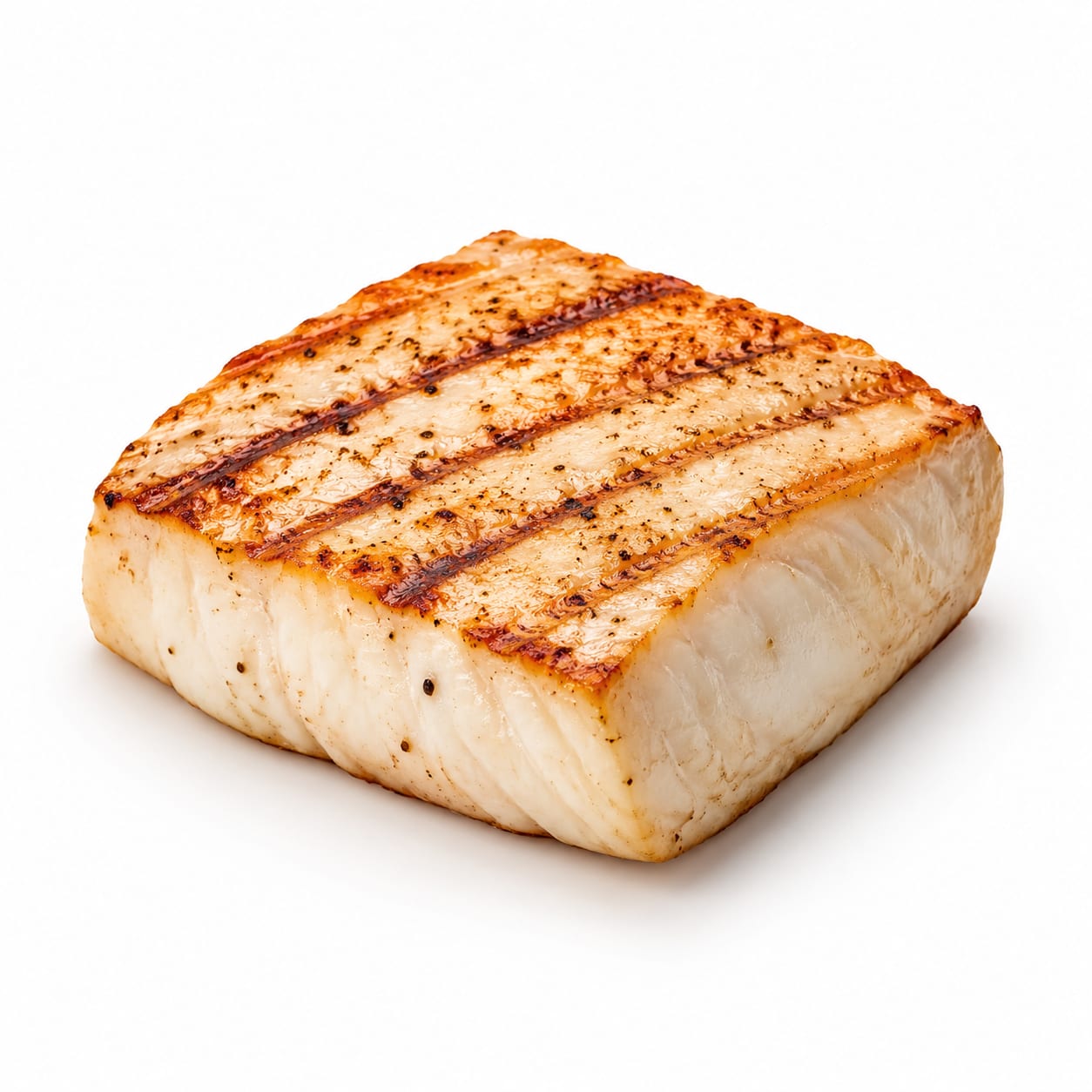
Mahi Mahi
Mahi Mahi is the safer, leaner choice for regular eating, while Bass offers a richer, more satisfying flavor and higher omega-3s for occasional meals.
Mahi Mahi scores higher overall due to its safer mercury profile and lean protein, making it better for frequent consumption. Bass scores respectably but is held back by contamination risks and variability depending on the specific species.
You trade the lower mercury and leanness of Mahi Mahi for the richer omega-3 content and buttery texture of Bass.
At a glance
Executive summary
Overall
It depends
Healthier
Mahi Mahi
More practical
Mahi Mahi
Daily use
Mahi Mahi
Key comparison lenses
Mercury and contamination safety
Both are predatory fish, but mercury levels vary significantly between Bass species and Mahi Mahi, heavily impacting safe consumption frequency.
Lean protein vs richer fish
Mahi Mahi is notably leaner, while Bass offers a richer, fattier profile that changes how satisfying the meal feels.
Omega-3 fatty acid intake
Bass generally provides more omega-3s due to its higher fat content, which matters for heart and brain health.
Culinary use and flavor preference
Bass has a buttery, rich texture, whereas Mahi Mahi is firm and meaty, making them suited for entirely different recipes.
Best choice for
Bass
- People prioritizing omega-3 intake through food
- Those wanting a richer, more indulgent fish dinner
- Home cooks looking for a buttery, flaky texture
Mahi Mahi
- Frequent fish eaters needing a low-mercury option
- Those tracking calories or macronutrients closely
- Grilling enthusiasts needing a firm fish that holds together
Least suitable for
Bass
- Pregnant women cautious about mercury (especially Chilean sea bass)
- Those who eat fish multiple times a week
- People wanting a light, low-fat meal
Mahi Mahi
- Those looking for high omega-3s in a single serving
- People who prefer rich, oily fish flavors
- Those with histamine sensitivities
Deep comparison
Dimension by dimension
Each lens scores both foods and breaks down who each option suits.
- Dimension 1 · Priority 95Mahi Mahi
Mercury & Heavy Metal Exposure
Bass · 55Mahi Mahi · 80Mahi Mahi generally carries a lower and more consistent mercury load than Bass, which can vary widely and reach high levels in species like Chilean sea bass.
Tradeoff
Choosing Bass might give you more omega-3s, but it comes with a higher risk of heavy metal exposure, especially if you do not know the exact species.
Why it matters
Mercury builds up over time and affects brain and nervous system health, making frequent consumption of high-mercury fish risky.
Real-world impact
Eating Bass regularly could limit how often you can safely eat fish each week, while Mahi Mahi can be enjoyed more frequently without the same worry.
Bass
- Those who only eat fish occasionally and want the richest nutrient profile
Better for
- Daily lunch meal prep
Worse for
Mahi Mahi
- Frequent fish eaters
- Pregnant women or those planning to be
- Children
Better for
- Those looking for maximum omega-3s per bite
Worse for
- Dimension 2 · Priority 85Mahi Mahi
Protein Quality & Leanness
Bass · 78Mahi Mahi · 92Mahi Mahi delivers slightly more protein with significantly less fat, making it a cleaner choice for muscle maintenance and weight management.
Tradeoff
Bass provides good protein but comes with more fat and calories, which can be great for satiety but less ideal for strict macro tracking.
Why it matters
Lean protein supports muscle repair without adding excess calories, making it easier to maintain a healthy weight.
Real-world impact
A Mahi Mahi fillet feels lighter after eating and fits easily into a calorie-controlled diet, whereas a Bass fillet feels more like a hearty, filling dinner.
Bass
- Those needing higher calorie intake from healthy fats
- People wanting a meal that stays with them longer
Better for
- Strict calorie counters
Worse for
Mahi Mahi
- Athletes tracking macros precisely
- Anyone on a calorie deficit
- Post-workout meals requiring lean protein
Better for
- Those who find lean fish unsatisfying on their own
Worse for
- Dimension 3 · Priority 80Bass
Omega-3 Fatty Acids
Bass · 85Mahi Mahi · 60Bass naturally contains more fat, translating to a higher dose of anti-inflammatory omega-3s per serving compared to Mahi Mahi.
Tradeoff
You get more brain and heart-healthy fats from Bass, but you also take on the heavier metal load that often accompanies fattier predatory fish.
Why it matters
Omega-3s are crucial for reducing inflammation, supporting heart health, and maintaining cognitive function.
Real-world impact
Choosing Bass a couple of times a month can give your omega-3 intake a solid boost, but it should not be your daily source due to mercury.
Bass
- Heart health optimization
- Anti-inflammatory diets
- Getting omega-3s from whole foods rather than supplements
Better for
- Those avoiding dietary fat
Worse for
Mahi Mahi
- Low-fat diet followers
- Those getting omega-3s from other sources like salmon or sardines
Better for
- Relying solely on this fish for omega-3 intake
Worse for
- Dimension 4 · Priority 75It depends
Culinary Versatility & Taste
Bass · 82Mahi Mahi · 85Bass offers a rich, buttery flavor that shines in elegant preparations, while Mahi Mahi offers a firm, meaty texture perfect for grilling and tacos.
Tradeoff
Bass is delicate and luxurious but can fall apart if mishandled; Mahi Mahi is forgiving and bold but lacks the natural richness of Bass.
Why it matters
If a fish does not taste good to you, you will not eat it. Picking the right texture and flavor for your cooking method ensures a satisfying meal.
Real-world impact
Mahi Mahi is the go-to for a casual backyard grill or fish tacos, while Bass is the choice for a nice dinner party where you want to impress.
Bass
- Pan-searing or baking with delicate sauces
- Fine dining experiences at home
Better for
- High-heat grilling
- Chunky, rustic preparations
Worse for
Mahi Mahi
- Grilling over open flames
- Hearty dishes like fish tacos or sandwiches
- Meal prepping where the fish needs to hold up
Better for
- Recipes requiring a rich, buttery mouthfeel
Worse for
Timeline
Health impact over time
Short-term
Hours to days
Bass
- Highly satisfying due to fat content, keeping you full for hours
- Provides a steady source of energy without a blood sugar spike
Mahi Mahi
- Feels light in the stomach, making it great for lunch
- Delivers a quick, clean protein hit for muscle recovery
Long-term
Months to years
Bass
- Regular consumption of certain Bass species increases mercury accumulation risk
- Occasional consumption supports cardiovascular health through omega-3s
Mahi Mahi
- Supports lean muscle maintenance and healthy weight management
- Lower mercury levels make it safer for consistent, long-term dietary inclusion
Risk profile
Safety & processing
Both Bass and Mahi Mahi are typically sold as fresh or frozen whole fillets with no additives, making them equally clean, whole-food choices.
Bass
Mercury contamination
highSpecies like Chilean sea bass are large, long-lived predators that accumulate significant mercury, making them unsafe for frequent consumption.
Mislabeling
mediumBass is frequently mislabeled; you might buy a cheaper, higher-mercury fish thinking it is a premium, lower-mercury variety like Striped Bass.
Mahi Mahi
Histamine toxicity
mediumIf Mahi Mahi is not kept consistently cold after catching, it can develop high histamine levels, causing scombroid poisoning which mimics an allergic reaction.
Mercury contamination
lowMahi Mahi has moderate mercury levels, lower than large Bass species, but still requires mindful rotation in your diet.
Who wins for whom
Audience fit
Same foods, different winners depending on your goal.
children
Mahi MahiLower mercury levels in Mahi Mahi make it a much safer option for developing nervous systems.
daily consumption
Mahi MahiYou can safely eat Mahi Mahi more frequently than Bass due to its lower position on the food chain and reduced mercury accumulation.
diabetes
Mahi MahiMahi Mahi has zero carbs and very low fat, keeping insulin sensitivity high and meals light.
elderly
Mahi MahiThe combination of lower mercury for cognitive safety and lean protein for muscle preservation makes Mahi Mahi a better regular choice.
muscle gain
It dependsBoth provide excellent complete protein. Mahi Mahi is leaner for clean bulks, while Bass offers slightly more calories and fats for aggressive bulks.
weight loss
Mahi MahiMahi Mahi is significantly leaner and lower in calories while providing high protein, making it easier to stay in a calorie deficit.
Your move
Decision guide
Choose Bass
- You are eating fish only once or twice a month and want maximum omega-3s
- You are cooking a special meal where a rich, buttery texture is the star
- You have verified the Bass is a low-mercury species like Striped Bass
Choose Mahi Mahi
- You eat fish multiple times a week and need a safe, low-mercury staple
- You are grilling, making tacos, or need a firm fish that will not fall apart
- You want a lean protein source that fits easily into a calorie-controlled diet
Either works if
- You just need a high-quality protein source and plan to rotate your fish choices anyway
- You are mixing seafood into a heavy sauce where the fish flavor is masked
Avoid both if
- You have a severe fish or seafood allergy
- You are strictly avoiding all predatory fish due to mercury concerns
Final recommendation
Make Mahi Mahi your everyday fish for its lean protein and safer mercury profile, and treat Bass as an occasional indulgence for its rich flavor and omega-3 boost.
Practical
Consumer tips
- 1
Always ask your fishmonger what specific species of Bass they are selling; Chilean sea bass is high in mercury, while Striped bass is much lower.
- 2
Look for Mahi Mahi with firm, translucent flesh and avoid fillets that look brown or dry, which indicates poor storage.
- 3
If you experience flushing or a peppery taste after eating Mahi Mahi, it may be histamine toxicity; seek medical attention.
- 4
Pair either fish with a squeeze of lemon; the vitamin C helps your body absorb the iron and offsets any slight fishiness.