
Nutrition comparison
Bass vs Halibut: Which Fish Is Healthier for You?
Compare Bass and Halibut nutrition, mercury levels, protein content, and omega-3s. Find out which lean white fish is safer and better for your health goals.
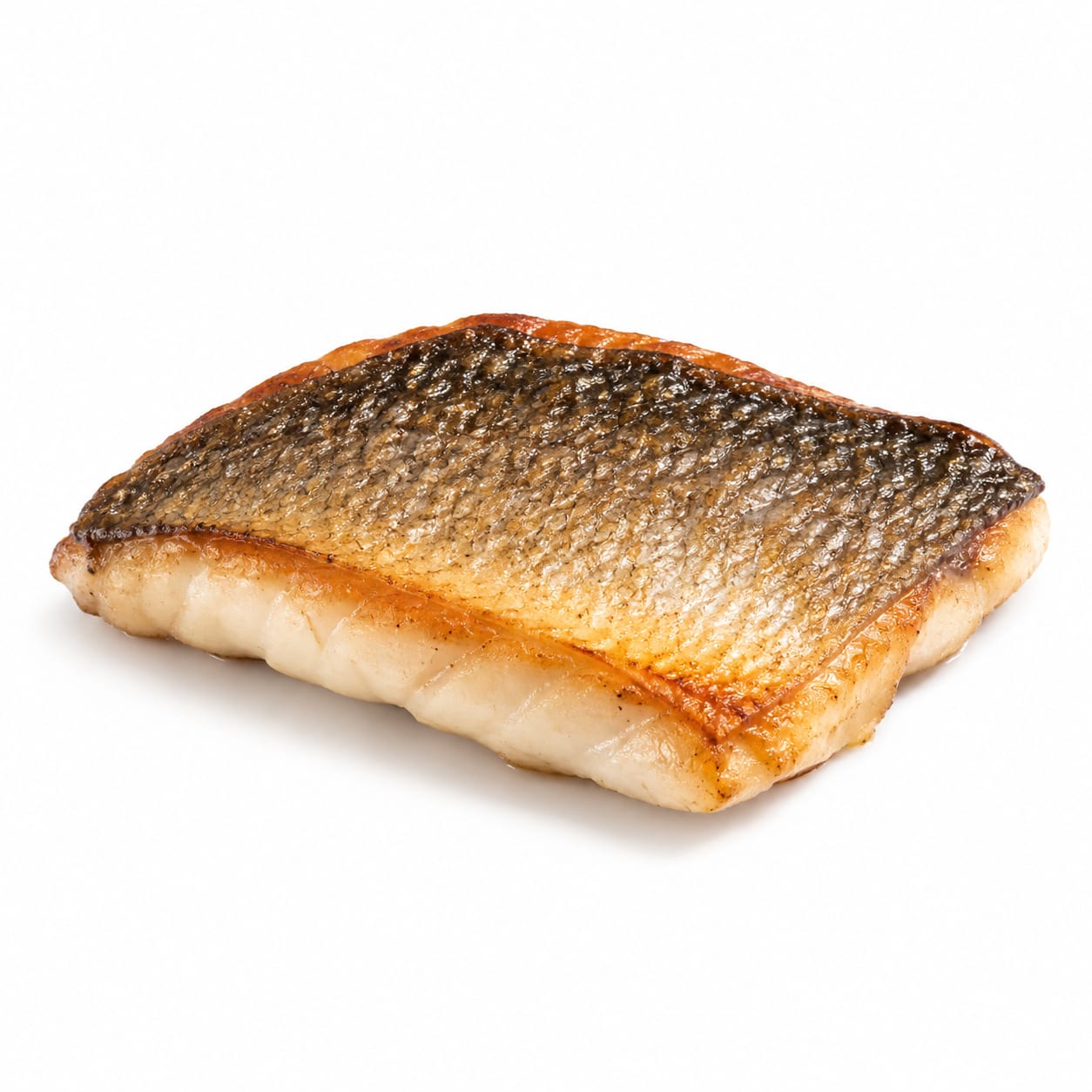
Bass
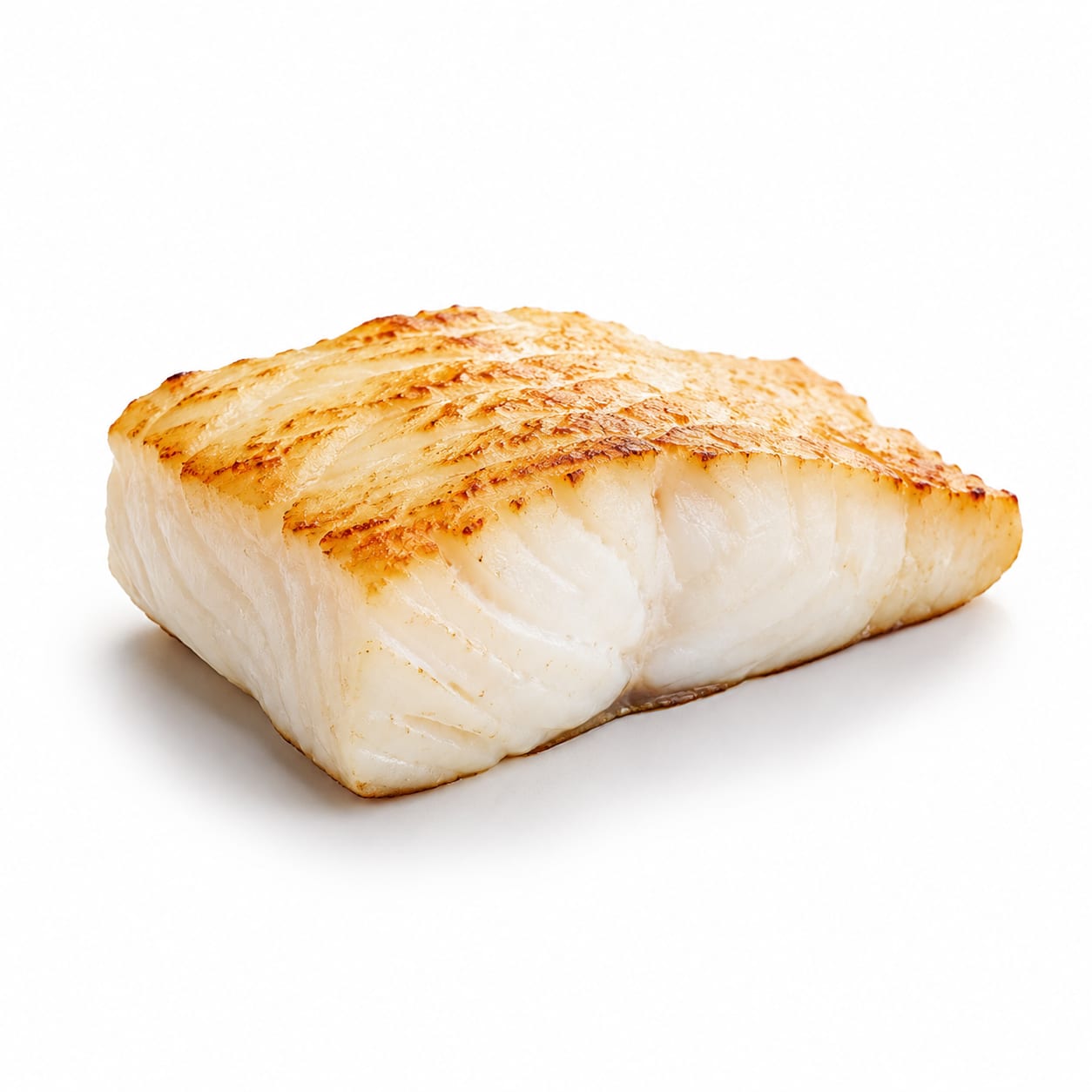
Halibut
Halibut wins for pure protein and leanness; Bass wins for omega-3s and richer flavor. Your pick depends on whether you prioritize macros or micronutrients.
Halibut edges ahead due to superior protein density and lower mercury risk with most common varieties, but Bass holds its own with better omega-3 content and more satisfying flavor. The gap is small because both are quality lean proteins.
Halibut delivers more protein per calorie with a cleaner plate, while Bass offers more healthy fats and a more satisfying mouthfeel at the cost of slightly higher calories.
At a glance
Executive summary
Overall
It depends
Healthier
It depends
More practical
Halibut
Daily use
Halibut
Key comparison lenses
protein quality and leanness for fitness goals
Both are lean white fish popular among health-conscious eaters, but their protein-to-calorie ratios differ meaningfully
mercury and contaminant safety for regular consumption
Mercury levels vary significantly between these fish and directly impact how often you can safely eat them
omega-3 intake for heart and brain health
Neither is a fatty fish, but Bass carries more omega-3s than Halibut, which matters for long-term health
meal versatility and cooking satisfaction
Texture and flavor differences affect how enjoyable and sustainable each fish is as a regular protein source
Best choice for
Bass
- People prioritizing omega-3 intake from fish
- Those wanting richer flavor without adding sauces
- Diners seeking a more satisfying, buttery fish experience
- Anyone bored of bland white fish and needing variety
Halibut
- Athletes and bodybuilders tracking protein per calorie
- People on strict calorie-controlled diets
- Those who prefer clean, mild-tasting fish
- Anyone meal-prepping lean protein for the week
Least suitable for
Bass
- Pregnant women concerned about mercury (especially Chilean sea bass)
- Those on very low-calorie diets needing maximum protein efficiency
- People who dislike fish with any oiliness
Halibut
- People relying on fish as their primary omega-3 source
- Those who find lean fish too dry or bland without added fat
- Budget-conscious shoppers (Halibut is often expensive
Deep comparison
Dimension by dimension
Each lens scores both foods and breaks down who each option suits.
- Dimension 1 · Priority 93Halibut
Protein Density and Quality
Bass · 74Halibut · 91Halibut delivers noticeably more protein per calorie, making it the better choice when every macro counts.
Tradeoff
Bass still provides solid protein but comes with slightly more fat calories mixed in, which dilutes the protein-to-calorie ratio.
Why it matters
If you are tracking macros or eating fish specifically to hit protein targets, Halibut gets you there faster with fewer total calories.
Real-world impact
A 6oz Halibut fillet gives you roughly 40g protein for about 200 calories. The same portion of Bass gives you around 34g protein for 220 calories. That difference adds up over a week of meals.
Bass
- Meals where some fat is welcome for satiety
Better for
- Strict macro-counting diets
Worse for
Halibut
- Post-workout meals where pure protein matters
- Cutting phases when calorie budgets are tight
- Meal prep where you want maximum protein per dollar
Better for
- Situations where you want fish fat to carry flavor without added oil
Worse for
- Dimension 2 · Priority 82Bass
Omega-3 and Healthy Fat Content
Bass · 72Halibut · 48Bass contains meaningfully more omega-3 fatty acids than Halibut, though neither rivals salmon or mackerel.
Tradeoff
You get more anti-inflammatory fats with Bass, but you are still not getting enough to rely on it as your primary omega-3 source.
Why it matters
Omega-3s support heart health, brain function, and joint recovery. Even small differences matter when you eat fish regularly.
Real-world impact
If you eat fish 3-4 times per week, choosing Bass over Halibut could contribute an extra 1-2g of omega-3s weekly. Helpful, but you will still likely need other sources.
Bass
- People who do not take fish oil supplements
- Those eating fish as their main omega-3 strategy
- Anti-inflammatory eating patterns
Better for
- Very low-fat diet protocols
Worse for
Halibut
- Anyone already supplementing omega-3s
- Diets where low fat intake is the priority
Better for
- People counting on fish alone for omega-3s
Worse for
- Dimension 3 · Priority 90Halibut
Mercury and Contaminant Safety
Bass · 58Halibut · 76Halibut (especially Pacific) generally carries lower mercury risk than many Bass varieties, particularly Chilean sea bass which can be notably high.
Tradeoff
Bass mercury levels vary wildly depending on species and source. Striped bass from clean waters is fine, but Chilean sea bass is a moderate-to-high mercury fish that should be limited.
Why it matters
Mercury accumulates over time and affects neurological health. This is the single most important safety factor for deciding how often you can eat either fish.
Real-world impact
You can comfortably eat Pacific Halibut 2-3 times per week. With Chilean sea bass, limit to once per week or less, especially if you are pregnant or feeding children.
Bass
- Sourcing from trusted low-mercury waters
- Occasional meals rather than daily staples
Better for
- Frequent consumption of Chilean sea bass
- Pregnant and nursing women
- Young children
Worse for
Halibut
- Regular weekly consumption
- Pregnant women and children
- Anyone eating fish 4+ times per week
Better for
- Atlantic halibut, which carries more mercury than Pacific
Worse for
- Dimension 4 · Priority 75Bass
Satiety and Eating Satisfaction
Bass · 80Halibut · 68Bass feels more satisfying to eat thanks to its higher fat content and richer texture, while Halibut can seem dry without added fat.
Tradeoff
The richness that makes Bass more satisfying also means more calories. Halibut is cleaner but may leave you reaching for extra sides.
Why it matters
A meal that actually satisfies you prevents snacking later. Fish that tastes great without heavy sauces makes healthy eating easier to sustain.
Real-world impact
Bass holds up well with simple preparation like grilling with lemon. Halibut often benefits from a sauce or olive oil drizzle, which adds calories and prep time.
Bass
- Simple weeknight dinners with minimal additions
- People who find lean fish unsatisfying
- Dining out where preparation quality varies
Better for
- Very light eating occasions
Worse for
Halibut
- Meals where you control added fat precisely
- Light lunches where you want to avoid food coma
Better for
- People prone to overeating later after unsatisfying meals
Worse for
- Dimension 5 · Priority 70Halibut
Nutrient Density Beyond Protein
Bass · 69Halibut · 78Halibut is an excellent source of selenium, magnesium, and B vitamins, particularly niacin and B6, outperforming Bass on several key micronutrients.
Tradeoff
Bass provides decent micronutrients but does not stand out the way Halibut does for selenium, which supports thyroid and immune function.
Why it matters
Selenium deficiency is more common than people think, and Halibut is one of the best food sources available.
Real-world impact
A single serving of Halibut can provide over 100% of your daily selenium needs. That is a meaningful nutritional win beyond just protein.
Bass
- General balanced nutrition
Better for
- Targeted selenium support
Worse for
Halibut
- Thyroid health support
- Immune system optimization
- Anyone with low selenium levels
Better for
- Not a concern in normal contexts
Worse for
- Dimension 6 · Priority 65Bass
Cost and Accessibility
Bass · 72Halibut · 55Bass is generally more affordable and widely available than Halibut, which is often priced as a premium fish.
Tradeoff
Cheaper Bass might tempt more frequent consumption, but if it is a high-mercury variety, that backfires. Halibut costs more but you can eat it more often safely.
Why it matters
A healthy food only works if you can afford to eat it regularly. Price per serving matters for long-term sustainability.
Real-world impact
Halibut often runs $25-35 per pound at retail. Bass can be found for $15-22 per pound. Over a month of eating fish twice weekly, that difference is substantial.
Bass
- Budget-conscious meal planning
- Families feeding multiple people
- Areas where Halibut is not available fresh
Better for
- Not a concern for most budgets
Worse for
Halibut
- Situations where quality matters more than quantity
- Special occasion meals
Better for
- Tight grocery budgets
- Students and young professionals
Worse for
Timeline
Health impact over time
Short-term
Hours to days
Bass
- Provides steady energy without blood sugar spikes
- Higher fat content promotes longer-lasting fullness
- Richer flavor may reduce the urge to snack after meals
Halibut
- Very clean energy source with minimal digestive load
- Lean profile makes it ideal before or after workouts
- May feel less filling without side dishes or added fat
Long-term
Months to years
Bass
- Moderate omega-3 intake supports cardiovascular health over time
- Mercury exposure risk increases with frequent consumption of certain varieties
- More satisfying eating experience may support long-term dietary adherence
Halibut
- Excellent selenium intake supports thyroid and immune function long-term
- Lower mercury risk enables more frequent safe consumption
- Very low fat intake from fish alone may require adding healthy fats elsewhere in diet
Risk profile
Safety & processing
Both Bass and Halibut are whole, minimally processed foods when purchased fresh or frozen without additives. The main concern is not processing but sourcing and contamination, which varies by where and how the fish was caught.
Bass
Mercury contamination
mediumChilean sea bass is a deep-water species with moderate to high mercury levels. Striped and freshwater bass vary by water source. Always check species and origin.
Overfishing and mislabeling
mediumChilean sea bass has faced overfishing concerns. Mislabeling at restaurants and stores is common, so you may not always get the species you think you are buying.
Parasites in freshwater varieties
lowFreshwater bass can carry parasites that are eliminated by proper cooking or freezing. Less concern with saltwater varieties.
Halibut
Mercury contamination
lowPacific Halibut is relatively low in mercury compared to other large fish. Atlantic Halibut is higher and less commonly available.
Scombroid poisoning from improper storage
lowLike many fish, Halibut can cause histamine reactions if not kept cold enough after catching. Buy from reputable sources and smell before cooking.
Gout flare-ups
lowHalibut contains moderate purines. People with severe gout may want to limit portion sizes.
Who wins for whom
Audience fit
Same foods, different winners depending on your goal.
children
HalibutLower mercury levels in Pacific Halibut make it safer for developing nervous systems. Bass varieties vary too much in mercury to recommend confidently for kids.
daily consumption
HalibutPacific Halibut can safely be eaten 2-3 times per week. Many Bass varieties should be limited to once weekly due to mercury, making Halibut the more practical regular choice.
diabetes
HalibutBoth fish have zero carbs and minimal impact on blood sugar, but Halibut's lower fat content makes it slightly easier to pair with complex carbs without overloading calories.
elderly
HalibutHalibut's exceptional selenium content supports immune and thyroid function, which become more important with age. Lower mercury risk also matters for long-term neurological health.
muscle gain
HalibutHigher protein density per serving supports muscle protein synthesis more efficiently, especially when total calorie intake is already high from other sources.
weight loss
HalibutHalibut provides more protein per calorie and virtually no fat, making it easier to fit into a calorie deficit while staying full.
Your move
Decision guide
Choose Bass
- You want more omega-3s from your fish without taking supplements
- Flavor and eating satisfaction are top priorities for you
- You are eating fish 1-2 times per week and mercury is less of a concern
- You can source low-mercury Bass varieties like striped bass from clean waters
- You find lean fish boring and need something richer to stay interested in eating fish
Choose Halibut
- You eat fish 3 or more times per week and need a safer regular option
- You are tracking protein and calories precisely for fitness goals
- You are pregnant, nursing, or feeding young children
- You want maximum selenium and micronutrient support
- You prefer a clean canvas that pairs well with various seasonings and sides
- Budget is less of a concern and you want the safest lean protein from the sea
Either works if
- You just need a quality lean protein and both are available fresh
- You rotate through multiple protein sources throughout the week
- You are generally healthy with no mercury sensitivity concerns
Avoid both if
- You have a severe fish or seafood allergy
- You are looking for a high omega-3 fish and would be better served by salmon, sardines, or mackerel
- You live in an area where neither fish is available fresh and frozen quality is questionable
Final recommendation
Make Halibut your default if you eat fish regularly or have safety concerns. Choose Bass when you want a richer, more flavorful experience and are eating it occasionally. Both are quality choices, but Halibut is the safer bet for frequent consumption while Bass is the better special-occasion pick for satisfaction and omega-3s.
Practical
Consumer tips
- 1
Always ask which Bass species you are buying. Chilean sea bass and striped bass have very different mercury profiles and sustainability ratings.
- 2
Pacific Halibut is your best bet for low mercury. Atlantic Halibut is less common and carries more contamination risk.
- 3
If Bass is your choice, pair it with a simple preparation like grilling with herbs and lemon. Its natural richness does not need heavy sauces.
- 4
Halibut benefits from a light olive oil drizzle or a yogurt-based sauce to add moisture without many calories.
- 5
Buy frozen at sea when possible. Both fish freeze well and frozen-at-sea options are often fresher than the fish sitting on ice at the counter.
- 6
Check Seafood Watch for sustainability ratings before purchasing either fish, as recommendations change based on fishing practices.