
Nutrition comparison
Bass vs Cod: Which Fish Is Healthier and Safer to Eat Regularly?
Compare bass and cod on mercury levels, omega-3 content, calories, and safety. Find out which fish is better for daily eating, weight loss, and families with children.
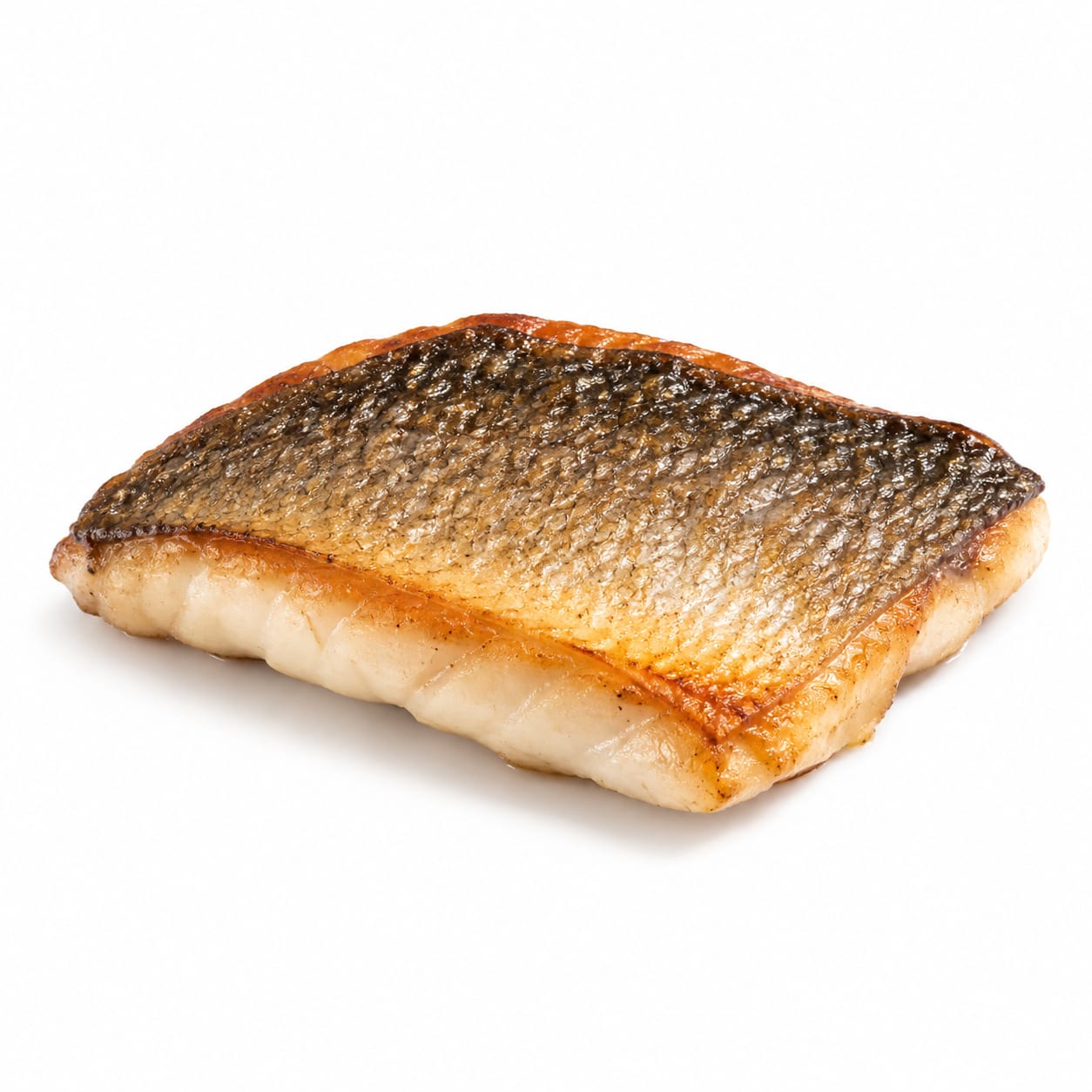
Bass
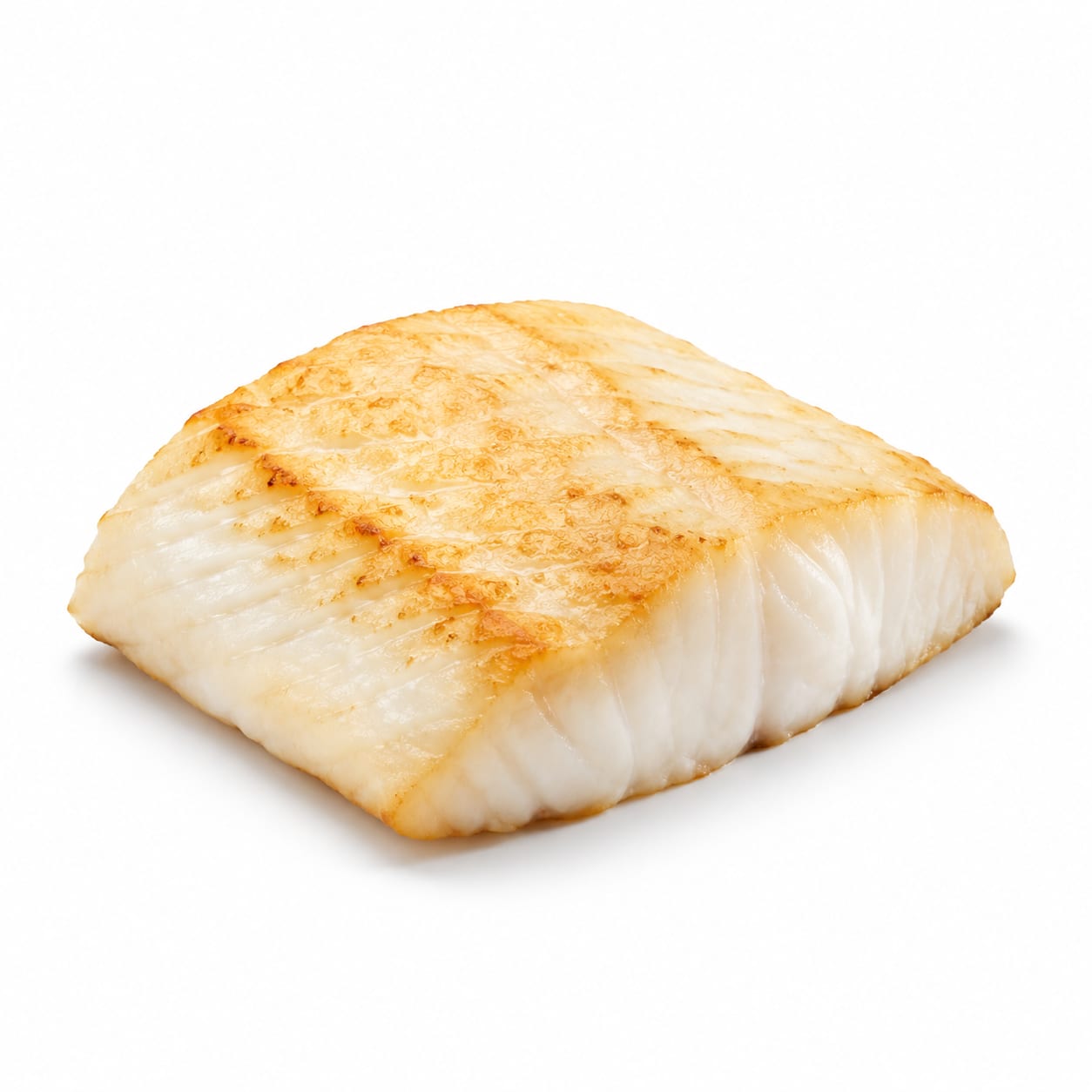
Cod
Cod is the safer, leaner everyday fish, while bass offers richer flavor and more omega-3s but carries heavier mercury concerns that limit how often you should eat it.
Cod scores higher primarily due to lower mercury, lower calories, and safer frequent consumption. Bass earns points for omega-3 content and satiety but loses ground on safety and sustainability.
More omega-3s and flavor in bass versus safer frequent consumption and lower calories in cod.
At a glance
Executive summary
Overall
It depends
Healthier
Cod
More practical
Cod
Daily use
Cod
Key comparison lenses
mercury and heavy metal exposure
Bass species, especially Chilean sea bass, carry significantly higher mercury loads than cod, making this the single most important differentiator for regular consumers
safe consumption frequency
Mercury levels directly determine how often each fish can safely be eaten, which matters more than any single nutrient comparison
lean protein vs richer fish choice
Cod is notably leaner while bass provides more healthy fats, creating a clear tradeoff between calorie density and omega-3 intake
heart health and omega-3 intake
Bass offers more omega-3 fatty acids but comes with mercury tradeoffs that complicate the heart health picture
budget and accessibility
Cod is generally more affordable and widely available, making it the more practical everyday choice
Best choice for
Bass
- Occidental diners seeking richer fish flavor
- People eating fish 1-2 times per week who want maximum omega-3 per serving
- Those wanting a more satisfying, filling fish dish without added fats
Cod
- Frequent fish eaters who need a safe daily or near-daily option
- Anyone monitoring mercury intake, including pregnant women and children
- Calorie-conscious diners wanting lean protein
Least suitable for
Bass
- Pregnant or nursing women due to mercury risk
- Children under 12
- Anyone eating fish more than twice per week
Cod
- Those seeking high omega-3 intake from fish alone
- Diners wanting a rich, buttery fish experience without adding sauces
Deep comparison
Dimension by dimension
Each lens scores both foods and breaks down who each option suits.
- Dimension 1 · Priority 95Cod
mercury and contaminant safety
Bass · 45Cod · 82Cod carries meaningfully lower mercury than most bass species, especially Chilean sea bass which ranks among the highest-mercury fish available.
Tradeoff
Bass gives you more omega-3s per bite but comes with a mercury load that makes frequent eating risky.
Why it matters
Mercury accumulates over time and affects neurological health. This single factor determines how often you can safely eat each fish.
Real-world impact
Cod can be eaten 2-3 times per week safely for most adults. Many bass species should be limited to once per week or less.
Bass
- Getting more omega-3 per serving when eating fish occasionally
Better for
- Anyone who eats fish multiple times weekly
- People with existing heavy metal concerns
Worse for
Cod
- Pregnant women needing safe fish options
- Frequent fish eaters who need low-mercury choices
- Parents feeding children
Better for
- Situations where omega-3 density per serving matters more than frequency
Worse for
- Dimension 2 · Priority 80Bass
omega-3 and healthy fat content
Bass · 72Cod · 45Bass provides notably more omega-3 fatty acids and total healthy fats than cod, which is quite lean.
Tradeoff
More brain- and heart-healthy fats in bass, but you could eat cod more often and potentially get similar total omega-3 intake over a week.
Why it matters
Omega-3s support heart health, brain function, and inflammation control. Getting enough matters more than getting it in concentrated doses.
Real-world impact
A single bass serving might deliver 0.5-1g omega-3s versus 0.1-0.3g in cod. But eating cod three times weekly could match or exceed bass eaten once.
Bass
- People eating fish only once weekly who want maximum omega-3 per meal
- Those not taking fish oil supplements
Better for
- Those limiting dietary fat for digestive or calorie reasons
Worse for
Cod
- People who already supplement with fish oil
- Anyone watching total fat intake
Better for
- People relying solely on food for omega-3 intake who eat fish infrequently
Worse for
- Dimension 3 · Priority 78Cod
protein quality and leanness
Bass · 70Cod · 88Both are excellent protein sources, but cod delivers more protein per calorie with virtually no fat.
Tradeoff
Cod is the cleaner lean protein choice, while bass offers protein with more fat that adds calories but also satiety.
Why it matters
For weight management and muscle maintenance, protein-per-calorie ratio matters. Cod lets you hit protein targets with fewer calories.
Real-world impact
A 6oz cod fillet delivers roughly 35g protein for 150 calories. The same portion of bass gives similar protein but 200-250 calories.
Bass
- People wanting a more filling, satisfying fish meal
- Those not counting calories who prefer richer food
Better for
- Strict calorie counters
- People wanting the lightest possible meal
Worse for
Cod
- Weight loss dieters tracking calories
- Athletes needing lean protein after workouts
- Anyone on a high-protein, low-fat eating plan
Better for
- Those who find lean fish unsatisfying and end up snacking later
Worse for
- Dimension 4 · Priority 72Bass
flavor and culinary satisfaction
Bass · 82Cod · 60Bass has a richer, more distinctive flavor and firmer texture that many diners find more satisfying without heavy seasoning or sauces.
Tradeoff
Bass stands on its own beautifully but costs more. Cod is milder and needs more help from preparation but is more versatile.
Why it matters
Food that tastes better naturally gets eaten more willingly. Satisfaction affects whether a healthy choice becomes a lasting habit.
Real-world impact
Bass can be simply grilled with lemon and feel complete. Cod often benefits from breading, sauces, or marinades that add calories and sodium.
Bass
- Diners who want fish that tastes like a proper meal on its own
- Home cooks wanting impressive results with minimal technique
Better for
- Anyone wanting a neutral base for strongly flavored preparations
Worse for
Cod
- People who prefer mild fish that absorbs marinades and spices
- Those making fish tacos, chowders, or battered dishes
Better for
- People who find white fish boring and need lots of added fat to enjoy it
Worse for
- Dimension 5 · Priority 70It depends
sustainability and environmental impact
Bass · 55Cod · 62Both have sustainability concerns depending on species and source, but Pacific cod is generally better managed than Chilean sea bass.
Tradeoff
Well-sourced striped bass or farmed bass can be sustainable, while Atlantic cod has historically been overfished. It depends heavily on which specific fish you buy.
Why it matters
Choosing sustainable seafood protects future supply and reduces environmental damage from overfishing and destructive farming practices.
Real-world impact
Look for MSC certification. Pacific cod is usually a good choice. Farmed bass varies widely. Chilean sea bass is generally best avoided for sustainability reasons.
Bass
- Locally sourced striped bass from well-managed fisheries
- Farmed black sea bass from responsible operations
Better for
- Chilean sea bass, which has both sustainability and mercury problems
Worse for
Cod
- Pacific cod from MSC-certified fisheries
- People wanting a more consistently sustainable option at regular grocery stores
Better for
- Atlantic cod from depleted stocks
Worse for
- Dimension 6 · Priority 68Cod
affordability and accessibility
Bass · 48Cod · 80Cod is widely available, often frozen at affordable prices, and easy to find year-round. Bass is pricier and less consistently stocked.
Tradeoff
Cod makes eating fish regularly financially realistic. Bass is more of a special-occasion purchase for most households.
Why it matters
The healthiest fish is the one you can actually afford to eat regularly. Price and availability determine real-world eating patterns.
Real-world impact
Frozen cod fillets often run $8-12 per pound. Fresh bass can easily hit $20-30 per pound, making it 2-3x more expensive.
Bass
- Special occasions where quality matters more than cost
- Diners near coastal areas with access to fresh local bass
Better for
- Weekly meal planners on tight budgets
- People in landlocked areas with limited fresh fish options
Worse for
Cod
- Families feeding multiple people on a budget
- Meal preppers buying in bulk
- Anyone without access to specialty fish markets
Better for
- Diners wanting a premium restaurant-quality experience at home
Worse for
Timeline
Health impact over time
Short-term
Hours to days
Bass
- More satisfying meal with better satiety from higher fat content
- Richer mouthfeel that reduces desire to overeat or snack after dinner
- Potential digestive heaviness for those unaccustomed to fattier fish
Cod
- Light, clean meal that leaves you energized rather than sluggish
- Easy to digest and gentle on the stomach
- May feel less filling, potentially leading to snacking within a couple hours
Long-term
Months to years
Bass
- Better omega-3 intake supports heart and brain health when eaten moderately
- Mercury accumulation is a real concern with frequent consumption, potentially affecting cognitive function and nervous system health
- Higher calorie intake from fat could contribute to weight gain if portions are not managed
Cod
- Consistent lean protein supports muscle maintenance and healthy weight long-term
- Low mercury allows safe frequent consumption without neurological risk
- Very low omega-3 content means you may need other sources like salmon, sardines, or supplements for optimal anti-inflammatory benefits
Risk profile
Safety & processing
Both bass and cod are whole, minimally processed fish when purchased fresh or frozen plain. The main concern is what gets added during cooking — breading, frying, or heavy sauces can turn either fish into a much less healthy meal.
Bass
Mercury contamination
highChilean sea bass is one of the highest-mercury fish commonly sold. Striped and black sea bass are moderate. Frequent consumption poses real neurological risk over time.
Sourcing fraud
mediumSea bass is commonly mislabeled. You may not always get the species you think you are buying, making mercury exposure harder to predict.
Parasites in wild-caught varieties
lowProper cooking eliminates this risk, but raw or undercooked bass can carry parasites like anisakis.
Cod
Mercury contamination
lowPacific cod is low in mercury. Atlantic cod is moderate. Both are significantly safer than bass for regular consumption.
Sodium in preserved forms
mediumSalt cod (bacalao) is extremely high in sodium. Fresh or plain frozen cod is naturally low in sodium.
Overfishing and stock depletion
mediumSome Atlantic cod stocks remain depleted. Choosing Pacific cod or MSC-certified options mitigates this concern.
Who wins for whom
Audience fit
Same foods, different winners depending on your goal.
children
CodSignificantly lower mercury makes cod the clearly safer choice for developing nervous systems.
daily consumption
CodLow mercury and affordable price make cod realistic as a near-daily protein source. Bass should be limited to once or twice per week maximum.
diabetes
CodLower calorie density and virtually zero carbohydrates make cod a safe, predictable choice for blood sugar management.
elderly
CodEasier to digest, lower mercury risk for potentially vulnerable systems, and more affordable on fixed incomes.
muscle gain
CodLean protein with minimal fat allows easier macro management. You can add healthy fats separately as needed.
weight loss
CodFewer calories per serving and higher protein-to-calorie ratio make cod easier to fit into a calorie deficit.
Your move
Decision guide
Choose Bass
- You eat fish only once or twice per week and want maximum omega-3 and flavor per serving
- You are an adult with no pregnancy risk who wants a richer, more satisfying fish dinner
- You have access to well-sourced striped or black sea bass and can verify it is not Chilean sea bass
- Flavor and meal satisfaction are your top priorities and you manage mercury through limited frequency
Choose Cod
- You eat fish multiple times per week and need a safe, low-mercury option
- You are pregnant, nursing, or feeding young children
- You are counting calories or following a lean protein eating plan
- Budget matters and you want the most affordable way to eat fish regularly
- You want a versatile fish that works in everything from tacos to chowders to simple baked fillets
Either works if
- You are eating fish as an occasional treat and both options sound appealing
- You vary your protein sources throughout the week and do not rely heavily on any single fish
- You supplement with fish oil and are not depending on either fish as your primary omega-3 source
Avoid both if
- You have a confirmed fish allergy
- You are concerned about ocean contaminants and prefer plant-based protein sources
- You cannot verify the source and suspect poor quality or mislabeling
Final recommendation
Make cod your everyday fish and treat bass as an occasional indulgence. This gives you the safety and affordability of cod for regular meals while still enjoying the richer experience of bass once in a while. If you do choose bass, ask specifically for striped or black sea bass rather than Chilean sea bass to reduce mercury exposure significantly.
Practical
Consumer tips
- 1
Avoid Chilean sea bass entirely if you eat fish regularly — the mercury levels are simply too high for safe frequent consumption
- 2
Choose Pacific cod over Atlantic cod when possible for both lower mercury and better sustainability
- 3
Buy frozen cod fillets in bulk — they are affordable, store well, and flash-frozen fish is often fresher than what sits at the seafood counter
- 4
If buying bass, ask your fishmonger exactly which species it is — the name alone does not tell you enough about safety
- 5
Pair cod with olive oil, avocado, or nuts in the same meal to make up for its lower omega-3 content
- 6
Check for MSC certification on either fish to support sustainable fishing practices
- 7
Grill or bake both fish rather than frying — breading and deep frying negates most of the health benefits