
Nutrition comparison
Bass vs Catfish: Nutrition, Mercury, and Taste Compared
Comparing Bass and Catfish? Discover which fish is lower in mercury, higher in omega-3s, and better for your budget and health goals.
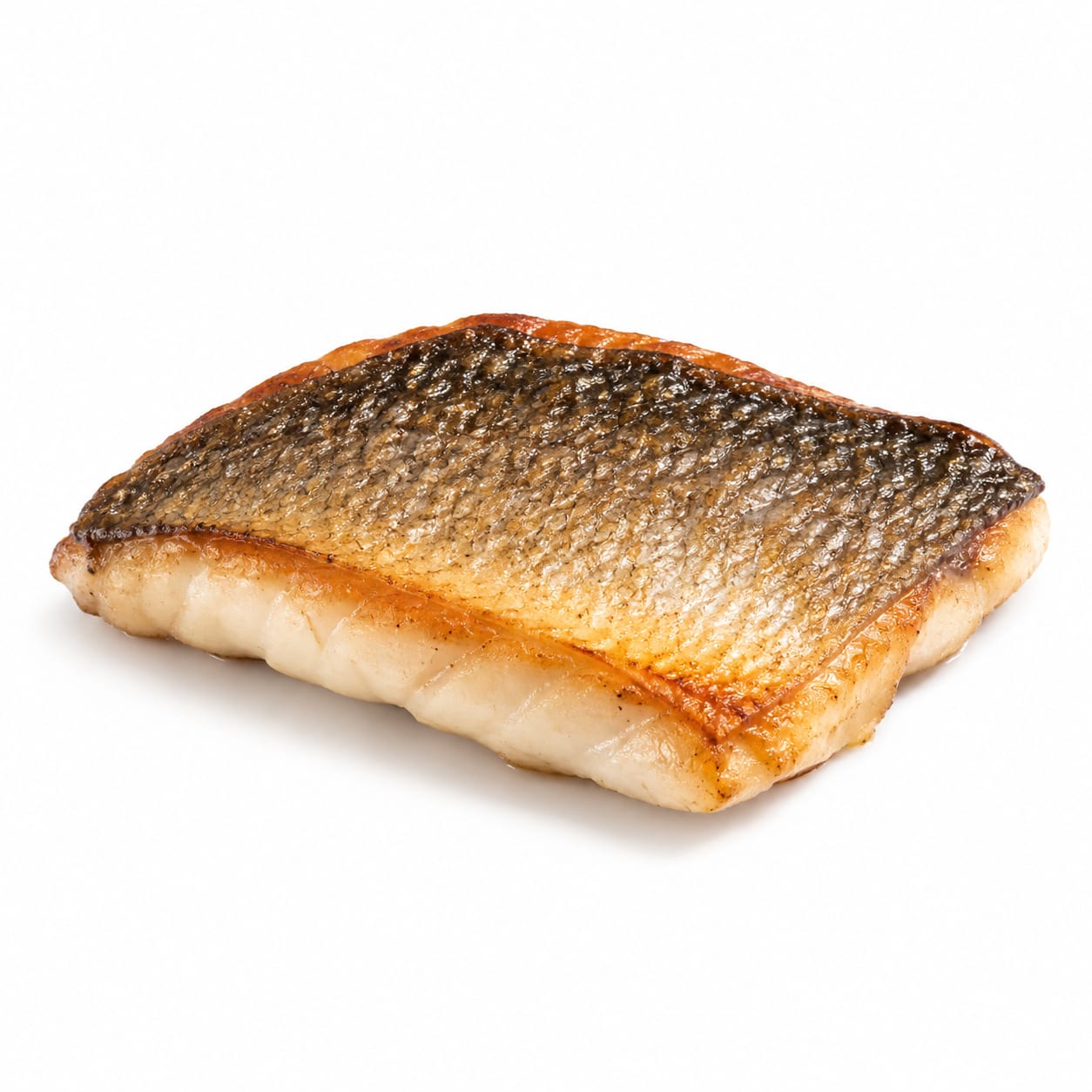
Bass
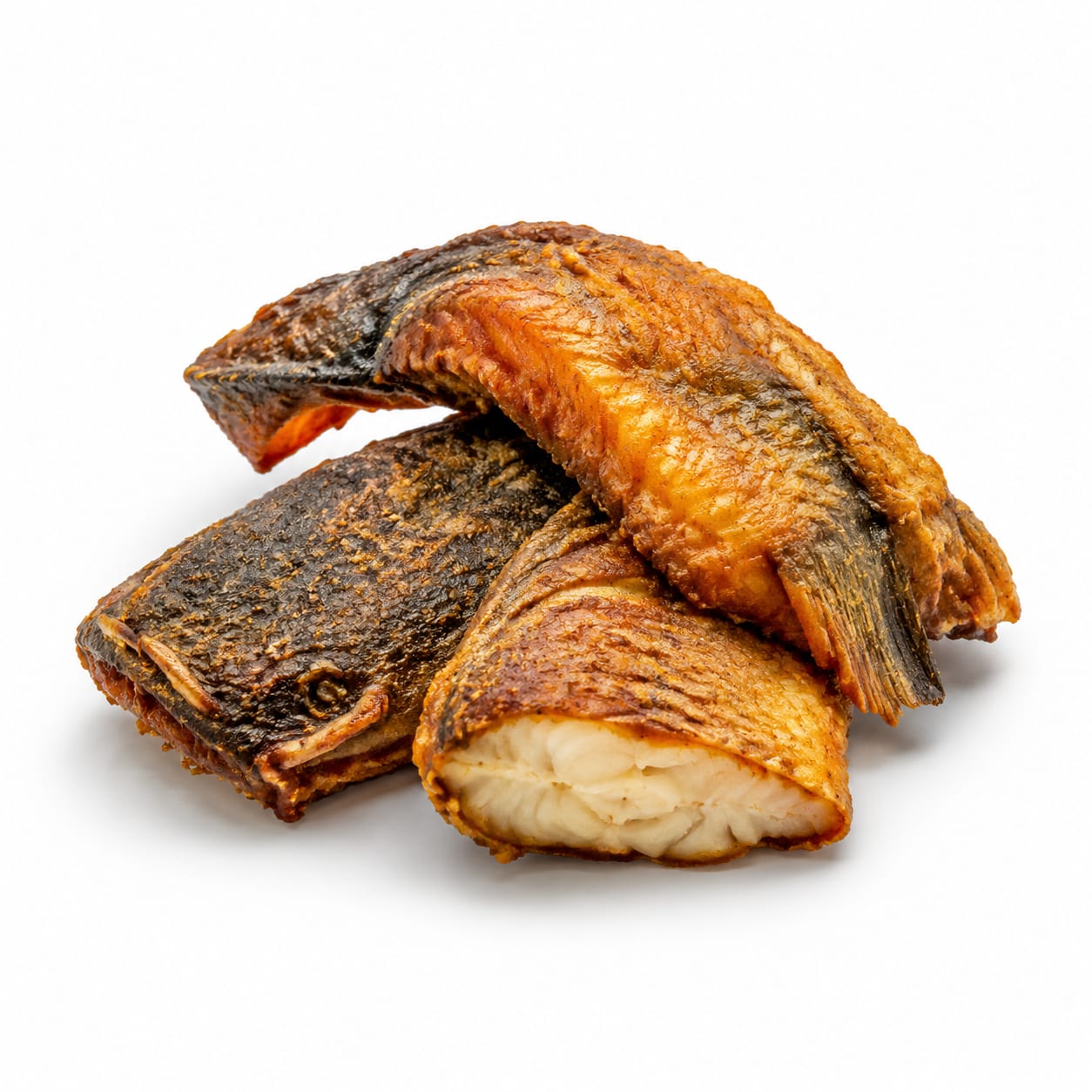
Catfish
Bass offers superior omega-3s and a leaner profile, while Catfish provides a safer, budget-friendly option with very low mercury.
Catfish slightly edges out Bass overall due to its low mercury levels and high affordability, making it a more sustainable choice for everyday eating, even though Bass wins on omega-3 content.
You trade the higher omega-3 content and leanness of Bass for the low mercury and affordability of Catfish.
At a glance
Executive summary
Overall
It depends
Healthier
Bass
More practical
Catfish
Daily use
Catfish
Key comparison lenses
Mercury and heavy metal safety
Bass (especially Chilean Sea Bass) can be high in mercury, whereas Catfish is consistently low, making safety a key differentiator.
Omega-3 vs Omega-6 fat profile
Bass provides more anti-inflammatory omega-3s, while farmed Catfish often carries more omega-6s from grain feed.
Budget and everyday accessibility
Catfish is highly affordable and easy to find, while Bass is usually a premium-priced fish.
Best choice for
Bass
- Heart health and anti-inflammatory diets
- Omega-3 brain boosts
- Low-carb gourmet meals
Catfish
- Budget-conscious families
- Frequent fish eaters avoiding mercury
- Comforting, filling dinners
Least suitable for
Bass
- Pregnant women worried about mercury
- Tight grocery budgets
Catfish
- Strict omega-3 to omega-6 ratio diets
- Those avoiding farm-raised fish
Deep comparison
Dimension by dimension
Each lens scores both foods and breaks down who each option suits.
- Dimension 1 · Priority 90Bass
Omega-3 & Healthy Fats
Bass · 85Catfish · 55Bass delivers significantly more omega-3 fatty acids, especially if wild-caught, while Catfish tends to be higher in omega-6s from farm feed.
Tradeoff
You get anti-inflammatory benefits from Bass, but Catfish's fat profile is less ideal if you are watching your omega-6 intake.
Why it matters
Omega-3s are crucial for heart and brain health, and most people don't get enough.
Real-world impact
Eating Bass can help reduce inflammation and support steady energy, whereas heavily farmed Catfish might not give you the same brain-boosting lift.
Bass
- Reducing inflammation
- Heart health
- Clearing brain fog
Better for
- Strict budget meals
Worse for
Catfish
- Those who prefer a naturally fattier fish for grilling
Better for
- Optimizing omega-3 to omega-6 ratios
Worse for
- Dimension 2 · Priority 95Catfish
Mercury & Contaminant Safety
Bass · 50Catfish · 90Catfish is consistently low in mercury, making it safer for regular eating. Bass, particularly Chilean Sea Bass, can carry a much heavier mercury load.
Tradeoff
You give up the higher omega-3s of Bass for the peace of mind and safety of Catfish.
Why it matters
High mercury exposure impacts brain function and is especially risky for pregnant women and kids.
Real-world impact
You can eat Catfish multiple times a week without worry, while Bass should be limited to avoid heavy metal buildup.
Bass
- Occasional gourmet dining
Better for
- Daily meal prep
- Pregnancy diets
Worse for
Catfish
- Pregnant women
- Children
- Frequent seafood eaters
Better for
- Those specifically seeking high omega-3 intake
Worse for
- Dimension 3 · Priority 80Catfish
Affordability & Accessibility
Bass · 40Catfish · 95Catfish is one of the most budget-friendly fish available, while Bass is often priced as a premium catch.
Tradeoff
Choosing Bass means paying more for a leaner, omega-3-rich protein, whereas Catfish keeps your grocery bill low.
Why it matters
Being able to afford healthy protein consistently matters more for long-term health than occasional expensive meals.
Real-world impact
Catfish makes it easy to put fish on the table for a family of four without breaking the bank; Bass is more of a special occasion purchase.
Bass
- Impressing dinner guests
Better for
- Feeding a large household on a budget
Worse for
Catfish
- Family dinners
- Weekly meal prep
- Budget constraints
Better for
- High-end culinary experiences
Worse for
- Dimension 4 · Priority 75It depends
Protein Quality & Satiety
Bass · 82Catfish · 80Both fish offer excellent lean protein that keeps you full, though Bass is slightly leaner while Catfish offers a more tender, fatty bite.
Tradeoff
Bass gives you more protein per calorie, but Catfish can feel more comforting and satisfying due to its natural fat content.
Why it matters
Protein is essential for maintaining muscle and staying full between meals.
Real-world impact
A Bass fillet will feel lighter and firmer on the plate, while Catfish feels richer and more comforting, especially when baked or grilled.
Bass
- Strict calorie counting
- Lean muscle building
Better for
- Those wanting a richer mouthfeel without adding oil
Worse for
Catfish
- Comfort food cravings
- Low-carb high-fat diets
Better for
- Strict fat-elimination diets
Worse for
Timeline
Health impact over time
Short-term
Hours to days
Bass
- Light yet satisfying protein boost
- Steady energy without a heavy feeling
Catfish
- Comforting and filling meal
- Satisfying richer texture
Long-term
Months to years
Bass
- Cardiovascular benefits from omega-3s
- Potential mercury accumulation if eaten too frequently
Catfish
- Safe long-term protein source with low mercury risk
- Possible mild inflammation if farm-raised omega-6 levels are high
Risk profile
Safety & processing
Both Bass and Catfish are typically sold as fresh or frozen whole fillets with minimal processing, making them clean, whole-food protein sources.
Bass
Mercury Exposure
mediumDepending on the species (like Chilean Sea Bass), mercury levels can be notably high, requiring moderation.
Overfishing
mediumSome Bass populations are overfished; always check sustainability ratings before buying.
Catfish
Farming Contaminants
lowImported Catfish can sometimes have lower farming standards, but US farm-raised Catfish is highly regulated and very safe.
Omega-6 Imbalance
lowFarm-raised Catfish are fed grain, which increases omega-6 fats, potentially contributing to inflammation if your diet isn't balanced.
Who wins for whom
Audience fit
Same foods, different winners depending on your goal.
children
CatfishCatfish has very low mercury levels, making it much safer for developing bodies.
daily consumption
CatfishLow mercury and high affordability make Catfish a safer, more practical choice for daily meals.
diabetes
BassThe higher omega-3 content in Bass helps improve insulin sensitivity and reduces inflammation.
elderly
BassThe omega-3s in Bass support brain health and combat age-related cognitive decline, assuming moderate consumption.
muscle gain
It dependsBoth provide excellent high-quality protein for muscle repair and growth.
weight loss
BassBass is leaner and offers more protein per calorie, making it slightly better for strict weight loss.
Your move
Decision guide
Choose Bass
- You want a lean, omega-3-rich fish for heart and brain health
- You are cooking a special dinner
- You only eat fish a couple of times a week
Choose Catfish
- You eat fish frequently and want to avoid mercury
- You are feeding a family on a budget
- You prefer a sweeter, more tender fish
Either works if
- You need a solid, low-carb protein source
- You are meal-prepping for the week
Avoid both if
- You have a seafood allergy
- You are strictly vegan or vegetarian
Final recommendation
Choose Bass when you want a nutrient-dense, omega-3-packed meal and don't mind the price or occasional mercury exposure. Opt for Catfish when you need a safe, affordable, and comforting fish you can eat more often.
Practical
Consumer tips
- 1
Ask your fishmonger what type of Bass you are buying—freshwater varieties have less mercury than deep-water Chilean Sea Bass.
- 2
Look for US farm-raised Catfish to ensure the strictest safety and environmental standards.
- 3
Skip the deep fryer for Catfish; baking or blackening it keeps the meal healthy while preserving the tender texture.
- 4
Pair Bass with a bright, acidic sauce like lemon-caper to complement its rich flavor without adding heavy calories.