
Nutrition comparison
Banh Mi vs Pho: Which Vietnamese Classic Is Healthier?
Compare Banh Mi and Pho on calories, sodium, protein, digestion, and daily sustainability. Find out which Vietnamese favorite fits your health goals better.
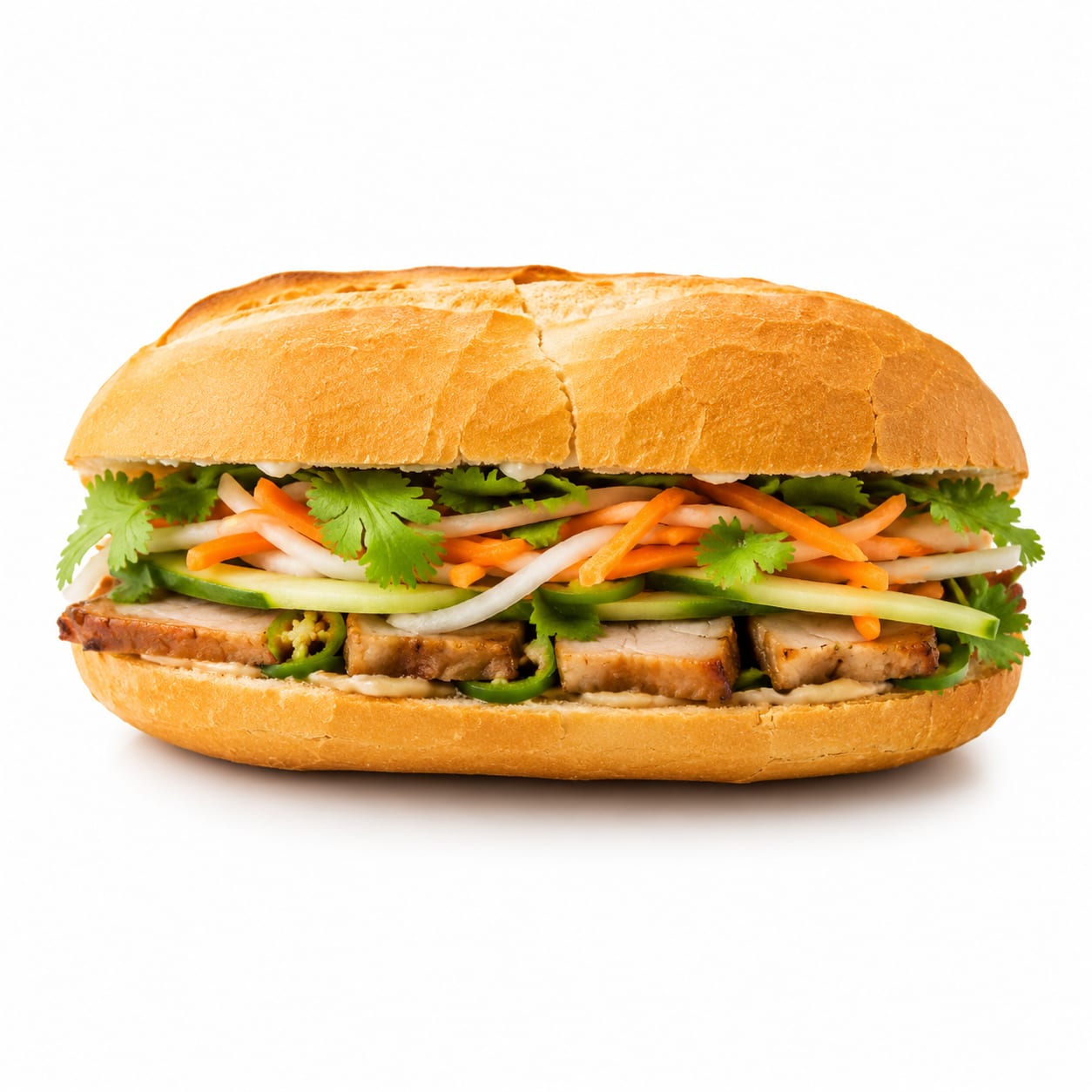
Banh Mi
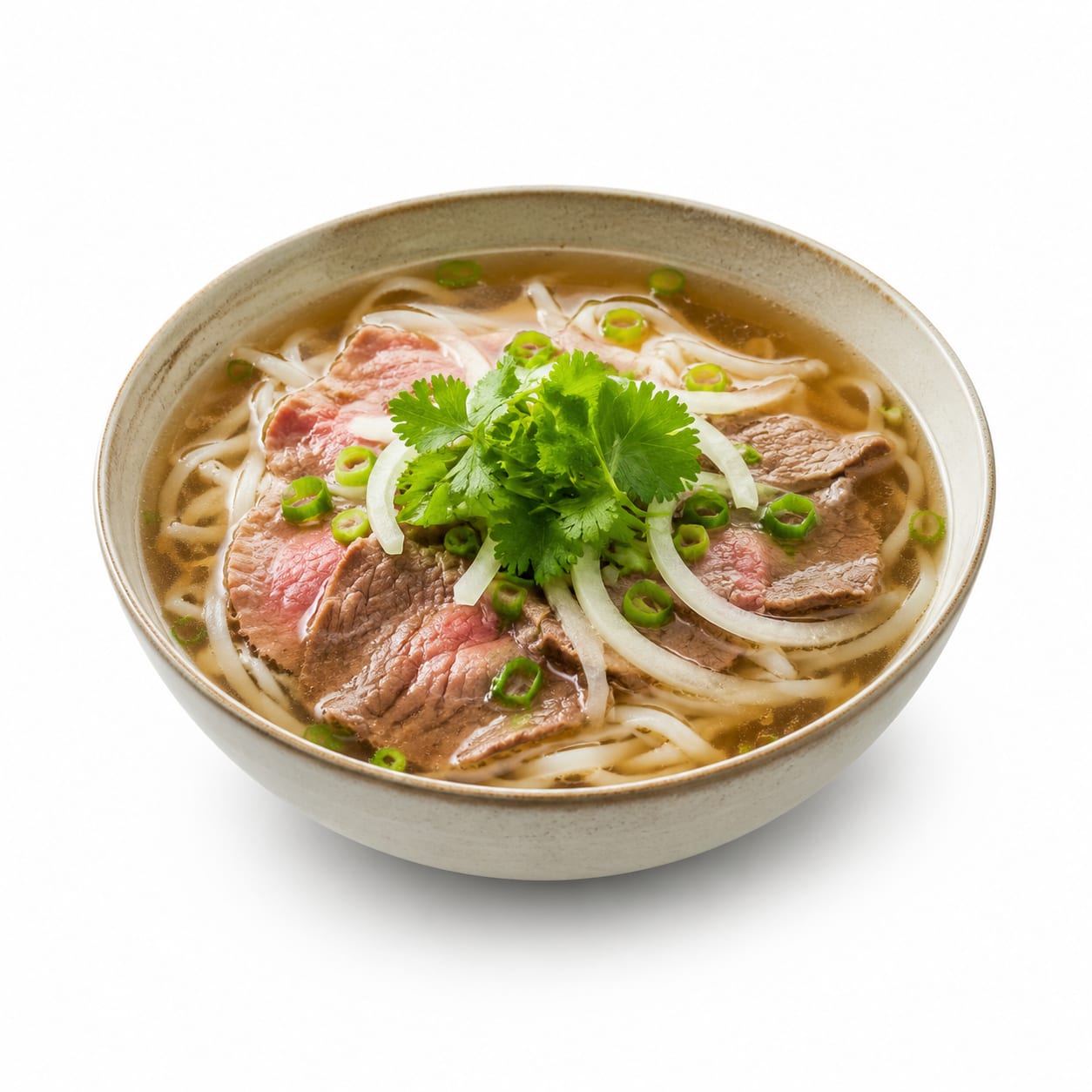
Pho
Pho is lighter and easier on the body daily, while Banh Mi delivers more protein and portable satisfaction but at a heavier metabolic cost.
Pho scores noticeably higher due to lower calorie density, less saturated fat, and better daily sustainability. Banh Mi remains competitive for protein and convenience but carries heavier metabolic tradeoffs from processed meats and refined carbs.
Banh Mi gives you convenient, filling energy from dense carbs and fats; Pho gives you warmth, hydration, and a gentler digestive experience with fewer calories.
At a glance
Executive summary
Overall
It depends
Healthier
Pho
More practical
Banh Mi
Daily use
Pho
Key comparison lenses
comfort food nutrition balance
Both are iconic Vietnamese comfort foods, so users want to know which satisfies without sabotaging health goals
sodium and heart health
Both foods carry significant sodium from different sources—processed meats in Banh Mi vs. broth in Pho—making cardiovascular impact a key concern
weight management satiety
Calorie density differs dramatically between a dense sandwich and a broth-based soup, directly affecting fullness and portion control
digestive comfort
Soup vs. heavy sandwich creates a clear divide in how each meal feels afterward, especially for sensitive stomachs
convenience and portability
Banh Mi is grab-and-go while Pho requires sitting down with a bowl, affecting real-world meal choices
Best choice for
Banh Mi
- People needing a portable, on-the-go meal
- Anyone seeking higher protein intake from a single dish
- Those wanting longer-lasting fullness from calorie-dense food
Pho
- People managing weight who want volume without excess calories
- Anyone with digestive sensitivity preferring warm, gentle meals
- Those seeking hydration alongside nutrition
Least suitable for
Banh Mi
- People watching sodium or saturated fat intake
- Anyone prone to afternoon energy crashes from heavy carb loads
- Those with digestive issues triggered by rich, dense foods
Pho
- People needing a quick, portable meal during commute or travel
- Anyone wanting a single dish with very high protein content
- Those who find soup insufficiently filling as a standalone meal
Deep comparison
Dimension by dimension
Each lens scores both foods and breaks down who each option suits.
- Dimension 1 · Priority 92Pho
Calorie Density and Satiety
Banh Mi · 55Pho · 78Banh Mi packs more calories into a smaller volume, while Pho fills you up with broth and noodles for fewer calories per bite.
Tradeoff
Banh Mi keeps you full longer per serving but at a higher caloric cost. Pho satisfies with volume but may leave you hungry sooner if you skip extra protein.
Why it matters
If you eat Vietnamese food regularly, the calorie gap compounds quickly. A Banh Mi can easily hit 600-800 calories versus 350-500 for a bowl of Pho.
Real-world impact
Choosing Pho for lunch most days makes sustained weight management easier. Banh Mi works better when you need one meal to carry you through a long afternoon.
Banh Mi
- Long gaps between meals where sustained energy matters
- Active days requiring higher caloric intake
Better for
- Sedentary office days where excess calories become stored fat
- Anyone tracking calories closely
Worse for
Pho
- Weight management without feeling deprived
- Multiple meals per day where lighter options prevent overconsumption
Better for
- High-activity periods where you need dense, lasting fuel
- Late-night meals where soup feels insubstantial
Worse for
- Dimension 2 · Priority 90It depends
Sodium and Heart Health
Banh Mi · 45Pho · 55Both are high-sodium foods, but the sources differ. Banh Mi gets sodium from processed meats and pate; Pho from concentrated broth.
Tradeoff
Banh Mi's sodium comes with saturated fat from pate and mayo, compounding heart risk. Pho's sodium is more isolated but can still exceed 1500mg per bowl.
Why it matters
For anyone with hypertension or heart concerns, both foods require caution. Neither is a low-sodium choice.
Real-world impact
If you eat Vietnamese food twice weekly, Pho is easier on your cardiovascular system over months. Banh Mi's processed meats add saturated fat on top of the sodium load.
Banh Mi
- Situations where you control portions and skip extra mayo or pate
Better for
- Daily consumption for anyone with blood pressure concerns
- People with family history of heart disease
Worse for
Pho
- Long-term heart health when choosing between the two regularly
- Meals where you can request lighter broth
Better for
- Restaurant Pho where broth is pre-made and cannot be adjusted
- People extremely sensitive to sodium who assume soup is automatically lighter
Worse for
- Dimension 3 · Priority 85Pho
Blood Sugar Stability
Banh Mi · 42Pho · 65Banh Mi's baguette delivers a concentrated hit of refined carbs that spikes blood sugar faster. Pho's rice noodles in broth create a gentler, slower rise.
Tradeoff
Banh Mi's fat and protein slow the spike somewhat, but the refined bread still dominates the glycemic response. Pho's broth dilutes the carbohydrate impact.
Why it matters
For anyone prediabetic or managing energy levels, the difference between a sharp spike and a gradual rise affects your entire afternoon.
Real-world impact
After Banh Mi, you may feel a crash 90 minutes later. After Pho, energy stays steadier, making it the better workday lunch.
Banh Mi
- Post-workout meals where faster glycogen replenishment is actually helpful
Better for
- People with insulin resistance or prediabetes
- Those prone to post-meal energy crashes
Worse for
Pho
- Office workers needing sustained afternoon focus
- Anyone monitoring blood sugar for health reasons
Better for
- Athletes immediately after intense training who need rapid carb replenishment
Worse for
- Dimension 4 · Priority 80Banh Mi
Protein Quality and Quantity
Banh Mi · 75Pho · 60Banh Mi typically delivers more total protein from pate, cold cuts, and sometimes grilled pork. Pho provides leaner protein but in smaller amounts per serving.
Tradeoff
Banh Mi's protein comes from processed meats with additives and saturated fat. Pho's protein is cleaner but you may need a larger bowl or extra meat to match Banh Mi's totals.
Why it matters
For muscle maintenance and satiety, protein quantity matters. But the source of that protein determines whether it helps or harms long-term health.
Real-world impact
A standard Banh Mi might give you 25-35g protein, while a regular Pho bowl offers 15-25g. If protein is your priority, Banh Mi wins on numbers but Pho wins on quality.
Banh Mi
- Strength athletes needing higher protein in a single meal
- Anyone struggling to hit protein targets throughout the day
Better for
- Anyone limiting processed meats due to cancer risk guidelines
- People watching saturated fat closely
Worse for
Pho
- Long-term health where clean protein sources matter more than sheer quantity
- People reducing processed meat consumption
Better for
- High-protein diets where every gram counts
- People who find Pho's protein content insufficiently filling
Worse for
- Dimension 5 · Priority 82Pho
Digestive Comfort
Banh Mi · 40Pho · 85Pho's warm broth is inherently soothing and easier to digest. Banh Mi combines dense bread, rich pate, and pickled vegetables, which can feel heavy.
Tradeoff
Banh Mi's combination of fat, refined carbs, and acidity from pickles can trigger reflux or bloating in sensitive people. Pho's liquid base aids digestion and feels gentler.
Why it matters
How you feel after eating determines whether a meal is sustainable. Discomfort after lunch ruins productivity and enjoyment.
Real-world impact
Pho is the better choice before a meeting or any situation where you need to feel comfortable afterward. Banh Mi is better saved for relaxed meals where heaviness won't interfere.
Banh Mi
- People with strong digestion who enjoy feeling full and heavy after eating
Better for
- People prone to bloating or heartburn
- Afternoon meals before sedentary work
Worse for
Pho
- Anyone with acid reflux, IBS, or sensitive digestion
- Meals before activities where physical comfort matters
Better for
- Those who find warm liquids insufficiently satisfying as a meal
Worse for
- Dimension 6 · Priority 75Banh Mi
Convenience and Portability
Banh Mi · 90Pho · 30Banh Mi is a sandwich—designed for eating on the move. Pho requires sitting down with a bowl, chopsticks, and spoon.
Tradeoff
Banh Mi fits into busy schedules effortlessly. Pho demands time and attention, which can be a luxury or a welcome ritual depending on your day.
Why it matters
The best nutritional choice is the one you can actually make consistently. Convenience often overrides health considerations in real life.
Real-world impact
On a busy workday, Banh Mi is the realistic choice. On weekends or when you can slow down, Pho becomes the better option.
Banh Mi
- Commuting lunches where eating at a desk or in transit is necessary
- Meal prep scenarios where you need something that holds well for hours
Better for
- Sit-down dinners where a sandwich feels too casual
Worse for
Pho
- Intentional meals where slowing down improves digestion and satisfaction
- Social dining where the ritual of sharing soup matters
Better for
- Any situation requiring eating while walking, driving, or working
Worse for
- Dimension 7 · Priority 70Pho
Hydration and Warmth
Banh Mi · 20Pho · 92Pho is essentially a hydrating meal in a bowl. Banh Mi provides almost no liquid, making it a dry, dense eating experience.
Tradeoff
Pho's broth contributes to daily fluid intake and creates a comforting warmth that Banh Mi cannot match. This matters especially in cold weather or after illness.
Why it matters
Many people are chronically under-hydrated. A meal that contributes 2-3 cups of liquid while nourishing you is a quiet advantage.
Real-world impact
On a cold day or when feeling run down, Pho feels like medicine. Banh Mi feels like fuel. Both have their place, but Pho's warmth is uniquely restorative.
Banh Mi
- Hot weather where soup feels unappealing
- Situations where liquid intake would be inconvenient
Better for
- Anyone already dehydrated or not drinking enough water throughout the day
Worse for
Pho
- Recovery from illness where hydration and warmth accelerate healing
- Cold weather comfort where soup satisfies deeply
Better for
- Summer meals where hot soup reduces appetite and comfort
Worse for
Timeline
Health impact over time
Short-term
Hours to days
Banh Mi
- Noticeable fullness and satisfaction within 30 minutes
- Possible blood sugar spike followed by energy dip 1-2 hours later
- Risk of bloating or heartburn from dense, rich ingredients
Pho
- Immediate comfort and warmth from broth
- Steadier energy with less dramatic blood sugar fluctuation
- Better hydration status after the meal
Long-term
Months to years
Banh Mi
- Regular consumption of processed meats increases cardiovascular and cancer risk
- Higher calorie density contributes to gradual weight gain if eaten frequently
- Refined carbohydrate load may worsen insulin sensitivity over time
Pho
- Lower calorie density supports easier weight maintenance when chosen consistently
- High sodium from broth may affect blood pressure if eaten very frequently
- Cleaner protein sources reduce long-term disease risk compared to processed meats
Risk profile
Safety & processing
Banh Mi relies on processed meats like pate and cold cuts, which contain preservatives and sodium nitrites. Pho uses simpler, more recognizable ingredients—broth, rice noodles, fresh herbs, and whole meat—making it closer to whole food.
Banh Mi
Processed meat preservatives
mediumCold cuts and pate often contain nitrites and sodium-based preservatives linked to increased cancer risk with regular consumption.
Mayonnaise spoilage
lowIf Banh Mi sits unrefrigerated for extended periods, mayo-based spreads can harbor bacterial growth.
Pho
Broth-borne sodium overload
mediumRestaurant Pho broth can exceed 1500mg sodium per bowl, posing risks for those with hypertension when consumed frequently.
Undercooked meat in rare beef Pho
lowRare beef slices added to hot broth may not fully cook if broth temperature is insufficient, creating minor food safety concerns.
Who wins for whom
Audience fit
Same foods, different winners depending on your goal.
children
PhoPho's warm broth and soft noodles are gentler on developing digestive systems, with less processed meat exposure than Banh Mi.
daily consumption
PhoPho's lighter metabolic footprint, cleaner ingredients, and lower processed meat content make it more sustainable as a regular meal.
diabetes
PhoPho's rice noodles in broth create a slower glycemic response than Banh Mi's dense baguette, making blood sugar management easier.
elderly
PhoPho is easier to chew, gentler on digestion, and provides hydration—three factors that matter significantly with age.
muscle gain
Banh MiBanh Mi delivers more total protein and calories per serving, supporting muscle building when you need both in one convenient package.
weight loss
PhoPho's lower calorie density and higher water content allow you to eat a satisfying volume for fewer calories, making it easier to maintain a deficit.
Your move
Decision guide
Choose Banh Mi
- You need a filling, portable meal during a busy workday
- You are actively building muscle and want higher protein and calories
- You are eating after intense physical activity and need dense refueling
- You want a satisfying sandwich experience without Western fast food
Choose Pho
- You want a comforting meal that leaves you feeling light afterward
- You are managing weight, blood sugar, or heart health
- You have digestive sensitivity and prefer warm, gentle foods
- You are eating intentionally and can sit down for a proper meal
Either works if
- You are eating Vietnamese food occasionally and both fit your overall diet
- You are sharing dishes with others and can enjoy both in moderation
- You rotate between them based on daily needs—heavy workdays versus relaxed evenings
Avoid both if
- You are on a strict low-sodium diet, as both foods are high in salt
- You have celiac disease or severe gluten intolerance, as Banh Mi contains wheat and some Pho broths use soy sauce
- You are eliminating all refined carbohydrates from your diet
Final recommendation
Make Pho your default Vietnamese meal for daily or weekly enjoyment. Save Banh Mi for when portability or higher protein matters more. If you love Banh Mi, consider asking for less pate and mayo to reduce the saturated fat and sodium hit while keeping the sandwich experience.
Practical
Consumer tips
- 1
Ask for Pho with extra vegetables and less broth to reduce sodium while increasing fiber and fullness
- 2
Order Banh Mi with grilled chicken instead of cold cuts to cut processed meat and saturated fat significantly
- 3
Request light broth on the side for Pho so you can control how much sodium you consume
- 4
Choose whole grain or lighter bread options for Banh Mi when available to soften the blood sugar impact
- 5
Drink extra water after either meal to help your body process the sodium load
- 6
Split a Banh Mi and pair it with a small soup if you want both—this balances density with warmth and hydration