
Nutrition comparison
Apricot vs Pear: Which Fruit Is Better for Your Health Goals?
Compare apricot and pear on fiber, blood sugar impact, vitamins, and satiety. Find out which fruit fits your weight loss, diabetes, or daily snacking needs better.

Apricot
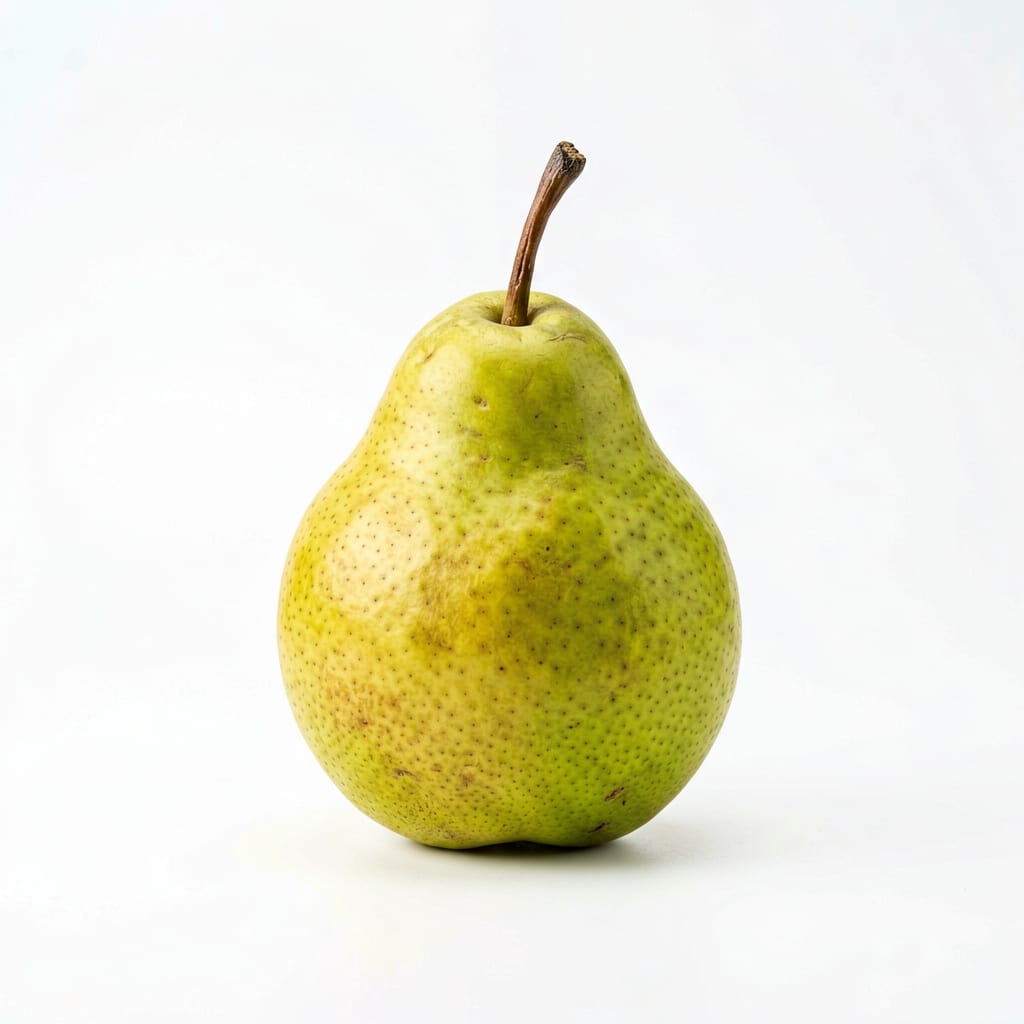
Pear
Apricots win on micronutrients and portability; pears win on fiber, fullness, and blood sugar stability.
Pear edges ahead due to superior fiber, satiety, and blood sugar stability. Apricot remains strong for micronutrients but is less filling and has a higher glycemic impact per serving.
Apricot gives you more vitamin A and iron in a compact package, while pear keeps you fuller longer and digests slower.
At a glance
Executive summary
Overall
It depends
Healthier
It depends
More practical
Apricot
Daily use
Pear
Key comparison lenses
blood sugar management
Both are sweet fruits with different glycemic impacts, a key concern for many consumers
digestive health and fiber
Pear offers significantly more fiber, making gut health a natural comparison point
weight management snacking
Both are popular snack fruits with different calorie and satiety profiles
micronutrient density
Apricot delivers far more vitamin A and iron, while pear offers different nutrients
everyday convenience and portability
Apricots are smaller and easier to eat on the go; pears are juicier and messier
Best choice for
Apricot
- People wanting a vitamin A boost for skin and eye health
- Those needing a portable, low-calorie snack
- Anyone looking to increase iron intake from fruit
- Active people wanting a quick pre-workout energy source
Pear
- People prioritizing digestive regularity and gut health
- Those wanting steadier blood sugar after eating fruit
- Anyone who finds small fruits unsatisfying as snacks
- People trying to reduce between-meal hunger
Least suitable for
Apricot
- People who struggle with portion control and eat many at once
- Those sensitive to higher glycemic fruits
- People wanting a filling snack that lasts hours
Pear
- People who dislike very sweet fruit
- Those wanting compact, mess-free snacking on the go
- Anyone watching fructose intake closely
Deep comparison
Dimension by dimension
Each lens scores both foods and breaks down who each option suits.
- Dimension 1 · Priority 88Pear
blood sugar stability
Apricot · 58Pear · 82Pear has a lower glycemic index and more fiber, leading to slower sugar absorption and steadier energy.
Tradeoff
Apricots digest faster, which is great before exercise but can cause quicker blood sugar rises if eaten alone while sedentary.
Why it matters
If you are managing diabetes, prediabetes, or afternoon energy crashes, pear is the safer choice.
Real-world impact
Eating a pear as an afternoon snack is less likely to trigger a hunger rebound 45 minutes later compared to apricots.
Apricot
- Quick pre-workout fuel
- Morning energy when you need faster carbs
Better for
- Sitting at a desk after eating
- Late-night snacking
Worse for
Pear
- Steady afternoon energy
- Diabetes-friendly fruit choice
- Avoiding sugar spikes during sedentary hours
Better for
- Moments when you need rapid energy replenishment
Worse for
- Dimension 2 · Priority 85Pear
fiber and digestive health
Apricot · 52Pear · 90A medium pear provides roughly 5.5g of fiber versus 3g in three apricots, making pear significantly better for digestion and fullness.
Tradeoff
If you have a sensitive digestive system or IBS, the higher fiber in pears could cause bloating, while apricots may be gentler in small amounts.
Why it matters
Most people fall short on daily fiber intake. Choosing pear over apricot meaningfully closes that gap.
Real-world impact
Eating a pear a day can noticeably improve bowel regularity within a week for most people.
Apricot
- People with IBS who tolerate lower-fiber fruit better
- Gradual fiber introduction after digestive illness
Better for
- Anyone already struggling with low fiber intake
Worse for
Pear
- Chronic constipation relief
- Gut microbiome support
- Feeling full between meals
Better for
- Acute digestive flare-ups where excess fiber irritates
Worse for
- Dimension 3 · Priority 75Apricot
micronutrient density
Apricot · 85Pear · 60Apricots deliver substantially more vitamin A, potassium, and iron per calorie than pears, making them more nutrient-dense for their size.
Tradeoff
You would need to eat more pears to match the vitamin A in just a few apricots, but pears offer more vitamin K and folate.
Why it matters
Vitamin A supports eye health, skin integrity, and immune function. Iron is critical for energy, especially in women.
Real-world impact
Three apricots provide about 30% of your daily vitamin A needs. A pear provides less than 1%.
Apricot
- Eye health and vision support
- Skin health maintenance
- Iron-deficient individuals seeking fruit sources
Better for
- People already meeting vitamin A needs through other foods
Worse for
Pear
- Vitamin K needs for bone and blood health
- Folate intake during pregnancy
Better for
- Anyone relying on fruit as a significant vitamin A source
Worse for
- Dimension 4 · Priority 80Pear
satiety and fullness
Apricot · 50Pear · 80Pears are larger, juicier, and fiber-rich, making them far more filling than small apricots.
Tradeoff
Apricots are easy to overeat because they feel light. Three apricots feel like nothing; a whole pear feels like a snack.
Why it matters
If a snack does not satisfy you, you end up eating more overall, which defeats the purpose of choosing fruit.
Real-world impact
A pear at 3pm can hold you until dinner. Three apricots might leave you reaching for something else within an hour.
Apricot
- Light snacking before a meal you do not want to ruin
- Small appetite situations
Better for
- Emotional eaters who need volume to feel satisfied
Worse for
Pear
- Replacing heavier snacks between meals
- Weight management through natural fullness
Better for
- Right before a meal when you want to stay hungry
Worse for
- Dimension 5 · Priority 65Apricot
convenience and portability
Apricot · 88Pear · 55Apricots are small, neat, and easy to toss in a bag. Pears are juicy, bruise easily, and require more care.
Tradeoff
The messiness of pears means you often need a plate and napkin. Apricots are truly grab-and-go.
Why it matters
Convenience determines whether you actually eat the fruit or grab something processed instead.
Real-world impact
You can eat apricots while driving, walking, or at your desk. Pears demand more attention and cleanup.
Apricot
- Commuting and travel snacking
- Desk drawer fruit stash
- Hiking and outdoor activities
Better for
- Nothing significant; apricots are highly portable
Worse for
Pear
- Sit-down snack moments at home
- Pairing with cheese or nuts on a plate
Better for
- On-the-go lifestyles where mess is a dealbreaker
Worse for
Timeline
Health impact over time
Short-term
Hours to days
Apricot
- Quick energy boost from faster-digesting natural sugars
- Mild blood sugar rise if eaten in large quantities without protein or fat
- Light on the stomach, unlikely to cause bloating in small servings
Pear
- Gradual energy release with no sharp sugar spike
- Noticeable fullness that reduces urge to snack again soon
- Possible bloating if you have fructose sensitivity or IBS
Long-term
Months to years
Apricot
- Consistent vitamin A intake supports eye and skin health over decades
- Potassium contribution helps maintain healthy blood pressure
- Risk of overconsumption if eating dried apricots, which concentrate sugar and calories
Pear
- High daily fiber intake reduces risk of heart disease, diabetes, and certain cancers
- Flavonoid antioxidants support vascular health and reduce inflammation
- Stable blood sugar patterns from regular consumption support metabolic health
Risk profile
Safety & processing
Both fruits are naturally whole foods. However, dried apricots often contain sulfites as a preservative, which can trigger reactions in sensitive people. Fresh pears rarely have additive concerns.
Apricot
Sulfite exposure from dried apricots
mediumSulfur dioxide is commonly used to preserve color in dried apricots. People with asthma or sulfite sensitivity may experience reactions. Choose unsulfured dried apricots to avoid this.
Pesticide residues on conventional apricots
lowApricots are not on the dirty dozen list but do carry some pesticide residue. Washing thoroughly or choosing organic reduces exposure.
Cyanogenic compounds in apricot kernels
highApricot pits contain amygdalin, which releases cyanide when crushed. Never eat the kernels inside the pits. This does not affect the fruit flesh.
Pear
Pesticide residues on conventional pears
mediumPears frequently appear on the EWG dirty dozen list due to pesticide residues on the skin. Peeling or choosing organic significantly reduces exposure.
Fructose malabsorption
lowPears are high in fructose and sorbitol, which can cause gas, bloating, and diarrhea in people with IBS or fructose intolerance.
Who wins for whom
Audience fit
Same foods, different winners depending on your goal.
children
ApricotSmaller size, sweeter taste, and softer texture make apricots more appealing and easier for small hands to manage.
daily consumption
PearThe fiber, fullness, and blood sugar stability of pears make them a more sustainable daily habit with fewer downsides.
diabetes
PearLower glycemic index and higher fiber make pears gentler on blood sugar, reducing the risk of glucose spikes.
elderly
PearHigher fiber supports the digestive regularity that often declines with age, and the soft texture of ripe pears is easy to chew.
muscle gain
ApricotApricots offer faster-digesting carbs and more potassium, which supports post-workout recovery and glycogen replenishment.
weight loss
PearPears provide more volume and fullness per calorie, making it easier to eat less overall throughout the day.
Your move
Decision guide
Choose Apricot
- You want a quick, portable snack that fits in your pocket
- You are focused on vitamin A, skin health, or eye health
- You need fast-digesting carbs before or after exercise
- You find pears too sweet or too filling for light snacking
Choose Pear
- You want a snack that actually keeps you full for hours
- You are managing blood sugar or trying to reduce sugar spikes
- You need more daily fiber and struggle with constipation
- You prefer eating fruit as a sit-down moment rather than on the go
Either works if
- You simply want a whole-food fruit snack and both are available
- You are rotating fruits for dietary variety and micronutrient breadth
- You are pairing fruit with a protein or fat source, which blunts the glycemic difference
Avoid both if
- You have severe fructose intolerance or IBS that reacts to both fruits
- You are on a very strict very-low-carb diet and cannot accommodate fruit sugar
Final recommendation
Keep both in rotation. Eat pears when you need fullness and steady energy, like afternoon snacks or with breakfast. Reach for apricots when you need something quick, light, and nutrient-packed, like before a workout or on a busy commute. Variety between these two gives you the fiber of pear and the vitamin A of apricot without having to choose.
Practical
Consumer tips
- 1
If you buy dried apricots, choose unsulfured varieties to avoid sulfite exposure. They will be brown instead of bright orange but are safer.
- 2
Choose organic pears when possible, as they rank high for pesticide residues on the skin. If conventional, peel them.
- 3
Pair either fruit with a handful of nuts or a spoonful of nut butter to slow sugar absorption and extend fullness.
- 4
A ripe pear should yield slightly to pressure near the stem. If rock hard, let it ripen on the counter for 2-3 days.
- 5
Fresh apricots spoil quickly. Use them within 2-3 days of purchase or freeze them for smoothies later.