
Nutrition comparison
Apricot vs Nectarine: Nutrition Comparison and Health Tradeoffs
Apricot delivers more vitamin A and less sugar per bite. Nectarine offers more filling volume and vitamin C. Compare both stone fruits to find which fits your health goals.

Apricot
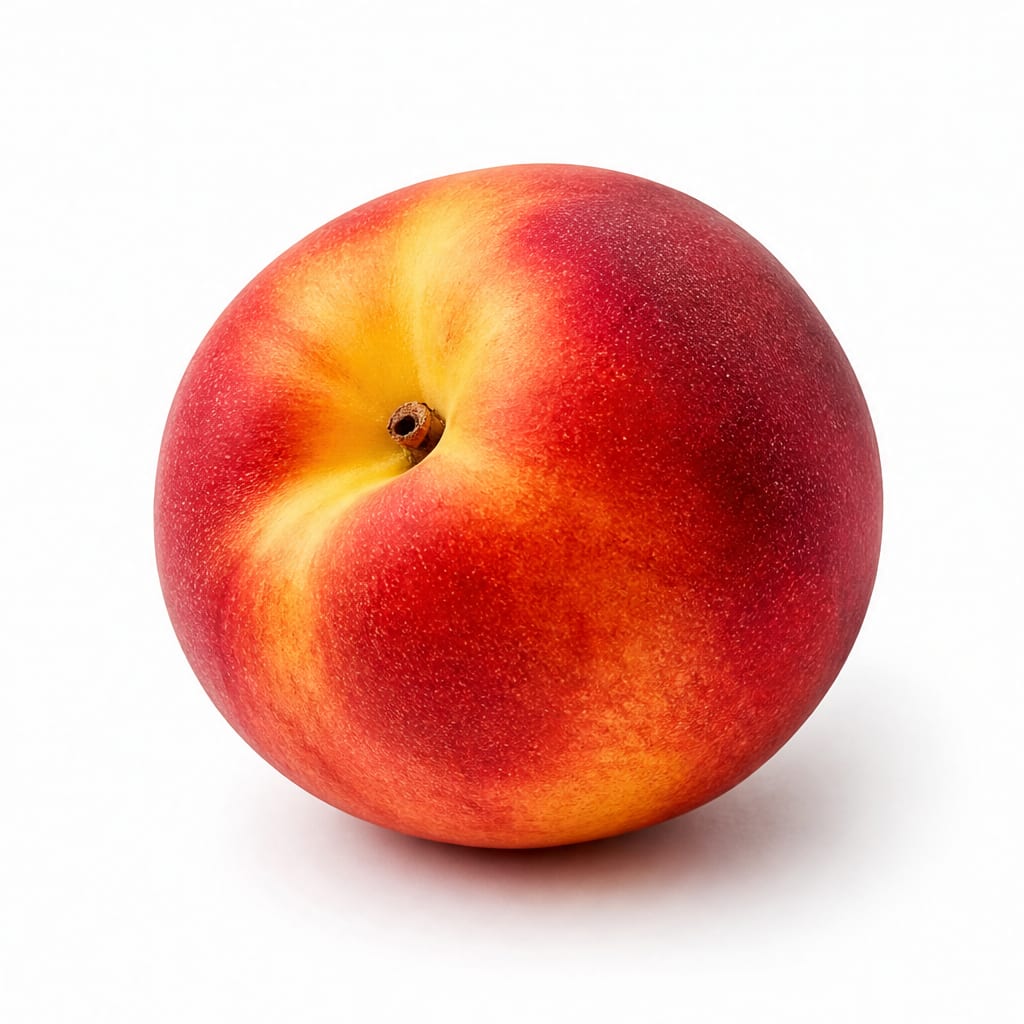
Nectarine
Apricot delivers more vitamin A and fewer sugars per bite, while Nectarine offers more volume, vitamin C, and a more satisfying snack experience.
Apricot edges ahead on nutrient efficiency and vitamin A, but Nectarine is close because it offers more satiety and vitamin C. The small gap reflects that both are healthy whole fruits with different strengths.
Nutrient density and eye health benefits versus satiety and eating satisfaction
At a glance
Executive summary
Overall
It depends
Healthier
Apricot
More practical
Nectarine
Daily use
It depends
Key comparison lenses
nutrient density per calorie
Both are low-calorie stone fruits, so which gives you more nutritional bang per bite matters most
blood sugar and diabetes friendliness
Sugar content and glycemic impact differ meaningfully between these two fruits
eye health and vitamin a
Apricot is one of the best fruit sources of vitamin A, a key differentiator
satiety and snack satisfaction
Nectarine is larger and juicier, making it more filling as a standalone snack
antioxidant diversity
Each fruit offers different antioxidant profiles that serve different health goals
Best choice for
Apricot
- People tracking blood sugar closely
- Anyone wanting more vitamin A for eye health
- Those preferring a lighter, less sweet snack
- Calorie-conscious eaters who want maximum nutrients per calorie
Nectarine
- People wanting a more filling midday snack
- Anyone needing more vitamin C
- Those who find small fruits unsatisfying and end up overeating
- Active individuals needing more energy from fruit
Least suitable for
Apricot
- People who find small snacks unsatisfying and end up eating multiple portions
- Those wanting a substantial post-workout fruit
- Anyone who dislikes tangy-tart flavor profiles
Nectarine
- People strictly limiting sugar intake
- Those wanting maximum vitamin A from fruit
- Anyone counting calories who finds one nectarine too much
Deep comparison
Dimension by dimension
Each lens scores both foods and breaks down who each option suits.
- Dimension 1 · Priority 90Apricot
Vitamin A and Eye Health
Apricot · 92Nectarine · 25Apricot is dramatically richer in vitamin A, providing roughly 40% of daily needs per serving compared to Nectarine's modest contribution.
Tradeoff
You get exceptional eye-health support from Apricot, but miss out on the larger, juicier eating experience of Nectarine.
Why it matters
Vitamin A protects vision, supports immune function, and maintains skin health. Few fruits deliver it as efficiently as Apricot.
Real-world impact
Eating two apricots daily can meaningfully support eye health over time, especially for people who do not eat many orange vegetables.
Apricot
- Eye health maintenance
- Night vision support
- Skin health from within
- Immune resilience during cold season
Better for
- Anyone assuming all stone fruits are similar in vitamin A
Worse for
Nectarine
- Getting vitamin C alongside moderate vitamin A
- People who already eat carrots or sweet potatoes regularly
Better for
- Relying on Nectarine alone for vitamin A intake
Worse for
- Dimension 2 · Priority 85Apricot
Blood Sugar Impact
Apricot · 74Nectarine · 62Apricot contains less sugar per serving and has a lower glycemic load, making it gentler on blood sugar.
Tradeoff
Apricot is safer for glucose management, but its smaller size may leave you reaching for another snack sooner.
Why it matters
Steadier blood sugar means fewer energy crashes, reduced cravings, and better long-term metabolic health.
Real-world impact
For someone monitoring blood sugar, an apricot as an afternoon snack is less likely to trigger a spike-and-crash cycle than a nectarine.
Apricot
- Pre-diabetics managing glucose
- Low-carb eaters fitting in fruit
- People prone to afternoon energy crashes
Better for
- Anyone needing substantial energy replenishment after exercise
Worse for
Nectarine
- Post-workout when faster sugar uptake is actually helpful
- Active people who burn through fruit sugar quickly
Better for
- Sedentary snackers who do not need the extra sugar
Worse for
- Dimension 3 · Priority 80Nectarine
Satiety and Snack Satisfaction
Apricot · 55Nectarine · 82Nectarine is larger, juicier, and more filling, making it a more satisfying standalone snack.
Tradeoff
You feel fuller with Nectarine, but you consume more sugar and calories to get that satisfaction.
Why it matters
A snack that actually satisfies prevents grazing and overeating later. Satiety is one of the most underrated health factors.
Real-world impact
One nectarine at 3pm can hold you until dinner. One apricot often leaves you wanting something else within an hour.
Apricot
- Light snacking before a meal
- Situations where you want just a taste of sweetness
Better for
- People who end up eating three apricots because one was not enough
Worse for
Nectarine
- Mid-afternoon hunger gaps
- Replacing less healthy snack habits
- Busy people who need one fruit to do the job
Better for
- Anyone who finds sweet fruit triggers more sugar cravings
Worse for
- Dimension 4 · Priority 75Nectarine
Vitamin C and Immune Support
Apricot · 48Nectarine · 78Nectarine provides noticeably more vitamin C per serving, supporting immunity and collagen production more effectively.
Tradeoff
Better vitamin C from Nectarine, but you lose the vitamin A advantage that Apricot offers.
Why it matters
Vitamin C is essential for immune defense, wound healing, and skin elasticity. Most people need consistent daily intake.
Real-world impact
A nectarine covers about 15% of daily vitamin C needs, while an apricot covers closer to 8%. Neither is a powerhouse, but Nectarine contributes more meaningfully.
Apricot
- Getting some vitamin C alongside strong vitamin A intake
Better for
- Anyone relying on fruit as a primary vitamin C source
Worse for
Nectarine
- Boosting daily vitamin C from fruit sources
- Supporting skin health and collagen
- Cold season immune support
Better for
- People who already get abundant vitamin C from citrus or bell peppers
Worse for
- Dimension 5 · Priority 65Nectarine
Potassium and Hydration Support
Apricot · 68Nectarine · 72Nectarine offers slightly more potassium per serving due to its larger size, but both are respectable sources.
Tradeoff
Nectarine wins on total potassium delivered, but Apricot has comparable potassium density per calorie.
Why it matters
Potassium helps regulate blood pressure, fluid balance, and muscle cramps. Most people do not get enough.
Real-world impact
Both fruits contribute to daily potassium needs, but you would need to eat more apricots to match the total potassium in one nectarine.
Apricot
- Potassium per calorie for restricted diets
Better for
- Needing to eat multiple apricots to get meaningful potassium
Worse for
Nectarine
- Total potassium delivery for active people
- Post-exercise electrolyte replenishment
- Blood pressure management alongside other potassium-rich foods
Better for
- Calorie-sensitive individuals watching total intake
Worse for
- Dimension 6 · Priority 70It depends
Antioxidant Diversity
Apricot · 75Nectarine · 73Apricot excels in beta-carotene and lutein, while Nectarine offers more chlorogenic acid and anthocyanins. Different but complementary.
Tradeoff
Neither fruit covers the full antioxidant spectrum alone. Rotating both gives the broadest protection.
Why it matters
Diverse antioxidant intake protects different tissues and systems. Relying on one fruit limits your defense range.
Real-world impact
Apricot better protects eyes and skin. Nectarine better supports vascular health and inflammation control. Eating both across the week is ideal.
Apricot
- Eye-specific antioxidant protection
- UV damage defense for skin
- Long-term vision preservation
Better for
- Missing the vascular-specific antioxidants Nectarine provides
Worse for
Nectarine
- Vascular and circulatory antioxidant support
- Anti-inflammatory flavonoid intake
- Skin health through vitamin C and anthocyanins
Better for
- Missing the concentrated carotenoids Apricot delivers
Worse for
Timeline
Health impact over time
Short-term
Hours to days
Apricot
- Gentle blood sugar rise without sharp spikes
- Light, non-heavy feeling after eating
- Mild satiety that may require pairing with protein or fat
Nectarine
- More noticeable energy from higher natural sugar content
- Better immediate fullness from larger volume and water content
- Slightly sweeter taste that may satisfy sweet cravings more effectively
Long-term
Months to years
Apricot
- Consistent vitamin A intake supporting eye health over decades
- Lower cumulative sugar exposure from daily fruit consumption
- Iron contribution helpful for people with marginal iron intake
Nectarine
- Better long-term vitamin C status supporting skin and immunity
- More potassium contributing to blood pressure regulation over time
- Higher total fiber intake per serving supporting digestive regularity
Risk profile
Safety & processing
Both are whole, unprocessed fruits with no additives when eaten fresh. Dried apricots, however, often contain sulfites and concentrated sugar, which is a separate consideration.
Apricot
Sulfite exposure from dried apricots
mediumDried apricots are commonly treated with sulfur dioxide to preserve color. This can trigger reactions in sulfite-sensitive individuals, particularly asthmatics.
Pesticide residue on conventional apricots
lowApricot skins can carry pesticide residues. Washing thoroughly or choosing organic reduces this concern.
Nectarine
Pesticide residue on conventional nectarines
mediumNectarines frequently appear on the EWG's Dirty Dozen list due to pesticide residues on the skin. Peeling or choosing organic significantly reduces exposure.
Potential for mold near the pit
lowStone fruits can develop internal mold near the pit that is not visible from outside. Inspect carefully when cutting.
Who wins for whom
Audience fit
Same foods, different winners depending on your goal.
children
NectarineNectarine's sweeter taste and juicier texture appeal more to kids, and its larger size feels like a more substantial snack.
daily consumption
It dependsApricot is better for daily nutrient efficiency, but Nectarine is better for daily satisfaction. Rotating both is the healthiest long-term approach.
diabetes
ApricotLess sugar and lower glycemic load per serving make Apricot the safer choice for blood glucose management.
elderly
ApricotApricot's superior vitamin A supports aging eyes, and its softer texture when ripe is easy to chew for those with dental concerns.
muscle gain
NectarineNectarine provides more total carbohydrates for energy and slightly more potassium for muscle function, making it a better post-training fruit option.
weight loss
ApricotLower calories and sugar per serving make Apricot easier to fit into a calorie deficit, though Nectarine's greater satiety can also help some people eat less overall.
Your move
Decision guide
Choose Apricot
- You want maximum vitamin A from fruit for eye health
- You are watching blood sugar or following a lower-carb approach
- You prefer a lighter, less sweet snack that does not feel heavy
- You eat fruit alongside other foods rather than alone
Choose Nectarine
- You want one fruit that actually fills you up between meals
- You prioritize vitamin C and immune support from fruit
- You are active and need more energy and potassium from snacks
- You find small fruits unsatisfying and end up overeating anyway
Either works if
- You simply want a healthy whole fruit snack
- You already eat a varied diet with plenty of vegetables and other fruits
- You are rotating stone fruits seasonally for variety
Avoid both if
- You have a confirmed stone fruit allergy or birch pollen allergy that triggers cross-reactions
- You are on a very strict ketogenic diet limiting all fruit sugar
Final recommendation
Eat Apricot when you want nutrient density and blood sugar control. Eat Nectarine when you want satisfaction and a more substantial snack. Best of all, alternate between both across the week to get the vitamin A from Apricot and the vitamin C plus satiety from Nectarine. Neither is a wrong choice.
Practical
Consumer tips
- 1
Choose organic nectarines when possible, as they rank high for pesticide residues on the skin
- 2
If buying dried apricots, look for unsulfured varieties to avoid sulfite exposure
- 3
Ripe apricots should yield slightly to pressure and have a deep orange color for maximum vitamin A
- 4
Nectarines continue ripening at room temperature, so buy firm ones and let them soften over a few days
- 5
Pair either fruit with a handful of nuts or a spoonful of yogurt to stabilize blood sugar and increase satiety
- 6
Freeze sliced nectarines for a refreshing summer snack that takes longer to eat