
Nutrition comparison
Apricot vs Mango: Nutrition, Sugar, and Health Comparison
Apricot vs Mango: Which fruit is healthier? Compare calories, sugar, vitamins, and blood sugar impact to find out which is best for your diet.

Apricot
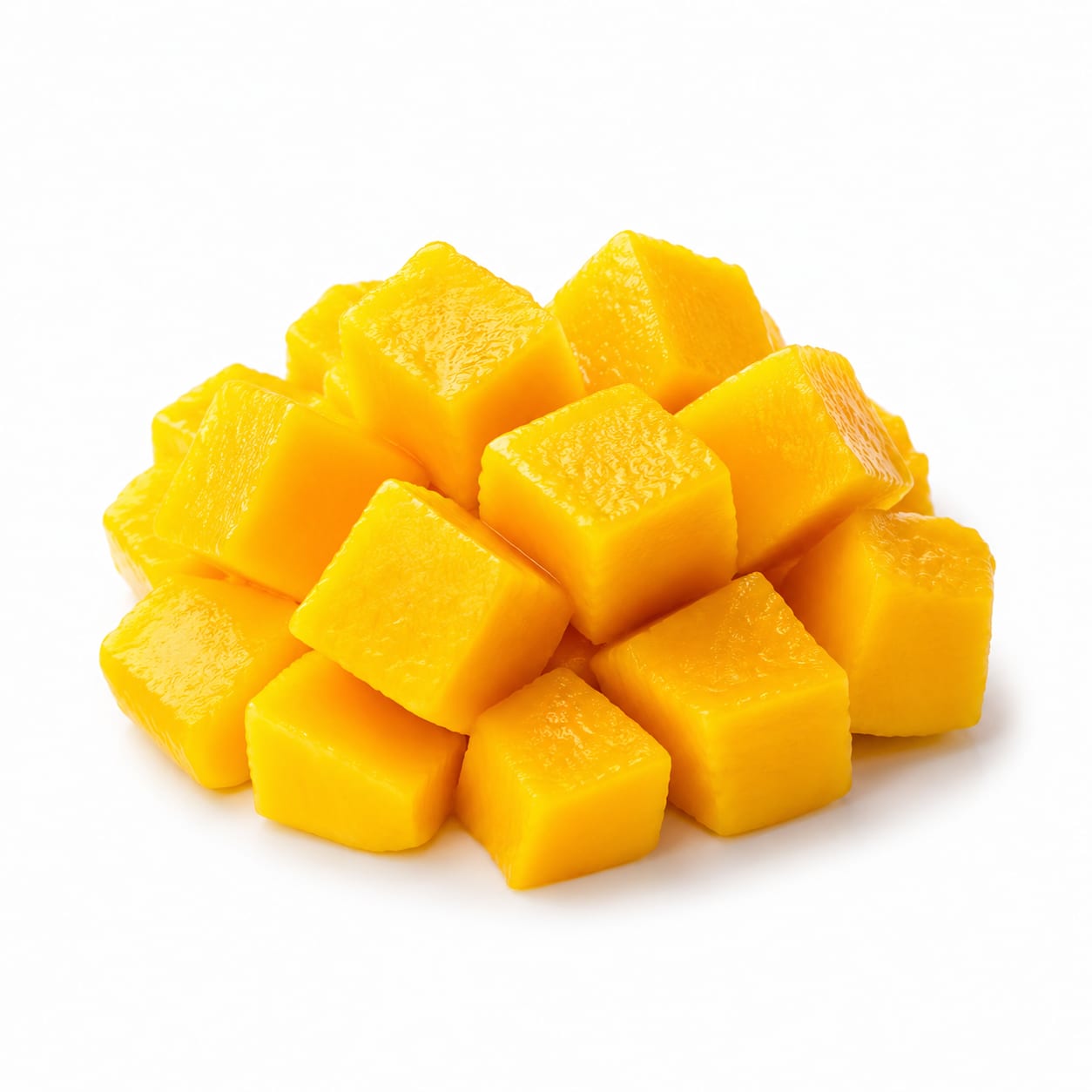
Mango
Apricots are a lighter, lower-sugar daily snack, while Mangoes are a richer, more indulgent source of immune-boosting Vitamin C.
Apricot edges ahead slightly due to its lower sugar content and easier portion control, though Mango's exceptional Vitamin C content keeps it highly competitive.
Lower calories and steadier blood sugar with Apricots versus higher Vitamin C and tropical satisfaction with Mangoes.
At a glance
Executive summary
Overall
It depends
Healthier
It depends
More practical
Apricot
Daily use
Apricot
Key comparison lenses
Blood sugar and glycemic impact
Apricots are significantly lower in sugar and calories, making them a safer bet for glucose management compared to the dense sweetness of Mangoes.
Micronutrient priorities (Vitamin A vs Vitamin C)
Apricots excel in Vitamin A for eye health, while Mangoes deliver a massive dose of Vitamin C for immunity.
Portion control and snacking practicality
A single apricot is a neat, low-calorie snack, whereas mango is slippery, messy, and easy to overeat.
Best choice for
Apricot
- Managing blood sugar
- Low-calorie snacking
- Eye health support
Mango
- Immune system boosts
- Post-workout carb replenishment
- Satisfying sweet cravings
Least suitable for
Apricot
- High-carb refueling after intense exercise
- Those wanting a rich, dessert-like fruit experience
Mango
- Strict low-carb or keto diets
- People struggling with portion control on sweet foods
Deep comparison
Dimension by dimension
Each lens scores both foods and breaks down who each option suits.
- Dimension 1 · Priority 92Apricot
Blood Sugar Stability
Apricot · 88Mango · 65Apricots have a much lower glycemic load and sugar content per serving than Mangoes.
Tradeoff
You get less intense sweetness with Apricots, but your energy stays steadier without the crash.
Why it matters
Frequent blood sugar spikes from high-sugar fruits can increase cravings and fatigue later in the day.
Real-world impact
Eating an apricot as an afternoon snack won't leave you reaching for coffee an hour later, whereas a large mango might.
Apricot
- Avoiding afternoon energy crashes
- Diabetics or insulin-resistant individuals
Better for
- Situations requiring rapid carb absorption
Worse for
Mango
- Quick energy before a run
Better for
- Sustained focus during long work sessions
Worse for
- Dimension 2 · Priority 85Mango
Immune Support & Vitamin C
Apricot · 55Mango · 95Mangoes are packed with Vitamin C, delivering over 60% of your daily needs per cup, while Apricots offer modest amounts.
Tradeoff
You trade lower sugar for a significant drop in immune-boosting Vitamin C if you choose Apricots over Mangoes.
Why it matters
Vitamin C is crucial for fighting off colds and reducing oxidative stress from daily life.
Real-world impact
Adding Mango to your breakfast during cold season gives your immune system a much stronger shield than Apricots would.
Apricot
- Peak immune defense during winter
Worse for
Mango
- Fighting off a cold
- Skin health and collagen production
Better for
- Dimension 3 · Priority 80Apricot
Eye Health & Vitamin A
Apricot · 90Mango · 60Apricots are rich in beta-carotene (Vitamin A), which is essential for vision, especially in low light.
Tradeoff
Choosing Mango means missing out on the concentrated eye-protective benefits that Apricots provide efficiently.
Why it matters
Screen time drains our visual reserves, making Vitamin A more important than ever for modern lifestyles.
Real-world impact
Snacking on a few Apricots can help reduce eye strain from staring at a computer all day.
Apricot
- People with heavy screen time
- Older adults preserving night vision
Better for
Mango
- Those needing targeted eye-health support
Worse for
- Dimension 4 · Priority 78Apricot
Portion Control & Convenience
Apricot · 92Mango · 60A single apricot is a neat, 17-calorie bite. A mango is a slippery, messy fruit that easily yields multiple cups of high-calorie flesh.
Tradeoff
Mangoes are juicier and more satisfying to eat, but it's very easy to accidentally consume two or three servings.
Why it matters
Overeating healthy foods is still overeating. Liquid calories and dense fruits can stealthily add up.
Real-world impact
You can toss three apricots in a bag for a controlled 50-calorie snack, but cutting a mango often leads to eating the whole thing at once.
Apricot
- Commuting or on-the-go snacking
- Strict calorie tracking
Better for
- Feeding a crowd
Worse for
Mango
- Sharing at a picnic or barbecue
Better for
- Mindless snacking while watching TV
Worse for
Timeline
Health impact over time
Short-term
Hours to days
Apricot
- Provides a light, non-sugary energy boost
- Easy on the stomach without causing bloating
Mango
- Delivers a quick, noticeable burst of energy
- High water content is deeply hydrating on hot days
Long-term
Months to years
Apricot
- Better long-term blood sugar regulation
- Sustained protection against age-related vision decline
Mango
- Stronger immune resilience over time
- Improved skin elasticity from high Vitamin C intake
Risk profile
Safety & processing
Both fruits are entirely whole foods when eaten fresh. However, dried apricots often contain sulfites to preserve color, which can be a concern for sensitive individuals.
Apricot
Sulfite sensitivity (if dried)
mediumDried apricots are frequently treated with sulfites, which can trigger asthma or allergic reactions in sensitive people. Opt for unsulfured brown dried apricots instead.
Cyanogenic compounds in pits
lowApricot pits contain amygdalin, which converts to cyanide if crushed and eaten. Simply avoiding eating the pits eliminates this risk entirely.
Mango
Urushiol in mango skin
mediumMango skin contains urushiol, the same oil in poison ivy. Peeling the fruit before eating prevents the itchy rash some people get around their lips.
Pesticide residue
mediumConventionally grown mangoes can carry pesticide residue on the skin, but since the thick peel is discarded, the edible flesh is largely protected.
Who wins for whom
Audience fit
Same foods, different winners depending on your goal.
children
MangoKids love the sweet, juicy, and fun texture of Mangoes, making it an easy way to get Vitamin C into picky eaters.
daily consumption
ApricotBecause Apricots are lower in sugar and easier to portion, they fit seamlessly into a daily routine without risking sugar overload.
diabetes
ApricotThe lower sugar content and lower glycemic load of Apricots make them a much safer and more predictable choice for blood sugar management.
elderly
ApricotApricots are softer to chew, lower in sugar for aging metabolisms, and provide crucial Vitamin A for declining vision.
muscle gain
MangoMangoes provide more carbohydrates to replenish glycogen stores after heavy lifting, alongside Vitamin C for tissue repair.
weight loss
ApricotAt roughly 17 calories per fruit, Apricots make it incredibly easy to control portions and keep overall calorie intake low.
Your move
Decision guide
Choose Apricot
- You are watching your blood sugar or calorie intake
- You want a quick, mess-free snack for work or travel
- Eye health is a priority due to heavy screen time
Choose Mango
- You need a Vitamin C boost or are fighting off a cold
- You are carb-loading for an athletic event
- You want a rich, dessert-like fruit to satisfy a sweet tooth
Either works if
- You are simply trying to eat more whole fruits instead of processed snacks
- You want to add variety to your morning smoothie bowl
Avoid both if
- You are on a strict ketogenic diet requiring minimal carb intake
- You have a severe fructose intolerance
Final recommendation
Keep Apricots around for your everyday, low-key snacking needs, and save Mangoes for when you need a vibrant, immune-boosting treat or post-workout refuel.
Practical
Consumer tips
- 1
If buying dried apricots, look for the brown unsulfured varieties to avoid potential sulfite reactions.
- 2
Always peel your mango before eating to avoid the urushiol oil on the skin, which can cause a poison-ivy-like rash.
- 3
Freeze diced mango chunks for a refreshing, candy-like summer treat that takes longer to eat.
- 4
Pair apricots with a handful of almonds; the added fat and protein will keep you full even longer.