
Nutrition comparison
Apricot vs Kiwi: Which Fruit Is Healthier for Your Goals?
Compare apricot and kiwi nutrition including vitamin C, vitamin A, fiber, calories, and allergy risk. Find out which fruit fits your health goals better.

Apricot
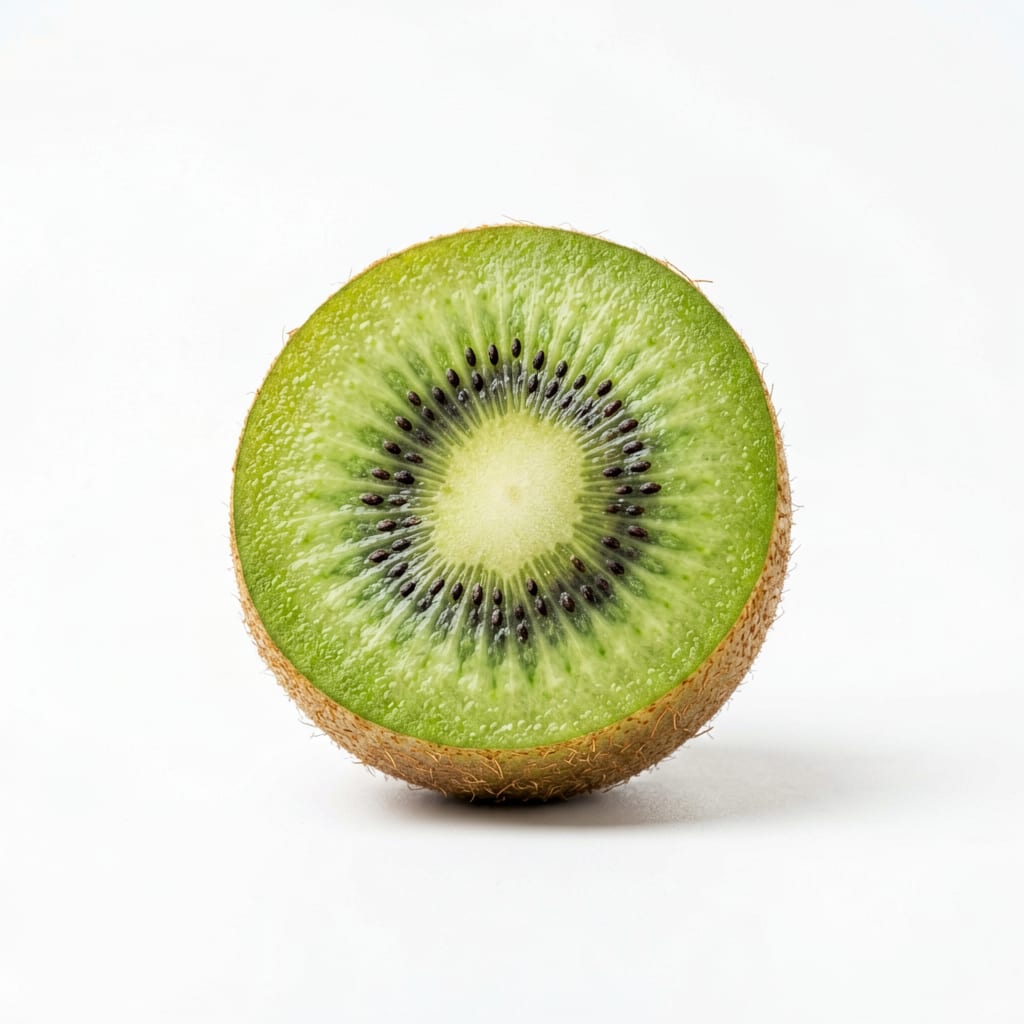
Kiwi
Kiwi wins on vitamin C and fiber, apricot wins on vitamin A and convenience — your health goals decide the winner.
Kiwi scores higher due to superior vitamin C, fiber, and potassium content, but apricot remains competitive thanks to its vitamin A advantage and everyday practicality.
Kiwi delivers over 9x more vitamin C and better digestive support, while apricot provides far more vitamin A for skin and eye health with easier portability.
At a glance
Executive summary
Overall
It depends
Healthier
It depends
More practical
Apricot
Daily use
Kiwi
Key comparison lenses
vitamin C vs vitamin A prioritization
Kiwi delivers massive vitamin C while apricot dominates vitamin A — this is the core nutritional tradeoff
immune support vs skin/eye health
Each fruit shines for a different health system, making the choice goal-dependent
digestive comfort and enzyme content
Kiwi contains actinidin, a unique digestive enzyme that apricot lacks entirely
allergy and sensitivity risk
Kiwi is a common allergen especially in children, while apricot rarely triggers reactions
snacking convenience and portability
Apricot is easier to eat on the go without mess; kiwi requires peeling or scooping
Best choice for
Apricot
- Eye health and night vision support
- On-the-go snacking without prep
- Lower calorie fruit option
- People with kiwi allergy or latex-fruit syndrome
- Gentle introduction of fruit for young children
Kiwi
- Immune system boosting during cold season
- Digestive regularity and gut health
- Iron absorption enhancement (vitamin C pairing)
- Potassium intake without supplements
- Post-workout recovery nutrition
Least suitable for
Apricot
- Anyone needing high vitamin C intake from food alone
- People seeking digestive enzyme support
- Those wanting maximum fiber per calorie
Kiwi
- People with latex-fruit syndrome or kiwi allergies
- Anyone sensitive to acidic fruits on an empty stomach
- Those wanting a mess-free commute snack
Deep comparison
Dimension by dimension
Each lens scores both foods and breaks down who each option suits.
- Dimension 1 · Priority 94Kiwi
Vitamin C Content
Apricot · 15Kiwi · 97Kiwi is one of the most vitamin C-dense fruits available; apricot provides only a trace amount.
Tradeoff
Choosing apricot means you need another vitamin C source in your diet to meet daily needs.
Why it matters
Vitamin C drives immune function, collagen production, and iron absorption — kiwi covers your entire day in one serving.
Real-world impact
One kiwi at breakfast essentially fulfills your daily vitamin C. You would need roughly 9 apricots to match that.
Apricot
- Relying on apricot as your sole fruit for vitamin C
Worse for
Kiwi
- Fighting off colds
- Wound healing
- Pairing with iron-rich meals
Better for
- Dimension 2 · Priority 88Apricot
Vitamin A and Beta-Carotene
Apricot · 90Kiwi · 8Apricot is a standout source of provitamin A carotenoids; kiwi contributes almost nothing here.
Tradeoff
If skin health and night vision matter to you, apricot fills a gap that kiwi cannot.
Why it matters
Beta-carotene converts to vitamin A, which supports eye health, skin integrity, and immune resilience.
Real-world impact
Regular apricot consumption can meaningfully support eye health over time, especially for people who do not eat carrots or sweet potatoes often.
Apricot
- Eye health maintenance
- Skin appearance support
- People who skip orange vegetables
Better for
Kiwi
- Relying on kiwi for vitamin A needs
Worse for
- Dimension 3 · Priority 82Kiwi
Fiber and Digestive Health
Apricot · 55Kiwi · 82Kiwi offers more fiber per serving plus actinidin, a natural enzyme that aids protein digestion.
Tradeoff
Apricot still provides decent fiber, but lacks the enzymatic digestive boost kiwi delivers.
Why it matters
Better fiber and enzyme intake means smoother digestion, less bloating, and more regular bowel movements.
Real-world impact
Eating kiwi after a heavy meal can noticeably reduce that stuffed feeling. Apricot helps too, but less dramatically.
Apricot
- Those relying on fruit alone for constipation relief
Worse for
Kiwi
- Chronic constipation relief
- Post-meal digestive comfort
- Gut microbiome support
Better for
- Dimension 4 · Priority 70Apricot
Calorie and Sugar Load
Apricot · 78Kiwi · 68Apricot is slightly lower in calories and comparable in sugar, making it the lighter option per piece.
Tradeoff
The calorie difference is modest, but for strict calorie counters, apricot edges ahead.
Why it matters
Lower calorie density means you can eat more volume without overshooting your daily target.
Real-world impact
Three apricots cost roughly the same calories as two kiwis, letting you feel like you ate more.
Apricot
- Calorie-conscious snacking
- Volume eating strategies
Better for
Kiwi
- Very low-calorie diet plans where every calorie counts
Worse for
- Dimension 5 · Priority 75Apricot
Allergy and Sensitivity Risk
Apricot · 88Kiwi · 52Kiwi is a top-10 food allergen, especially for children and people with latex allergies; apricot is rarely problematic.
Tradeoff
Kiwi's nutritional advantages mean nothing if your body cannot tolerate it.
Why it matters
Latex-fruit syndrome makes kiwi dangerous for a meaningful subset of people, and reactions can be severe.
Real-world impact
If you or your child have latex allergy, kiwi should be approached with caution. Apricot is far safer to introduce.
Apricot
- Latex-allergic individuals
- Parents introducing fruit to toddlers
- People with multiple food sensitivities
Better for
Kiwi
- Anyone with known kiwi or latex allergy
- Children with eczema or multiple food allergies
Worse for
- Dimension 6 · Priority 62Apricot
Convenience and Portability
Apricot · 85Kiwi · 50Apricot can be eaten whole in two bites with no mess; kiwi requires peeling or scooping and is juicier.
Tradeoff
Convenience matters for consistency — the fruit you actually grab is always better than the one you skip.
Why it matters
Friction in food prep reduces how often you eat healthy foods. Apricot removes that friction.
Real-world impact
Tossing an apricot in your bag takes zero thought. Kiwi needs a knife, spoon, or willingness to eat fuzzy skin.
Apricot
- Commuter snacking
- Desk drawer fruit stash
- Hiking and outdoor activities
Better for
Kiwi
- Situations where you need a no-prep snack
Worse for
- Dimension 7 · Priority 68Kiwi
Potassium and Electrolyte Content
Apricot · 58Kiwi · 76Kiwi provides meaningfully more potassium per serving, supporting blood pressure and muscle function.
Tradeoff
Neither fruit is a potassium powerhouse compared to bananas, but kiwi contributes more toward daily needs.
Why it matters
Adequate potassium helps regulate blood pressure and prevents cramping during activity.
Real-world impact
After a sweaty workout, kiwi offers slightly better electrolyte replenishment than apricot.
Apricot
- Those relying on fruit as a primary potassium source
Worse for
Kiwi
- Post-exercise recovery
- Blood pressure management
- Reducing cramping risk
Better for
Timeline
Health impact over time
Short-term
Hours to days
Apricot
- Quick light energy from natural sugars without a crash
- Mild satiety from moderate fiber — will not hold you long alone
- Very gentle on the stomach, unlikely to cause acid discomfort
Kiwi
- Noticeable immune boost during cold season from high vitamin C
- Digestive relief within hours for constipation-prone individuals
- Possible mouth tingling or irritation if you have mild kiwi sensitivity
Long-term
Months to years
Apricot
- Sustained vitamin A intake supports eye health and may reduce night vision decline
- Consistent low-calorie fruit intake aids weight maintenance without restriction fatigue
- Antioxidant carotenoids contribute to skin resilience against UV damage over time
Kiwi
- High regular vitamin C intake strengthens immune resilience and collagen for joint and skin health
- Daily fiber and actinidin improve long-term gut motility and microbiome diversity
- Potassium contribution supports cardiovascular health and blood pressure regulation over years
Risk profile
Safety & processing
Both apricot and kiwi are whole, unprocessed fruits with no additives when eaten fresh. Dried apricots, however, often contain sulfites and concentrated sugar, which changes the comparison entirely.
Apricot
Sulfite exposure in dried apricots
mediumDried apricots are frequently treated with sulfur dioxide to preserve color. This can trigger reactions in sulfite-sensitive individuals, especially asthmatics.
Cyanogenic compounds in apricot kernels
highApricot pits contain amygdalin, which releases cyanide when crushed. Never eat the kernels inside the pits.
Pesticide residue on conventional apricots
lowFresh apricots typically have moderate pesticide residue. Washing thoroughly or choosing organic reduces exposure.
Kiwi
Allergic reaction including anaphylaxis
highKiwi allergy can cause throat swelling, hives, and in rare cases anaphylaxis. Risk is elevated for people with latex allergy or birch pollen sensitivity.
Oral irritation from actinidin enzyme
mediumEven without true allergy, kiwi's actinidin enzyme can cause mild tongue or lip tingling, especially with unripe fruit.
Pesticide residue on conventional kiwi
lowKiwi generally has lower pesticide residue than many fruits, partly because the thick skin acts as a barrier.
Who wins for whom
Audience fit
Same foods, different winners depending on your goal.
children
ApricotLower allergy risk, easier to eat, milder flavor, and softer texture make apricot safer and more kid-friendly.
daily consumption
KiwiKiwi's broader micronutrient coverage and digestive benefits make it a more complete daily fruit, provided no allergy exists.
diabetes
It dependsBoth have moderate glycemic impact. Apricot has slightly less sugar per piece, but kiwi has more fiber to slow absorption. Individual blood sugar response varies.
elderly
KiwiSuperior fiber and digestive enzyme content address common age-related constipation, and vitamin C supports immune frailty.
muscle gain
KiwiMore vitamin C supports collagen synthesis for connective tissue repair, and extra potassium aids post-workout recovery.
weight loss
ApricotSlightly fewer calories per piece and easier portion control make apricot a marginally better fit for calorie tracking.
Your move
Decision guide
Choose Apricot
- You want a no-prep snack that fits in your pocket or bag
- Eye health and vitamin A intake are priorities for you
- You or your child have latex allergy or kiwi sensitivity
- You prefer milder, sweeter fruit without tartness
- You are counting calories closely and want lower energy density
Choose Kiwi
- Immune support is your top reason for eating fruit
- You struggle with constipation or sluggish digestion
- You want maximum vitamin C from a single serving
- You eat iron-rich meals and need a vitamin C pairing for absorption
- You enjoy tangy, vibrant flavors and do not mind prep work
Either works if
- You simply want a nutritious whole fruit to round out a meal
- You are rotating fruits for dietary variety and micronutrient breadth
- You have no allergies, no strict calorie target, and no specific health goal
Avoid both if
- You need a high-protein or high-fat food to stabilize blood sugar — eat these with a protein source
- You are on a very low-carb or ketogenic diet, as both contain meaningful sugar
- You have fructose intolerance or FODMAP sensitivity, as both can trigger symptoms in large amounts
Final recommendation
Eat both across the week. Kiwi is the stronger daily nutritional performer, but apricot fills a vitamin A gap that kiwi cannot. Rotating them gives you immune support, eye health, digestive enzymes, and carotenoids without having to choose. If you must pick one, kiwi wins on nutrient density — as long as you tolerate it.
Practical
Consumer tips
- 1
If you buy dried apricots, choose unsulfured varieties to avoid sulfite exposure — they will be brown instead of bright orange.
- 2
Ripe kiwi yields slightly to pressure like a ripe peach. Rock-hard kiwi can sit at room temperature for a few days to soften.
- 3
Pair kiwi with spinach salads or lentil dishes — the vitamin C dramatically boosts iron absorption from plant sources.
- 4
Apricot pairs well with nuts like almonds for a balanced snack: the fat slows sugar absorption and keeps you full longer.
- 5
Freeze sliced kiwi for a refreshing summer treat; the texture becomes like sorbet without any added sugar.
- 6
Wash apricot skin even if you plan to peel it, since cutting through unwashed skin transfers residue to the flesh.