
Nutrition comparison
Apricot vs Dried Apricot: Which Is Healthier? Nutrition & Sugar Comparison
Fresh Apricot vs Dried Apricot comparison covering sugar content, calorie density, sulfite concerns, and blood sugar impact. Find out which form fits your health goals best.

Apricot
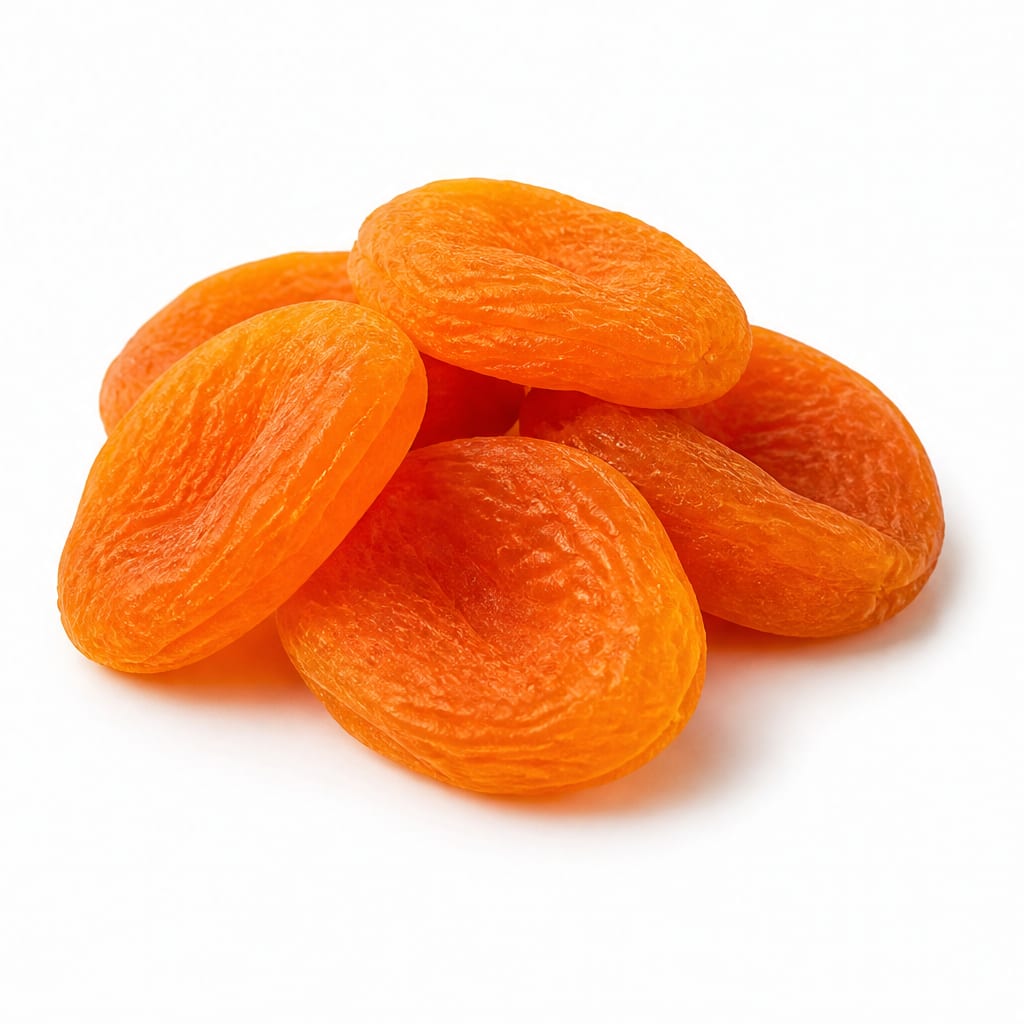
Dried Apricot
Fresh Apricots win for everyday snacking with better satiety and blood sugar control, while Dried Apricots excel as a concentrated energy source for hiking, travel, or quick fuel.
Fresh Apricots score higher for most everyday health goals due to lower sugar density, built-in portion control, and no preservative concerns. Dried Apricots lose points for overeating risk and sulfite exposure but remain valuable for specific situations requiring concentrated nutrition.
You trade water content and portion safety for convenience and nutrient density when you choose dried over fresh.
At a glance
Executive summary
Overall
It depends
Healthier
Apricot
More practical
Dried Apricot
Daily use
Apricot
Key comparison lenses
sugar concentration and blood sugar
Drying concentrates sugars dramatically, making portion control critical and glycemic impact very different between the two forms
calorie density and overeating
Dried Apricots pack 5x more calories per gram, making mindless snacking a real risk compared to fresh Apricots
preservative exposure
Most commercial Dried Apricots contain sulfur dioxide, which affects asthma sufferers and raises clean-eating concerns
nutrient concentration tradeoffs
Drying concentrates minerals like potassium and iron but destroys heat-sensitive vitamins like vitamin C
convenience and portability
Dried Apricots are shelf-stable and portable while fresh Apricots are fragile and seasonal
Best choice for
Apricot
- Weight-conscious snacking
- Blood sugar management
- Hydration support
- Vitamin C intake
- Mindful eating patterns
Dried Apricot
- Hiking and endurance sports
- Travel-friendly nutrition
- Iron deficiency support
- Potassium boosting
- Emergency calorie reserves
Least suitable for
Apricot
- Backpacking and trail nutrition
- Long-term pantry storage
- Calorie-dense meal prep
Dried Apricot
- Diabetes management
- Weight loss snacking
- Sulfite-sensitive individuals
- Controlling sugar cravings
Deep comparison
Dimension by dimension
Each lens scores both foods and breaks down who each option suits.
- Dimension 1 · Priority 95Apricot
Blood Sugar Stability
Apricot · 82Dried Apricot · 45Fresh Apricots have a gentler glycemic impact because water content slows sugar absorption. Dried Apricots deliver a concentrated sugar hit that spikes blood glucose faster.
Tradeoff
Dried Apricots provide quick energy when you need it but risk blood sugar crashes if eaten casually.
Why it matters
Steady blood sugar means fewer energy crashes, less cravings, and better metabolic health over time.
Real-world impact
A handful of Dried Apricots can feel like eating 4-5 fresh ones at once sugar-wise, hitting your system much harder.
Apricot
- Diabetics and prediabetics
- Afternoon desk snacking
- Steady energy throughout the day
Better for
- Situations requiring rapid energy
Worse for
Dried Apricot
- Quick pre-workout fuel
- Recovery after endurance exercise
- Hypoglycemia episodes
Better for
- Sedentary snacking on the couch
- Late-night eating
- Managing insulin resistance
Worse for
- Dimension 2 · Priority 90Apricot
Satiety and Portion Control
Apricot · 85Dried Apricot · 38Fresh Apricots fill you up with water and fiber for very few calories. Dried Apricots are easy to overeat because they feel light but pack concentrated calories.
Tradeoff
You can eat 5 fresh Apricots and feel satisfied at under 100 calories, but 5 dried ones deliver over 200 calories without the same fullness.
Why it matters
Unintentional overeating is one of the biggest hidden risks with dried fruit, especially for weight management.
Real-world impact
That bag of Dried Apricots disappears fast during a movie, quietly delivering more calories than a candy bar.
Apricot
- Weight loss diets
- Mindful snacking routines
- Controlling overall calorie intake
Better for
- When you need compact calories
Worse for
Dried Apricot
- Athletes needing calorie density
- Backpackers counting grams
Better for
- Emotional eating patterns
- TV snacking habits
- Anyone tracking calories loosely
Worse for
- Dimension 3 · Priority 85Apricot
Preservative and Additive Exposure
Apricot · 92Dried Apricot · 48Fresh Apricots are preservative-free. Most commercial Dried Apricots contain sulfur dioxide to maintain color and extend shelf life.
Tradeoff
Unsulfured Dried Apricots exist but look brown and have a shorter shelf life. The bright orange ones almost always contain sulfites.
Why it matters
Sulfites trigger asthma in sensitive individuals and raise concerns for people pursuing clean eating goals.
Real-world impact
If you have asthma or sulfite sensitivity, even a few sulfured Dried Apricots can cause breathing difficulty or headaches.
Apricot
- Asthma sufferers
- Clean eating advocates
- Chemical-sensitive individuals
Better for
Dried Apricot
- Those choosing unsulfured varieties consciously
Better for
- Anyone with sulfite sensitivity
- People avoiding food additives
- Children with asthma
Worse for
- Dimension 4 · Priority 80Dried Apricot
Nutrient Density Per Serving
Apricot · 55Dried Apricot · 82Dried Apricots deliver more potassium, iron, and fiber per piece because water removal concentrates everything. Fresh Apricots retain vitamin C that drying destroys.
Tradeoff
You get more minerals from dried but lose the vitamin C entirely. The concentration also means more sugar per bite.
Why it matters
For iron deficiency or potassium needs, Dried Apricots are genuinely useful. For immune support and antioxidants, fresh wins.
Real-world impact
A serving of Dried Apricots provides about 20% of your daily iron needs, while fresh Apricots offer meaningful vitamin C that dried cannot match.
Apricot
- Vitamin C seekers
- Antioxidant diversity
- Hydration-conscious eaters
Better for
- Those needing concentrated minerals
Worse for
Dried Apricot
- Iron-deficient individuals
- Potassium boosting
- Fiber supplementation
- Pregnancy nutrition support
Better for
- Vitamin C requirements
Worse for
- Dimension 5 · Priority 75Dried Apricot
Convenience and Shelf Life
Apricot · 40Dried Apricot · 90Dried Apricots last months in the pantry and travel anywhere. Fresh Apricots bruise easily, spoil within days, and are seasonal.
Tradeoff
Convenience comes with the sugar concentration and preservative tradeoffs already covered. Fresh requires planning and careful storage.
Why it matters
The best snack is one you actually have available. Dried fruit's shelf stability makes it a reliable pantry staple.
Real-world impact
You can toss Dried Apricots in a backpack for a week-long trip. Fresh Apricots would be mush by day two.
Apricot
- Farmers market enthusiasts
- Seasonal eating advocates
Better for
- Anyone needing portable snacks
- Hot climate storage
Worse for
Dried Apricot
- Frequent travelers
- Office snack drawers
- Emergency food kits
- Hiking and camping trips
Better for
- Dimension 6 · Priority 70Apricot
Digestive Tolerance
Apricot · 80Dried Apricot · 50Fresh Apricots are gentle on digestion with balanced water and fiber. Dried Apricots can cause bloating or loose stools if eaten in quantity due to concentrated fiber and sorbitol.
Tradeoff
The same fiber concentration that helps constipation can cause discomfort if you overdo it.
Why it matters
Many people discover the digestive consequences of dried fruit only after eating too many at once.
Real-world impact
Eating a large handful of Dried Apricots can send you to the bathroom within hours. Fresh Apricots rarely cause this issue.
Apricot
- Sensitive digestion
- IBS-prone individuals
- Gentle daily fiber intake
Better for
Dried Apricot
- Occasional constipation relief
Better for
- IBS and FODMAP-sensitive people
- Children who overeat dried fruit
- Anyone prone to bloating
Worse for
Timeline
Health impact over time
Short-term
Hours to days
Apricot
- Quick hydration boost from high water content
- Gentle energy without sugar crash
- Light, satisfying snack that won't weigh you down
Dried Apricot
- Rapid blood sugar spike from concentrated sugars
- Possible digestive discomfort if overeaten
- Quick calorie replenishment after intense exercise
Long-term
Months to years
Apricot
- Better weight management due to natural portion control
- Consistent antioxidant intake including vitamin C
- Lower cumulative sugar exposure supporting metabolic health
Dried Apricot
- Risk of gradual weight gain from calorie density if portions aren't managed
- Improved iron and potassium status with regular moderate consumption
- Potential sulfite exposure effects with daily consumption of sulfured varieties
Risk profile
Safety & processing
Fresh Apricots are as natural as fruit gets. Dried Apricots undergo dehydration and typically receive sulfur dioxide treatment, moving them into processed territory. Unsulfured options exist but are less common and have shorter shelf lives.
Apricot
Pesticide residue on skin
mediumApricots rank moderate for pesticide residue. Washing helps but does not eliminate all surface chemicals. Organic options reduce this concern significantly.
Perishability and mold
lowFresh Apricots spoil quickly and can develop mold. Discard any with soft brown spots as mold on stone fruit can produce mycotoxins.
Dried Apricot
Sulfite sensitivity reactions
highSulfur dioxide is used in most commercial Dried Apricots. Can trigger asthma attacks, headaches, and allergic reactions in sensitive individuals. Unsulfured varieties eliminate this risk.
Added sugar in some brands
mediumSome manufacturers add sugar or corn syrup during processing. Always check ingredient lists to avoid unnecessary added sugars.
Contamination during drying
lowOpen-air sun drying can introduce contaminants. Commercial dehydrated varieties have lower risk but always check for quality certifications.
Who wins for whom
Audience fit
Same foods, different winners depending on your goal.
children
ApricotFresh Apricots are gentler on children's digestion, avoid sulfite exposure, and their natural size helps prevent overeating. Dried Apricots can cause stomach upset if kids eat too many.
daily consumption
ApricotDaily fresh Apricot consumption supports hydration, vitamin C intake, and steady energy without the cumulative sugar load or sulfite exposure of daily dried fruit.
diabetes
ApricotFresh Apricots have a lower glycemic load per serving and water content that slows sugar absorption, making blood sugar management more predictable.
elderly
It dependsFresh Apricots help with hydration and are easier to digest. Dried Apricots provide concentrated iron and potassium that some elderly individuals need, but the sugar load and potential digestive issues require caution.
muscle gain
Dried ApricotDried Apricots deliver concentrated carbs and potassium for post-workout recovery, helping replenish glycogen faster in a compact serving.
weight loss
ApricotFresh Apricots provide built-in portion control with water volume and low calorie density, making them far easier to enjoy without overconsuming calories.
Your move
Decision guide
Choose Apricot
- You want a low-calorie snack that fills you up
- You're managing blood sugar or trying to lose weight
- You have asthma or sulfite sensitivity
- You eat fruit mindfully while working or watching TV
- You prioritize whole, unprocessed foods daily
Choose Dried Apricot
- You need portable, shelf-stable nutrition for travel or hiking
- You're an athlete needing quick post-workout carbs
- You have iron deficiency and want a food-based iron source
- You can pre-portion small amounts and stick to them
- You choose unsulfured varieties and store them properly
Either works if
- You want potassium-rich fruit options
- You enjoy apricot flavor in different textures
- You rotate between fresh and dried for variety
Avoid both if
- You have a stone fruit allergy or birch pollen syndrome
- You're on a strict low-FODMAP elimination phase
- You have fructose intolerance that triggers symptoms with both forms
Final recommendation
Keep fresh Apricots as your default for daily snacking — they're safer for blood sugar, weight, and digestion. Save Dried Apricots for targeted moments: trail mix, post-workout recovery, or travel. If you eat dried regularly, pre-portion into small bags, choose unsulfured when possible, and treat them as concentrated fuel rather than casual snacks.
Practical
Consumer tips
- 1
If buying Dried Apricots, look for unsulfured varieties — they'll be brown instead of bright orange but skip the preservative
- 2
Pre-portion Dried Apricots into small containers immediately after buying to prevent mindless overeating
- 3
Wash fresh Apricots thoroughly to reduce pesticide residue, or choose organic when available
- 4
Freeze fresh Apricots at peak ripeness to preserve them beyond their short season without losing much nutritional value
- 5
Check ingredient labels on Dried Apricots — some brands add sugar or oil that you wouldn't expect
- 6
Soak Dried Apricots in water overnight to rehydrate them partially — this reduces sugar density and makes them easier to digest
- 7
Pair Dried Apricots with a protein source like nuts to slow sugar absorption and extend satiety