
Nutrition comparison
Apricot vs Cherry: Nutrition, Antioxidants & Health Benefits Compared
Compare apricot vs cherry on nutrition, sugar, antioxidants, and health benefits. Discover which fruit is better for weight loss, diabetes, and inflammation.
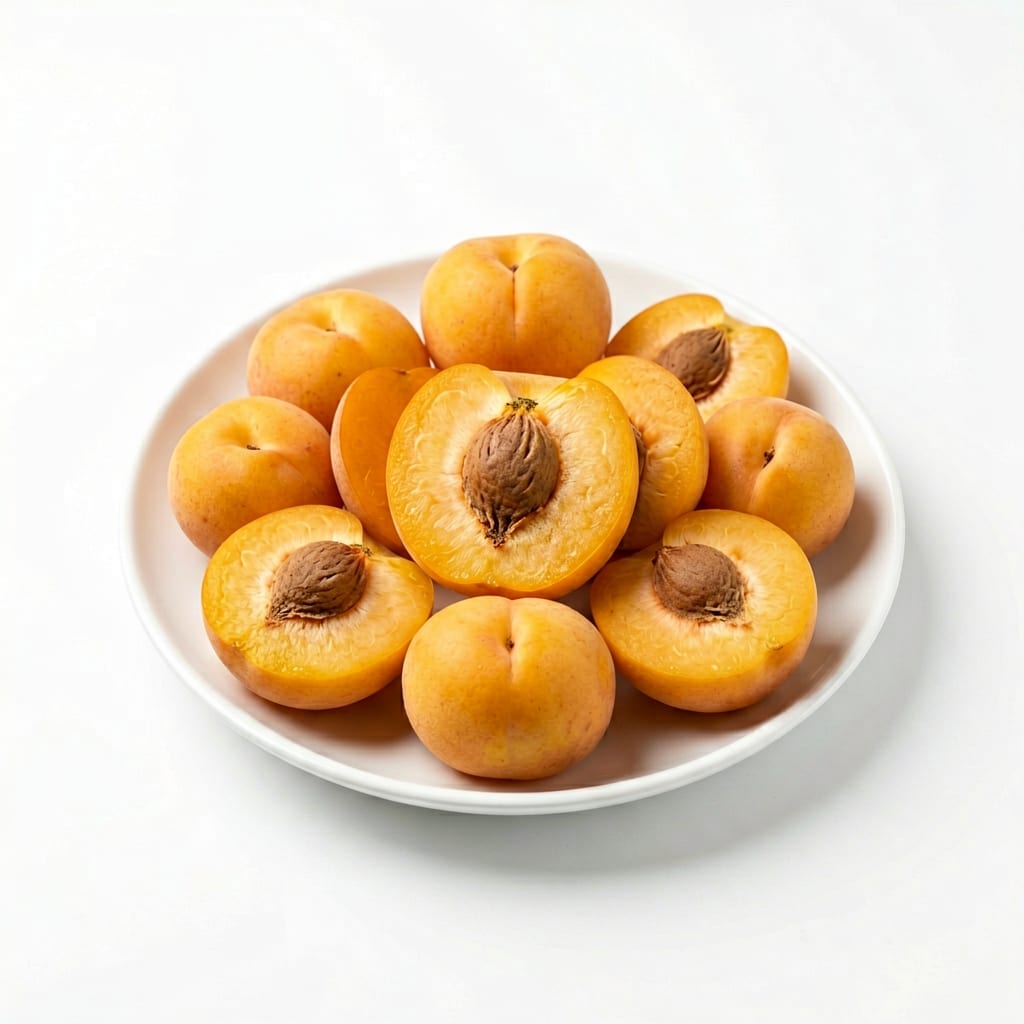
Apricot
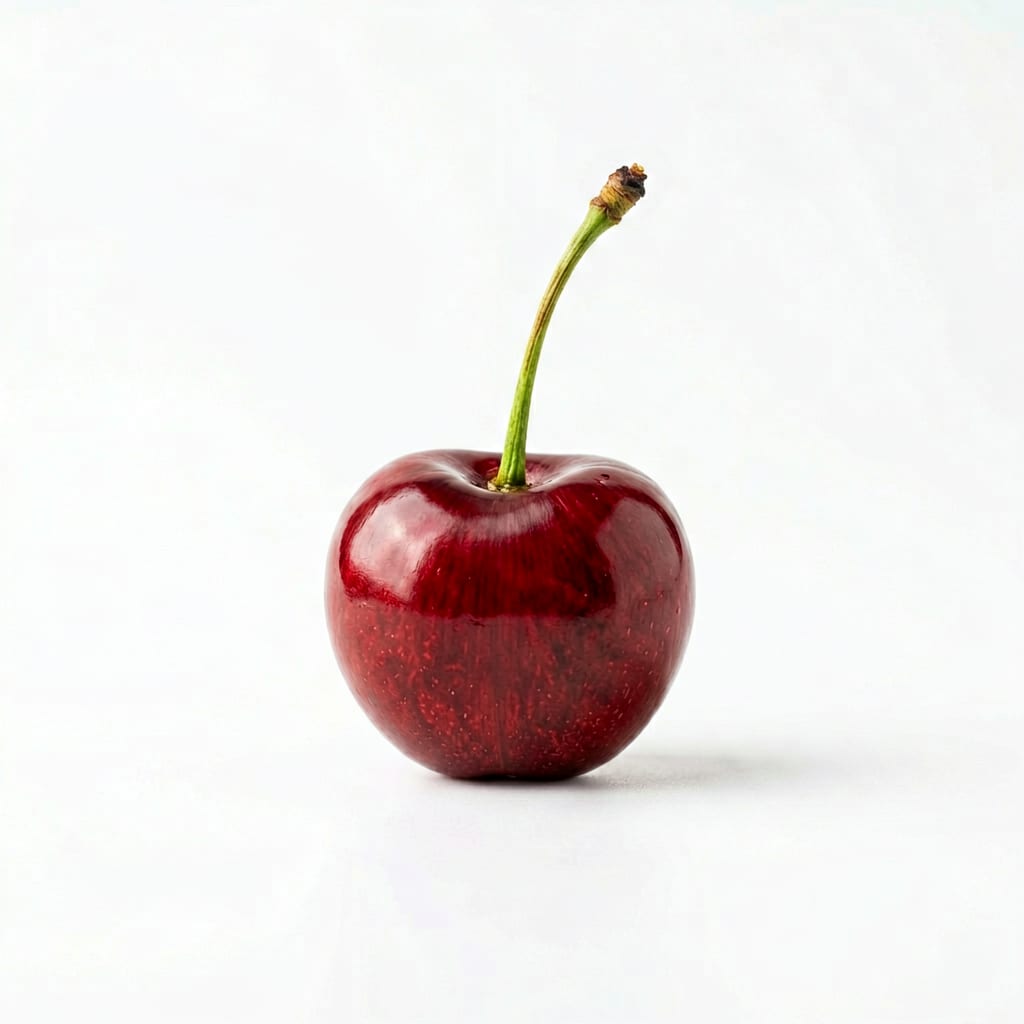
Cherry
Apricots are a vitamin A powerhouse for eye health, while cherries win on anti-inflammatory antioxidants and blood sugar stability.
Cherries edge out apricots slightly due to their superior anti-inflammatory properties and lower glycemic impact, though apricots remain an excellent choice for vitamin A and potassium.
You trade the vision-boosting beta-carotene and easy portability of apricots for the deeper anti-inflammatory and joint-supporting benefits of cherries.
At a glance
Executive summary
Overall
It depends
Healthier
It depends
More practical
Apricot
Daily use
It depends
Key comparison lenses
Antioxidant profile comparison
Apricots provide beta-carotene while cherries offer anthocyanins, leading to distinctly different health benefits.
Blood sugar impact
Cherries have a notably lower glycemic index, making them a frequent concern for sugar-conscious snackers.
Practical snacking convenience
Cherries are messier and have smaller pits, while apricots are cleaner to eat on the go.
Best choice for
Apricot
- Supporting eye and skin health
- Boosting potassium intake
- A clean, non-staining on-the-go snack
Cherry
- Reducing inflammation and joint pain
- Managing blood sugar levels
- Post-workout muscle recovery
Least suitable for
Apricot
- People strictly monitoring carbohydrate intake
- Those sensitive to higher glycemic fruits
Cherry
- People looking for a mess-free desk snack
- Young children due to choking hazard from small pits
Deep comparison
Dimension by dimension
Each lens scores both foods and breaks down who each option suits.
- Dimension 1 · Priority 95Cherry
Antioxidant Power & Inflammation
Apricot · 70Cherry · 92Cherries are packed with anthocyanins which actively fight inflammation, while apricots offer beta-carotene.
Tradeoff
Apricots support vision and skin via beta-carotene, but cherries are far better for reducing systemic inflammation and muscle soreness.
Why it matters
Chronic inflammation drives aging and disease; eating anthocyanin-rich cherries can help calm this underlying fire.
Real-world impact
Eating cherries after a tough workout can genuinely reduce next-day muscle soreness, something apricots won't do as effectively.
Apricot
- Skin health and UV protection
- General immune support
Better for
- Acute inflammatory conditions
Worse for
Cherry
- Arthritis and joint pain relief
- Post-exercise recovery
- Reducing cellular oxidative stress
Better for
- Situations requiring high vitamin A intake
Worse for
- Dimension 2 · Priority 90Cherry
Blood Sugar Stability
Apricot · 65Cherry · 85Cherries have a significantly lower glycemic index than apricots, leading to steadier energy.
Tradeoff
Apricots may cause a slightly faster blood sugar rise, but cherries keep energy more stable and cravings at bay.
Why it matters
Avoiding blood sugar spikes prevents the afternoon energy crash and helps maintain focus.
Real-world impact
A bowl of cherries as an afternoon snack will keep you satisfied longer without the quick drop that apricots might trigger.
Apricot
- Quick pre-workout energy
Better for
- Late-night snacking due to higher GI
Worse for
Cherry
- Diabetics or insulin-resistant individuals
- Sustained energy without crashes
- Weight management
Better for
- Situations needing immediate fast energy
Worse for
- Dimension 3 · Priority 85It depends
Vitamin & Mineral Density
Apricot · 88Cherry · 80Apricots dominate in vitamin A and potassium, while cherries provide more vitamin C and iron.
Tradeoff
You choose between eye and blood pressure support (apricots) or immune and blood health (cherries).
Why it matters
Potassium helps lower blood pressure, while vitamin A is critical for night vision.
Real-world impact
Eating apricots regularly can help you hit your potassium goals more easily, which is vital for heart rhythm and hydration.
Apricot
- Eye health and night vision
- Blood pressure regulation
- Electrolyte replenishment
Better for
- Those needing high vitamin C
Worse for
Cherry
- Immune system support
- Iron absorption and blood health
Better for
- Those needing high potassium or vitamin A
Worse for
- Dimension 4 · Priority 70Apricot
Snacking Convenience & Portability
Apricot · 88Cherry · 60Apricots are neat, easy to bite, and don't stain, while cherries are messy and require a pit bowl.
Tradeoff
Cherries are moreish and fun to eat but will stain your fingers and clothes, whereas apricots are a clean commuter snack.
Why it matters
If a snack is messy, you are less likely to reach for it at your desk or in the car.
Real-world impact
You can comfortably eat an apricot at your keyboard without worrying about ruining your shirt or staining documents.
Apricot
- Desk snacking at work
- Car rides and commuting
- Packing in a lunchbox
Better for
- Mindless grazing (easy to eat too many)
Worse for
Cherry
- Casual snacking at home
- Social gatherings and picnics
Better for
- Eating while working or driving
Worse for
Timeline
Health impact over time
Short-term
Hours to days
Apricot
- Provides quick, easily accessible energy
- Gentle on the stomach and easy to digest
Cherry
- Helps reduce acute muscle soreness after exercise
- Steadier energy without a sugar crash
Long-term
Months to years
Apricot
- Supports long-term eye health and vision preservation
- Helps maintain healthy blood pressure through potassium
Cherry
- Lowers chronic inflammation, protecting joints and heart
- May improve sleep quality if tart cherries are consumed
Risk profile
Safety & processing
Fresh apricots and cherries are both whole foods, but dried apricots are very common and often contain sulfites to preserve color, which can cause reactions in sensitive people.
Apricot
Sulfite exposure in dried varieties
mediumDried apricots are often treated with sulfur dioxide to maintain their bright orange color, which can trigger asthma in sensitive individuals.
Pesticide residue on skin
mediumConventional apricots can carry pesticide residue, so washing thoroughly or choosing organic is advisable.
Cherry
High pesticide residue
highCherries frequently appear on the EWG's Dirty Dozen list due to high pesticide concentrations on their delicate skins.
Choking hazard from pits
mediumThe small, hard pits can be a choking risk for young children and require careful disposal for adults.
Who wins for whom
Audience fit
Same foods, different winners depending on your goal.
children
ApricotApricots are easier for small hands to hold, less messy, and lack the small pit choking hazard present in cherries.
daily consumption
It dependsRotate both for broad nutrient coverage, but lean toward cherries if inflammation is a concern, and apricots if you need a convenient, vision-supporting snack.
diabetes
CherryCherries have a much lower glycemic index (22) compared to apricots (34), making them safer for blood sugar management.
elderly
ApricotThe high vitamin A in apricots supports aging eyes, and the potassium helps manage blood pressure, both critical concerns for older adults.
muscle gain
CherryThe anthocyanins in cherries actively reduce exercise-induced muscle damage and speed up recovery.
weight loss
CherryCherries have a lower glycemic index and are slightly more satiating per calorie, helping to curb sweet cravings without spiking blood sugar.
Your move
Decision guide
Choose Apricot
- You want a clean, portable snack for work or commuting
- Eye health and hitting your vitamin A goals are priorities
- You need a potassium boost for muscle cramps or blood pressure
- You prefer a fruit that is easy to bite and doesn't stain
Choose Cherry
- You are an athlete looking for faster muscle recovery
- You struggle with joint pain or systemic inflammation
- You are monitoring your blood sugar closely
- You want a sweet treat that won't cause an energy crash
Either works if
- You just want a natural, whole-food sweet treat
- You are trying to increase your daily fruit intake
- You want to satisfy a sweet tooth without turning to candy
Avoid both if
- You have a severe fructose intolerance or malabsorption issue
- You are on a very strict low-carb or ketogenic diet
Final recommendation
Keep both in your fruit bowl rotation. Reach for apricots when you need a clean, on-the-go snack with a vision-boosting edge, and choose cherries when you want deeper anti-inflammatory benefits and steadier energy. If buying dried apricots, opt for unsulfured brown varieties, and always buy organic cherries if possible to avoid high pesticide loads.
Practical
Consumer tips
- 1
Look for brown, unsulfured dried apricots to avoid potential sulfite reactions and unnecessary additives.
- 2
Prioritize buying organic cherries, as conventionally grown cherries consistently rank high in pesticide residue.
- 3
Freeze sweet cherries for a refreshing, candy-like summer snack that takes longer to eat.
- 4
Choose firm, deeply colored apricots and avoid any with green patches, which indicate under-ripeness.