
Nutrition comparison
Apricot vs Apple: Which Fruit Is Better for You?
Compare apricot vs apple on nutrition, fiber, sugar, vitamins, and satiety. Learn which fruit fits your health goals, from weight loss to blood sugar management.

Apricot
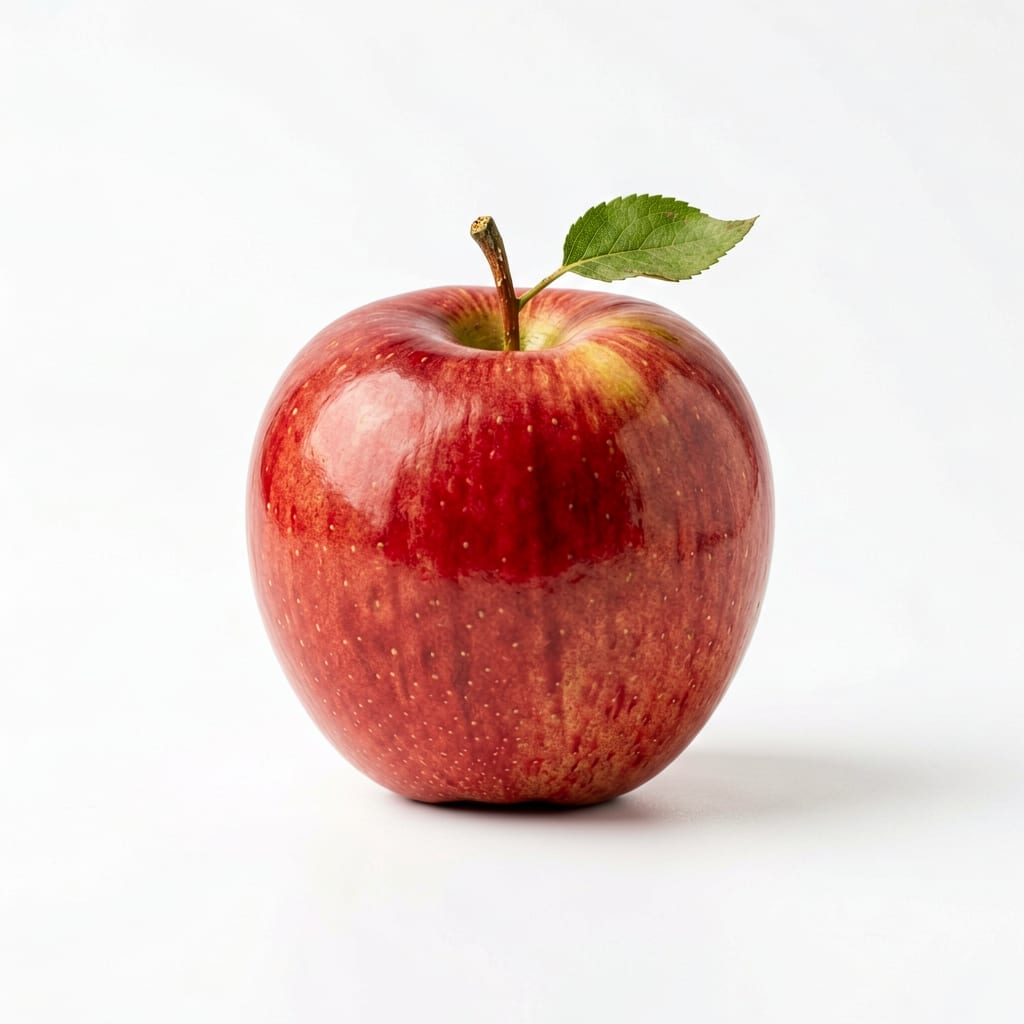
Apple
Apples win on satiety, fiber, and everyday practicality. Apricots win on vitamin A, potassium, and antioxidant density per calorie. Pick apples for staying full; pick apricots for nutrient density in a lighter package.
Apples score higher overall due to superior fiber, satiety, availability, and blood sugar stability. Apricots earn strong marks for micronutrient density and lower calories but lose ground on practicality and hunger management.
Apples keep you fuller longer with more fiber and volume, but apricots deliver far more beta-carotene and potassium in fewer calories.
At a glance
Executive summary
Overall
It depends
Healthier
It depends
More practical
Apple
Daily use
Apple
Key comparison lenses
everyday fruit snacking choice
Both are common snack fruits people choose between for daily eating
blood sugar and glycemic impact
Apricots are sweeter and smaller, making portion and sugar impact a real concern
vitamin A and antioxidant needs
Apricots are dramatically richer in beta-carotene, which is a decisive nutritional difference
satiety and hunger management
Apples are significantly more filling due to fiber and volume, affecting real-world eating behavior
seasonal availability and practicality
Fresh apricots are seasonal and fragile while apples are available year-round
Best choice for
Apricot
- People needing more vitamin A or beta-carotene
- Those wanting a lighter, lower-calorie snack
- Anyone watching calorie intake closely
- People seeking potassium-rich foods
- Snackers who prefer softer, juicier texture
Apple
- People who want a filling snack that curbs hunger
- Anyone prioritizing digestive regularity through fiber
- Those needing a portable, durable fruit for on-the-go
- Budget-conscious shoppers wanting year-round availability
- People managing blood sugar who benefit from slower-digesting carbs
Least suitable for
Apricot
- People who tend to overeat sweet fruit easily
- Those living in areas with limited fresh apricot access
- Anyone needing a long-lasting, durable snack for travel
- People who find small fruits unsatisfying as a standalone snack
Apple
- People who find apples too filling or bloating
- Those wanting maximum micronutrient density per calorie
- People with oral allergy syndrome triggered by apples
- Anyone seeking high vitamin A intake from fruit
Deep comparison
Dimension by dimension
Each lens scores both foods and breaks down who each option suits.
- Dimension 1 · Priority 90Apple
Satiety and Fullness
Apricot · 45Apple · 82A medium apple is roughly three times the weight of a fresh apricot, with significantly more fiber and water volume. You feel noticeably more full after one apple than after one apricot.
Tradeoff
Apricots are lighter and less likely to cause bloating, but you will likely feel hungry again much sooner.
Why it matters
If you are snacking to bridge a 3-hour gap between meals, an apple actually does the job. An apricot is more of a quick bite than a satisfying break.
Real-world impact
One apple at 3pm can hold you until dinner. One apricot at 3pm often leads to reaching for something else within 30 minutes.
Apricot
- Light snackers who prefer small portions
- People who eat frequently throughout the day
Better for
- People who need sustained energy between meals
- Anyone prone to overeating after unsatisfying snacks
Worse for
Apple
- Anyone trying to reduce between-meal snacking
- People who skip meals and need one snack to last
- Those using fruit as a meal replacement component
Better for
- People with sensitive digestion who find high-fiber fruit uncomfortable
- Those who prefer grazing on small amounts throughout the day
Worse for
- Dimension 2 · Priority 85Apricot
Micronutrient Density
Apricot · 88Apple · 52Apricots deliver dramatically more vitamin A and potassium per calorie than apples. One apricot provides roughly 20% of your daily vitamin A needs; an apple provides almost none.
Tradeoff
You get more vitamins per bite from apricots, but you would need to eat several to match the total fiber and volume of one apple.
Why it matters
If your diet is low in orange fruits and vegetables, apricots fill a nutritional gap that apples simply cannot cover.
Real-world impact
Someone eating apricots regularly gets meaningful beta-carotene intake supporting eye health and immune function. An apple-a-day person gets almost no vitamin A from that habit.
Apricot
- People with low vitamin A intake
- Anyone who does not eat carrots, sweet potatoes, or squash regularly
- Those focused on skin and eye health
Better for
- People who only eat one or two apricots and assume they are getting broad nutrition
Worse for
Apple
- People already eating a varied diet rich in orange vegetables
- Those primarily seeking digestive benefits from fruit
Better for
- Anyone relying on apples as their sole fruit, missing key micronutrients
Worse for
- Dimension 3 · Priority 80Apple
Blood Sugar Stability
Apricot · 55Apple · 74Apples have a lower glycemic index and more fiber to slow sugar absorption. Apricots are sweeter per gram and their smaller size makes it easy to eat several quickly.
Tradeoff
A single apricot has less total sugar than an apple, but eating three or four apricots delivers more sugar with less fiber to buffer it.
Why it matters
For anyone monitoring blood sugar, the fiber-to-sugar ratio matters more than total sugar alone. Apples provide a better ratio.
Real-world impact
A person with prediabetes can eat half an apple with nut butter and feel steady. Eating three apricots as a snack may cause a quicker blood sugar rise.
Apricot
- Disciplined eaters who stop at one or two apricots
- People pairing fruit with protein or fat to slow absorption
Better for
- Grazers who easily eat four or five apricots without thinking
- People with diabetes who count glycemic load carefully
Worse for
Apple
- Anyone with insulin resistance or prediabetes
- People who prefer one satisfying portion over multiple small ones
Better for
- People who find even half an apple too much at once
Worse for
- Dimension 4 · Priority 78Apple
Fiber and Digestive Health
Apricot · 48Apple · 83A medium apple provides about 4.4 grams of fiber versus roughly 1.5 grams in one apricot. Apples are also notably rich in pectin, a soluble fiber that supports gut health specifically.
Tradeoff
Apples are clearly superior for digestive regularity, but their fiber can cause bloating in sensitive people. Apricots are gentler on the stomach.
Why it matters
If constipation or irregularity is a concern, apples are one of the best everyday fruits. Apricots help but you would need to eat many to match the fiber.
Real-world impact
An apple a day genuinely moves the needle on digestive regularity. An apricot a day is a pleasant addition but not a fiber strategy on its own.
Apricot
- People with irritable bowel who find high-fiber fruit triggering
- Those recovering from digestive illness who need gentle foods
Better for
- People relying on apricots alone for fiber intake
Worse for
Apple
- Anyone needing more daily fiber intake
- People who struggle with constipation
- Those wanting to support a healthy gut microbiome
Better for
- People with FODMAP sensitivities who react to apples
Worse for
- Dimension 5 · Priority 72Apple
Practicality and Availability
Apricot · 40Apple · 90Apples are available everywhere year-round, store for weeks, and travel well. Fresh apricots have a short season, bruise easily, and spoil within days.
Tradeoff
Apricots offer a special seasonal eating experience, but you cannot rely on them as a daily staple the way you can with apples.
Why it matters
The best fruit for daily health is the one you can actually access and eat consistently. Apples win on reliability.
Real-world impact
You can keep apples in a bowl on the counter for two weeks. Apricots need refrigeration and careful handling, and even then last maybe five days.
Apricot
- Farmers market shoppers during peak summer season
- People who enjoy seasonal eating and variety
Better for
- Meal preppers who need ingredients that last all week
- Anyone who dislikes food waste from spoilage
Worse for
Apple
- Busy people who buy groceries once a week
- Anyone packing lunch or snacks for work or school
- Those living in areas with limited produce selection
Better for
- People who get bored eating the same fruit daily
Worse for
- Dimension 6 · Priority 68Apricot
Antioxidant Profile
Apricot · 80Apple · 62Apricots are rich in beta-carotene and lutein, antioxidants that specifically support eye and skin health. Apples provide quercetin, mostly concentrated in the skin, which supports cardiovascular health.
Tradeoff
Apricots target eye and skin health more directly, while apples offer heart-protective antioxidants. Both are valuable but serve different purposes.
Why it matters
If you spend long hours on screens or want skin-supportive nutrients, apricots are more targeted. For heart health awareness, apples have the edge.
Real-world impact
Someone eating apricots regularly is investing more in vision and skin. Someone eating apples is investing more in long-term cardiovascular protection.
Apricot
- People with heavy screen time concerned about eye strain
- Those wanting skin-supportive nutrition
- Anyone not eating other orange fruits or vegetables
Better for
- People who assume dried apricots offer the same antioxidant benefits as fresh
Worse for
Apple
- People focused on heart health
- Those who eat the apple skin and want quercetin benefits
Better for
- People who peel their apples, losing most of the antioxidant value
Worse for
Timeline
Health impact over time
Short-term
Hours to days
Apricot
- Quick energy from natural sugars with less fullness
- Gentle on digestion due to lower fiber content
- May trigger desire for more snacking soon after eating
Apple
- Noticeable fullness that reduces subsequent hunger
- Slower, steadier energy release from higher fiber content
- Can cause mild bloating in fiber-sensitive individuals
Long-term
Months to years
Apricot
- Consistent beta-carotene intake supporting eye and skin health over time
- Potassium contribution helps maintain healthy blood pressure
- Risk of insufficient fiber if apricots replace higher-fiber fruits entirely
Apple
- Improved digestive regularity from sustained high fiber intake
- Quercetin from apple skin contributes to cardiovascular protection over years
- Stable blood sugar patterns from consistent low-glycemic snacking
Risk profile
Safety & processing
Both apricots and apples are whole, minimally processed fruits when eaten fresh. The main concern is that dried apricots often contain sulfites as a preservative, which is not an issue with fresh apricots or apples.
Apricot
Sulfite exposure from dried apricots
mediumMany commercially dried apricots contain sulfur dioxide to preserve color. This can trigger reactions in sulfite-sensitive people, especially those with asthma.
Pesticide residue on conventional apricots
mediumApricots rank moderately for pesticide residue. Washing helps, but choosing organic reduces exposure more effectively.
Cyanogenic compounds in apricot kernels
highApricot pits contain amygdalin, which releases cyanide when crushed and consumed. Never eat apricot kernels or seeds, though the fruit flesh is completely safe.
Apple
Pesticide residue on conventional apples
highApples consistently rank in the top five on the EWG Dirty Dozen list for pesticide residue. Peeling reduces exposure but also removes most fiber and antioxidants.
Wax coatings on supermarket apples
lowMany conventionally sold apples have shellac or carnauba wax applied for shine and preservation. These are generally recognized as safe but bother some consumers.
Oral allergy syndrome
mediumApples are a common trigger for oral allergy syndrome in people with birch pollen allergies, causing mouth and throat itching.
Who wins for whom
Audience fit
Same foods, different winners depending on your goal.
children
AppleApples are easier to pack, less messy, and more filling for active kids. Apricots bruise easily in lunchboxes and their small size makes them less satisfying as a standalone snack for children.
daily consumption
AppleApples are available year-round, store well, and provide consistent fiber. They are simply more reliable as a daily staple than apricots, which are seasonal and perishable.
diabetes
AppleApples have a lower glycemic index and more fiber to slow sugar absorption. The higher fiber-to-sugar ratio makes portion control and blood sugar management easier.
elderly
ApricotApricots are softer and easier to chew for those with dental concerns. Their potassium content also supports bone health and blood pressure management, which are common concerns in older adults.
muscle gain
It dependsNeither fruit is a meaningful protein source. Apricots offer slightly more potassium per calorie which helps with muscle cramp prevention, but the difference is not decisive.
weight loss
AppleApples provide more volume and fiber per calorie, making them more satiating. You are less likely to overeat after an apple than after apricots, which are easy to consume in large quantities.
Your move
Decision guide
Choose Apricot
- You want maximum vitamin A and potassium from a fruit
- You prefer a lighter, less filling snack between meals
- You eat seasonally and can access fresh summer apricots
- You have dental sensitivity and need softer fruit
- You already eat plenty of fiber from other sources
Choose Apple
- You want one snack that actually keeps you full for hours
- You need a durable, portable fruit for work or school lunches
- You are focused on digestive regularity and fiber intake
- You want a reliable year-round fruit you can always find
- You are managing blood sugar and prefer a lower glycemic option
Either works if
- You just want a healthy whole fruit and enjoy both
- You rotate fruits throughout the week for variety
- You pair fruit with protein or fat for balanced snacking
Avoid both if
- You have fructose intolerance or malabsorption
- You are on a very low-carb or ketogenic diet
- You have oral allergy syndrome triggered by both fruits
Final recommendation
Keep apples as your everyday staple fruit for fiber, fullness, and convenience. Add apricots during summer months when they are fresh and seasonal for their vitamin A and potassium boost. This combination gives you the best of both: reliable daily nutrition from apples plus targeted micronutrient density from apricots.
Practical
Consumer tips
- 1
Choose organic apples when possible since they top the Dirty Dozen list for pesticide residue
- 2
Wash apricots thoroughly even if organic, as their soft skin holds residue easily
- 3
Never eat apricot kernels or seeds — they contain cyanogenic compounds and are genuinely dangerous
- 4
Leave apple skin on to get the full fiber and quercetin benefit
- 5
If buying dried apricots, look for unsulfured varieties to avoid sulfite exposure
- 6
Pair either fruit with a handful of nuts or spoonful of nut butter to stabilize blood sugar and increase satiety
- 7
Store ripe apricots in the refrigerator and eat within three to four days for best quality
- 8
Apples stored in the crisper drawer stay crisp for two to three weeks