
Nutrition comparison
Acerola vs Strawberry: Vitamin C Powerhouse vs Everyday Superfruit
Acerola vs Strawberry: Which is healthier? Compare vitamin C, antioxidants, and practical uses to see whether the super-cherry or the classic berry fits your diet best.
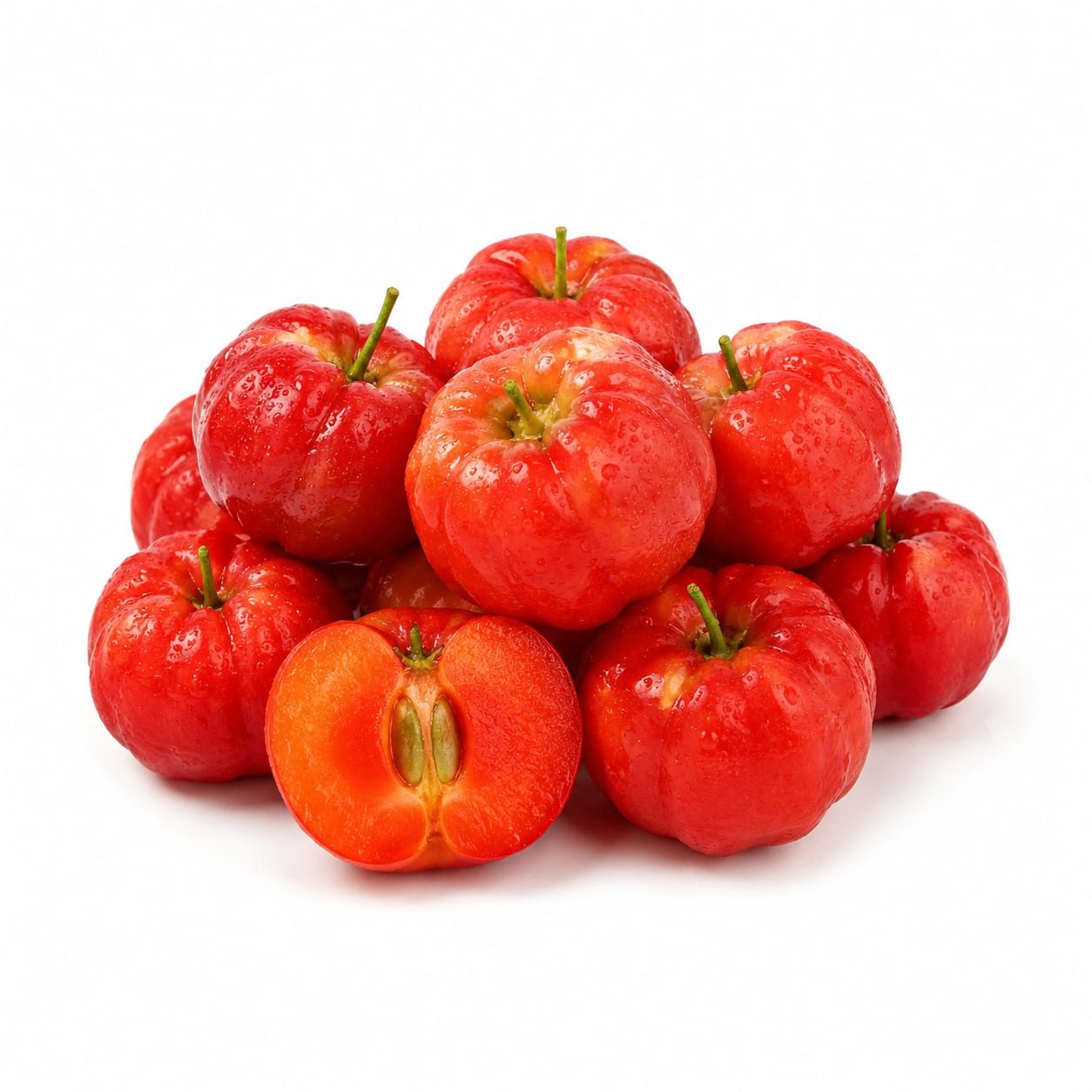
Acerola
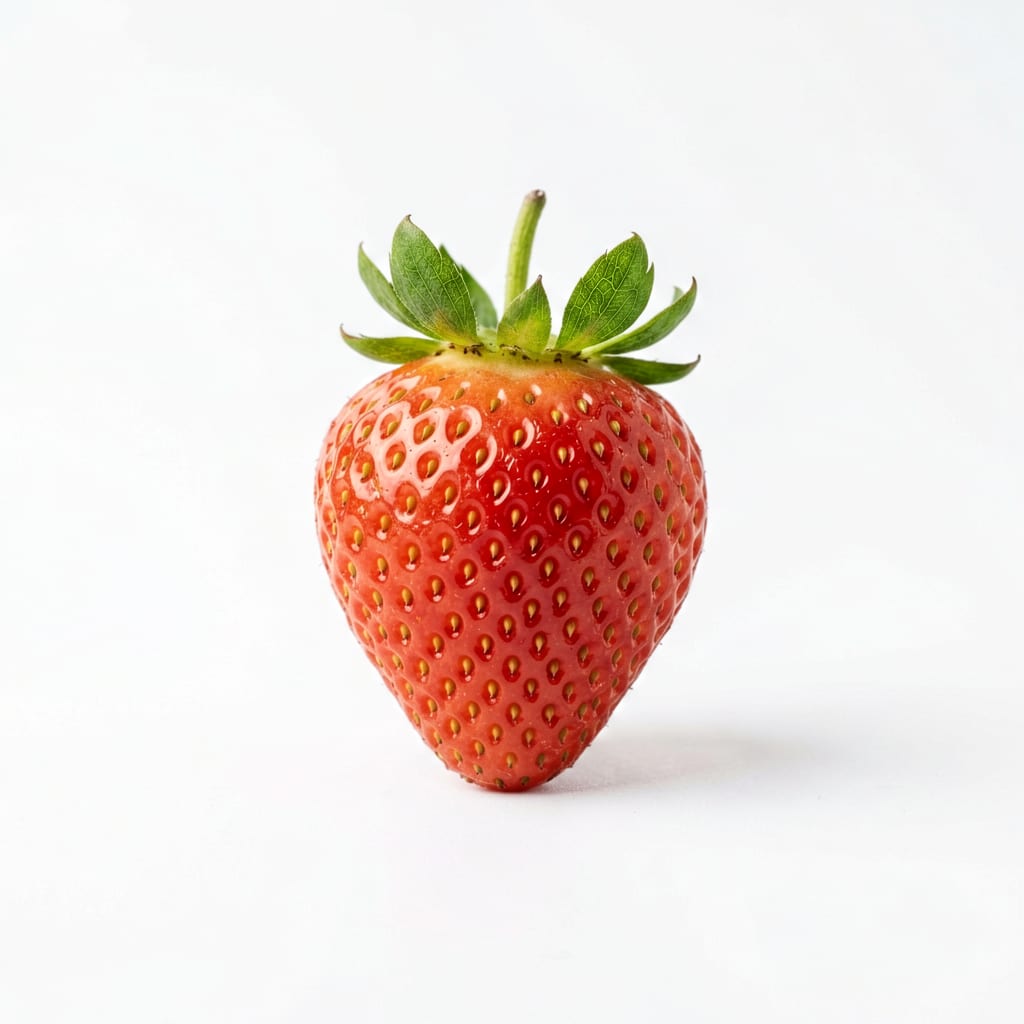
Strawberry
Acerola obliterates strawberries in vitamin C, but strawberries win on everyday versatility and broader antioxidant access.
Strawberries score slightly higher due to practicality and a broader nutrient profile, but Acerola is unmatched for specific vitamin C needs.
Massive vitamin C boost vs. easy availability and dietary diversity.
At a glance
Executive summary
Overall
It depends
Healthier
It depends
More practical
Strawberry
Daily use
Strawberry
Key comparison lenses
Vitamin C and immunity
Acerola is one of the most concentrated natural sources of vitamin C available, making immunity the primary contrast.
Everyday practicality and availability
Strawberries are a grocery staple worldwide, while fresh Acerola is highly perishable and rarely found outside specialty markets.
Antioxidant diversity
While Acerola dominates vitamin C, strawberries offer a broader spectrum of antioxidants like pelargonidin and ellagic acid.
Pesticide exposure
Strawberries consistently rank at the top of the EWG's Dirty Dozen list, making contamination a key decision factor.
Best choice for
Acerola
- Immune support
- Vitamin C supplementation
- Short-term illness recovery
Strawberry
- Everyday snacking
- Recipe versatility
- Balanced nutrient intake
Least suitable for
Acerola
- Grocery staples on a budget
- People sensitive to highly acidic fruits
Strawberry
- Those needing a massive vitamin C boost in a small serving
Deep comparison
Dimension by dimension
Each lens scores both foods and breaks down who each option suits.
- Dimension 1 · Priority 95Acerola
Vitamin C & Immunity
Acerola · 99Strawberry · 75Acerola delivers an extraordinary dose of vitamin C, far exceeding strawberries.
Tradeoff
You get a massive immune boost from Acerola, but it's highly acidic and easy to overconsume.
Why it matters
A single Acerola cherry can meet your entire daily vitamin C requirement multiple times over.
Real-world impact
Great for fending off a cold, but too much Acerola can upset your stomach.
Acerola
- Fighting off a cold
- Collagen support
- Iron absorption
Better for
- People prone to kidney stones
- Sensitive stomachs
Worse for
Strawberry
- Gentle daily maintenance
- Less GI irritation
Better for
- Situations requiring rapid immune escalation
Worse for
- Dimension 2 · Priority 90Strawberry
Everyday Practicality & Availability
Acerola · 40Strawberry · 95Strawberries are a grocery store staple, while fresh Acerola is rare and often found only as powder or juice.
Tradeoff
Strawberries are easy to find and eat; Acerola usually requires sourcing specialty products.
Why it matters
A healthy food only works if you can actually buy and eat it consistently.
Real-world impact
You can grab strawberries anywhere; Acerola takes planning and often costs more.
Acerola
- Targeted supplementation routines
Better for
- Quick snacks
- Budget-friendly diets
Worse for
Strawberry
- Spontaneous snacking
- Baking
- Smoothies
- Family meals
Better for
- Concentrated nutrient dosing
Worse for
- Dimension 3 · Priority 80Strawberry
Antioxidant Diversity
Acerola · 70Strawberry · 88Strawberries offer a wider array of antioxidants like pelargonidin and ellagic acid, while Acerola is heavily skewed toward vitamin C.
Tradeoff
Acerola gives you a deep dive into vitamin C; strawberries give you a broader antioxidant umbrella.
Why it matters
Diverse antioxidants protect different parts of your cells from varied stressors.
Real-world impact
Eating strawberries regularly supports long-term heart and brain health through multiple pathways.
Acerola
- Targeted oxidative stress reduction
Better for
- Broad-spectrum antioxidant coverage
Worse for
Strawberry
- Long-term cellular defense
- Heart health
- Inflammation reduction
Better for
- Acute vitamin C repletion
Worse for
- Dimension 4 · Priority 75Acerola
Pesticide & Contamination Risk
Acerola · 85Strawberry · 50Strawberries consistently rank near the top of the Dirty Dozen list for pesticide residues, while Acerola is often cleaner.
Tradeoff
Strawberries are easy to find but carry higher pesticide risk unless organic; Acerola is often cleaner but harder to source fresh.
Why it matters
Pesticide exposure adds up over time, affecting hormonal and neurological health.
Real-world impact
Choosing organic strawberries or washing them thoroughly is practically mandatory.
Acerola
- Minimizing synthetic chemical intake
Better for
- None significant
Worse for
Strawberry
- Conventional availability if organic is not an option
Better for
- People avoiding pesticides who cannot find or afford organic
Worse for
Timeline
Health impact over time
Short-term
Hours to days
Acerola
- Rapid vitamin C replenishment
- Possible stomach upset if Acerola is eaten in large amounts
- Quick energy lift
Strawberry
- Gentle hydration
- Satisfying sweet snack
- Mild blood sugar rise
Long-term
Months to years
Acerola
- Stronger immune resilience
- Better collagen and skin integrity
- Risk of kidney stones if Acerola is over-consumed daily
Strawberry
- Improved heart health markers
- Better blood sugar regulation
- Reduced chronic inflammation
Risk profile
Safety & processing
Both are whole foods when fresh. However, Acerola is most commonly sold as a powdered supplement, which involves some processing, whereas strawberries are typically eaten fresh.
Acerola
Kidney stone risk
mediumExtremely high vitamin C in Acerola can convert to oxalates, raising kidney stone risk in susceptible people.
Strawberry
Pesticide residues
highStrawberries are one of the most pesticide-contaminated fruits; always buy organic or wash thoroughly.
Who wins for whom
Audience fit
Same foods, different winners depending on your goal.
children
StrawberryKids love the taste and texture of strawberries, and they are safer for their smaller stomachs compared to highly acidic Acerola.
daily consumption
StrawberryStrawberries are easier to eat daily without overdoing vitamin C or dealing with high acidity.
diabetes
StrawberryStrawberries have a proven track record of improving insulin sensitivity with a gentler blood sugar impact.
elderly
StrawberryStrawberries support heart and brain health with a softer impact on the digestive system.
muscle gain
AcerolaAcerola's massive vitamin C content supports collagen synthesis and workout recovery better.
weight loss
StrawberryStrawberries are more filling per serving and easier to integrate into a low-calorie diet.
Your move
Decision guide
Choose Acerola
- You want a massive vitamin C boost
- You are fighting off a cold
- You want to support collagen for skin or joints
- You are using Acerola as a supplement rather than a snack
Choose Strawberry
- You want a delicious everyday fruit
- You need a versatile ingredient for meals
- You want broad antioxidant benefits
- You are buying groceries on a regular budget
Either works if
- You want a natural antioxidant boost
- You need a low-calorie sweet treat
Avoid both if
- You have a severe berry allergy
- You are on a strict very-low-carb diet and tracking every gram of sugar
Final recommendation
Use strawberries as your daily fruit for broad benefits and enjoyment, and add Acerola powder when you need a targeted vitamin C surge.
Practical
Consumer tips
- 1
If buying strawberries, opt for organic to avoid heavy pesticide exposure.
- 2
Acerola loses its vitamin C quickly when exposed to heat and light; keep it cool and consume promptly.
- 3
A little Acerola goes a long way—do not eat it by the handful like strawberries.
- 4
Freeze strawberries when in season for year-round smoothies without the premium price.