
Nutrition comparison
Acerola vs Rose Hips: Vitamin C Champion vs Joint Health Powerhouse
Compare Acerola and Rose Hips side by side. Acerola delivers unmatched Vitamin C for immune support and collagen, while Rose Hips offer proven joint pain relief, fiber, and broader anti-inflammatory benefits. Find out which is right for you.
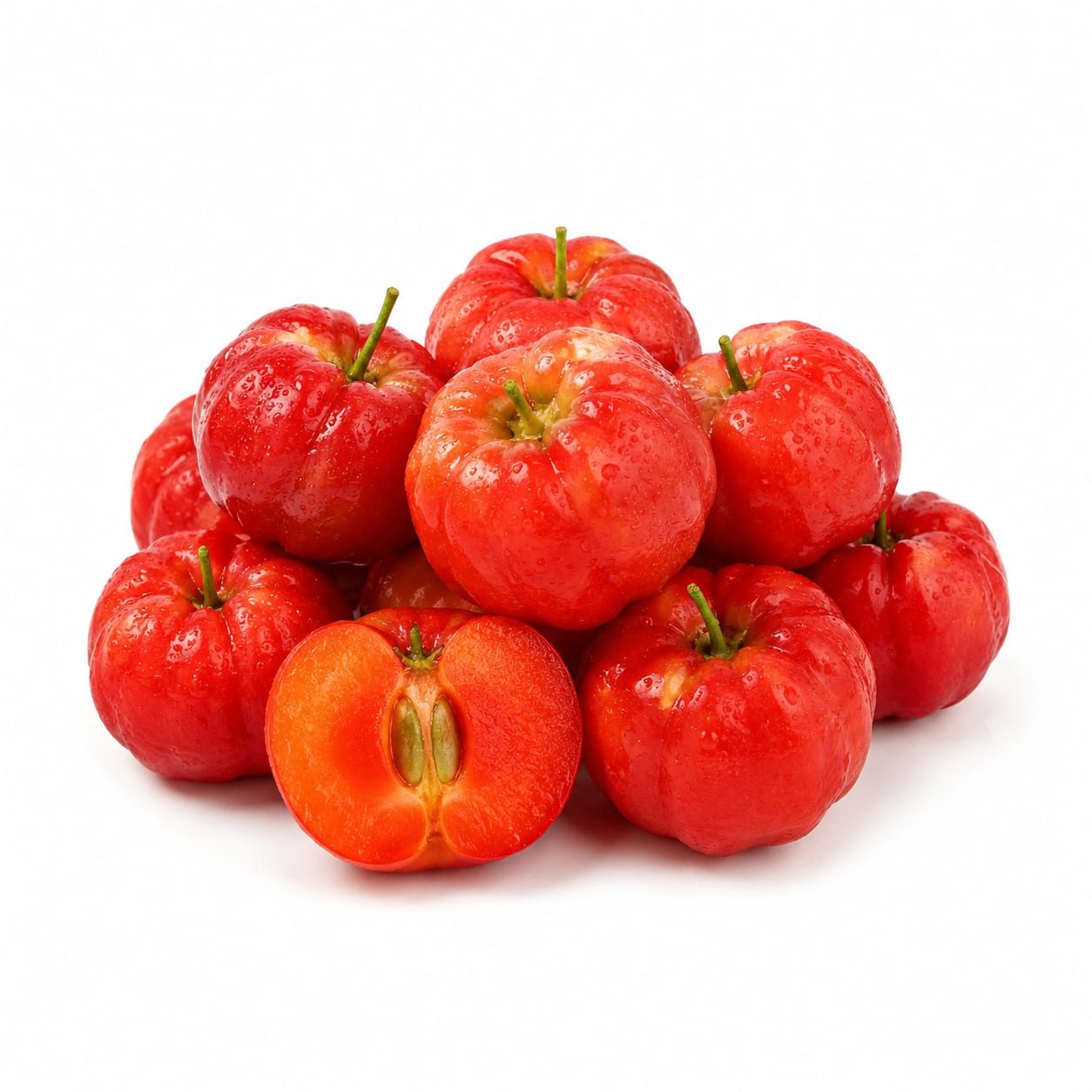
Acerola
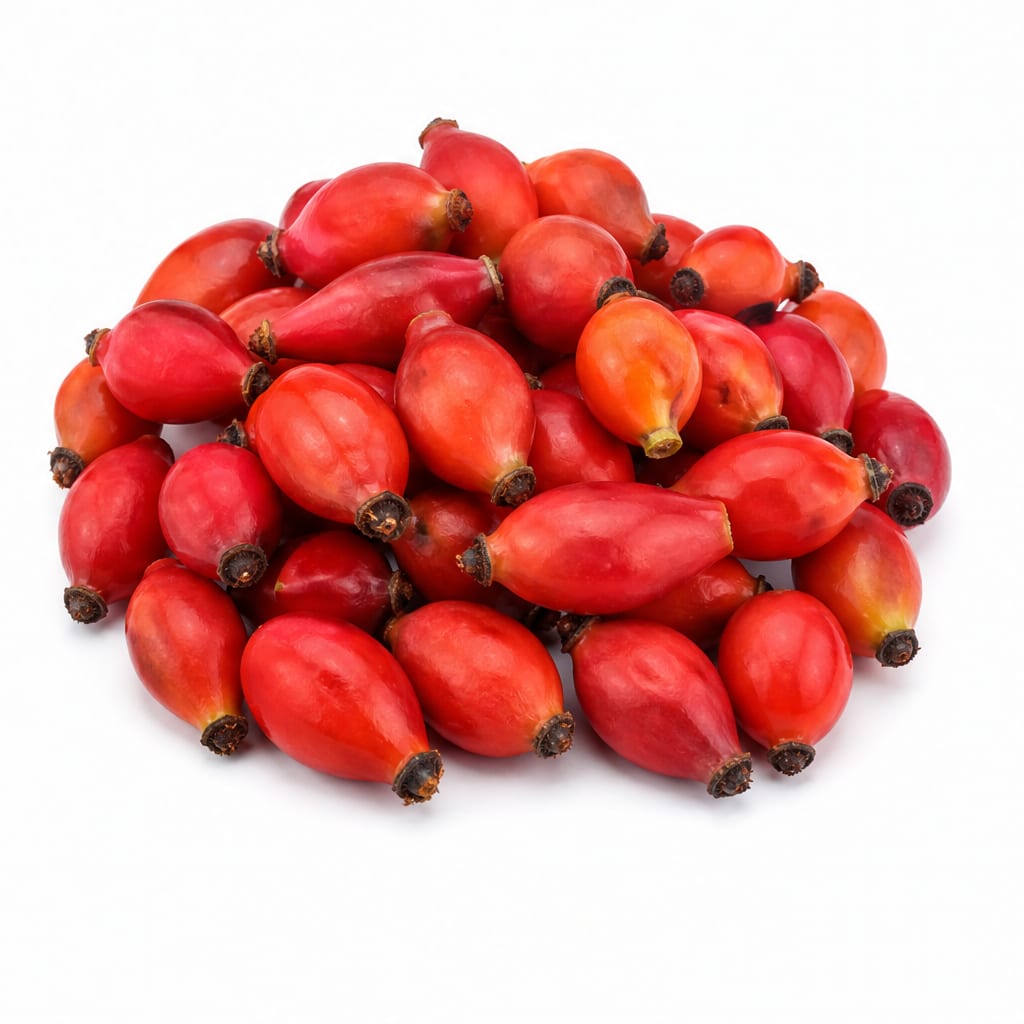
Rose Hips
Acerola delivers unmatched Vitamin C potency, while Rose Hips offer broader anti-inflammatory and joint health benefits with better fiber content.
Rose Hips edge ahead slightly due to broader health benefits beyond Vitamin C, better fiber content, and stronger clinical evidence for joint health. Acerola wins on raw Vitamin C potency but offers a narrower nutritional advantage.
Raw Vitamin C concentration versus whole-body anti-inflammatory support and digestive benefits.
At a glance
Executive summary
Overall
It depends
Healthier
It depends
More practical
Rose Hips
Daily use
Rose Hips
Key comparison lenses
Vitamin C supremacy and immune support
Both foods are legendary for Vitamin C content, so users want to know which delivers more effectively
Anti-inflammatory and joint health benefits
Rose hips have strong clinical evidence for joint pain relief, a unique differentiator
Antioxidant diversity and skin health
Both offer potent antioxidants but through different compounds, affecting skin and aging differently
Practical availability and form factors
Neither is commonly eaten fresh, so supplement and preparation forms matter greatly
Digestive and gut health contribution
Rose hips provide notable pectin and fiber, while acerola is lower in this regard
Best choice for
Acerola
- Maximum Vitamin C supplementation
- Immune system boosting during illness
- Collagen production and skin repair
- Short-term antioxidant surge
Rose Hips
- Joint pain and arthritis management
- Sustained anti-inflammatory support
- Digestive health and regularity
- Long-term daily wellness routines
Least suitable for
Acerola
- People prone to kidney stones from excess Vitamin C
- Those seeking fiber-rich whole food sources
- Budget-conscious consumers seeking affordable supplements
Rose Hips
- People needing rapid Vitamin C repletion
- Those on blood-thinning medications without medical supervision
- Anyone sensitive to tannins or astringent flavors
Deep comparison
Dimension by dimension
Each lens scores both foods and breaks down who each option suits.
- Dimension 1 · Priority 95Acerola
Vitamin C Potency
Acerola · 98Rose Hips · 82Acerola is one of the richest natural Vitamin C sources on Earth, delivering roughly 1,600-2,300 mg per 100g of fresh fruit.
Tradeoff
Acerola's Vitamin C is extraordinarily concentrated but degrades quickly once the fruit is picked or processed. Rose hips provide less total Vitamin C but it tends to be more stable in dried and preserved forms.
Why it matters
If your primary goal is maximizing Vitamin C intake for immune support or collagen synthesis, Acerola delivers more per gram than almost any other fruit.
Real-world impact
A small serving of Acerola can meet your daily Vitamin C needs several times over, making it efficient for targeted supplementation.
Acerola
- Rapid Vitamin C repletion after deficiency
- Short-term immune boosting during cold season
- Collagen support for wound healing
Better for
- Vitamin C degrades rapidly in fresh acerola after harvest
- Risk of overconsumption leading to GI upset or kidney stone risk
Worse for
Rose Hips
- Steady daily Vitamin C from shelf-stable forms like tea
- Situations where fresh fruit access is limited
Better for
- Lower total Vitamin C per serving compared to acerola
- Vitamin C content varies widely depending on preparation method
Worse for
- Dimension 2 · Priority 88Rose Hips
Anti-Inflammatory and Joint Health
Acerola · 62Rose Hips · 92Rose hips have been clinically studied for reducing joint pain and stiffness in osteoarthritis, with results comparable to some pain medications.
Tradeoff
Acerola offers general antioxidant anti-inflammatory effects, but Rose hips contain specific compounds like galactolipid that target joint inflammation directly.
Why it matters
For anyone dealing with arthritis or chronic inflammation, Rose hips represent one of the few natural foods with strong clinical backing for pain reduction.
Real-world impact
Regular Rose hip supplementation has been shown to reduce the need for pain medication in some osteoarthritis patients within 3-4 months.
Acerola
- General antioxidant protection against oxidative stress
- Post-workout recovery from acute inflammation
Better for
- No specific clinical evidence for joint health benefits
- Anti-inflammatory effects are indirect through general antioxidant activity
Worse for
Rose Hips
- Chronic joint pain management
- Osteoarthritis symptom relief
- Long-term inflammatory condition support
Better for
- Benefits require consistent long-term use, not immediate relief
- Quality of rose hip preparations varies significantly between brands
Worse for
- Dimension 3 · Priority 80Rose Hips
Antioxidant Diversity
Acerola · 78Rose Hips · 85Rose hips deliver a wider spectrum of antioxidants including lycopene, beta-carotene, flavonoids, and phenolic compounds alongside Vitamin C.
Tradeoff
Acerola concentrates heavily on Vitamin C and anthocyanins, while Rose hips spread their antioxidant power across more compound classes.
Why it matters
Diverse antioxidants protect different body systems and work synergistically, often providing more real-world protection than a single compound at high dose.
Real-world impact
A cup of Rose hip tea provides a gentler but broader antioxidant shield throughout the day, while Acerola delivers a concentrated burst.
Acerola
- Targeted free radical neutralization through high Vitamin C
- Skin-specific antioxidant protection for collagen preservation
Better for
- Narrower antioxidant profile heavily weighted toward Vitamin C
- Less synergistic compound diversity
Worse for
Rose Hips
- Broader cellular protection across multiple pathways
- Carotenoid-based benefits for eye health
- Lycopene contribution to cardiovascular protection
Better for
- Individual antioxidant concentrations are lower than Acerola's Vitamin C peak
Worse for
- Dimension 4 · Priority 72Rose Hips
Fiber and Digestive Health
Acerola · 45Rose Hips · 80Rose hips contain significant pectin and dietary fiber, supporting gut health, digestion, and blood sugar regulation.
Tradeoff
Acerola is relatively low in fiber, functioning more as a Vitamin C supplement than a gut-friendly whole food.
Why it matters
Fiber slows sugar absorption, feeds beneficial gut bacteria, and promotes regularity, making Rose hips a more complete digestive ally.
Real-world impact
Rose hip tea or jam contributes meaningfully to daily fiber intake, while Acerola supplements offer minimal digestive benefit.
Acerola
- Light consumption when low-fiber intake is preferred
- Situations where fiber might interfere with nutrient absorption timing
Better for
- Minimal fiber contribution to daily needs
- Less satiating as a standalone food
Worse for
Rose Hips
- Supporting healthy gut bacteria through prebiotic pectin
- Improving bowel regularity
- Stabilizing blood sugar after meals
Better for
- High fiber may cause bloating if consumed in large amounts suddenly
Worse for
- Dimension 5 · Priority 70Rose Hips
Practicality and Availability
Acerola · 55Rose Hips · 78Rose hips are widely available as tea, dried powder, and supplements year-round. Acerola is harder to find fresh and is mostly sold as frozen pulp or supplement capsules.
Tradeoff
Acerola's extreme perishability limits fresh access, while Rose hips have been used for centuries in preserved forms that retain their benefits.
Why it matters
The best superfood is the one you can actually obtain and use consistently. Rose hips win on everyday accessibility.
Real-world impact
You can find Rose hip tea in most grocery stores, but fresh Acerola requires specialty markets or online ordering of frozen products.
Acerola
- Available as concentrated supplements for targeted dosing
- Frozen pulp retains significant Vitamin C content
Better for
- Fresh fruit spoils within days of harvest
- Limited availability outside tropical regions
- Often requires expensive supplement purchases
Worse for
Rose Hips
- Widely available as affordable tea in regular stores
- Shelf-stable dried forms maintain potency for months
- Multiple culinary uses including jams, syrups, and infusions
Better for
- Tea preparation takes time compared to swallowing a capsule
Worse for
- Dimension 6 · Priority 75It depends
Skin Health and Anti-Aging
Acerola · 82Rose Hips · 80Acerola excels at collagen synthesis through massive Vitamin C delivery, while Rose hips offer broader skin support through Vitamin A, lycopene, and anti-inflammatory action.
Tradeoff
Acerola directly fuels collagen production more aggressively, but Rose hips protect skin through multiple pathways including reducing systemic inflammation that accelerates aging.
Why it matters
Skin health depends on both building collagen and protecting it from inflammatory damage, making these two foods complementary rather than competitive.
Real-world impact
Acerola acts like a collagen construction crew, while Rose hips act like both a construction crew and a security team guarding against inflammatory damage.
Acerola
- Directly supporting collagen synthesis for firm skin
- Speeding skin repair after sun damage or procedures
Better for
- Does not address inflammatory skin conditions as effectively
Worse for
Rose Hips
- Reducing skin redness and inflammatory conditions
- Protecting against UV damage through carotenoids
- Supporting skin elasticity through multiple nutrient pathways
Better for
- Less concentrated collagen-building stimulus per serving
Worse for
Timeline
Health impact over time
Short-term
Hours to days
Acerola
- Rapid Vitamin C elevation in blood within hours of consumption
- Potential mild digestive upset if consumed in very large amounts due to acidity
- Quick antioxidant surge that may reduce oxidative stress after meals
Rose Hips
- Gentle digestive soothing from pectin and mild astringent properties
- Gradual anti-inflammatory effect that builds with consistent use
- Warming comfort from tea preparation that supports hydration
Long-term
Months to years
Acerola
- Sustained high Vitamin C intake supporting immune resilience and collagen integrity
- Potential increased kidney stone risk in susceptible individuals with chronic overconsumption
- Possible iron overabsorption in people with hemochromatosis due to enhanced non-heme iron uptake
Rose Hips
- Documented reduction in joint pain and stiffness with regular consumption over months
- Improved cardiovascular markers through lycopene and flavonoid intake
- Better digestive regularity and gut microbiome diversity from consistent fiber intake
Risk profile
Safety & processing
Both Acerola and Rose Hips are naturally occurring fruits typically consumed in minimally processed forms. However, commercial Acerola supplements sometimes include added fillers or synthetic Vitamin C to standardize potency. Rose hip teas and dried products generally retain their natural composition with minimal intervention.
Acerola
Kidney stone formation
mediumExtremely high Vitamin C intake from concentrated Acerola can increase oxalate production, raising kidney stone risk in predisposed individuals.
Iron overload enhancement
lowHigh Vitamin C boosts non-heme iron absorption, which could be problematic for people with hemochromatosis or iron overload conditions.
Supplement quality variability
mediumSome Acerola supplements are adulterated with synthetic ascorbic acid while claiming to be pure natural extract.
Rose Hips
Interaction with blood thinners
mediumRose hips contain Vitamin K and compounds that may mildly affect blood clotting, potentially interacting with anticoagulant medications like warfarin.
Allergic reactions in rose family-sensitive individuals
lowPeople allergic to roses or related plants may experience reactions to Rose hips, though this is uncommon.
Pesticide residue on non-organic products
lowRose hips growing wild are typically pesticide-free, but commercially cultivated varieties may carry residue if not organically grown.
Who wins for whom
Audience fit
Same foods, different winners depending on your goal.
children
Rose HipsRose hip tea and jams are gentler, more palatable, and provide broader nutrition without the risk of excessive Vitamin C intake that concentrated Acerola products might deliver.
daily consumption
Rose HipsRose hips offer a more balanced nutritional profile with fiber, diverse antioxidants, and moderate Vitamin C levels that are safer for long-term daily use without risk of overconsumption.
diabetes
Rose HipsRose hips contain pectin fiber that slows glucose absorption, and their anti-inflammatory properties may help improve insulin sensitivity over time.
elderly
Rose HipsThe clinically proven joint health benefits and anti-inflammatory properties of Rose hips are especially valuable for older adults dealing with arthritis and chronic inflammation.
muscle gain
AcerolaAcerola's superior Vitamin C content directly supports collagen formation for connective tissue repair and recovery from intense training.
weight loss
Rose HipsRose hips provide more fiber for satiety and are commonly consumed as zero-calorie tea, making them easier to incorporate without adding calories.
Your move
Decision guide
Choose Acerola
- You want the highest possible natural Vitamin C intake for immune challenges
- Collagen production and skin repair are your primary goals
- You are treating a known Vitamin C deficiency or recovering from illness
- You prefer taking a concentrated supplement over brewing tea or eating preserves
Choose Rose Hips
- Joint pain or arthritis management is a priority
- You want a daily anti-inflammatory ritual you can sustain long-term
- Digestive health and fiber intake matter to you
- You prefer affordable, accessible forms like tea or dried powder
- You are looking for broader antioxidant protection beyond just Vitamin C
Either works if
- You want general immune system support during cold season
- Antioxidant-rich foods are a priority in your diet
- You enjoy incorporating unique traditional remedies into your routine
Avoid both if
- You have a history of kidney stones and need to limit oxalate and Vitamin C intake
- You are on blood-thinning medications without consulting your doctor first
- You have known allergies to plants in the rose family or Malpighiaceae family
Final recommendation
For most people seeking a daily wellness boost, Rose Hips are the more practical and well-rounded choice, offering joint health benefits, fiber, and diverse antioxidants in accessible forms. Choose Acerola when you need maximum Vitamin C delivery for immune challenges, collagen support, or short-term recovery. Both are exceptional foods, but Rose Hips better serve long-term daily use while Acerola excels as a targeted intervention.
Practical
Consumer tips
- 1
Look for Acerola supplements that specify natural Vitamin C content rather than products bulked up with synthetic ascorbic acid
- 2
Choose freeze-dried Acerola powder over heat-dried versions to preserve more Vitamin C
- 3
Make Rose hip tea by steeping dried hips for 10-15 minutes to extract maximum nutrients, not just a quick dip
- 4
If buying Rose hip powder for joint health, look for products made from the whole fruit including seeds, as galactolipid compounds concentrate there
- 5
Start with small amounts of either food and increase gradually to assess your digestive tolerance
- 6
Store both in airtight containers away from light and heat to preserve Vitamin C potency
- 7
Consider alternating between both foods seasonally: Acerola during cold season for immune surges, Rose hips year-round for joint and inflammatory support
- 8
Check supplement labels for added sugars in Acerola juices and Rose hip jams, as these can significantly increase calorie content