
Nutrition comparison
Acerola vs Papaya: Vitamin C Powerhouse vs Digestive Superfruit
Compare acerola and papaya nutrition. Acerola delivers unmatched vitamin C while papaya offers digestive enzymes and daily practicality. Find which tropical fruit fits your health goals.
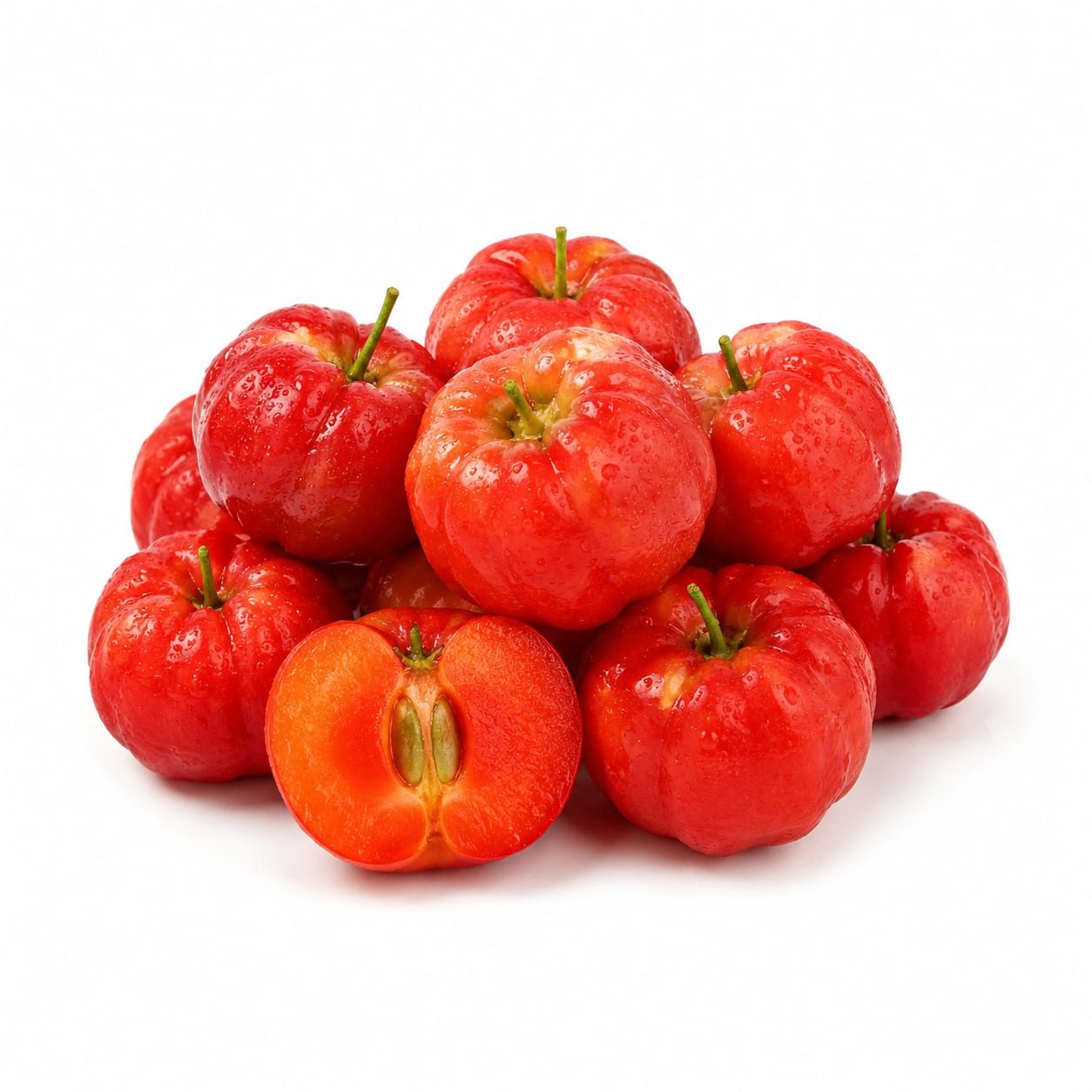
Acerola
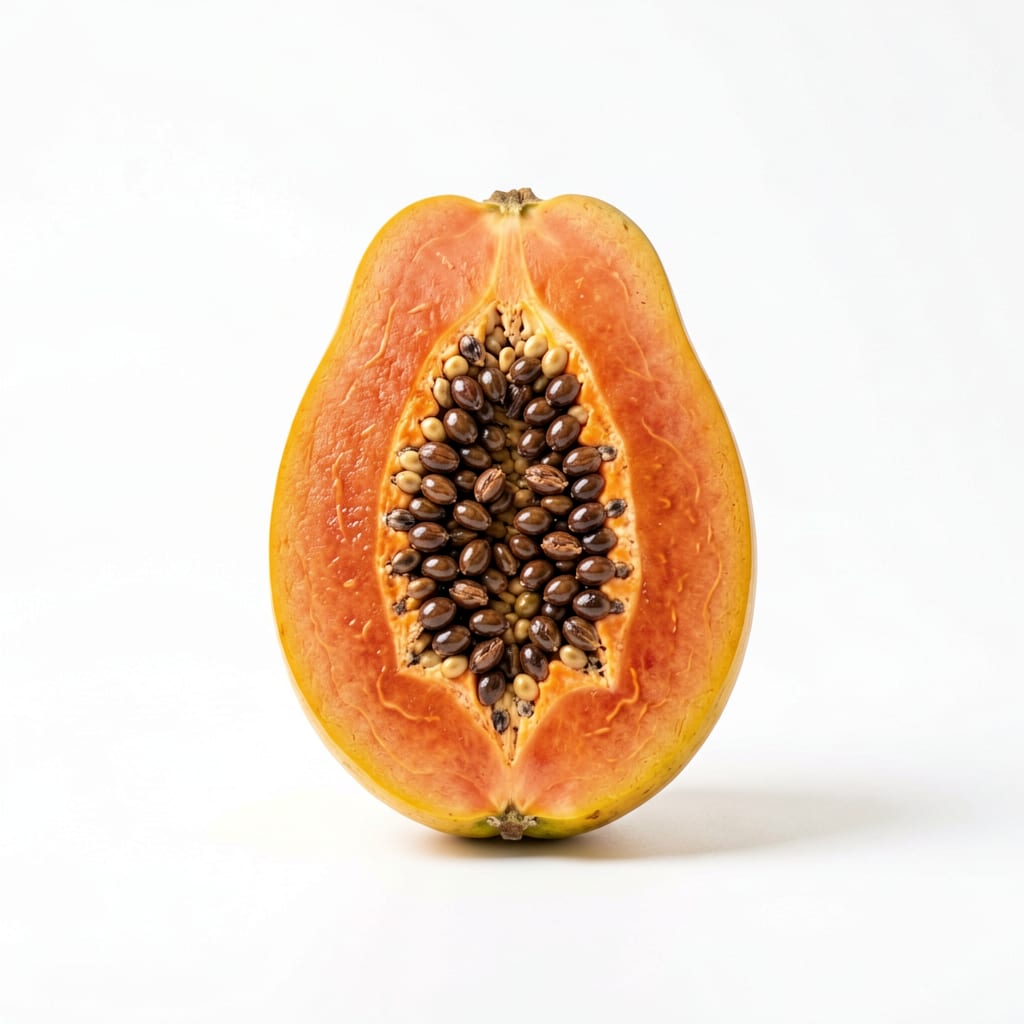
Papaya
Acerola is a vitamin C powerhouse best used as a targeted supplement, while papaya is a versatile everyday fruit with unique digestive benefits.
Papaya edges ahead due to practicality, satiety, and digestive benefits that make it a sustainable daily choice. Acerola scores incredibly high on specific nutritional metrics but loses ground on availability and everyday usability.
Unmatched vitamin C concentration versus real-world eatability and digestive support.
At a glance
Executive summary
Overall
It depends
Healthier
It depends
More practical
Papaya
Daily use
Papaya
Key comparison lenses
Vitamin C supremacy and immune support
Acerola is one of the most concentrated natural vitamin C sources on Earth, making this the defining contrast
Digestive health and enzyme benefits
Papaya contains papain, a powerful digestive enzyme that acerola lacks entirely
Everyday practicality and availability
Fresh acerola is extremely hard to find, while papaya is widely available year-round in most markets
Antioxidant diversity and skin health
Both offer antioxidants but through very different compounds and pathways
Blood sugar and weight management
Acerola is lower in sugar and calories, papaya is more filling but sweeter
Best choice for
Acerola
- Immune system support during cold season
- Vitamin C supplementation without pills
- Collagen production and skin health
- Antioxidant loading in small doses
Papaya
- Daily fruit intake and meal pairing
- Digestive issues like bloating or slow digestion
- Post-meal comfort and nutrient absorption
- Satisfying sweet cravings with real fruit
Least suitable for
Acerola
- People who want a filling snack
- Those seeking easy grocery availability
- Anyone sensitive to very tart flavors
- Large portion eating or meal replacement
Papaya
- People strictly limiting sugar intake
- Those with latex-fruit syndrome allergies
- Anyone seeking maximum vitamin C per calorie
- Very low-carb diet followers
Deep comparison
Dimension by dimension
Each lens scores both foods and breaks down who each option suits.
- Dimension 1 · Priority 95Acerola
Vitamin C Content
Acerola · 99Papaya · 52Acerola delivers roughly 20-30 times more vitamin C than papaya per serving, making it one of nature's most concentrated sources.
Tradeoff
You get extraordinary vitamin C density from acerola, but papaya provides enough for daily needs in a more enjoyable, larger portion.
Why it matters
Vitamin C supports immunity, collagen synthesis, and iron absorption. Most people get enough from regular fruit, but acerola is overkill for basic needs.
Real-world impact
A single acerola cherry can exceed your daily vitamin C requirement. With papaya, you need a reasonable serving to hit the same target.
Acerola
- Short-term immune boosting during illness
- Skincare routines focused on collagen
- Recovering from intense oxidative stress
Better for
- Risk of gastrointestinal upset from excessive vitamin C
- Potential kidney stone risk at very high doses
Worse for
Papaya
- Steady daily vitamin C without overconsumption
- People prone to kidney stones from excess vitamin C
- More balanced nutrient intake across the day
Better for
- Inadequate for therapeutic vitamin C dosing
Worse for
- Dimension 2 · Priority 85Papaya
Digestive Health
Acerola · 35Papaya · 90Papaya contains papain, a proteolytic enzyme that actively breaks down protein and aids digestion. Acerola offers no comparable digestive benefit.
Tradeoff
Papaya is genuinely therapeutic for digestion while acerola is nutritionally impressive but digestively neutral.
Why it matters
Many people struggle with bloating, slow gastric emptying, or protein-heavy meals. Papain makes papaya functionally different from most fruits.
Real-world impact
Eating papaya after a heavy protein meal can meaningfully reduce bloating. Acerola will not provide this relief no matter how much you eat.
Acerola
- No enzymatic digestive support whatsoever
Worse for
Papaya
- Post-meal digestive comfort
- Breaking down heavy protein dishes
- Managing occasional bloating naturally
- Supporting gut health alongside fiber intake
Better for
- Dimension 3 · Priority 75Acerola
Antioxidant Profile
Acerola · 88Papaya · 68Acerola provides a broader and more concentrated antioxidant spectrum including anthocyanins, carotenoids, and flavonoids alongside its massive vitamin C.
Tradeoff
Acerola delivers more antioxidant firepower per gram, but papaya offers lycopene and beta-carotene in a more eatable package.
Why it matters
Diverse antioxidants protect different tissues and systems. Variety matters more than sheer quantity for long-term health.
Real-world impact
A small amount of acerola covers your antioxidant bases thoroughly. Papaya requires a full serving but contributes lycopene, which acerola lacks.
Acerola
- Maximum antioxidant density in minimal calories
- Skin protection from UV-related oxidative damage
- Broad-spectrum cellular defense
Better for
- Missing lycopene entirely
Worse for
Papaya
- Lycopene for prostate and cardiovascular health
- Beta-carotene for eye health
- Easier to consume in meaningful quantities
Better for
- Lower total antioxidant capacity per serving
Worse for
- Dimension 4 · Priority 80Papaya
Satiety and Eating Experience
Acerola · 30Papaya · 82Papaya is a substantial, filling fruit with satisfying texture and sweetness. Acerola is tiny and tart, eaten in small amounts.
Tradeoff
Papaya works as an actual food you sit and eat. Acerola functions more like a supplement you add to things.
Why it matters
Foods that satisfy hunger and feel like real meals are easier to sustain long-term. Supplement-style eating often leads to inconsistency.
Real-world impact
A bowl of papaya can replace a light snack or breakfast component. Acerola cherries are more like a quick tart bite you add to smoothies.
Acerola
- Very low calorie snacking
- Adding flavor complexity to smoothies or yogurt
Better for
- Will not fill you up at all
- Tartness can be unpleasant alone
Worse for
Papaya
- Actual hunger satisfaction between meals
- Breakfast fruit bowls
- Replacing higher-calorie desserts
- Post-workout refreshing snack
Better for
- Higher sugar means less ideal for strict cutting phases
Worse for
- Dimension 5 · Priority 78Papaya
Availability and Practicality
Acerola · 25Papaya · 85Papaya is available in nearly every grocery store year-round. Fresh acerola is extremely rare outside tropical regions and is usually found only as frozen pulp or supplements.
Tradeoff
You can actually buy and eat papaya whenever you want. Acerola requires planning, specialty shopping, or settling for processed forms.
Why it matters
The healthiest food is the one you can consistently access and eat. Rarity undermines adherence.
Real-world impact
Most people reading this can get papaya today. Finding fresh acerola may require online orders, specialty stores, or travel to tropical regions.
Acerola
- Frozen acerola pulp retains most nutrients well
Better for
- Fresh form nearly impossible to find outside tropics
- Often only available as juice or supplement with additives
- Short shelf life when fresh
- Higher cost per serving
Worse for
Papaya
- Available in standard supermarkets everywhere
- Easy to find ripe and ready to eat
- No special storage or sourcing needed
- Consistent quality and predictable taste
Better for
- Dimension 6 · Priority 70Acerola
Blood Sugar Impact
Acerola · 82Papaya · 58Acerola is very low in sugar and calories, making it nearly negligible for blood sugar. Papaya contains moderate natural sugars that cause a gentle rise.
Tradeoff
Acerola is blood sugar friendly but too small to satisfy. Papaya provides real eating satisfaction but requires more insulin response.
Why it matters
For diabetics or those managing metabolic health, sugar content matters. But portion size and fiber moderate the real impact.
Real-world impact
Acerola will not spike blood sugar at all. A full papaya serving has a mild but noticeable effect, especially on an empty stomach.
Acerola
- Diabetics seeking minimal glucose impact
- Low-carb diet followers
- Fasting-friendly flavor addition
Better for
Papaya
- Athletes needing natural pre-workout carbs
- People who tolerate moderate fruit sugar well
Better for
- Not ideal for very strict carbohydrate restriction
- Can spike blood sugar if eaten alone in large amounts
Worse for
Timeline
Health impact over time
Short-term
Hours to days
Acerola
- Rapid vitamin C saturation exceeding daily needs in a single serving
- Possible mild stomach upset if consumed in very large amounts due to acidity
- Tart flavor may cause mouth puckering or salivation
Papaya
- Noticeable digestive comfort after protein-heavy meals within 30-60 minutes
- Mild blood sugar rise from natural sugars, especially on empty stomach
- Immediate hydration benefit from high water content
Long-term
Months to years
Acerola
- Sustained high antioxidant intake may support skin elasticity and immune resilience
- Potential kidney stone risk if consistently overconsuming vitamin C beyond needs
- Minimal caloric contribution makes it sustainable for weight maintenance
Papaya
- Regular papain exposure may improve chronic digestive issues over weeks and months
- Lycopene and beta-carotene support cardiovascular and eye health with consistent intake
- Moderate sugar intake is manageable but requires awareness for metabolic conditions
Risk profile
Safety & processing
Both fruits are whole foods in their natural state. However, acerola is most commonly consumed as frozen pulp, juice, or powder, which may include added sugars or preservatives. Fresh papaya is typically eaten as-is with no processing whatsoever.
Acerola
Supplement form adulteration
mediumAcerola powders and supplements may contain added ascorbic acid or fillers not listed on labels, reducing the natural advantage.
Vitamin C overconsumption
lowExceeding 2000mg vitamin C daily can cause diarrhea and cramps. Acerola makes this threshold easy to cross unknowingly.
Papaya
Latex-fruit syndrome allergy
mediumPeople with latex allergies may react to papaya due to cross-reactive proteins. Symptoms range from mouth itching to anaphylaxis in severe cases.
Unripe papaya latex concerns
mediumUnripe papaya contains high concentrations of latex that may stimulate uterine contractions. Pregnant women should avoid unripe papaya.
Pesticide residue on skin
lowNon-organic papaya may carry pesticide residues primarily on the skin, which is discarded. Internal fruit is generally low risk.
Who wins for whom
Audience fit
Same foods, different winners depending on your goal.
children
PapayaPapaya's sweet taste and soft texture appeal to kids, and its digestive enzymes help with sensitive stomachs. Acerola's tartness is often rejected by children.
daily consumption
PapayaPapaya is easy to find, enjoyable to eat, and provides balanced nutrition without overconsuming any single nutrient. Acerola is better used as a targeted addition.
diabetes
AcerolaAcerola's negligible sugar content makes it virtually impact-free on blood glucose. Papaya is moderate but requires portion awareness.
elderly
PapayaPapaya is gentle on digestion, easy to chew, and provides hydration. Its digestive enzymes address common age-related digestive slowdown.
muscle gain
PapayaPapaya provides more carbohydrates for training energy and papain helps digest the high-protein meals muscle gain requires.
weight loss
AcerolaAcerola provides intense flavor and nutrition with almost no calories, making it easier to stay in a deficit while still getting micronutrients.
Your move
Decision guide
Choose Acerola
- You want maximum vitamin C without supplements
- Immune support during cold and flu season is your priority
- You are tracking calories closely and need low-sugar fruit options
- You already eat papaya or other fruits and want to add a vitamin C booster
- You can access quality frozen acerola pulp or powder
Choose Papaya
- You struggle with bloating or slow digestion after meals
- You want a satisfying daily fruit that feels like actual food
- You need a versatile fruit for breakfast bowls, salads, or snacks
- You are pregnant and need folate and gentle digestion support (ripe only)
- You want something available at any grocery store anytime
Either works if
- You want tropical fruit variety in your diet
- You are generally healthy and just increasing fruit intake
- You are looking for natural antioxidant sources
Avoid both if
- You have a latex allergy, which particularly affects papaya
- You are on a strict very-low-carb or ketogenic diet
- You have fructose intolerance or malabsorption issues
Final recommendation
Use both strategically rather than choosing one. Keep papaya as your daily fruit for satisfaction, digestion, and steady nutrition. Add acerola as a concentrated vitamin C boost when immune demands are high or during winter months. If you must pick only one, papaya wins for sustainability and real-world eatability.
Practical
Consumer tips
- 1
Look for frozen acerola pulp in Latin American or specialty markets rather than expensive supplements
- 2
If buying acerola powder, check that the only ingredient is acerola with no added ascorbic acid
- 3
Choose papaya with slightly soft skin and a sweet aroma at the stem end for best ripeness
- 4
Freeze ripe papaya chunks for smoothies to avoid waste when you cannot finish a whole fruit
- 5
Pair papaya with protein-rich meals to maximize the digestive enzyme benefit
- 6
Avoid papaya that is entirely green unless you are cooking it, as unripe papaya contains problematic latex
- 7
If you have a latex allergy, test papaya cautiously with a small amount and monitor for mouth itching