
Nutrition comparison
Acerola vs Orange: Which Has More Vitamin C and Nutritional Value?
Compare Acerola vs Orange for Vitamin C, sugar, fiber, and daily practicality. Find out which fruit is better for weight loss, immunity, and everyday snacking.
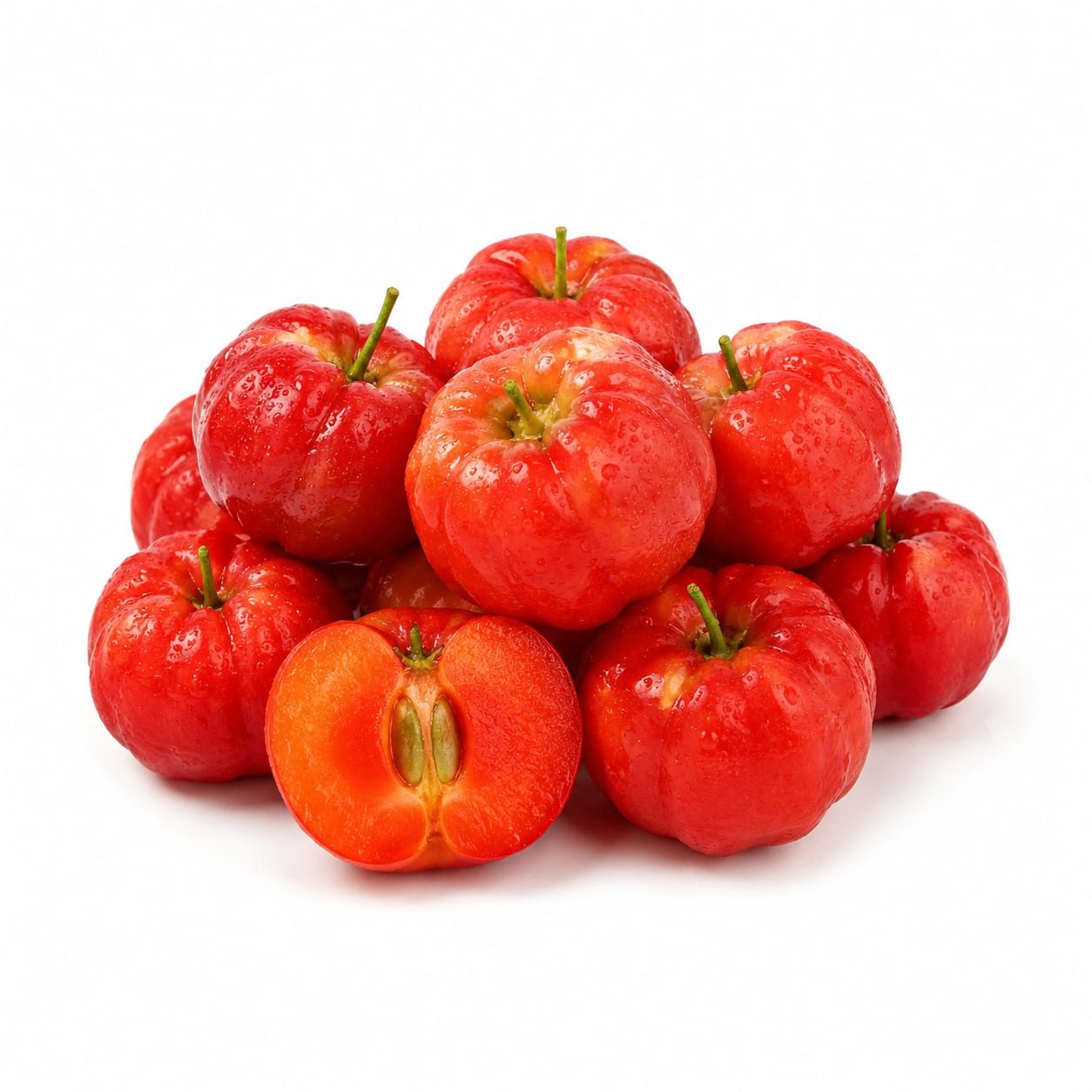
Acerola
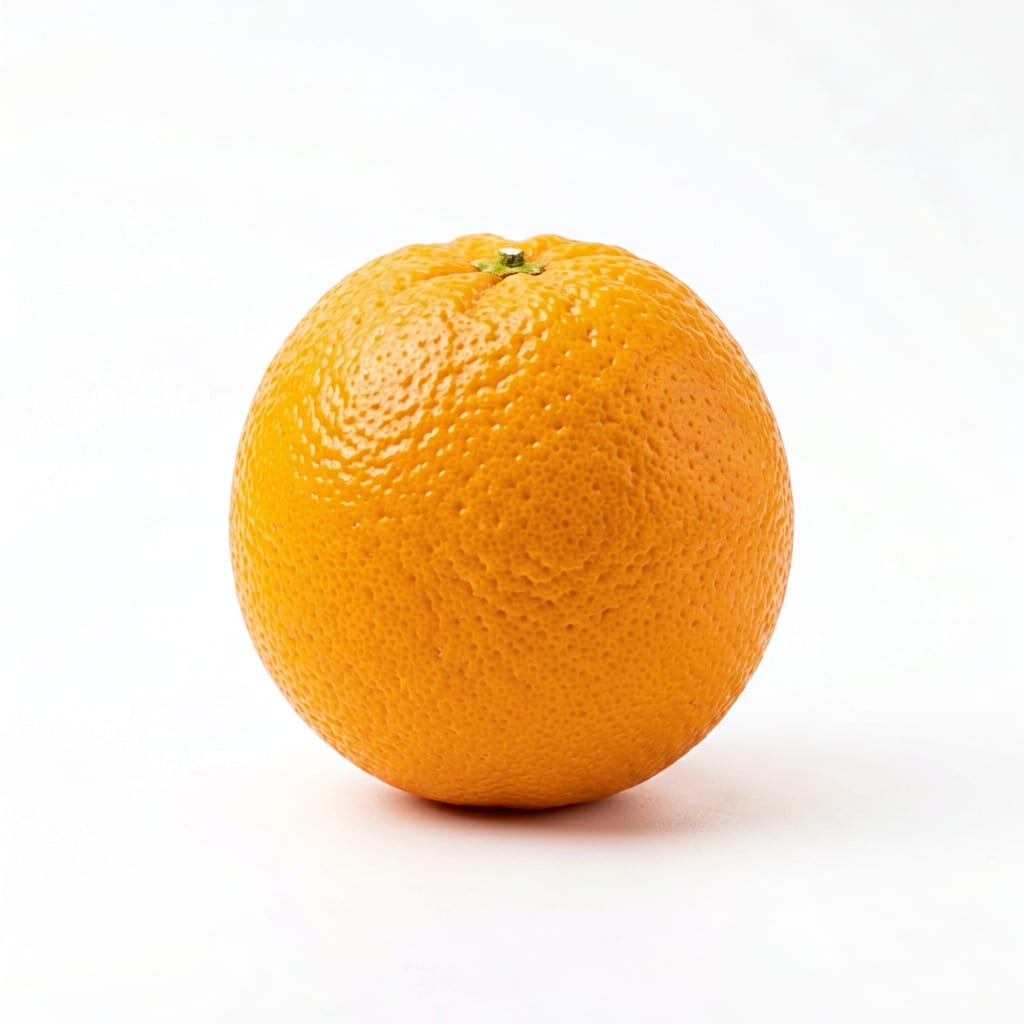
Orange
Acerola is a Vitamin C powerhouse but hard to find fresh, while Oranges are a practical, everyday source of fiber and immune support.
Oranges score slightly higher due to practicality and fiber, but Acerola's unmatched Vitamin C keeps it highly competitive for specific health goals.
Massive Vitamin C boost vs. everyday convenience and fiber.
At a glance
Executive summary
Overall
It depends
Healthier
It depends
More practical
Orange
Daily use
Orange
Key comparison lenses
Vitamin C and immunity
Acerola is famously one of the most concentrated natural sources of Vitamin C, directly challenging the Orange's reputation as the go-to immune fruit.
Everyday practicality and availability
Oranges are ubiquitous and cheap, while fresh Acerola is highly perishable and rarely found in standard grocery stores.
Sugar content and weight management
Acerola offers intense flavor with minimal sugar, whereas Oranges provide sweeter, higher-carb energy that impacts daily calorie budgets.
Best choice for
Acerola
- Targeted immune support
- Vitamin C supplementation
- Low-sugar flavoring
Orange
- Everyday fruit intake
- Fiber boost
- Affordable hydration
Least suitable for
Acerola
- A quick affordable snack
- People who dislike tart flavors
Orange
- Those strictly limiting sugar
- Mega-dosing Vitamin C
Deep comparison
Dimension by dimension
Each lens scores both foods and breaks down who each option suits.
- Dimension 1 · Priority 95Acerola
Vitamin C & Antioxidant Density
Acerola · 99Orange · 75Acerola delivers an astronomical amount of Vitamin C, dwarfing the already solid content in Oranges.
Tradeoff
You get far more immune support from Acerola, but Oranges are easier to consume in larger quantities.
Why it matters
A single Acerola cherry can meet your entire day's Vitamin C needs, making it a potent supplement alternative.
Real-world impact
Acerola can quickly fend off a cold, while Oranges provide a steadier, milder daily baseline.
Acerola
- Mega-dosing Vitamin C naturally
- Fighting off early cold symptoms
Better for
- People who want a substantial, filling fruit serving
Worse for
Orange
- Maintaining a steady daily Vitamin C baseline
- Those who prefer getting vitamins from larger food portions
Better for
- Those who need a massive therapeutic Vitamin C dose
Worse for
- Dimension 2 · Priority 90Orange
Practicality & Availability
Acerola · 40Orange · 95Oranges are a grocery store staple, while fresh Acerola is rare and highly perishable.
Tradeoff
Oranges are cheap and easy to find year-round; Acerola usually requires seeking out frozen, powdered, or juiced forms.
Why it matters
Consistency in diet relies on access. If a food is hard to find, you are less likely to eat it regularly.
Real-world impact
Grabbing an Orange takes zero effort, whereas incorporating Acerola often requires planning or ordering online.
Acerola
- People willing to order specialty powders or frozen fruits online
Better for
- People who want immediate availability
- Shoppers on a tight budget
Worse for
Orange
- Busy individuals needing quick grocery runs
- Those who value year-round consistency
Better for
- None regarding availability
Worse for
- Dimension 3 · Priority 85Acerola
Sugar & Calorie Impact
Acerola · 88Orange · 70Acerola is significantly lower in sugar and calories compared to Oranges.
Tradeoff
Acerola offers a tart, low-sugar experience, while Oranges provide sweeter, higher-carb energy.
Why it matters
Lower sugar fruits help manage blood sugar and cravings, especially if you consume fruit frequently.
Real-world impact
Acerola won't spike your blood sugar, making it safer for low-carb diets, while Oranges serve as better pre-workout fuel.
Acerola
- Low-carb dieters
- People managing blood sugar spikes
Better for
- People who need quick caloric energy from fruit
Worse for
Orange
- Athletes needing quick natural carbs
- Those seeking an energizing afternoon snack
Better for
- Those strictly limiting sugar intake
Worse for
- Dimension 4 · Priority 80Orange
Fiber & Digestive Satiety
Acerola · 60Orange · 85Whole Oranges provide a solid fiber boost, whereas Acerola is usually eaten in amounts too small to contribute much fiber.
Tradeoff
Oranges keep you fuller for longer, while Acerola acts more like a vitamin supplement than a filling snack.
Why it matters
Fiber is crucial for steady digestion and preventing overeating later in the day.
Real-world impact
An Orange can tide you over between meals, but Acerola will not satisfy physical hunger.
Acerola
- Those who get fiber from other food sources and just want vitamins
Better for
- Using fruit as a standalone filling snack
Worse for
Orange
- People needing help staying full between meals
- Those improving digestive regularity
Better for
- Those who primarily juice their fruit, removing the fiber advantage
Worse for
- Dimension 5 · Priority 75Orange
Taste & Culinary Versatility
Acerola · 65Orange · 90Oranges are sweet, juicy, and universally loved; Acerola is intensely tart and often needs sweetening.
Tradeoff
Oranges are effortlessly enjoyable on their own, while Acerola usually needs to be blended into smoothies or juices.
Why it matters
You only get benefits from foods you actually eat. Enjoyment drives consistency.
Real-world impact
Kids and picky eaters will easily eat Oranges, but Acerola might be a tough sell without added sweeteners.
Acerola
- Fans of sour and tart flavors
- People who love making custom smoothie blends
Better for
- People sensitive to sour tastes
- Anyone looking for a sweet treat
Worse for
Orange
- Picky eaters and children
- Those who want a grab-and-go snack
Better for
- Those who find standard fruit too sweet
Worse for
Timeline
Health impact over time
Short-term
Hours to days
Acerola
- Rapid Vitamin C absorption for immune defense
- Intense tart flavor that might be off-putting
Orange
- Quick natural energy from natural sugars
- Hydrating and refreshing
Long-term
Months to years
Acerola
- Exceptional collagen support and skin health
- Strong antioxidant protection against cellular aging
Orange
- Improved digestion and regularity from consistent fiber
- Steady cardiovascular support from potassium and fiber
Risk profile
Safety & processing
Both are whole foods when fresh, though Acerola is frequently sold as a juice or powder, which can involve some processing. Always check labels for added sugars in Acerola products.
Acerola
Rapid spoilage
mediumFresh Acerola ferments and spoils within days of picking, making it hard to find fresh.
Added sugars in processed forms
mediumBecause Acerola is so tart, commercial juices and powders often contain added sweeteners.
Orange
Pesticide residue
mediumConventional Oranges often have pesticide residues on the peel, which matters if you zest them.
Who wins for whom
Audience fit
Same foods, different winners depending on your goal.
children
OrangeOranges are sweet, easy to eat, and provide filling fiber for growing kids.
daily consumption
OrangeOranges are affordable, accessible, and easy to incorporate into any daily routine.
diabetes
AcerolaAcerola has a much lower sugar content, reducing the risk of blood sugar spikes.
elderly
OrangeOranges are easier to chew, digest, and provide accessible hydration and fiber.
muscle gain
OrangeOranges offer more carbohydrates and calories to support workout energy and recovery.
weight loss
AcerolaAcerola provides intense flavor and massive Vitamin C with minimal sugar and calories.
Your move
Decision guide
Choose Acerola
- You want a potent, low-calorie Vitamin C supplement
- You are strictly managing sugar intake
- You enjoy tart flavors or use smoothies to mask them
Choose Orange
- You need an affordable, filling everyday snack
- You want fiber to support digestion
- You need easily accessible pre-workout carbs
Either works if
- You are looking to boost your immune system
- You want a whole-food alternative to vitamin pills
Avoid both if
- You have a severe citrus or fruit allergy
- You are on a strict very low carb diet and cannot afford any fruit sugar
Final recommendation
Choose Oranges for a practical, filling, everyday fruit. Opt for Acerola when you need a targeted, low-sugar Vitamin C boost and do not mind seeking out specialty forms like powders or frozen purees.
Practical
Consumer tips
- 1
Fresh Acerola spoils within days; frozen or freeze-dried powder is the most practical way to keep it.
- 2
Eat Oranges whole instead of juicing them to keep the fiber and prevent blood sugar spikes.
- 3
Blend Acerola powder into a protein smoothie to get the Vitamin C benefits without the intense sour taste.