
Nutrition comparison
Acerola vs Lemon: Which Is Better for Vitamin C and Immune Support?
Acerola delivers 30x more vitamin C than lemon, but lemon wins on daily practicality and cost. Compare these two vitamin C powerhouses to find which fits your health goals.
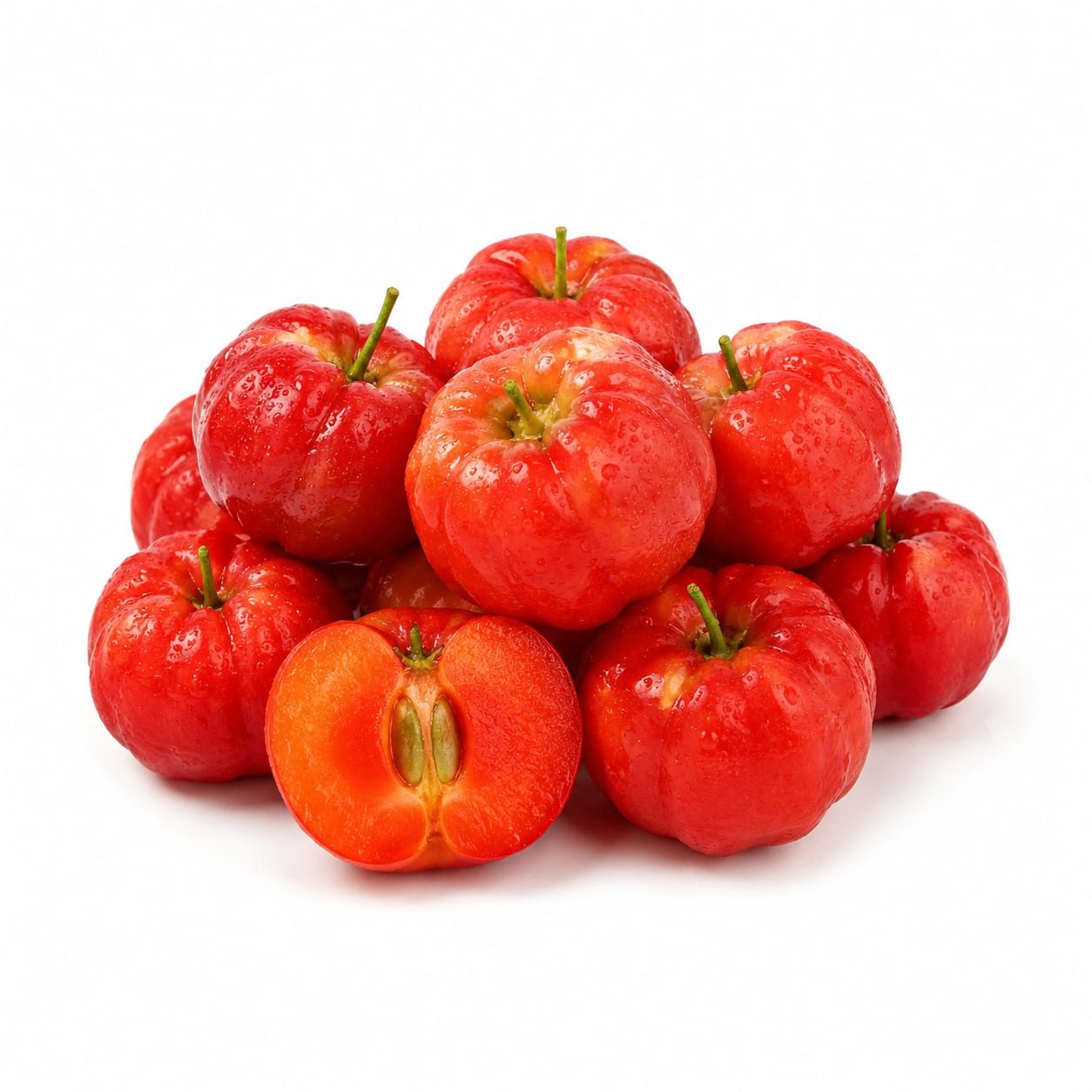
Acerola
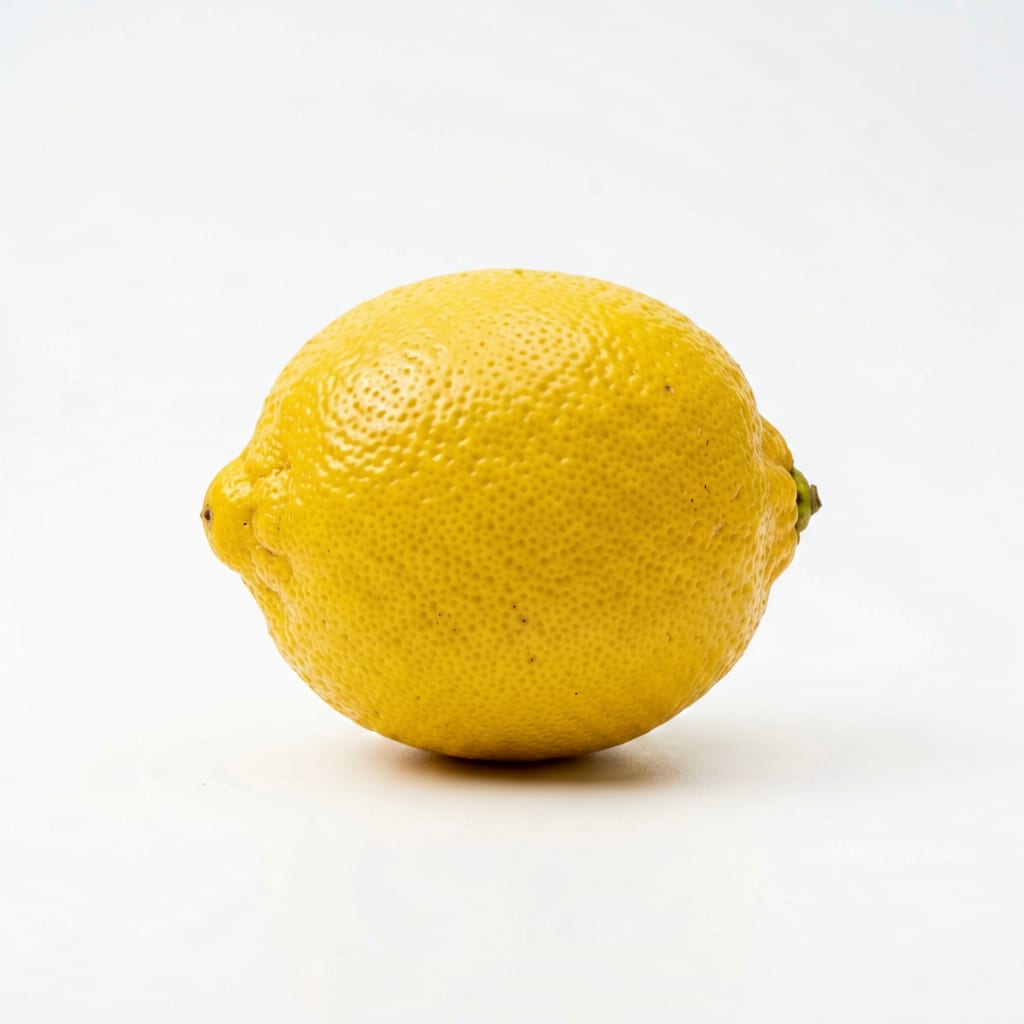
Lemon
Acerola obliterates lemon in vitamin C content, but lemon wins on availability, versatility, and daily practicality. Choose based on your priority: potency or consistency.
Acerola scores higher for sheer nutritional density, especially vitamin C, but loses significant ground on availability, cost, and everyday usability. Lemon stays competitive because the best supplement is the one you actually take consistently.
Acerola delivers an extraordinary vitamin C punch in small doses, while lemon offers a modest but reliable amount that is far easier to incorporate every single day.
At a glance
Executive summary
Overall
It depends
Healthier
Acerola
More practical
Lemon
Daily use
Lemon
Key comparison lenses
Vitamin C supplementation and immune support
Acerola is one of the most concentrated natural vitamin C sources on Earth, while lemon is the classic everyday go-to
Daily practicality and accessibility
Lemon is available everywhere year-round; fresh acerola is rare outside tropical regions
Antioxidant potency and diversity
Both offer antioxidants but through very different compounds and concentrations
Culinary versatility and integration into meals
Lemon is a kitchen staple; acerola is more niche and often consumed as a supplement
Digestive and metabolic benefits
Lemon's citric acid supports digestion and kidney health in ways acerola cannot replicate
Best choice for
Acerola
- People seeking maximum natural vitamin C intake
- Those recovering from illness and needing immune support
- Anyone using whole-food vitamin C instead of synthetic supplements
- Tropical climate residents with access to fresh acerola
Lemon
- Anyone wanting a low-cost, always-available vitamin C source
- People who want digestive and kidney stone prevention benefits
- Cooking enthusiasts needing a versatile flavor ingredient
- Those prioritizing habit consistency over peak potency
Least suitable for
Acerola
- People without reliable access to fresh or frozen acerola
- Anyone on a tight grocery budget
- Those who dislike tart or sour flavors
- People wanting a simple kitchen staple ingredient
Lemon
- Anyone needing therapeutic doses of vitamin C
- People with citric acid sensitivity or citrus allergies
- Those with acid reflux triggered by citrus
- Anyone seeking the highest possible antioxidant concentration per gram
Deep comparison
Dimension by dimension
Each lens scores both foods and breaks down who each option suits.
- Dimension 1 · Priority 95Acerola
Vitamin C Potency
Acerola · 98Lemon · 45Acerola contains roughly 30 times more vitamin C than lemon per 100g, making it one of the most concentrated natural sources known.
Tradeoff
You would need to eat roughly 30 lemons to match the vitamin C in a small serving of acerola, but acerola's potency means a little goes a long way and overconsumption is easier.
Why it matters
For immune support, collagen synthesis, and antioxidant defense, vitamin C dose matters significantly during illness or high stress.
Real-world impact
A single acerola cherry can cover your entire daily vitamin C needs; with lemon, you need a generous squeeze in multiple drinks or meals throughout the day.
Acerola
- Acute immune support during cold season
- Post-surgical recovery requiring tissue repair
- Athletes under high oxidative stress
- Anyone replacing synthetic vitamin C pills with whole food
Better for
- People prone to vitamin C overconsumption symptoms like diarrhea
- Anyone who struggles with portion control for potent supplements
Worse for
Lemon
- Gentle daily maintenance without risk of overconsumption
- People who prefer spreading vitamin C intake across the day
- Those who get vitamin C from other sources too
Better for
- Situations requiring rapid vitamin C repletion
- Anyone relying solely on lemon for vitamin C during illness
Worse for
- Dimension 2 · Priority 80Acerola
Antioxidant Diversity
Acerola · 85Lemon · 70Acerola offers anthocyanins, carotenoids, and flavonoids alongside its massive vitamin C, while lemon provides hesperidin, diosmin, and other citrus flavonoids with a narrower but still valuable profile.
Tradeoff
Acerola's antioxidant range is broader and more concentrated, but lemon's specific flavonoids have strong evidence for vascular health that acerola cannot match.
Why it matters
Different antioxidants protect different systems; broader coverage generally means more comprehensive cellular defense.
Real-world impact
Acerola acts like a broad-spectrum antioxidant shield; lemon is more like a targeted circulatory system ally.
Acerola
- General anti-aging and cellular protection
- High-stress periods demanding broad antioxidant coverage
- Skin health from combined carotenoids and vitamin C
Better for
- Targeted vascular conditions where citrus flavonoids excel
Worse for
Lemon
- Cardiovascular and vein health specifically
- Chronic venous insufficiency support
- Long-term vascular aging prevention
Better for
- Situations demanding the highest total antioxidant capacity per serving
Worse for
- Dimension 3 · Priority 88Lemon
Daily Practicality and Availability
Acerola · 30Lemon · 95Lemon is available in virtually every grocery store worldwide at low cost year-round. Fresh acerola is extremely perishable and found mainly in tropical regions or as frozen pulp and powder.
Tradeoff
Acerola's rarity makes it a specialty item requiring planning and expense, while lemon is so accessible it barely requires a shopping thought.
Why it matters
The healthiest food in the world is useless if you cannot obtain it regularly. Consistency beats potency for long-term outcomes.
Real-world impact
You can grab a lemon at any corner store for pennies; sourcing quality acerola often means online orders, freezer sections, or specialty shops at premium prices.
Acerola
- People living in tropical regions with local access
- Anyone willing to invest in frozen pulp or high-quality powder
Better for
- Rural areas without specialty food supply
- Anyone unwilling to pay premium prices
- People who dislike storing frozen or powdered products
Worse for
Lemon
- Busy people who need reliable access without planning
- Budget-conscious shoppers
- Anyone living in areas without specialty food access
- Travelers who want a portable vitamin C option
Better for
- Situations where only the highest vitamin C concentration matters
Worse for
- Dimension 4 · Priority 75Lemon
Culinary Versatility
Acerola · 35Lemon · 95Lemon is one of the most versatile ingredients in any kitchen: drinks, dressings, marinades, desserts, preserves, and cleaning. Acerola is primarily consumed as juice, smoothie additive, or supplement powder.
Tradeoff
Lemon enhances almost any savory or sweet dish effortlessly; acerola's tart flavor is harder to integrate broadly and is best suited to specific applications.
Why it matters
Foods you can cook with become dietary habits; foods you only supplement with are easier to forget.
Real-world impact
Lemon goes in your water, on your fish, in your salad, and in your tea without thinking. Acerola requires intentional recipe planning or a dedicated supplement routine.
Acerola
- Tropical smoothie and juice recipes
- Supplement-style consumption in small doses
Better for
- Anyone wanting a multi-purpose kitchen ingredient
- People who dislike sour or tart flavors in most meals
Worse for
Lemon
- Cooking and baking across all cuisines
- Flavoring water to increase hydration
- Making dressings, marinades, and sauces
- Natural household cleaning
Better for
- Recipes specifically calling for acerola's unique flavor
Worse for
- Dimension 5 · Priority 65Lemon
Digestive and Metabolic Benefits
Acerola · 55Lemon · 82Lemon's citric acid stimulates bile production, aids iron absorption, and helps prevent kidney stones. Acerola offers fiber and vitamin C but lacks the specific digestive chemistry of citrus.
Tradeoff
Lemon actively supports digestion and mineral absorption in ways acerola does not, even though acerola has slightly more fiber per serving.
Why it matters
Daily digestive comfort and kidney stone prevention are practical long-term health wins that compound over decades.
Real-world impact
Warm lemon water before meals is a proven digestion aid; acerola does not offer an equivalent daily ritual with the same metabolic benefits.
Acerola
- Mild constipation relief from fiber content
- General gut health from polyphenols
Better for
- Kidney stone prevention specifically
- Pre-meal digestive stimulation
Worse for
Lemon
- Kidney stone prevention
- Improving non-heme iron absorption from meals
- Stimulating digestive enzymes before eating
- Alkalizing dietary balance despite being acidic
Better for
- Situations where fiber content is the priority
Worse for
- Dimension 6 · Priority 60Lemon
Sugar and Calorie Impact
Acerola · 50Lemon · 90Lemon is extremely low in sugar and calories, with most people consuming only small amounts. Acerola contains more natural sugars per serving, though still modest overall.
Tradeoff
Lemon is essentially a free food in any diet plan; acerola's sugar content is low but not negligible if consumed in larger quantities as juice.
Why it matters
For strict low-carb, keto, or calorie-counting diets, every gram of sugar matters and lemon adds virtually nothing.
Real-world impact
Squeezing half a lemon into water adds about 2 calories and negligible sugar. A glass of acerola juice can contain 15-25 calories with several grams of sugar.
Acerola
- Anyone wanting a naturally sweet-tart flavor with some substance
Better for
- Strict keto practitioners
- Anyone monitoring sugar intake carefully
Worse for
Lemon
- Keto and very low-carb dieters
- Strict calorie counters
- Diabetics minimizing glycemic impact
- Intermittent fasters who want flavor without breaking fast
Better for
- Situations where a more satisfying, slightly sweeter flavor is desired
Worse for
Timeline
Health impact over time
Short-term
Hours to days
Acerola
- Rapid boost in blood vitamin C levels due to extremely high concentration
- Possible mild digestive upset if consumed in large amounts due to acidity and fiber
- Quick immune system support during early stages of illness
Lemon
- Gentle increase in vitamin C without risk of overconsumption
- Immediate digestive aid when consumed before meals
- Refreshing hydration encouragement throughout the day
Long-term
Months to years
Acerola
- Sustained high antioxidant intake may reduce oxidative damage and support skin aging defense
- Potential for improved collagen status with consistent use
- Risk of vitamin C overconsumption is low but possible with excessive supplement-style use
Lemon
- Consistent kidney stone risk reduction with daily consumption
- Gradual vascular health improvement from citrus flavonoids
- Long-term habit sustainability due to low cost and high availability
Risk profile
Safety & processing
Both are whole, natural foods when consumed fresh. However, most people outside tropical regions encounter acerola as frozen pulp, juice, or powder, which involves some processing. Lemon is almost always consumed fresh with minimal intervention.
Acerola
Degradation of vitamin C during storage and transport
mediumAcerola's vitamin C degrades rapidly after harvest; frozen or powdered forms may contain significantly less than fresh fruit if not handled properly.
Added sugars in commercial acerola juices
mediumMany commercially available acerola juices and smoothies contain added sugars that diminish the health benefits.
Lemon
Pesticide residues on conventionally grown lemon peel
mediumLemons often have pesticide residues on the peel; if using zest or peel, choosing organic significantly reduces exposure.
Dental enamel erosion from frequent consumption
lowRegular exposure to lemon acid can erode tooth enamel over time; rinsing with water after consumption mitigates this.
Who wins for whom
Audience fit
Same foods, different winners depending on your goal.
children
LemonLemon is gentler, easier to incorporate into foods children already eat, and poses no risk of vitamin C overconsumption.
daily consumption
LemonLemon's low cost, universal availability, and culinary flexibility make it the most sustainable daily habit by a wide margin.
diabetes
LemonLemon has negligible sugar and a glycemic impact near zero, while acerola contains modest natural sugars that require some monitoring.
elderly
LemonLemon's kidney stone prevention, digestive support, and joint-friendly citric acid are especially valuable for older adults, and it is far easier to obtain regularly.
muscle gain
AcerolaAcerola's high vitamin C supports collagen synthesis and tissue repair, which matters more for recovery from intense training.
weight loss
LemonLemon adds virtually zero calories and sugar to meals and drinks, making it the easiest flavor enhancer for any weight loss plan.
Your move
Decision guide
Choose Acerola
- You want the most potent natural vitamin C source available and are willing to source it
- You are recovering from illness, surgery, or intense training and need maximum antioxidant support
- You live in or near a tropical region where fresh acerola is affordable and accessible
- You are replacing synthetic vitamin C supplements with a whole-food alternative
Choose Lemon
- You want a reliable, affordable vitamin C source you will actually use every single day
- Kidney stone prevention or digestive support is a priority
- You need a versatile kitchen ingredient that enhances meals and drinks effortlessly
- You are on a budget or have limited access to specialty foods
Either works if
- You simply want to increase your daily vitamin C intake from whole foods
- You enjoy tart, citrusy flavors and want variety in your routine
- You are generally healthy and looking for maintenance-level antioxidant support
Avoid both if
- You have a citrus allergy or severe acid sensitivity
- You have active gastric ulcers and need to minimize all acidic foods temporarily
- You are on medications that interact with high vitamin C doses
Final recommendation
For most people, lemon is the smarter daily choice because consistency beats potency. But if you can reliably source quality acerola and want maximum vitamin C impact, it is an extraordinary functional food. The ideal approach: use lemon daily as your baseline, and add acerola during periods of high immune demand like cold season or post-illness recovery.
Practical
Consumer tips
- 1
If buying acerola, frozen pulp retains more vitamin C than shelf-stable juice; powder forms vary widely in quality, so check for minimal processing and no added sugars.
- 2
A single tablespoon of lemon juice in water before meals can meaningfully improve digestion and iron absorption from plant foods.
- 3
If using lemon peel or zest, choose organic to avoid pesticide residues concentrated on the skin.
- 4
Do not overconsume acerola thinking more is always better; vitamin C has an absorption ceiling and excess is excreted, sometimes with digestive discomfort.
- 5
For the best of both worlds, keep lemons as your daily staple and use acerola powder or frozen pulp as a targeted boost 2-3 times per week during high-stress periods.