
Nutrition comparison
Acerola vs Goji Berry: Which Superfruit Is Better for You?
Compare acerola and goji berry side by side. Acerola delivers unmatched vitamin C for immunity, while goji berries offer eye health benefits and everyday convenience. Find out which fits your goals.
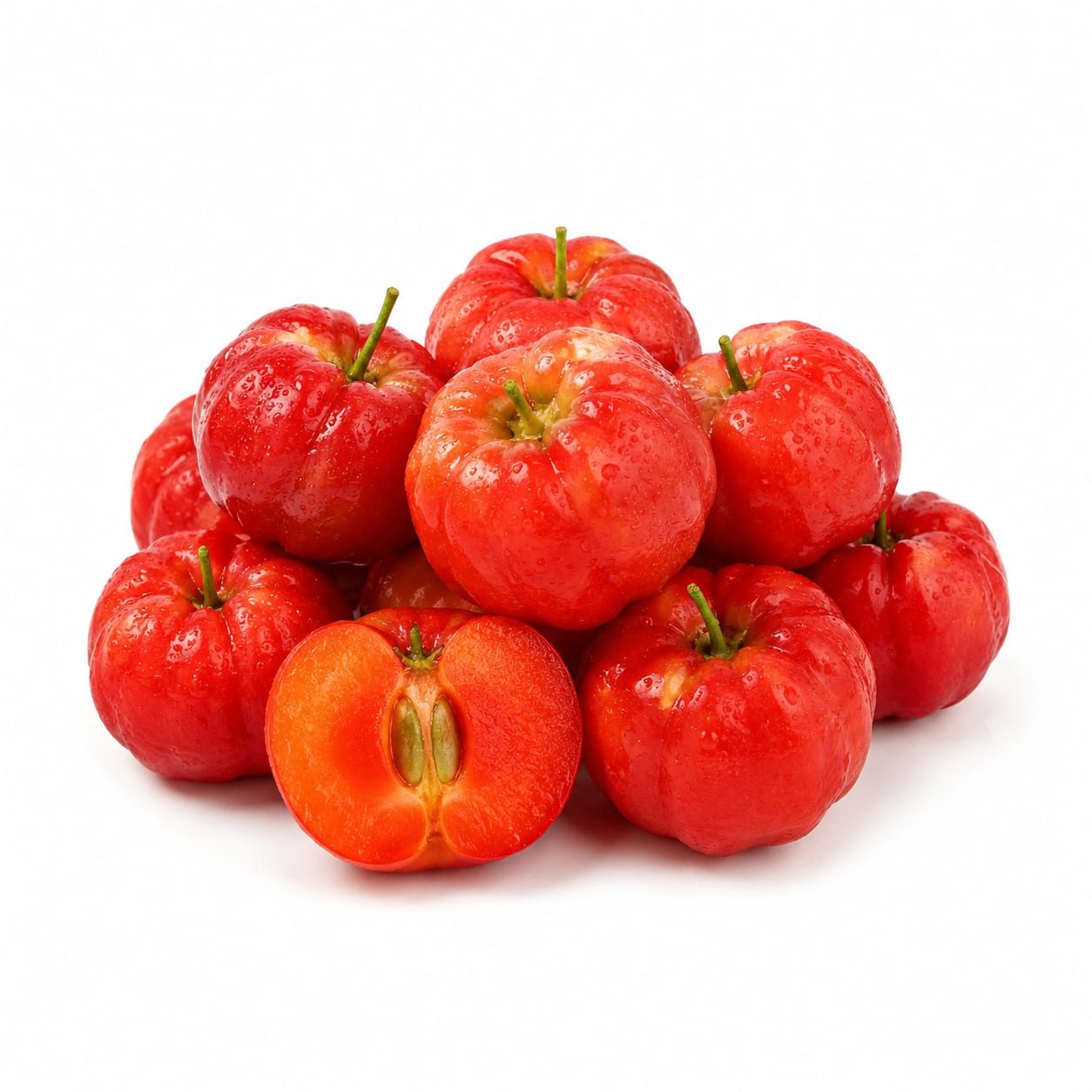
Acerola
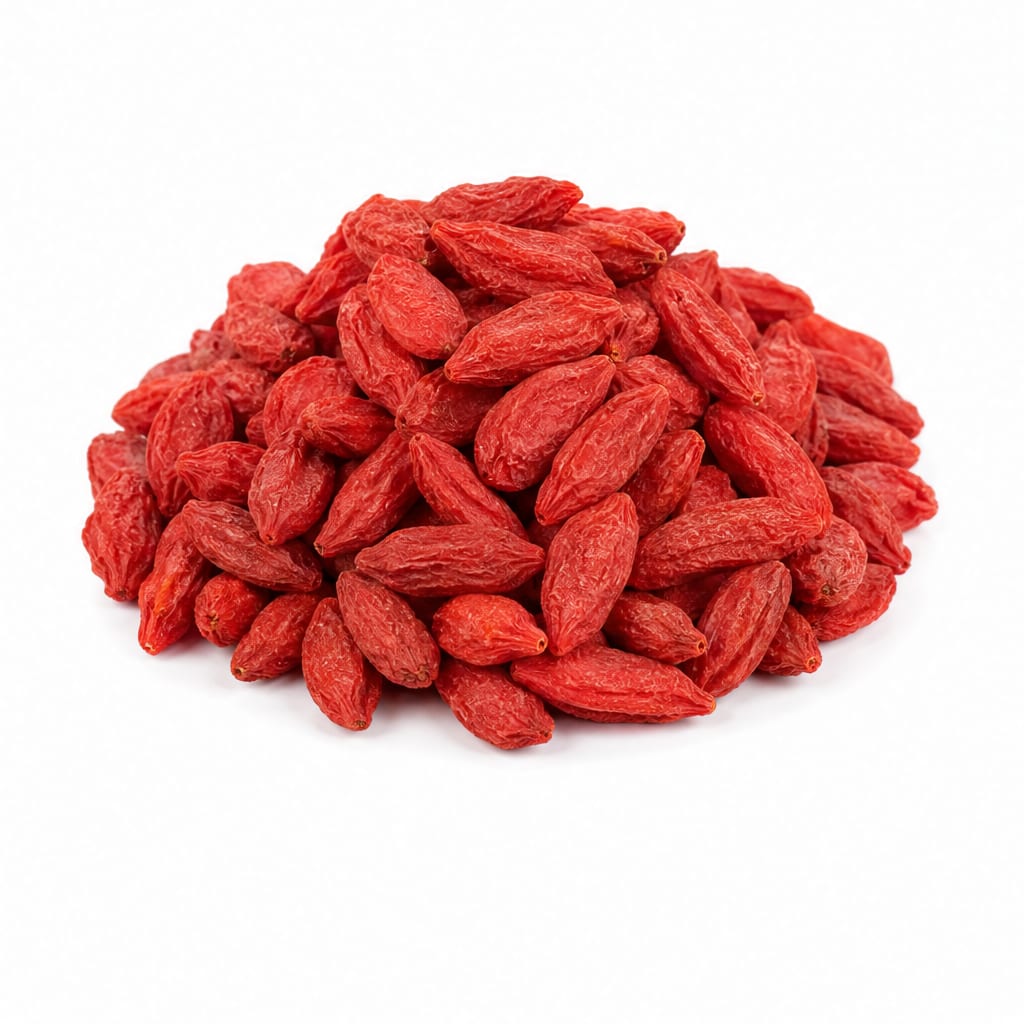
Goji Berry
Acerola dominates for vitamin C and immune support, while goji berries win for eye health, convenience, and antioxidant diversity. Your choice depends on what your body needs most.
Goji berries edge ahead slightly due to practicality, broader nutrient diversity, and easier daily integration. Acerola's extraordinary vitamin C content is unmatched but harder to access consistently in fresh form.
Acerola gives you unmatched vitamin C in a low-calorie fresh fruit, but goji berries offer broader antioxidant coverage, easier availability, and unique compounds for vision and longevity.
At a glance
Executive summary
Overall
It depends
Healthier
It depends
More practical
Goji Berry
Daily use
Goji Berry
Key comparison lenses
immune support comparison
Acerola is one of the richest natural vitamin C sources on earth, making immune support the defining contrast between these two superfruits
antioxidant diversity
Both foods are antioxidant powerhouses but through completely different compounds, creating a meaningful tradeoff
eye health and longevity
Goji berries are renowned for zeaxanthin and lutein content, making eye health a key differentiator
practical everyday use
Fresh acerola is perishable and hard to find, while dried goji berries are shelf-stable and widely available
sugar and calorie consciousness
Dried goji berries are calorie-dense with concentrated sugars, whereas fresh acerola is low in both
Best choice for
Acerola
- Immune system reinforcement during cold season
- Maximizing vitamin C intake without supplements
- Low-calorie antioxidant boost
- Skin health and collagen support
- Fighting off fatigue during illness recovery
Goji Berry
- Long-term eye health and macular protection
- Convenient daily snacking with shelf stability
- Broader spectrum antioxidant coverage
- Traditional longevity and vitality support
- Adding to trail mixes, oatmeal, and recipes
Least suitable for
Acerola
- People who need a shelf-stable pantry staple
- Those seeking easy year-round availability
- Anyone wanting a versatile cooking ingredient
- People on blood-thinning medications should consult a doctor due to high vitamin C
Goji Berry
- People strictly limiting sugar intake
- Those watching calorie density closely
- Anyone on blood thinners like warfarin
- People with pollen allergies who may experience cross-reactivity
Deep comparison
Dimension by dimension
Each lens scores both foods and breaks down who each option suits.
- Dimension 1 · Priority 95Acerola
Vitamin C Potency
Acerola · 99Goji Berry · 32Acerola delivers roughly 20-30 times more vitamin C than goji berries per serving, making it one of the most concentrated natural sources on the planet.
Tradeoff
That massive vitamin C advantage comes with a catch: acerola degrades quickly once harvested, so you may get less than advertised if it is not fresh or properly stored.
Why it matters
Vitamin C is essential for immune function, collagen production, and iron absorption. Most people do not get enough, and acerola fills that gap dramatically.
Real-world impact
Eating a handful of fresh acerola can meet your entire day's vitamin C needs several times over, while goji berries would only cover about a third.
Acerola
- Fighting off a cold or recovering from illness
- Supporting skin elasticity and wound healing
- Boosting iron absorption from plant meals
Better for
- Anyone prone to kidney stones from excess oxalate should moderate intake
Worse for
Goji Berry
- Sustained moderate vitamin A intake alongside modest vitamin C
Better for
- Situations requiring rapid immune reinforcement
Worse for
- Dimension 2 · Priority 85Goji Berry
Eye Health and Vision Protection
Acerola · 38Goji Berry · 92Goji berries are loaded with zeaxanthin and lutein, two carotenoids specifically concentrated in the retina that protect against age-related macular degeneration.
Tradeoff
Acerola contains some carotenoids but at levels too low to meaningfully move the needle on eye health compared to goji berries.
Why it matters
Screen-heavy modern lifestyles deplete retinal carotenoids faster than most people realize. Dietary replenishment matters more than supplements for long-term protection.
Real-world impact
Regular goji berry consumption has been shown in studies to increase macular pigment density within weeks, acting almost like internal sunglasses for your eyes.
Acerola
- General antioxidant support that indirectly benefits eye tissue
Better for
- Not a reliable strategy for targeted eye health
Worse for
Goji Berry
- Anyone with a family history of macular degeneration
- People who spend long hours on screens daily
- Adults over 40 wanting proactive vision protection
Better for
- People already taking high-dose zeaxanthin supplements may exceed optimal ranges
Worse for
- Dimension 3 · Priority 82Goji Berry
Antioxidant Diversity
Acerola · 72Goji Berry · 88Goji berries offer a wider spectrum of antioxidants including unique polysaccharides, betaine, and multiple carotenoids. Acerola focuses its power heavily on vitamin C and anthocyanins.
Tradeoff
Acerola's antioxidant profile is narrower but extremely potent in its lane. Goji berries spread coverage across more pathways but with less intensity per compound.
Why it matters
Different antioxidants protect different parts of your cells. Broad coverage reduces gaps in your defense system against oxidative stress.
Real-world impact
Think of acerola as a specialist and goji berries as a generalist. If you already eat a varied diet, the specialist approach works. If your diet lacks color, goji berries fill more gaps.
Acerola
- Targeted immune and skin antioxidant support
- Pairing with iron-rich meals for enhanced absorption
Better for
- Sole antioxidant source for someone with a narrow diet
Worse for
Goji Berry
- People with limited fruit and vegetable variety in their diet
- Those wanting broader cellular protection from a single food
- Long-term anti-aging strategies
Better for
- Acute situations requiring rapid immune response
Worse for
- Dimension 4 · Priority 78Goji Berry
Convenience and Availability
Acerola · 35Goji Berry · 88Dried goji berries are available year-round in most grocery stores, shelf-stable for months, and easy to toss into anything. Fresh acerola is perishable, seasonal, and rarely found outside tropical regions.
Tradeoff
Acerola powder and supplements exist but introduce processing concerns and cost. Dried goji berries remain closer to their whole-food form with minimal processing.
Why it matters
The healthiest food only works if you can actually get it and eat it consistently. Convenience often determines long-term adherence more than nutrition profiles.
Real-world impact
You can keep a bag of goji berries in your desk at work for months. Fresh acerola needs refrigeration and spoils within days, making it impractical for most lifestyles.
Acerola
- People living in tropical regions where acerola grows locally
- Those willing to use frozen acerola pulp in smoothies
Better for
- Meal preppers who shop once a week
- Anyone without reliable access to specialty stores
Worse for
Goji Berry
- Busy professionals needing a pantry-stable superfood
- Travelers and hikers wanting lightweight nutrition
- Anyone who values grab-and-go simplicity
Better for
- People who prioritize fresh over dried fruit
Worse for
- Dimension 5 · Priority 72Acerola
Sugar and Calorie Impact
Acerola · 85Goji Berry · 48Fresh acerola is very low in calories and sugar, making it easy to enjoy generously. Dried goji berries are calorie-dense with concentrated natural sugars that add up quickly.
Tradeoff
The drying process that makes goji berries convenient also concentrates their sugars. A handful of goji berries packs more calories than most people expect from fruit.
Why it matters
Mindless snacking on dried superfruits can quietly push you over your daily sugar and calorie targets, especially if you treat them like a freebie health food.
Real-world impact
A quarter cup of dried goji berries contains about 100 calories and 15 grams of sugar. The same amount of fresh acerola has roughly 15 calories and 3 grams of sugar.
Acerola
- Weight-conscious snacking without guilt
- People managing blood sugar who need low-glycemic options
- Anyone tracking calories carefully
Better for
- Not applicable for this dimension
Worse for
Goji Berry
- Athletes needing concentrated energy on the go
- Hikers and endurance athletes wanting compact fuel
Better for
- People with insulin resistance or prediabetes should portion carefully
- Anyone prone to overeating dried fruit
Worse for
- Dimension 6 · Priority 68Goji Berry
Traditional and Longevity Benefits
Acerola · 45Goji Berry · 86Goji berries have thousands of years of use in Traditional Chinese Medicine for vitality, longevity, and kidney and liver support. Acerola lacks this depth of traditional use.
Tradeoff
Traditional use does not guarantee efficacy, but it does mean generations of observational wisdom and a larger body of traditional knowledge to draw from.
Why it matters
While modern science is still catching up, traditional use often points to subtle benefits that take decades to surface in clinical research.
Real-world impact
Goji berries have been a daily staple in some of the longest-living populations. That track record carries weight beyond what any single nutrient analysis can capture.
Acerola
- Modern nutritional targeting with well-characterized vitamin C dosing
Better for
- People seeking a food with established traditional medicine credentials
Worse for
Goji Berry
- People who value food-as-medicine traditions
- Anyone interested in holistic longevity practices
- Those wanting a food with cultural and historical depth
Better for
- Those who prioritize evidence-based dosing over traditional claims
Worse for
Timeline
Health impact over time
Short-term
Hours to days
Acerola
- Rapid boost in vitamin C status, often noticeable within hours as immune cells get saturated
- Potential mild digestive upset if consumed in very large amounts due to acidity
- Quick energy lift from natural fruit sugars without a crash
Goji Berry
- Steady antioxidant intake that supports recovery after exercise or stress
- Moderate blood sugar rise from concentrated dried fruit sugars
- Slight feeling of sustained energy from balanced carbohydrate and fiber content
Long-term
Months to years
Acerola
- Stronger immune resilience with consistent vitamin C intake
- Better collagen integrity showing as improved skin elasticity and joint comfort
- Potential reduction in oxidative stress markers over months
Goji Berry
- Measurable increase in macular pigment density protecting vision as you age
- Broader cellular protection from diverse antioxidant compounds
- Possible interactions with anticoagulant medications requiring medical supervision
Risk profile
Safety & processing
Both foods score well on naturalness when consumed in their simplest forms. Fresh or frozen acerola and plain dried goji berries without added sugars are both close to nature. Watch out for goji berries with added sweeteners or acerola powders with fillers.
Acerola
Vitamin C degradation in stored products
mediumAcerola's vitamin C content drops significantly during storage and transport. Powdered forms may contain far less than claimed if not properly processed and sealed.
Pesticide residue on conventionally grown fruit
mediumAs a thin-skinned fruit, acerola can carry pesticide residues. Organic options are preferable when available.
Oxalate content
lowAcerola contains moderate oxalates which could contribute to kidney stone formation in susceptible individuals consuming very large amounts.
Goji Berry
Drug interaction with blood thinners
highGoji berries can enhance the effect of anticoagulant medications like warfarin, potentially increasing bleeding risk. This interaction is well-documented and requires medical consultation.
Sulfite sensitivity from dried processing
mediumSome commercially dried goji berries are treated with sulfites as preservatives, which can trigger reactions in sensitive individuals. Look for unsulfured varieties.
Atropine contamination in some imported batches
mediumCertain imported goji berries have been flagged for atropine contamination, a compound from weed seeds that can cause heart issues. Reputable suppliers and third-party testing mitigate this.
Pesticide residue
mediumGoji berries from regions with lax agricultural regulations may carry higher pesticide loads. Choose organic or verified-clean sources.
Who wins for whom
Audience fit
Same foods, different winners depending on your goal.
children
Goji BerryGoji berries are easy to pack in lunches, taste sweeter, and provide eye-supporting nutrients for developing vision. Acerola's tartness and availability make it less kid-friendly.
daily consumption
Goji BerryShelf stability, wider availability, and easier portioning make goji berries more realistic as a daily habit for most people. Acerola works best as an occasional boost.
diabetes
AcerolaFresh acerola has minimal sugar impact and its vitamin C may help reduce oxidative stress associated with diabetes. Dried goji berries require careful portion control.
elderly
Goji BerryThe zeaxanthin and lutein in goji berries directly address age-related macular degeneration, a top concern for older adults. However, those on blood thinners should avoid goji berries.
muscle gain
Goji BerryGoji berries provide more calories, some protein, and carbohydrates useful for recovery, while acerola is too low in calories and protein to support muscle building directly.
weight loss
AcerolaFresh acerola is extremely low in calories and sugar, making it easy to enjoy without derailing a calorie deficit. Dried goji berries are easy to overeat.
Your move
Decision guide
Choose Acerola
- You want maximum vitamin C from a whole food source
- You are fighting off a cold or recovering from illness
- You are watching your sugar and calorie intake closely
- You live in or have access to fresh tropical fruit markets
- You want to support skin health and collagen production
Choose Goji Berry
- Eye health and vision protection are top priorities for you
- You need a convenient, shelf-stable superfood for daily use
- You want broader antioxidant coverage from a single food
- You enjoy adding superfoods to oatmeal, yogurt, or trail mix
- You are interested in traditional longevity practices
Either works if
- You simply want to add more antioxidant-rich foods to your diet
- You are generally healthy and looking for a nutrient boost
- You enjoy rotating different superfruits for variety
Avoid both if
- You are on blood-thinning medications without medical clearance
- You have significant pollen or berry allergies
- You are looking for a significant protein source
- You expect any single food to replace a balanced diet
Final recommendation
If you can only pick one, goji berries win on practicality and nutrient diversity for most people. But if you have access to quality acerola and want unmatched vitamin C, it is the superior choice for immune and skin support. Ideally, rotate both: keep goji berries as your daily staple and add acerola when you need an immune boost.
Practical
Consumer tips
- 1
Look for freeze-dried acerola powder if fresh fruit is unavailable, as it preserves more vitamin C than heat-dried versions
- 2
Choose unsulfured and organic goji berries whenever possible to avoid preservatives and pesticide residues
- 3
If you take blood thinners, talk to your doctor before eating goji berries regularly
- 4
Store goji berries in a cool dark place to preserve their carotenoid content over months
- 5
Add acerola powder to smoothies right before drinking rather than letting it sit, as vitamin C degrades with exposure to air and light
- 6
Portion goji berries into small containers ahead of time to prevent mindless overeating of this calorie-dense snack
- 7
If buying goji berries in bulk, check for third-party testing to avoid atropine contamination concerns