
Nutrition comparison
Acerola vs Cranberry: Vitamin C Powerhouse vs UTI Protector
Acerola delivers 20-30x more vitamin C than cranberry, but cranberry offers unique urinary tract health benefits. Compare nutrition, sugar content, and real-world practicality to find which berry fits your health goals.
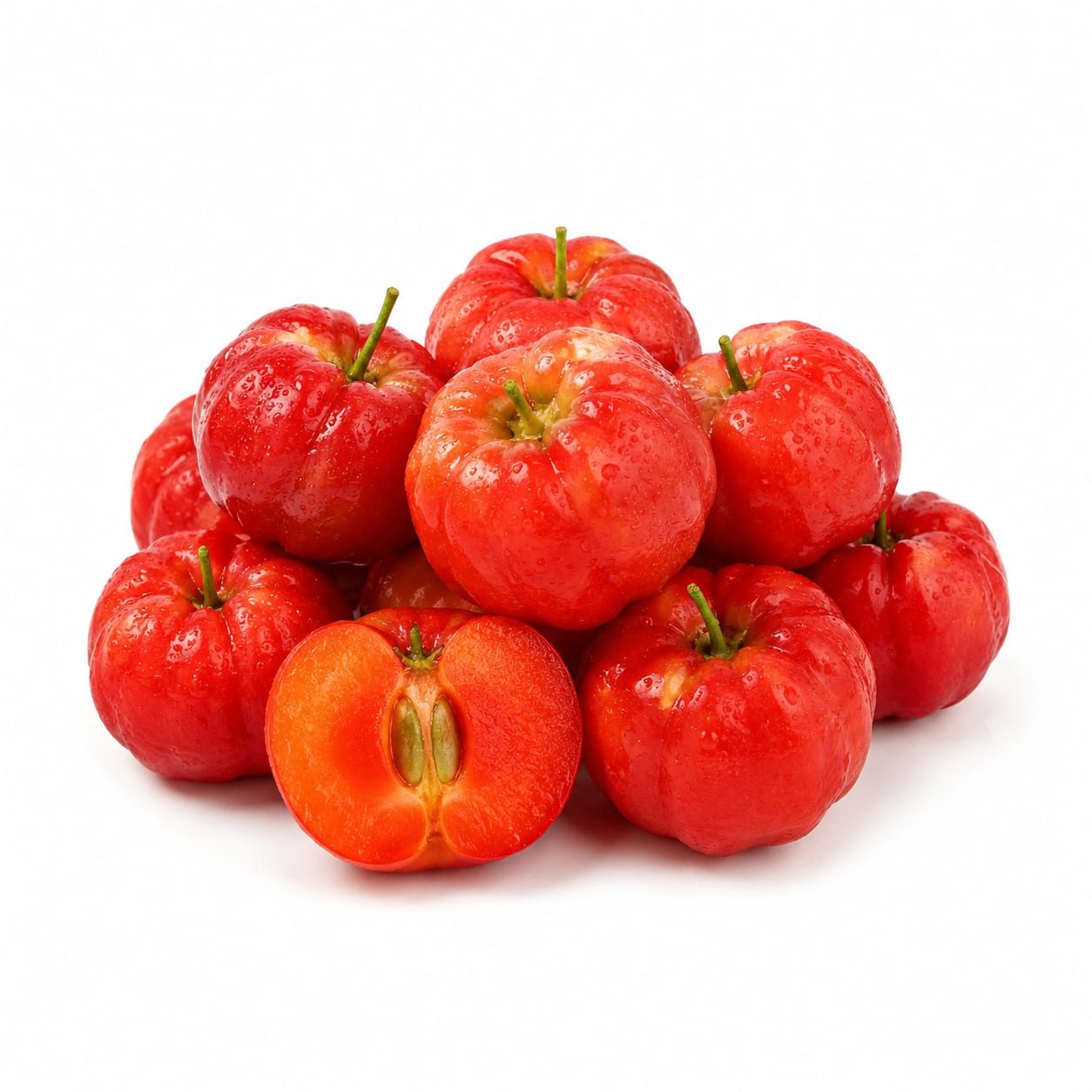
Acerola
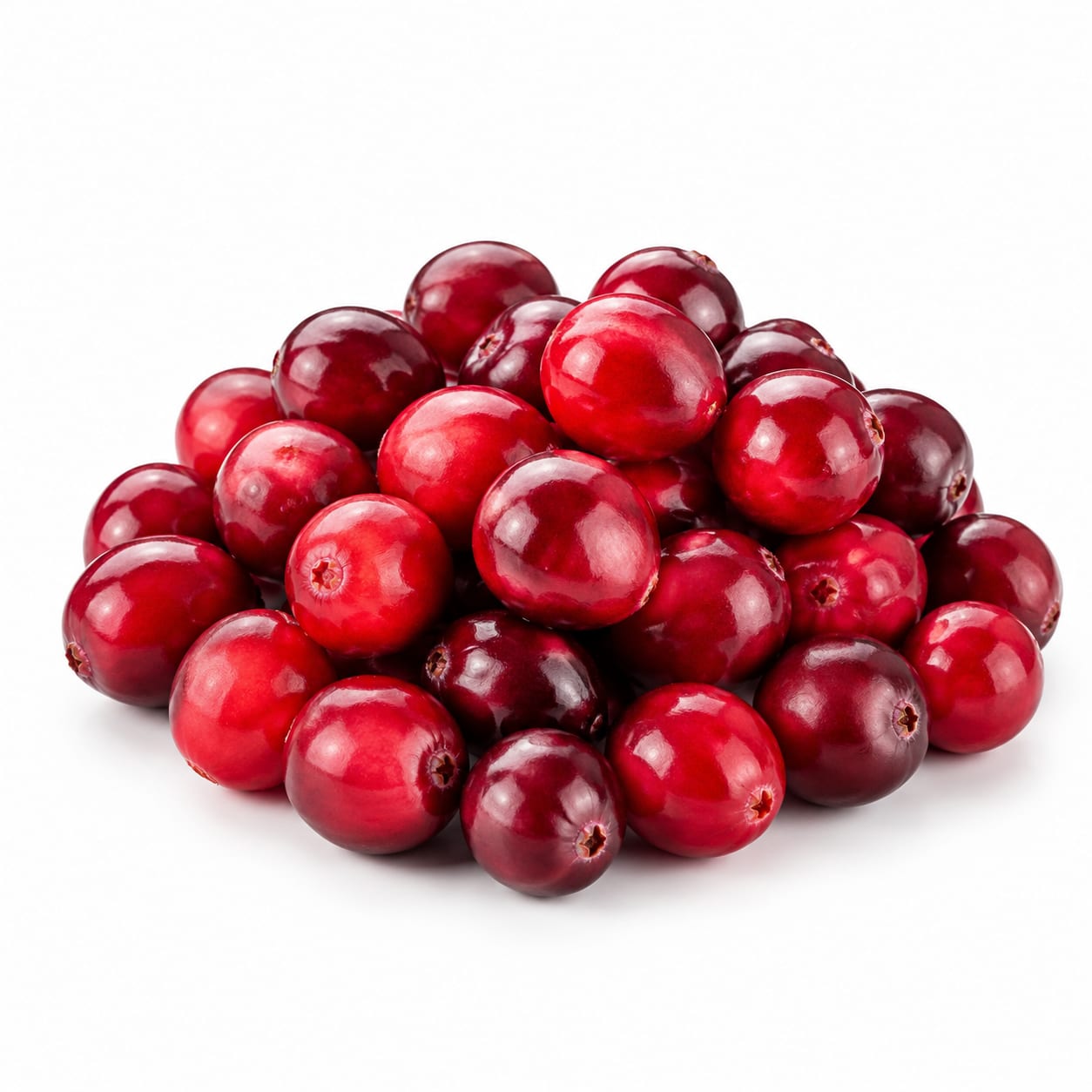
Cranberry
Acerola dominates for vitamin C and immune power, while cranberry owns urinary tract protection. Your pick depends on which health goal matters more.
Acerola wins on raw nutritional density, especially vitamin C, but loses significant ground on availability and the fact that most people can only access it in processed forms. Cranberry's unique UTI benefits and easy access keep it competitive despite lower vitamin content and sugar concerns.
Acerola delivers unmatched vitamin C but is hard to find fresh; cranberry offers unique UTI benefits but almost always comes with added sugar.
At a glance
Executive summary
Overall
It depends
Healthier
Acerola
More practical
Cranberry
Daily use
It depends
Key comparison lenses
Vitamin C supremacy and immune support
Acerola is one of the richest natural vitamin C sources on earth, dwarfing cranberry's content by 20-30x
Urinary tract health and infection prevention
Cranberry's signature benefit is UTI prevention, a unique advantage acerola cannot match
Sugar and processing concerns
Cranberry is rarely eaten fresh due to extreme tartness, leading to heavy sweetening in most products
Antioxidant diversity and anti-inflammatory potential
Both berries are antioxidant powerhouses but through different compounds and pathways
Accessibility and real-world practicality
Fresh acerola is nearly impossible to find outside tropical regions, while cranberry products are everywhere
Best choice for
Acerola
- People wanting maximum natural vitamin C
- Immune support during cold season
- Those seeking anti-aging skin benefits from collagen support
- Anyone avoiding added sugars in fruit products
- Tropical climate residents with fresh access
Cranberry
- Women prone to recurrent UTIs
- People wanting urinary tract protection
- Those who value easy grocery store availability
- Anyone seeking a familiar, versatile berry for cooking and baking
- People who enjoy tart flavors in smoothies or sauces
Least suitable for
Acerola
- People with no access to specialty stores or online ordering
- Those who need a fruit they can eat fresh daily
- Budget-conscious shoppers looking for affordable vitamin C
- Anyone sensitive to very high vitamin C doses
Cranberry
- People strictly limiting added sugars
- Diabetics who only have access to sweetened cranberry products
- Those seeking high vitamin C from a single food source
- Anyone wanting a low-acid fruit option
Deep comparison
Dimension by dimension
Each lens scores both foods and breaks down who each option suits.
- Dimension 1 · Priority 95Acerola
Vitamin C Content
Acerola · 98Cranberry · 25Acerola obliterates cranberry in vitamin C, delivering roughly 20-30 times more per serving.
Tradeoff
You get extraordinary vitamin C from acerola, but only if you can find a quality product. Cranberry's modest vitamin C is at least reliable and consistent.
Why it matters
Vitamin C supports immunity, collagen production, iron absorption, and skin health. A single acerola serving can exceed your daily needs by 10x.
Real-world impact
One small acerola serving covers your vitamin C for days. You would need roughly 20 cranberry servings to match it.
Acerola
- Immune defense during illness
- Collagen and skin health
- Iron absorption from plant foods
- Recovery from oxidative stress
Better for
- Risk of overconsumption if taking other vitamin C supplements
Worse for
Cranberry
- Inadequate as a primary vitamin C source
- Need to supplement vitamin C from other foods
Worse for
- Dimension 2 · Priority 90Cranberry
Urinary Tract Health
Acerola · 15Cranberry · 95Cranberry contains unique proanthocyanidins that prevent bacteria from sticking to urinary tract walls. Acerola has no equivalent mechanism.
Tradeoff
Cranberry's UTI protection is well-proven and unique among common fruits, but you need regular intake for it to work, and many cranberry products lack sufficient PACs.
Why it matters
UTIs affect millions annually, especially women. Prevention through diet is far preferable to repeated antibiotic courses.
Real-world impact
Daily cranberry intake can reduce UTI recurrence by roughly 25-35% in susceptible women. No other common berry does this.
Acerola
- No meaningful UTI protection
Worse for
Cranberry
- Women with recurrent UTIs
- Elderly prone to urinary infections
- Post-menopausal women
- Anyone wanting to reduce antibiotic dependence
Better for
- Juice products often lack enough active PACs
- Sweetened versions may counter health benefits
Worse for
- Dimension 3 · Priority 80It depends
Antioxidant Diversity
Acerola · 82Cranberry · 80Acerola brings massive vitamin C and carotenoids. Cranberry delivers anthocyanins and proanthocyanidins. Both are excellent through different pathways.
Tradeoff
Acerola's antioxidant power is vitamin C-driven and water-soluble. Cranberry's are flavonoid-driven and more diverse in long-term cellular protection.
Why it matters
Different antioxidants protect different systems. Variety matters more than sheer quantity for long-term health.
Real-world impact
Eating both berries would give you broader antioxidant coverage than either alone. Think of them as complementary, not competing.
Acerola
- Rapid antioxidant replenishment
- Neutralizing acute oxidative stress
- Skin and visible tissue protection
Better for
- Less flavonoid diversity than cranberry
Worse for
Cranberry
- Deeper cellular and vascular protection
- Long-term anti-inflammatory patterns
- Brain and cognitive antioxidant support
Better for
- Lower total antioxidant capacity per serving
Worse for
- Dimension 4 · Priority 85Acerola
Sugar and Processing Concerns
Acerola · 75Cranberry · 40Fresh acerola is naturally low in sugar and rarely needs sweetening. Most cranberry products are heavily sweetened to mask extreme tartness.
Tradeoff
Acerola in powder or supplement form is usually unsweetened. Cranberry juice, dried cranberries, and cranberry sauce routinely add 20-30g of sugar per serving.
Why it matters
Added sugar undermines the very health benefits people seek from berries. This is cranberry's biggest practical weakness.
Real-world impact
A cup of commercial cranberry juice cocktail can have more sugar than soda. Dried cranberries are essentially candy with a health halo.
Acerola
- Low natural sugar content
- Powder forms rarely contain added sweeteners
- Clean label products are common
Better for
- Supplement forms may have fillers
Worse for
Cranberry
- Unsweetened cranberry juice exists but is very tart
- Fresh whole cranberries have no added sugar
Better for
- Most commercial products are sugar-loaded
- Dried cranberries typically contain added sugar and oil
- Juice cocktails are often mostly apple juice with cranberry flavor
Worse for
- Dimension 5 · Priority 75Cranberry
Availability and Practicality
Acerola · 30Cranberry · 85Cranberry products are in every grocery store year-round. Fresh acerola is virtually unavailable outside tropical regions and must be bought as powder, juice, or supplements.
Tradeoff
Cranberry wins on convenience but you must navigate sugar traps. Acerola requires online ordering or specialty stores but tends to come in cleaner formulations.
Why it matters
The healthiest food is the one you can actually access and use consistently. Availability often determines long-term adherence.
Real-world impact
You can grab cranberry products anywhere. Acerola powder requires planning, ordering, and waiting. For busy people, this matters a lot.
Acerola
- Powder is shelf-stable and easy to store
- Concentrated form means small servings
- No preparation needed for supplements
Better for
- Fresh fruit is essentially unavailable in most regions
- Must rely on processed forms
- Quality varies widely between brands
- Higher cost per serving
Worse for
Cranberry
- Available in every major grocery chain
- Multiple product formats to choose from
- Year-round consistent supply
- Familiar ingredient for recipes
Better for
- Fresh cranberries are seasonal
- Best products are harder to identify among sugar-loaded options
Worse for
- Dimension 6 · Priority 70It depends
Anti-Inflammatory Potential
Acerola · 78Cranberry · 76Both berries fight inflammation through different mechanisms. Acerola's vitamin C calms acute inflammation. Cranberry's polyphenols target chronic low-grade inflammation.
Tradeoff
Acerola may feel more effective for short-term inflammatory responses. Cranberry may be better for persistent, systemic inflammation over time.
Why it matters
Chronic inflammation drives heart disease, diabetes, and aging. Acute inflammation affects recovery, joints, and immune response.
Real-world impact
After illness or intense exercise, acerola's vitamin C may help you bounce back faster. For daily inflammation management, cranberry's polyphenols offer steadier support.
Acerola
- Post-exercise recovery
- Acute inflammatory flare-ups
- Immune-related inflammation
Better for
- Less researched for chronic inflammation specifically
Worse for
Cranberry
- Chronic systemic inflammation
- Cardiovascular inflammation markers
- Age-related inflammatory patterns
Better for
- Added sugar in many products promotes inflammation, counteracting benefits
Worse for
Timeline
Health impact over time
Short-term
Hours to days
Acerola
- Rapid vitamin C boost supporting immune response within hours
- Potential mild digestive discomfort at very high doses
- Quick antioxidant saturation in blood plasma
- Possible improved energy perception from iron absorption enhancement
Cranberry
- Immediate urinary tract anti-adhesion effects within hours of consumption
- Noticeable tartness that can stimulate digestion
- Blood sugar spike if consuming sweetened cranberry products
- Mild stomach upset from concentrated unsweetened juice on empty stomach
Long-term
Months to years
Acerola
- Sustained immune resilience with regular intake
- Better collagen integrity supporting skin, joints, and blood vessels
- Potential reduced oxidative damage to cells over decades
- Possible kidney stone risk at extreme sustained doses due to oxalate content
Cranberry
- Significantly reduced UTI recurrence with consistent intake
- Cardiovascular protection through polyphenol-driven vascular improvements
- Better oral health from anti-adhesion properties against oral bacteria
- Potential added sugar burden if consuming conventional cranberry products long-term
Risk profile
Safety & processing
Acerola is typically consumed as freeze-dried powder or supplements with minimal additives. Cranberry products range from fresh berries to heavily sweetened juices and dried fruits with added oils and preservatives. The typical cranberry product most people eat is far more processed than the typical acerola product.
Acerola
Oxalate content and kidney stones
mediumAcerola contains oxalates which can contribute to kidney stone formation in susceptible people, especially at high supplemental doses over long periods.
Vitamin C overconsumption
lowExcess vitamin C from acerola supplements can cause diarrhea and GI distress. This is self-limiting and not dangerous but uncomfortable.
Product quality inconsistency
mediumAcerola supplements vary wildly in actual vitamin C content. Some products degrade quickly if not properly stored or packaged.
Cranberry
Added sugar in commercial products
highMost cranberry juice cocktails and dried cranberries contain 25-30g of added sugar per serving, directly undermining metabolic health and promoting inflammation.
Medication interactions with cranberry
mediumCranberry can interact with blood thinners like warfarin, potentially increasing bleeding risk. Always check with your doctor if on anticoagulants.
Pesticide residues on conventional cranberries
lowConventional cranberries frequently appear on EWG's Dirty Dozen list. Opting for organic reduces this concern significantly.
Who wins for whom
Audience fit
Same foods, different winners depending on your goal.
children
CranberryChildren accept cranberry flavors more readily in smoothies and sauces. Acerola powder can be hidden in drinks but is less familiar. Avoid giving children highly sweetened cranberry products though.
daily consumption
It dependsAcerola powder is easier to take daily without sugar concerns, but cranberry's UTI protection rewards consistent daily use. Choose based on your primary health priority.
diabetes
AcerolaAcerola has minimal sugar impact and its vitamin C may help reduce oxidative stress from blood sugar fluctuations. Cranberry products often deliver significant sugar loads that destabilize glucose control.
elderly
CranberryUTI prevention is especially valuable for older adults, particularly women. Cranberry's anti-adhesion benefits address a common and serious elderly health concern.
muscle gain
It dependsNeither berry is a muscle-building food. Acerola's vitamin C supports collagen for joint health during training. Cranberry's anti-inflammatory effects may aid recovery. Both are supplementary, not primary.
weight loss
AcerolaAcerola powder delivers intense nutrition with virtually zero calories and no added sugar. Most cranberry products are calorie-dense from added sweeteners.
Your move
Decision guide
Choose Acerola
- You want the most potent natural vitamin C source available
- Immune support is your top priority, especially in winter
- You are avoiding added sugars and want a clean supplement
- Skin health and collagen support matter to you
- You are comfortable ordering supplements online
Choose Cranberry
- UTI prevention is your main reason for seeking a berry supplement
- You want something available at any grocery store right now
- You enjoy cooking with berries in sauces, baked goods, or smoothies
- You can find and afford unsweetened cranberry juice or whole fresh cranberries
- You are an older adult concerned about urinary health
Either works if
- You want antioxidant diversity and can rotate both in your diet
- General fruit intake and berry variety is your goal
- You are healthy and simply want to eat more colorful plants
Avoid both if
- You are on warfarin or blood thinners without medical guidance
- You have oxalate-sensitive kidney stones and are limiting high-oxalate foods
- You have severe berry allergies
Final recommendation
Use both for different reasons. Take acerola powder daily for vitamin C and immune strength. Drink unsweetened cranberry juice or take cranberry extract for UTI protection. If you must pick one, choose acerola for general health and cranberry for urinary tract concerns. The real enemy is added sugar, so whichever you choose, read labels carefully and avoid sweetened products.
Practical
Consumer tips
- 1
If buying cranberry juice for UTI prevention, look for 100% pure unsweetened cranberry juice, not cocktail blends. It will taste extremely tart but that is the real product.
- 2
Acerola powder loses potency when exposed to heat and light. Store in a cool, dark place and use within the recommended timeframe after opening.
- 3
Freeze fresh cranberries when in season during fall. They last months and work perfectly in smoothies straight from frozen.
- 4
Acerola vitamin C content degrades quickly after harvesting. Powder and freeze-dried forms preserve more vitamin C than juices that sit on shelves.
- 5
If you find cranberry products too tart, mix small amounts of unsweetened cranberry juice into other beverages rather than buying pre-sweetened versions.
- 6
Look for cranberry supplements standardized to PAC content (at least 36mg daily) if your goal is UTI prevention. Random cranberry extracts may not deliver enough active compounds.