
Nutrition comparison
Acerola vs Camu Camu: Which Vitamin C Superfruit Is Better for You?
Compare Acerola and Camu Camu for vitamin C content, antioxidant power, taste, and daily usability. Find out which tropical superfruit fits your health goals better.
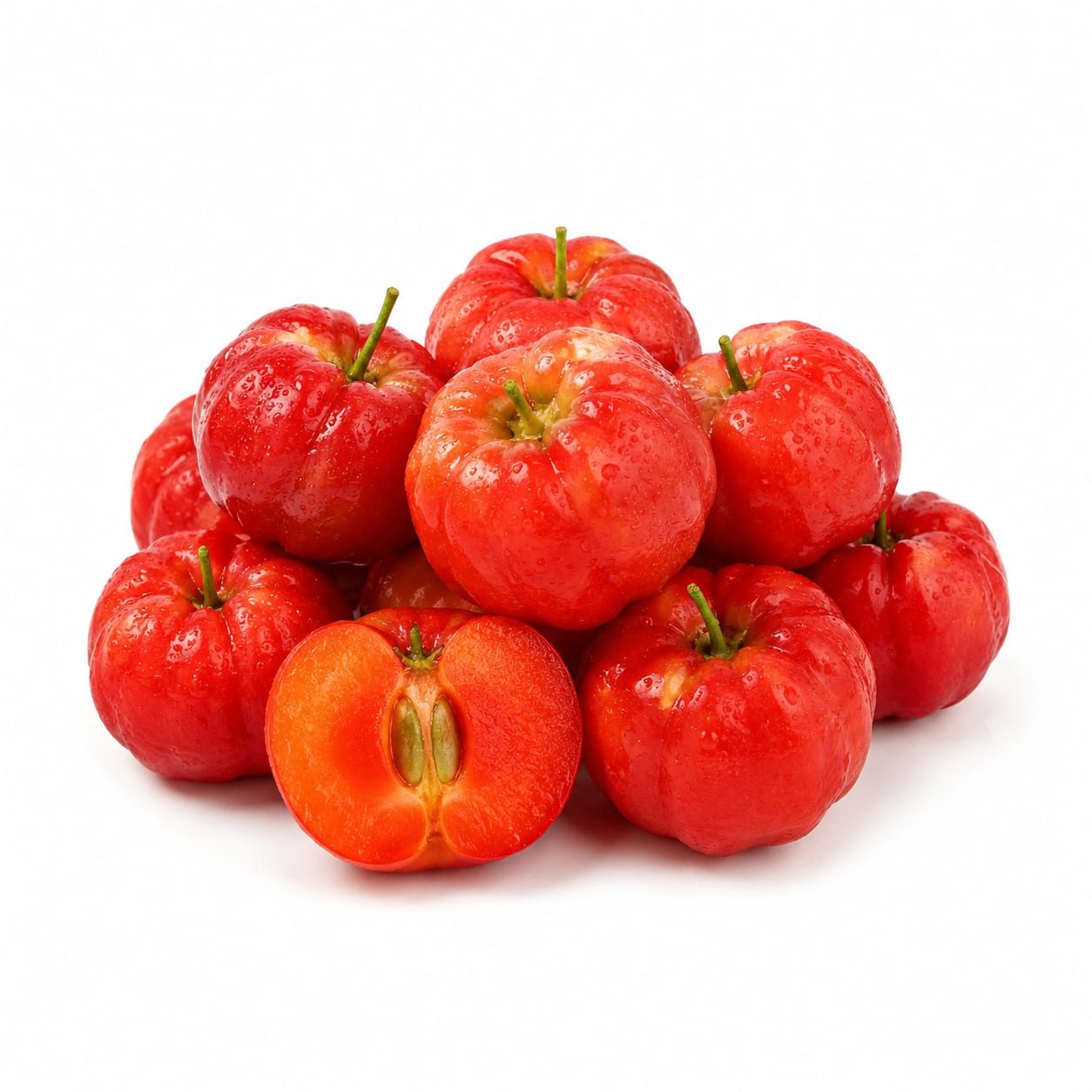
Acerola
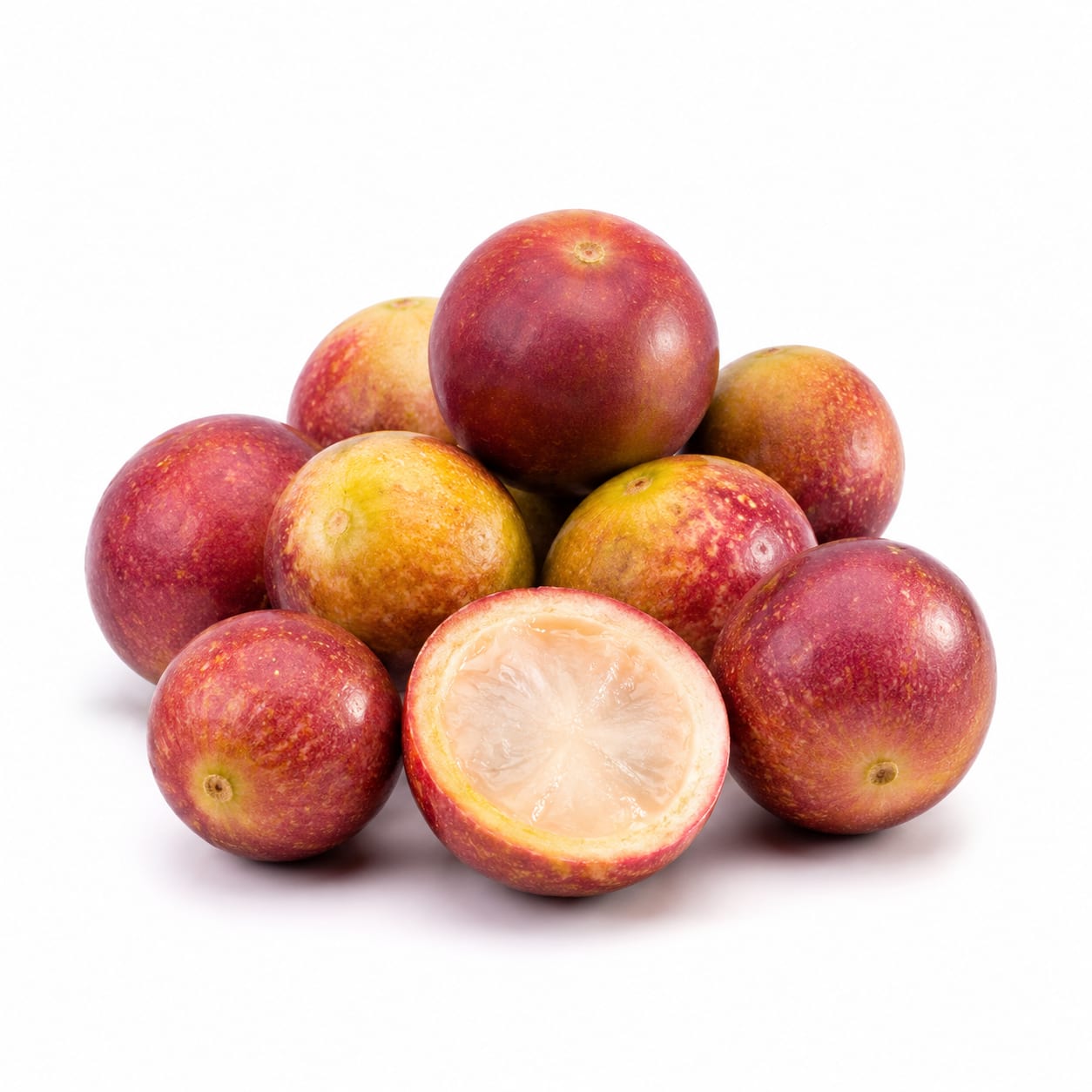
Camu Camu
Camu Camu delivers more vitamin C per gram, but Acerola offers a broader nutrient profile and better availability as a whole food. Choose based on whether you prioritize raw vitamin C potency or overall nutritional diversity.
Acerola edges ahead slightly due to better whole-food availability and a richer carotenoid profile, but Camu Camu's vitamin C dominance keeps it close. The low confidence reflects that both are typically consumed as supplements rather than whole foods, making individual product quality a major variable.
Camu Camu wins on vitamin C concentration and antioxidant density, while Acerola wins on carotenoid content, fresh fruit availability, and a slightly more pleasant taste experience.
At a glance
Executive summary
Overall
It depends
Healthier
It depends
More practical
Acerola
Daily use
Acerola
Key comparison lenses
Vitamin C supremacy comparison
Both foods are legendary for vitamin C content — users almost always want to know which delivers more
Supplement vs whole food form practicality
Camu Camu is rarely available fresh, while Acerola can sometimes be found whole or as juice
Antioxidant diversity beyond vitamin C
Users choosing between these want to know what else they get besides massive vitamin C doses
Daily immune support sustainability
Most people comparing these are seeking long-term immune boosting, not a one-time remedy
Taste and tolerability for regular use
Both are extremely tart — palatability affects whether someone actually sticks with them
Best choice for
Acerola
- People who want a whole fruit they can actually eat or juice
- Those seeking broader micronutrient coverage including vitamin A and carotenoids
- Anyone who values fresher, less processed forms of vitamin C
- Users sensitive to extremely sour flavors
Camu Camu
- Maximum vitamin C potency in the smallest serving
- Those already using powders or supplements and comfortable with that format
- People seeking the highest antioxidant ORAC score per gram
- Travelers or busy people who prefer shelf-stable powder
Least suitable for
Acerola
- Those needing the absolute highest vitamin C dose in minimal volume
- People without access to specialty or tropical fruit markets
Camu Camu
- Anyone avoiding powdered or processed supplement forms
- People sensitive to very acidic, intensely sour flavors
- Those concerned about sustainable harvesting of Amazonian resources
Deep comparison
Dimension by dimension
Each lens scores both foods and breaks down who each option suits.
- Dimension 1 · Priority 95Camu Camu
Vitamin C Potency
Acerola · 88Camu Camu · 97Camu Camu contains roughly 2-3 times more vitamin C per gram than Acerola, making it one of the most concentrated natural sources on Earth.
Tradeoff
Camu Camu delivers more vitamin C but almost always in dried powder form, which may degrade some vitamin C compared to fresh Acerola fruit.
Why it matters
If your primary goal is maximizing vitamin C intake for immune support or collagen synthesis, Camu Camu gets you there with less volume.
Real-world impact
A teaspoon of Camu Camu powder can exceed your daily vitamin C needs, while you'd need several Acerola cherries to match it — but those cherries taste better going down.
Acerola
- People who prefer getting vitamin C from whole fresh fruit
- Those who value the synergistic cofactors present in fresh fruit
Better for
- Users needing the highest possible dose in supplement form
Worse for
Camu Camu
- Anyone wanting maximum vitamin C per serving
- Those who find it easier to mix powder into smoothies than source fresh tropical fruit
Better for
- People who want vitamin C from an unprocessed whole food
Worse for
- Dimension 2 · Priority 82Acerola
Antioxidant Diversity
Acerola · 85Camu Camu · 78Acerola provides a wider range of antioxidants including carotenoids and anthocyanins, while Camu Camu's antioxidant profile is more vitamin C-dominant.
Tradeoff
Camu Camu scores higher on total antioxidant capacity tests, but Acerola offers more antioxidant types working across different body systems.
Why it matters
Diverse antioxidants protect more cellular pathways — vitamin C is great, but carotenoids support eye and skin health in ways vitamin C alone cannot.
Real-world impact
Eating Acerola regularly supports your vision, skin, and immune system simultaneously. Camu Camu is like a focused vitamin C cannon — powerful but narrower.
Acerola
- People wanting broad-spectrum antioxidant protection
- Those interested in skin and eye health benefits from carotenoids
Better for
- People who care most about raw antioxidant capacity numbers
Worse for
Camu Camu
- Users prioritizing total antioxidant power measured by ORAC
- Those focused specifically on reducing oxidative stress from intense exercise
Better for
- Anyone wanting the eye and skin benefits that carotenoids provide
Worse for
- Dimension 3 · Priority 70Acerola
Taste and Palatability
Acerola · 72Camu Camu · 55Acerola is tart but pleasantly fruity with a cherry-like flavor. Camu Camu is intensely sour and bitter, almost unpalatable on its own.
Tradeoff
Acerola can be enjoyed as fresh fruit or juice without sweeteners. Camu Camu almost always needs to be masked in smoothies or sweetened.
Why it matters
If a supplement tastes terrible, you'll eventually stop taking it — palatability directly affects consistency.
Real-world impact
Acerola juice is something you might actually crave. Camu Camu powder is something you tolerate for the benefits.
Acerola
- People who want to enjoy their immune-boosting food
- Children or picky eaters who need pleasant flavors
Better for
- No significant downside here — Acerola is the more palatable option
Worse for
Camu Camu
- Those who don't mind sour taste if results are strong
- Smoothie enthusiasts who can easily mask the flavor
Better for
- Anyone who struggles with sour or bitter flavors
- People who want to take it straight without mixing into other foods
Worse for
- Dimension 4 · Priority 75Acerola
Availability and Form Factor
Acerola · 70Camu Camu · 58Acerola is occasionally available as fresh fruit, juice, or frozen pulp. Camu Camu is almost exclusively sold as dried powder or in capsules.
Tradeoff
Acerola offers more form options including whole food, but neither is commonly found in regular grocery stores.
Why it matters
Having access to the whole fruit means you get the full matrix of nutrients, fiber, and water — not just the isolated compounds that survive drying.
Real-world impact
If you live near a tropical fruit market, you might find fresh Acerola. Camu Camu will always be a powder on a shelf, which is convenient but more processed.
Acerola
- People who value having a whole food option
- Those living in or near tropical regions where Acerola grows
Better for
- People in temperate climates who can only access powdered forms anyway
Worse for
Camu Camu
- Travelers who want shelf-stable, lightweight supplementation
- Those who prefer the convenience of a standardized powder dose
Better for
- Anyone seeking a true whole-food experience
- Those concerned about nutrient degradation during drying and storage
Worse for
- Dimension 5 · Priority 72Acerola
Additional Nutrient Value
Acerola · 80Camu Camu · 68Acerola contains meaningful amounts of vitamin A, thiamine, riboflavin, niacin, and minerals. Camu Camu offers some amino acids but has a thinner micronutrient profile.
Tradeoff
Acerola functions more like a complete fruit nutritionally, while Camu Camu is more of a specialized vitamin C delivery system.
Why it matters
Getting multiple nutrients from one food reduces the need for additional supplementation and supports more body systems at once.
Real-world impact
A handful of Acerola cherries gives you vitamin C plus meaningful B-vitamin and vitamin A support. Camu Camu gives you outstanding vitamin C and not much else.
Acerola
- Those wanting a nutrient-dense food, not just a single-nutrient bomb
- People who appreciate B-vitamin support for energy metabolism
Better for
- People who only care about vitamin C and nothing else
Worse for
Camu Camu
- Users already taking a multivitamin who just want concentrated vitamin C
- Those interested in the unique amino acid profile Camu Camu provides
Better for
- Anyone relying on this as a sole nutrient-dense food source
Worse for
- Dimension 6 · Priority 65Acerola
Sustainability and Sourcing Ethics
Acerola · 70Camu Camu · 58Acerola is widely cultivated across multiple tropical regions. Camu Camu is harvested primarily from the Amazon, raising concerns about overharvesting and habitat impact.
Tradeoff
Camu Camu's growing popularity puts pressure on Amazonian ecosystems, while Acerola's broader cultivation spreads environmental impact more sustainably.
Why it matters
Choosing foods with sustainable sourcing helps protect biodiversity and ensures long-term availability.
Real-world impact
Your Camu Camu habit may contribute to demand that strains Amazon river ecosystems. Acerola is grown on farms across multiple countries with less ecological risk.
Acerola
- Environmentally conscious consumers
- Those worried about Amazon deforestation and overharvesting
Better for
- No significant sustainability downside
Worse for
Camu Camu
- People who source from verified sustainable suppliers
- Those supporting fair-trade Amazonian communities
Better for
- Consumers concerned about wild harvesting impact on Amazon biodiversity
Worse for
Timeline
Health impact over time
Short-term
Hours to days
Acerola
- Rapid immune system support from high vitamin C absorption
- Quick antioxidant protection against oxidative stress
- Mild digestive stimulation from natural fruit acids
- Possible mild stomach upset if consumed in very large quantities
Camu Camu
- Intense vitamin C surge that may exceed daily needs in small doses
- Strong antioxidant burst helpful after exercise or illness
- More likely to cause stomach discomfort due to extreme acidity
- Diarrhea possible if overconsumed due to excess vitamin C
Long-term
Months to years
Acerola
- Sustained immune resilience with regular consumption
- Skin health support from combined vitamin C and carotenoid action
- Eye health protection from consistent carotenoid intake
- Better iron absorption from regular natural vitamin C intake
Camu Camu
- Maximum immune system reinforcement if taken consistently
- Strong anti-inflammatory effects from concentrated antioxidants
- Potential for vitamin C tolerance buildup requiring cycling
- Risk of kidney stone formation in susceptible individuals at high doses
Risk profile
Safety & processing
Fresh Acerola is a whole fruit you can eat off the tree — as natural as it gets. Camu Camu is almost always freeze-dried and powdered, which preserves vitamin C but removes water, fiber, and some heat-sensitive compounds. If you value eating food in its natural state, Acerola wins clearly. If you prioritize potency and convenience, Camu Camu's processing is a reasonable tradeoff.
Acerola
Vitamin C overdose symptoms
lowVery large amounts could cause diarrhea or stomach cramps, but this requires eating an unrealistic quantity of fresh fruit.
Pesticide residue on conventionally grown fruit
lowAcerola is typically grown with minimal pesticide use, but always wash fresh fruit or choose organic when possible.
Allergic reactions in sensitive individuals
lowRare but possible — some people react to tropical fruits with oral allergy syndrome symptoms.
Camu Camu
Contamination in powdered supplements
mediumPowdered Camu Camu is vulnerable to heavy metal contamination and adulteration. Third-party testing is essential.
Excessive vitamin C intake
mediumCamu Camu powder can easily deliver 10-50x the daily vitamin C requirement in one serving, which may cause digestive distress and increase kidney stone risk in susceptible people.
Sustainable harvesting concerns
mediumWild-harvested Camu Camu may face overharvesting pressure. Look for sustainably sourced products to reduce ecological impact.
Who wins for whom
Audience fit
Same foods, different winners depending on your goal.
children
AcerolaAcerola tastes better and can be eaten as a fruit or juice, making it far easier for kids to accept than intensely sour Camu Camu powder.
daily consumption
AcerolaBetter taste, more nutrient diversity, and lower risk of vitamin C overconsumption make Acerola more sustainable as a daily habit.
diabetes
AcerolaFresh Acerola has fiber that slows sugar absorption. Camu Camu powder lacks fiber and may be mixed into higher-sugar smoothies.
elderly
AcerolaAcerola's carotenoids support eye health and its broader nutrient profile addresses more age-related concerns. The whole food form is also gentler on digestion.
muscle gain
It dependsNeither is directly muscle-building. Camu Camu's higher vitamin C may slightly better support recovery from intense training, but the difference is minimal.
weight loss
AcerolaAcerola as a whole fruit provides fiber and water that increase satiety, while Camu Camu powder is a concentrated supplement with no filling effect.
Your move
Decision guide
Choose Acerola
- You want a whole food you can actually enjoy eating or drinking
- Broad nutrient coverage matters more to you than maximum vitamin C per gram
- You're concerned about Amazonian sustainability and prefer widely cultivated options
- You're giving it to children or anyone sensitive to extreme sour flavors
- You want something you can sustain as a daily habit without dreading the taste
Choose Camu Camu
- Your primary goal is the highest possible vitamin C intake in the smallest serving
- You already use powders and supplements and find them convenient
- You're an athlete seeking maximum antioxidant recovery support
- You don't mind the sour taste or always blend it into smoothies
- You want a shelf-stable option for travel or long-term storage
Either works if
- You just want a potent natural vitamin C source and both are available
- You're rotating between different superfoods for variety
- You're using either as part of a broader immune-support protocol
Avoid both if
- You have a history of kidney stones and are cautious about high vitamin C doses
- You're already taking a high-dose vitamin C supplement — adding either could push you into excessive intake
- You have a citrus or tropical fruit allergy and haven't tested tolerance
Final recommendation
For most people, Acerola is the better everyday choice — it's more enjoyable, more nutritious overall, and easier to sustain long-term. Reserve Camu Camu for periods when you need maximum vitamin C potency, like during illness recovery or intense training blocks. If you do choose Camu Camu, invest in a third-party tested brand to avoid contamination risks, and cycle off periodically rather than mega-dosing indefinitely.
Practical
Consumer tips
- 1
If buying Camu Camu powder, always check for third-party testing certificates — heavy metal contamination is a real concern in Amazonian-sourced supplements.
- 2
Fresh Acerola degrades quickly — freeze it or consume within days. Vitamin C potency drops significantly after harvest.
- 3
Mix Camu Camu powder into smoothies with banana or mango to mask the intense sourness without adding refined sugar.
- 4
Don't take either on an empty stomach if you're sensitive to acidity — the vitamin C and fruit acids can cause discomfort.
- 5
Avoid boiling or heating either food — vitamin C is heat-sensitive and degrades rapidly above 70°C.
- 6
If you're taking iron supplements, pair them with Acerola or Camu Camu — the vitamin C dramatically improves iron absorption.
- 7
Start with small doses of Camu Camu powder (1/4 teaspoon) and work up. Your digestive system needs time to adjust to concentrated vitamin C.
- 8
Look for Acerola juice that's cold-pressed and not from concentrate — heat processing destroys much of the vitamin C you're paying for.