
Nutrition comparison
Acerola vs Blueberry: Which Berry Is Better for Immunity and Brain Health?
Compare acerola and blueberry nutrition. Acerola delivers massive vitamin C for immune support while blueberries offer proven brain and heart benefits. Find out which fits your goals.
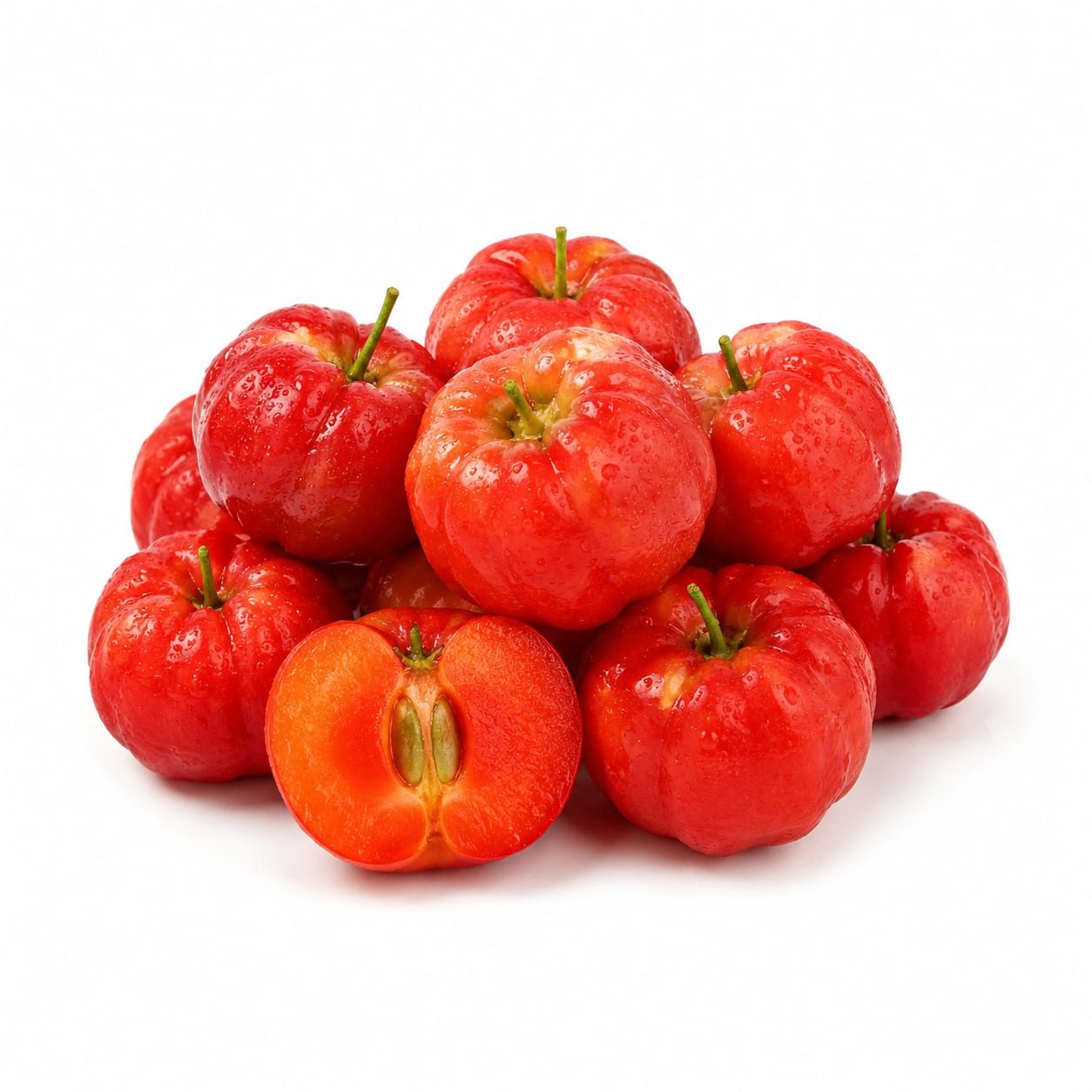
Acerola
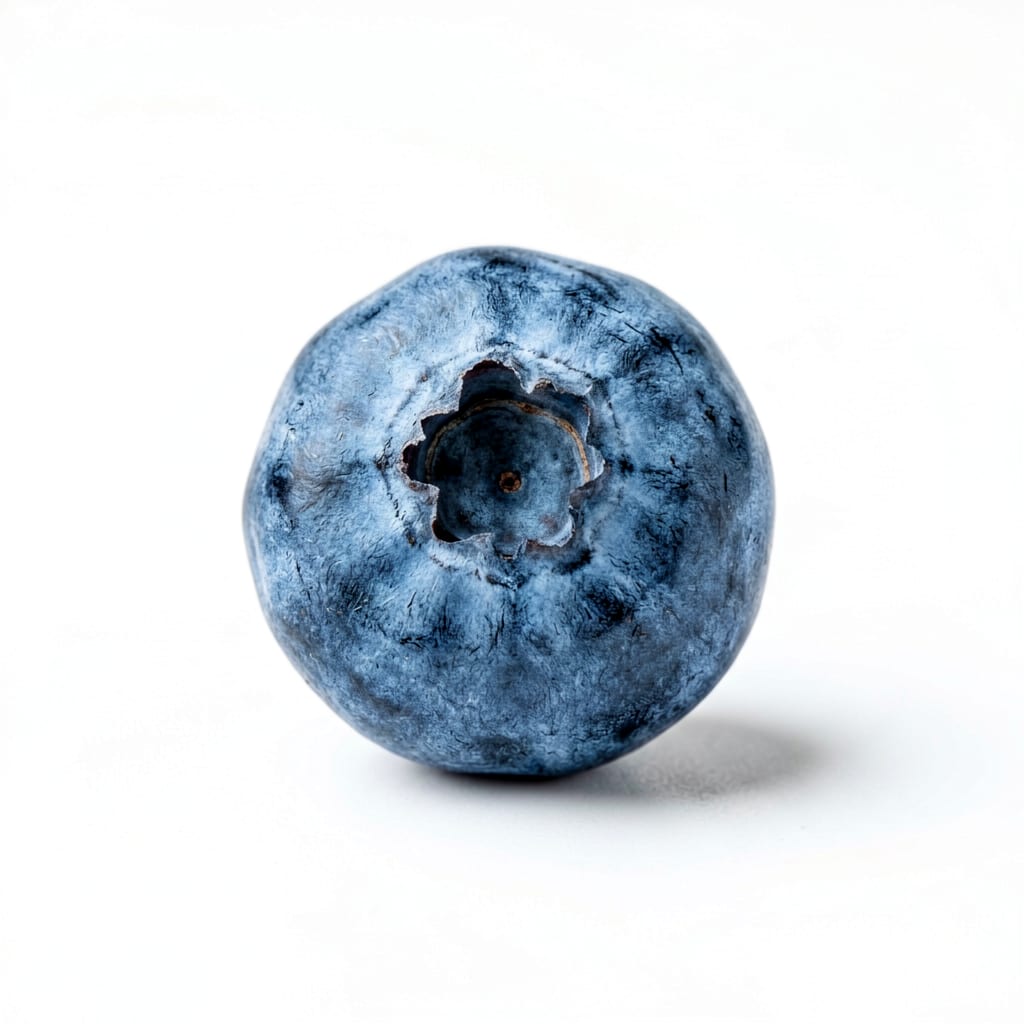
Blueberry
Acerola obliterates blueberries in vitamin C but blueberries win on accessibility, brain health evidence, and daily practicality.
Blueberries edge ahead due to superior practicality, broader evidence base, and daily sustainability. Acerola's extraordinary vitamin C content is a niche superpower that most people do not need in extreme amounts daily.
Massive immune-boosting vitamin C versus a convenient, well-studied everyday superfruit with broader antioxidant benefits.
At a glance
Executive summary
Overall
It depends
Healthier
It depends
More practical
Blueberry
Daily use
Blueberry
Key comparison lenses
immune support maximization
Acerola is one of the most concentrated natural vitamin C sources on earth, making immune support the defining contrast
antioxidant diversity
Both berries are antioxidant powerhouses but through completely different compound profiles
everyday practicality
Acerola is perishable and hard to find fresh, while blueberries are a grocery store staple
brain and cognitive health
Blueberries have strong clinical evidence for cognitive benefits that acerola cannot match
cost effective nutrition
Acerola supplements and powders can be expensive compared to widely available blueberries
Best choice for
Acerola
- People wanting maximum immune support during cold season
- Anyone with diagnosed vitamin C deficiency
- Those seeking a natural vitamin C supplement alternative
- Athletes needing rapid antioxidant recovery after intense training
Blueberry
- Families wanting an affordable daily brain-protective fruit
- People prioritizing long-term cognitive health
- Anyone who needs a freezer-stable, versatile berry
- Those looking for gentle, sustainable fiber intake
Least suitable for
Acerola
- People on a tight grocery budget
- Anyone without access to specialty stores or online shopping
- Those who want a simple grab-and-go fruit
- People sensitive to very tart flavors
Blueberry
- Anyone needing a serious vitamin C boost quickly
- People with specific immune deficiency concerns
- Those already getting plenty of anthocyanins from other berries
Deep comparison
Dimension by dimension
Each lens scores both foods and breaks down who each option suits.
- Dimension 1 · Priority 95Acerola
vitamin_c_power
Acerola · 99Blueberry · 12Acerola delivers roughly 30-80 times more vitamin C than blueberries per serving, making it one of the most potent natural sources on the planet.
Tradeoff
That much vitamin C is rarely needed daily and excess is excreted, so the advantage shrinks for typical healthy people.
Why it matters
If you are fighting off illness or recovering from stress, acerola provides vitamin C levels that blueberries simply cannot approach.
Real-world impact
A single acerola serving can exceed your entire daily vitamin C needs by 10x, while you would need cups of blueberries to hit the same target.
Acerola
- Acute immune support during illness
- Post-surgical recovery
- High-stress periods depleting vitamin C
- Smokers who need extra vitamin C
Better for
- Anyone prone to kidney stones from excess vitamin C
- People taking high-dose vitamin C supplements already
Worse for
Blueberry
- Steady moderate vitamin C intake without waste
- People who get enough vitamin C from other sources
Better for
- Situations requiring rapid immune reinforcement
- Anyone with scurvy or severe deficiency
Worse for
- Dimension 2 · Priority 85It depends
antioxidant_diversity
Acerola · 82Blueberry · 88Blueberries offer a wider range of well-studied antioxidants especially anthocyanins, while acerola concentrates heavily on vitamin C with some carotenoids.
Tradeoff
Acerola goes deep on one antioxidant pathway; blueberries spread coverage across multiple protective systems including brain-specific compounds.
Why it matters
Diverse antioxidants protect different tissues and systems. Relying on one super-concentrated source may leave gaps.
Real-world impact
Blueberries protect blood vessels, brain cells, and retinal tissue through multiple pathways. Acerola shields powerfully against oxidative stress but through a narrower channel.
Acerola
- Targeted free radical neutralization
- Collagen synthesis support
- Short-term oxidative stress recovery
Better for
- Those wanting broad-spectrum cellular protection
Worse for
Blueberry
- Long-term neuroprotection
- Cardiovascular antioxidant defense
- Age-related cognitive decline prevention
Better for
- Anyone needing intense single-pathway antioxidant action
Worse for
- Dimension 3 · Priority 80Blueberry
brain_and_cognitive_health
Acerola · 40Blueberry · 90Blueberries have robust clinical evidence linking them to improved memory, focus, and age-related cognitive protection. Acerola has almost no direct brain health research.
Tradeoff
Vitamin C supports overall brain health indirectly, but blueberries deliver compounds that cross the blood-brain barrier and accumulate in brain tissue.
Why it matters
If maintaining sharp thinking as you age is a priority, blueberries are among the best-studied foods for this purpose.
Real-world impact
Regular blueberry consumption has been linked to measurably better recall and slower cognitive aging in multiple human trials.
Acerola
- General brain antioxidant support through vitamin C
Better for
- Those specifically seeking evidence-based brain food
Worse for
Blueberry
- Older adults wanting to protect memory
- Students needing focus support during exams
- Anyone with family history of cognitive decline
- Professionals in high-concentration jobs
Better for
- Dimension 4 · Priority 80Blueberry
availability_and_convenience
Acerola · 25Blueberry · 92Blueberries are available year-round in nearly every grocery store. Fresh acerola is extremely perishable and rarely found outside tropical regions.
Tradeoff
Acerola's nutritional potency comes at the cost of accessibility. Most people can only get it as powder, juice, or supplement.
Why it matters
The healthiest food is the one you can actually buy and eat consistently.
Real-world impact
You can grab blueberries anywhere, freeze them for months, and add them to anything. Acerola requires planning, online orders, and often accepting a processed form.
Acerola
- People living in tropical regions where acerola grows
- Those comfortable ordering supplements online
Better for
- Rural areas without specialty stores
- Anyone who wants fresh whole fruit only
- People who dislike supplement powders
Worse for
Blueberry
- Busy families needing quick meal prep
- Anyone who shops at regular grocery stores
- Meal preppers who buy in bulk and freeze
- People who travel and want consistent access
Better for
- Dimension 5 · Priority 65Blueberry
fiber_and_digestive_health
Acerola · 55Blueberry · 78Blueberries provide more fiber per serving and are gentler on digestion. Acerola's tartness and acidity can bother sensitive stomachs.
Tradeoff
Both contribute fiber, but blueberries deliver it more consistently in typical serving sizes without digestive discomfort.
Why it matters
Fiber supports gut health, blood sugar stability, and satiety. A fruit that is easier to eat more of delivers more total fiber.
Real-world impact
A cup of blueberries with breakfast feels comfortable and filling. Eating the same volume of fresh acerola could cause stomach upset.
Acerola
- Small targeted servings for vitamin C without bulk
Better for
- Those with acid reflux or GERD
- People with sensitive stomachs
Worse for
Blueberry
- Improving daily fiber intake gently
- Supporting healthy gut bacteria
- People with sensitive stomachs
- Maintaining regular digestion
Better for
- Dimension 6 · Priority 70Blueberry
cost_effectiveness
Acerola · 35Blueberry · 75Blueberries are affordable and widely available. Acerola products carry premium pricing due to limited supply and processing costs.
Tradeoff
Acerola's vitamin C potency per dollar can actually be competitive with supplements, but as a whole food experience blueberries deliver more value.
Why it matters
Sustainable nutrition depends on foods you can afford to eat regularly, not just occasionally.
Real-world impact
Frozen blueberries cost a few dollars per pound and last months. Acerola powder can cost 3-5x more per serving.
Acerola
- Replacing expensive vitamin C supplements
- Short-term therapeutic use where potency matters more than cost
Better for
- Students and low-income households
- People who need large serving sizes
Worse for
Blueberry
- Families feeding multiple people
- Long-term daily consumption budgets
- Anyone wanting maximum nutrition per dollar
Better for
Timeline
Health impact over time
Short-term
Hours to days
Acerola
- Rapid vitamin C boost supporting immune cell activity within hours
- Potential stomach discomfort if consumed in large amounts due to high acidity
- Quick antioxidant protection against acute oxidative stress
Blueberry
- Gentle blood sugar-friendly energy from moderate natural sugars and fiber
- Mild anti-inflammatory effect noticeable with regular consumption over days
- Comfortable digestion without acidity issues
Long-term
Months to years
Acerola
- Sustained immune resilience if consumed regularly
- Possible kidney stone risk with chronic excessive vitamin C intake
- Improved collagen integrity supporting skin and joint health
Blueberry
- Documented slower cognitive aging with years of regular consumption
- Better cardiovascular markers from consistent anthocyanin intake
- Improved insulin sensitivity with daily blueberry consumption
- Support for healthy gut microbiome diversity
Risk profile
Safety & processing
Both are whole foods when fresh, but acerola's extreme perishability means most consumers encounter it as powder, juice, or supplement, which introduces processing variables. Blueberries are commonly eaten fresh or frozen with minimal intervention.
Acerola
Supplement quality variability
mediumSince most acerola is consumed as powder or supplement, quality control and label accuracy vary significantly between brands.
Excess vitamin C intake
lowVery high doses may cause diarrhea, cramps, or contribute to kidney stone formation in susceptible individuals.
Pesticide residue on imported fruit
mediumAcerola often comes from tropical regions with varying pesticide regulations. Choosing organic reduces this concern.
Blueberry
Pesticide residue
mediumBlueberries consistently appear on EWG's Dirty Dozen list. Organic or well-washed conventional berries reduce exposure.
Mold on stored berries
lowBlueberries spoil quickly once mold starts. Inspect containers and discard any soft or fuzzy berries promptly.
Who wins for whom
Audience fit
Same foods, different winners depending on your goal.
children
BlueberryKids generally enjoy the mild sweet taste of blueberries and can eat them by the handful. Acerola's intense tartness and limited availability make it a hard sell for most children.
daily consumption
BlueberryBlueberries are sustainable, affordable, available, and gentle enough to eat every day year-round. Acerola is better used as a targeted boost rather than a daily staple.
diabetes
BlueberryBlueberries have stronger evidence for improving insulin sensitivity and their fiber content steadies blood sugar. Acerola's lower sugar content is helpful but the evidence base for glycemic control is thinner.
elderly
BlueberryThe cognitive protection data for blueberries is especially relevant for aging adults, and their soft texture and wide availability make them practical for seniors.
muscle gain
It dependsNeither berry is a protein source. Acerola's vitamin C supports collagen for connective tissue repair, while blueberries reduce exercise-induced inflammation. Both are complementary rather than decisive.
weight loss
BlueberryBlueberries are easier to eat in controlled portions, more filling per calorie, and their lower acidity makes them a comfortable daily staple without overconsumption risk.
Your move
Decision guide
Choose Acerola
- You are fighting off a cold or recovering from illness and need maximum vitamin C
- You want to replace synthetic vitamin C supplements with a whole-food source
- You live in a region where acerola is available fresh
- You are an athlete dealing with high oxidative stress from intense training
Choose Blueberry
- You want a brain-protective fruit you can eat every single day
- Long-term cognitive health is a top priority for you
- You need something affordable, available, and easy to store
- You are feeding a family and need versatile fruit for meals and snacks
- You want gentle fiber and steady energy without digestive discomfort
Either works if
- You want antioxidant-rich berries in your diet and can rotate both
- You are generally healthy and just want more fruit variety
- You already eat a balanced diet and neither berry fills a critical gap
Avoid both if
- You have a berry allergy or salicylate sensitivity
- You are on blood-thinning medications and need to monitor vitamin K intake from blueberries
- You have severe kidney issues and must limit vitamin C or oxalates
Final recommendation
Keep blueberries as your daily driver and treat acerola as your secret weapon. Blueberries give you consistent, broad-spectrum protection that compounds over years. Acerola gives you an unmatched vitamin C surge when you actually need it. If budget forces one choice, blueberries win for sustainability and evidence. If immune challenges are your top concern, acerola powder is worth adding to your routine.
Practical
Consumer tips
- 1
Buy frozen blueberries in bulk bags for the best value and longest shelf life
- 2
If choosing acerola powder, look for brands that test for vitamin C content and avoid added fillers
- 3
Organic blueberries are worth the premium since conventional ones rank high for pesticide residue
- 4
Add acerola powder to smoothies rather than taking it alone to buffer the intense tartness
- 5
Do not heat acerola powder as vitamin C degrades significantly with high temperatures
- 6
Mix both into a smoothie with a neutral protein base for an antioxidant and immune combo