
Nutrition comparison
Acerola vs Acai Berry: Which Superfood Is Actually Better for You?
Acerola delivers unmatched vitamin C while Acai Berry provides healthy fats and meal satisfaction. Compare nutrition, benefits, and real-world tradeoffs to find which fits your goals.
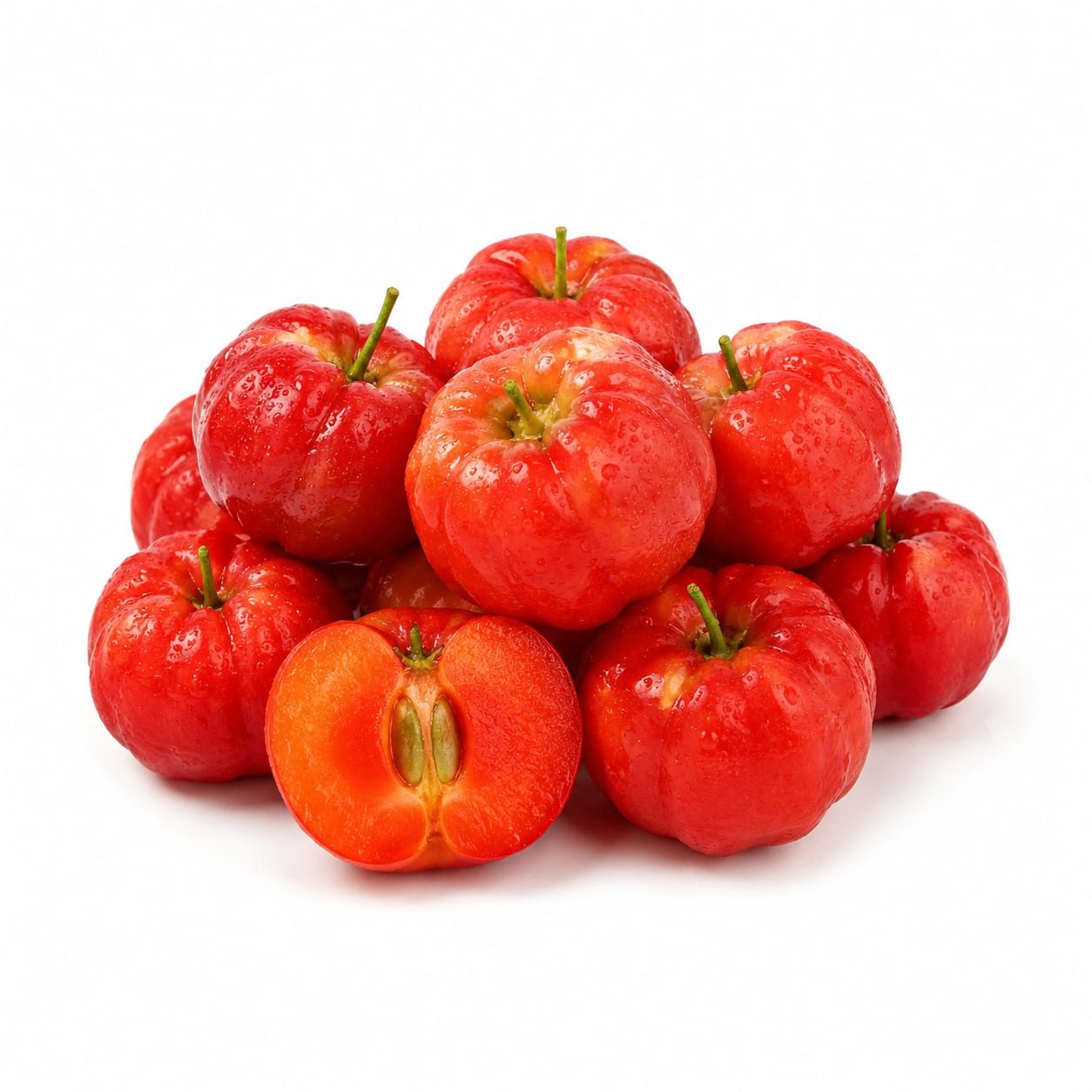
Acerola
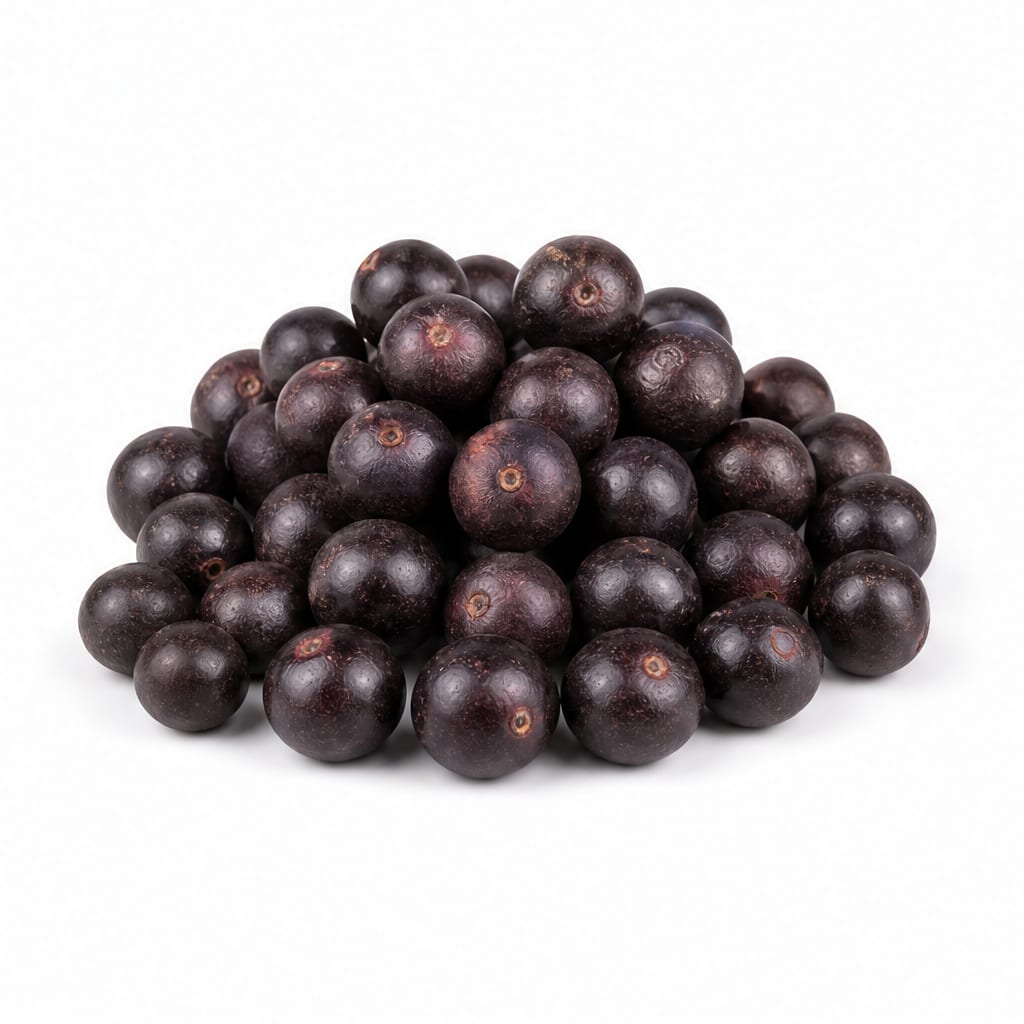
Acai Berry
Acerola dominates vitamin C and immune support; Acai Berry wins on healthy fats, sustained energy, and meal versatility. Pick based on what your diet actually lacks.
Acerola edges ahead on sheer micronutrient density, especially vitamin C, but Acai Berry's healthy fats, fiber, and meal versatility keep it nearly tied. Your specific nutritional gaps determine the real winner.
Massive vitamin C punch vs satisfying healthy fats and broader culinary use
At a glance
Executive summary
Overall
It depends
Healthier
It depends
More practical
Acai Berry
Daily use
Acai Berry
Key comparison lenses
antioxidant potency comparison
Both are famous for antioxidant content but through completely different compounds — vitamin C vs anthocyanins
immune support priority
Acerola delivers unmatched natural vitamin C, making immune support the most lopsided dimension
healthy fat and satiety difference
Acai Berry provides omega fats that Acerola lacks entirely, changing how each food fits into meals
superfood marketing reality check
Both carry heavy superfood hype — users need clarity on what each actually delivers vs marketing claims
practical availability and form
Neither is typically eaten fresh outside tropical regions, so processing and form matter greatly
Best choice for
Acerola
- People wanting maximum natural vitamin C
- Anyone fighting frequent colds or immune challenges
- Those seeking skin and collagen support
- Travelers needing a compact immune boost
Acai Berry
- People wanting heart-healthy fats from fruit
- Anyone building satisfying smoothie bowls
- Those seeking sustained energy without spikes
- People prioritizing anti-inflammatory daily habits
Least suitable for
Acerola
- People sensitive to very acidic foods
- Anyone looking for a filling snack on its own
- Those wanting a versatile meal base
Acai Berry
- People strictly limiting calorie intake
- Anyone needing a quick vitamin C boost
- Those avoiding higher-fat foods regardless of fat quality
Deep comparison
Dimension by dimension
Each lens scores both foods and breaks down who each option suits.
- Dimension 1 · Priority 95Acerola
Vitamin C Potency
Acerola · 99Acai Berry · 18Acerola delivers roughly 30-50 times more vitamin C than Acai Berry per serving, making it one of the richest natural sources on Earth.
Tradeoff
Acerola's extreme vitamin C comes with high acidity that can bother sensitive stomachs, while Acai Berry's modest vitamin C is gentler but unremarkable.
Why it matters
Vitamin C is water-soluble and must be replenished daily. Acerola covers your needs in a single small serving; Acai Berry barely moves the needle.
Real-world impact
One tablespoon of acerola powder can meet your entire daily vitamin C requirement. You would need massive amounts of Acai Berry to achieve the same.
Acerola
- Immune system reinforcement during cold season
- Collagen production and skin repair
- Iron absorption when paired with plant-based meals
Better for
- People with acid reflux or gastric sensitivity
- Anyone prone to kidney stones from excess vitamin C
Worse for
Acai Berry
- Gentle vitamin C without acidity issues
- Situations where vitamin C is not the priority
Better for
- Anyone specifically seeking immune support from vitamin C
- Situations where you need efficient vitamin C delivery
Worse for
- Dimension 2 · Priority 88Acai Berry
Healthy Fat Content
Acerola · 5Acai Berry · 85Acai Berry contains significant omega-6 and omega-9 fatty acids, while Acerola is virtually fat-free.
Tradeoff
Acai Berry's fats support heart health and satiety but add calories. Acerola stays light but cannot provide the same fullness or fat-soluble nutrient absorption benefits.
Why it matters
Healthy fats from whole foods help with hormone production, brain function, and keeping you satisfied between meals.
Real-world impact
An acai bowl feels like a real meal. Acerola feels like a supplement boost — energizing but not filling.
Acerola
- Anyone counting calories strictly
- Low-fat diet followers
Better for
- Anyone relying on one food for meal-level satiety
- Fat-soluble vitamin absorption without other fat sources
Worse for
Acai Berry
- Sustained energy through the afternoon
- Heart-healthy dietary patterns
- Making smoothies and bowls actually satisfying
Better for
- Very low-calorie diet plans
- People who struggle with portion control on calorie-dense foods
Worse for
- Dimension 3 · Priority 90It depends
Antioxidant Diversity
Acerola · 82Acai Berry · 88Acerola provides vitamin C and carotenoids; Acai Berry delivers anthocyanins and polyphenols. Different antioxidant families protect different systems.
Tradeoff
Acerola's antioxidants are water-soluble and act quickly but clear fast. Acai Berry's anthocyanins linger longer and target inflammation differently.
Why it matters
No single antioxidant family covers everything. Diversity matters more than sheer quantity for long-term cellular protection.
Real-world impact
Acerola acts like a rapid-response shield. Acai Berry works more like slow-release cellular armor. Both are valuable; neither is complete alone.
Acerola
- Quick antioxidant bursts after sun exposure or stress
- Immediate immune challenge response
- Pairing with iron-rich foods for absorption synergy
Better for
- Sustained anti-inflammatory coverage throughout the day
- Protecting lipid membranes from oxidative damage
Worse for
Acai Berry
- Chronic low-grade inflammation management
- Long-term cardiovascular protection
- Recovery after intense exercise
Better for
- Rapid immune response scenarios
- Situations requiring immediate antioxidant action
Worse for
- Dimension 4 · Priority 78Acai Berry
Satiety and Meal Integration
Acerola · 25Acai Berry · 78Acai Berry's fat and fiber content makes it genuinely filling and easy to build meals around. Acerola is a booster, not a base.
Tradeoff
Acai Berry turns a smoothie into a meal but costs more calories. Acerola adds nutrition without bulk or satisfaction.
Why it matters
Foods that fail to satisfy lead to snacking and overeating later. Satiety drives long-term dietary success more than micronutrient profiles.
Real-world impact
An acai bowl at 8 AM can hold you until noon. Acerola powder in water will leave you hungry an hour later.
Acerola
- Adding to meals that are already satisfying
- Light nutrient boosts between meals
Better for
- Anyone trying to replace a meal
- Situations where you need lasting fullness
Worse for
Acai Berry
- Breakfast bowls that carry you to lunch
- Post-workout recovery meals
- Replacing heavier desserts with something healthier
Better for
- Light snacking close to dinner
- Anyone who finds rich foods too heavy midday
Worse for
- Dimension 5 · Priority 72Acerola
Calorie Efficiency
Acerola · 90Acai Berry · 55Acerola delivers massive micronutrient value per calorie. Acai Berry's healthy fats make it more calorie-dense for the same weight.
Tradeoff
Acerola is micronutrient-dense but macronutrient-poor. Acai Berry provides balanced macros at a higher calorie cost.
Why it matters
If you are tracking calories closely, Acerola gives more nutritional bang per bite. If you need energy and fullness, Acai Berry justifies its calories better.
Real-world impact
Acerola powder adds roughly 5-10 calories per serving with huge vitamin C. Acai pulp adds 70-100 calories but with fats and fiber that actually fuel you.
Acerola
- Calorie-restricted eating phases
- Cutting phases for athletes
- Nutrient stacking without calorie creep
Better for
- Endurance athletes needing calorie-dense fuel
- Underweight individuals seeking nourishment
Worse for
Acai Berry
- Active people needing calorie intake
- Growing teenagers with high energy needs
- Anyone struggling to eat enough whole foods
Better for
- Sedentary days with low calorie budgets
- Anyone prone to overeating calorie-dense foods
Worse for
- Dimension 6 · Priority 70Acai Berry
Practical Availability and Form
Acerola · 55Acai Berry · 72Both are tropical and rarely found fresh outside their native regions. Acai Berry has broader commercial availability as frozen pulp and bowls; Acerola is more niche, often sold as powder or supplement.
Tradeoff
Acai Berry is easier to find in grocery stores and cafes but often comes with added sugars in commercial products. Acerola powder is more concentrated but harder to source in quality form.
Why it matters
The best superfood is the one you can actually buy and use consistently. Availability and convenience determine long-term adherence.
Real-world impact
You can find acai bowls at most juice bars. Finding fresh or even quality frozen acerola requires specialty shopping or online orders.
Acerola
- Travel-friendly powder form for on-the-go nutrition
- Compact storage and long shelf life as powder
Better for
- Harder to find in typical grocery stores
- Limited culinary versatility beyond powder form
Worse for
Acai Berry
- Wider retail availability in North America and Europe
- Ready-to-eat formats like frozen pulp and bowls
Better for
- Commercial products often hide added sugars
- Quality varies dramatically between brands
Worse for
Timeline
Health impact over time
Short-term
Hours to days
Acerola
- Rapid vitamin C absorption supporting immune function within hours
- Potential stomach discomfort in sensitive individuals due to high acidity
- Mild energizing effect from B-vitamin content
Acai Berry
- Sustained energy from healthy fats without blood sugar spikes
- Feeling of fullness that reduces snacking urges for 2-3 hours
- Quick anti-inflammatory effect noticeable after regular consumption over days
Long-term
Months to years
Acerola
- Stronger immune resilience with consistent daily use
- Improved collagen integrity benefiting skin, joints, and wound healing
- Possible kidney stone risk if consuming extremely high doses over years
Acai Berry
- Cardiovascular benefits from regular omega fat intake
- Reduced markers of chronic inflammation with daily consumption
- Potential calorie surplus if portions are not managed, leading to gradual weight gain
Risk profile
Safety & processing
Acerola is typically sold as freeze-dried powder with minimal processing. Acai Berry is almost always processed into frozen pulp or bowls, and commercial versions frequently contain added sugars, fillers, or emulsifiers. Reading labels matters far more with Acai Berry products.
Acerola
Oxalate and kidney stone potential
lowVery high vitamin C intake can convert to oxalates in susceptible individuals. Moderate daily use is safe for most people.
Supplement quality inconsistency
mediumAcerola powder quality varies widely. Some products are cut with fillers or have degraded vitamin C from poor storage.
Acai Berry
Added sugars in commercial products
highMany acai bowls and pulps contain 20-40g of added sugar per serving, undermining the health benefits entirely.
Heavy metal contamination in some supplements
mediumLess regulated acai supplement brands have shown variable purity. Third-party testing matters.
Calorie underestimation
mediumAcai bowls at cafes can reach 400-600 calories with toppings, often perceived as a light snack.
Who wins for whom
Audience fit
Same foods, different winners depending on your goal.
children
Acai BerryAcai Berry's milder, sweeter taste and bowl format appeal more to kids, and its healthy fats support developing brains. Acerola's tartness is often rejected by children.
daily consumption
Acai BerryAcai Berry integrates more easily into daily meals as a base ingredient, while Acerola is better as a targeted supplement than a daily staple food.
diabetes
AcerolaAcerola has negligible impact on blood sugar and its vitamin C may help reduce oxidative stress associated with diabetic complications. Acai Berry products often contain hidden sugars.
elderly
AcerolaAcerola's concentrated vitamin C supports immune function and collagen maintenance, both critical concerns for aging bodies, without adding unnecessary calories.
muscle gain
Acai BerryAcai Berry's calorie density and healthy fats support the higher caloric needs of muscle-building phases, and its anti-inflammatory properties aid recovery.
weight loss
AcerolaAcerola provides intense micronutrients at minimal calories, making it easier to stay within calorie targets while still getting superior nutrition.
Your move
Decision guide
Choose Acerola
- You want the most potent natural vitamin C source available
- Immune support is your top priority, especially during winter
- You are calorie-conscious and want maximum nutrient density
- You prefer a quick powder add-in rather than a meal component
- You have no issues with tart, acidic flavors
Choose Acai Berry
- You want a satisfying meal base with healthy fats
- Heart health and anti-inflammatory eating are your priorities
- You enjoy smoothie bowls and want a nutrient-rich foundation
- You need something that actually fills you up
- You are active and need calorie-dense whole food fuel
Either works if
- You want antioxidant diversity and can rotate both
- Your diet lacks colorful fruits and either would help
- You are building a superfood rotation and want variety
Avoid both if
- You expect either to be a magic cure for any health condition
- You are buying heavily sweetened commercial versions of either
- You have limited budget and cannot verify product quality
Final recommendation
Use Acerola as your daily vitamin C insurance — a small dose covers extraordinary ground. Use Acai Berry as your satisfying, fat-rich meal foundation when you need real food energy. If you can only pick one, choose Acerola for targeted nutrition and Acai Berry for lifestyle integration. The best approach is rotating both: Acerola in the morning as a quick boost, Acai Berry as a weekend bowl when you have time to enjoy it.
Practical
Consumer tips
- 1
For Acerola, buy freeze-dried powder from brands that test for vitamin C retention — heat processing destroys much of its value
- 2
For Acai Berry, always check the ingredient list — the first ingredient should be acai, not apple juice or sugar
- 3
Avoid acai bowls from cafes unless you can verify sugar content — many contain more sugar than a candy bar
- 4
Store Acerola powder in a cool, dark place — vitamin C degrades rapidly with heat and light exposure
- 5
Blend Acai Berry with protein powder and nut butter for a genuinely balanced meal rather than a sugar bomb
- 6
If buying frozen acai pulp, choose unsweetened packets — you control the sweetness with whole fruit instead
- 7
Acerola pairs exceptionally well with iron-rich foods like spinach or lentils — the vitamin C dramatically boosts iron absorption
- 8
Start with small amounts of Acerola if you have a sensitive stomach — its acidity can surprise you